AI Era: The 5 Most Valuable Skills for Programmers in 2026 (That AI Still Can’t Replace)
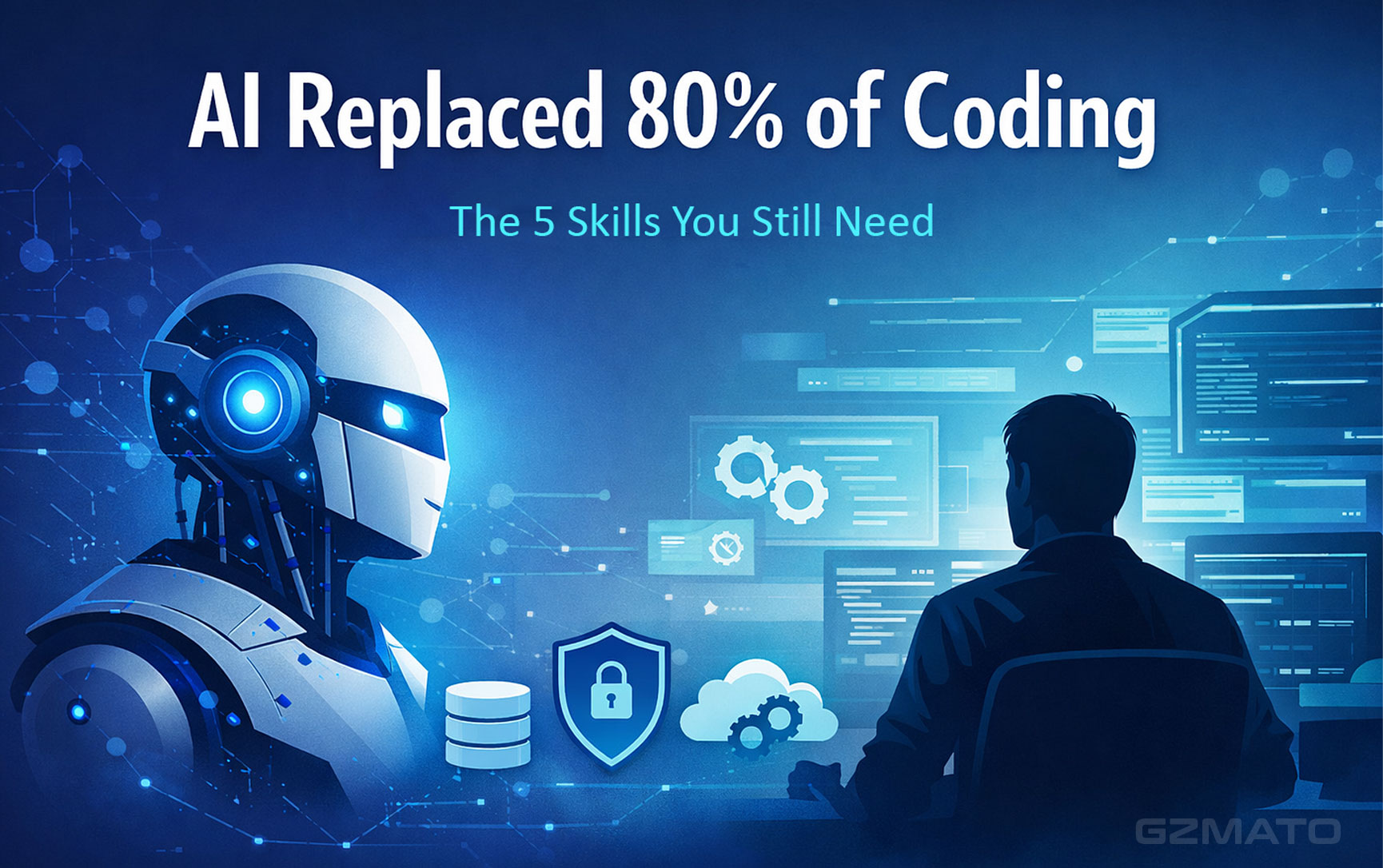
- AI Era: The 5 Most Valuable Skills for Programmers in 2026
- 1. Defining Problems Clearly (The #1 Skill AI Can’t Do)
- 2. Long-term System Design & Architectural Trade-offs
- 3. Deep Business / Domain Understanding
- 4. Reviewing, Fixing & Improving AI-Generated Code
- 5. Communication, Leadership & Stakeholder Management
- How to Build These Skills in 2026
- Build a Powerful Local AI Coding Environment
- Final Verdict: The Future Belongs to “AI + Human” Teams
- Shop Mac Mini & AI Development Accessories at Gzmato
March 22, 2026 – AI coding tools have advanced so much that many programs now run correctly on the first try. This has sparked a big question: what skills still make programmers truly valuable — and highly paid — in 2026? Here are the five abilities that AI can’t replace (or can only partially assist), ranked by long-term career impact, plus practical ways to build them.
AI Era: The 5 Most Valuable Skills for Programmers in 2026
AI is excellent at writing code quickly when the problem is clearly defined. But most real-world software work is messy, ambiguous, political, and long-term. The programmers who thrive will be those who excel at the parts AI still struggles with.
1. Defining Problems Clearly (The #1 Skill AI Can’t Do)
AI needs precise, well-structured prompts. Most business problems are vague, conflicting, or incomplete. The ability to: - Ask the right questions - Uncover hidden requirements - Identify contradictions - Turn fuzzy ideas into clear, executable specs is still almost entirely human. How to build it — Practice writing detailed PRDs, doing user interviews, and breaking down ambiguous tickets into concrete acceptance criteria.
2. Long-term System Design & Architectural Trade-offs
AI can suggest a clean microservice architecture today. But can it answer: - Will this system need to scale to 10× users in 3 years? - Should we prioritize speed of delivery or long-term maintainability? - What’s the real cost model (cloud bills, ops headcount, latency budget)? - How do we handle legacy debt and migration? These decisions require understanding business context, team velocity, historical constraints, and risk appetite. How to build it — Study real-world post-mortems, contribute to open-source architecture discussions, and volunteer for system design reviews.
3. Deep Business / Domain Understanding
AI doesn’t know your industry’s unwritten rules, regulatory constraints, user psychology, or revenue levers. Programmers who deeply understand the business domain (fintech compliance, healthcare privacy, e-commerce conversion funnels, etc.) are extremely hard to replace. How to build it — Spend time with product, sales, and customers. Read industry reports. Learn the money flow in your company or sector.
4. Reviewing, Fixing & Improving AI-Generated Code
AI-generated code often looks clean but can hide subtle bugs, security issues, performance traps, or maintainability debt. The ability to quickly spot problems in AI output, fix them, and make the code production-ready is becoming a core skill. How to build it — Practice reviewing large amounts of AI-generated code. Learn common AI failure patterns (hallucinated APIs, off-by-one errors, insecure defaults, inefficient loops). Master security review checklists.
5. Communication, Leadership & Stakeholder Management
Explaining technical trade-offs to non-technical leaders, negotiating priorities, coordinating cross-team efforts, mentoring juniors, and owning outcomes — these are human skills. AI can’t attend meetings, resolve conflicts, or inspire a team. How to build it — Take on small leadership roles (tech lead, project coordinator). Practice writing clear RFCs and giving presentations. Seek feedback on communication style.
How to Build These Skills in 2026
- Use AI as your personal junior developer — let it handle 70–80% of routine coding while you focus on the high-value parts
- Invest in domain knowledge (read industry blogs, talk to business teams)
- Practice system design weekly (LeetCode system design, “Grokking the System Design Interview”)
- Review AI-generated code daily (Cursor, Claude, local models)
- Take ownership of outcomes, not just tasks
Build a Powerful Local AI Coding Environment
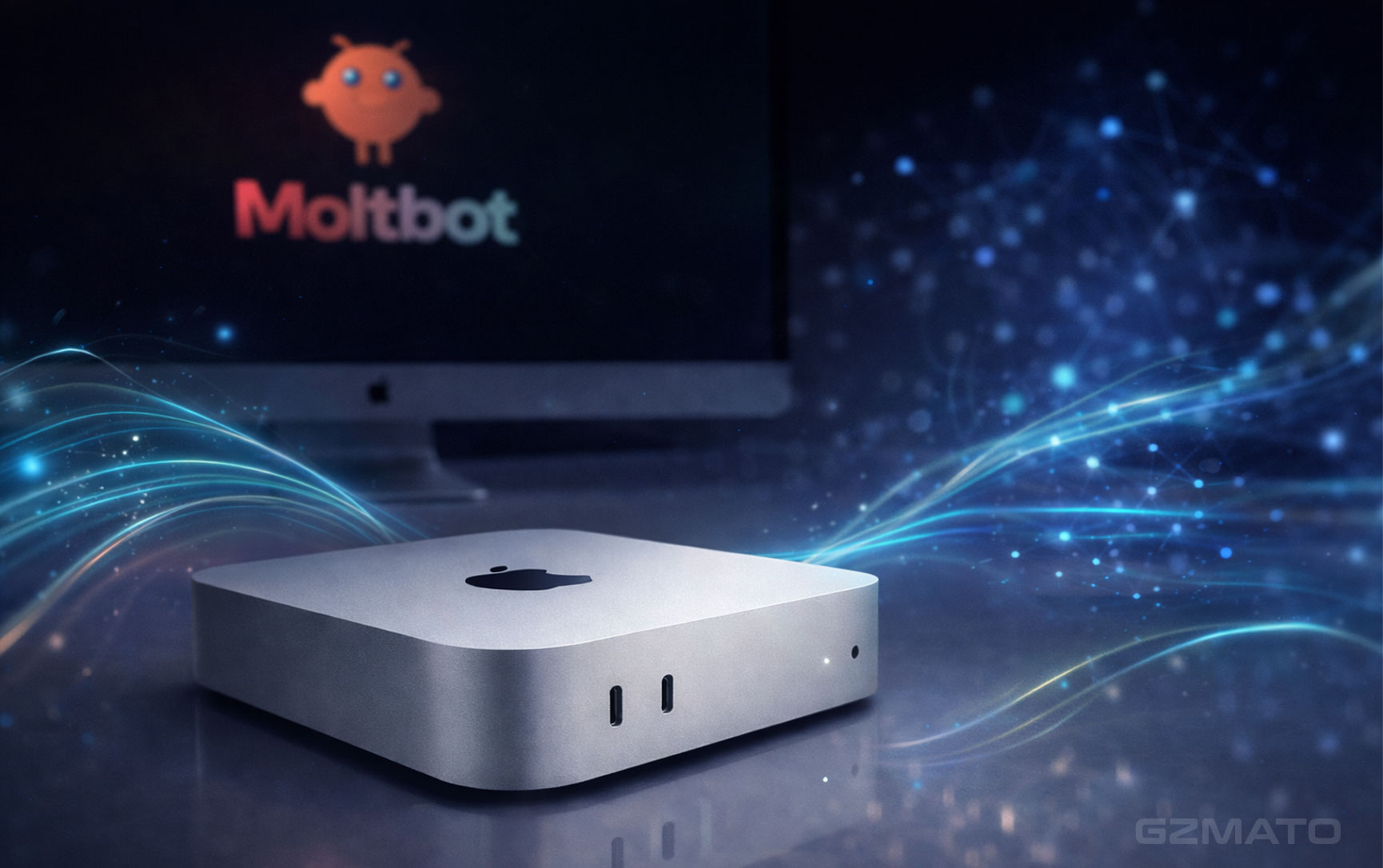
To maximize AI productivity, many developers are building local setups on Mac Mini or MacBook Pro: - 32GB+ unified memory Mac Mini - Fast external SSDs (2TB+) for models & cache - Cooling stands to sustain long inference - Thunderbolt hubs for multi-monitor workflows These allow private, high-speed AI coding without cloud costs or latency.
Final Verdict: The Future Belongs to “AI + Human” Teams
AI is not replacing programmers — it’s replacing “pure coders” who only know how to translate specs into syntax. The most valuable programmers in 2026 will be those who treat AI as the world’s best junior developer and focus on the five skills above: problem definition, system design, domain expertise, code review, and human leadership. Build these, and you’ll not only survive — you’ll thrive.
Shop Mac Mini & AI Development Accessories at Gzmato
Fast shipping, 1-year warranty – external SSDs, cooling stands, Thunderbolt hubs & more
Special Offer: Use code GZMAI26 for 10% off!
Shop AI Development Gear Now →Data Sources & Methodology (as of Mar 22, 2026):
- Hands-on experience with Cursor, Claude, local MLX/OMLX setups
- Developer discussions from Reddit (r/cscareerquestions, r/MachineLearning), X, Hacker News
- Industry reports from Stack Overflow 2025 Developer Survey, GitHub Octoverse
- Gzmato Mac Mini & AI accessory inventory
- ai era programmer skills 2026
- most valuable programming skills
- ai replace programmers
- future proof developer career
- ai proof skills
- programmer value 2026
- local ai development mac