AI in Production: Why It's Still Far from Full Automation in 2026
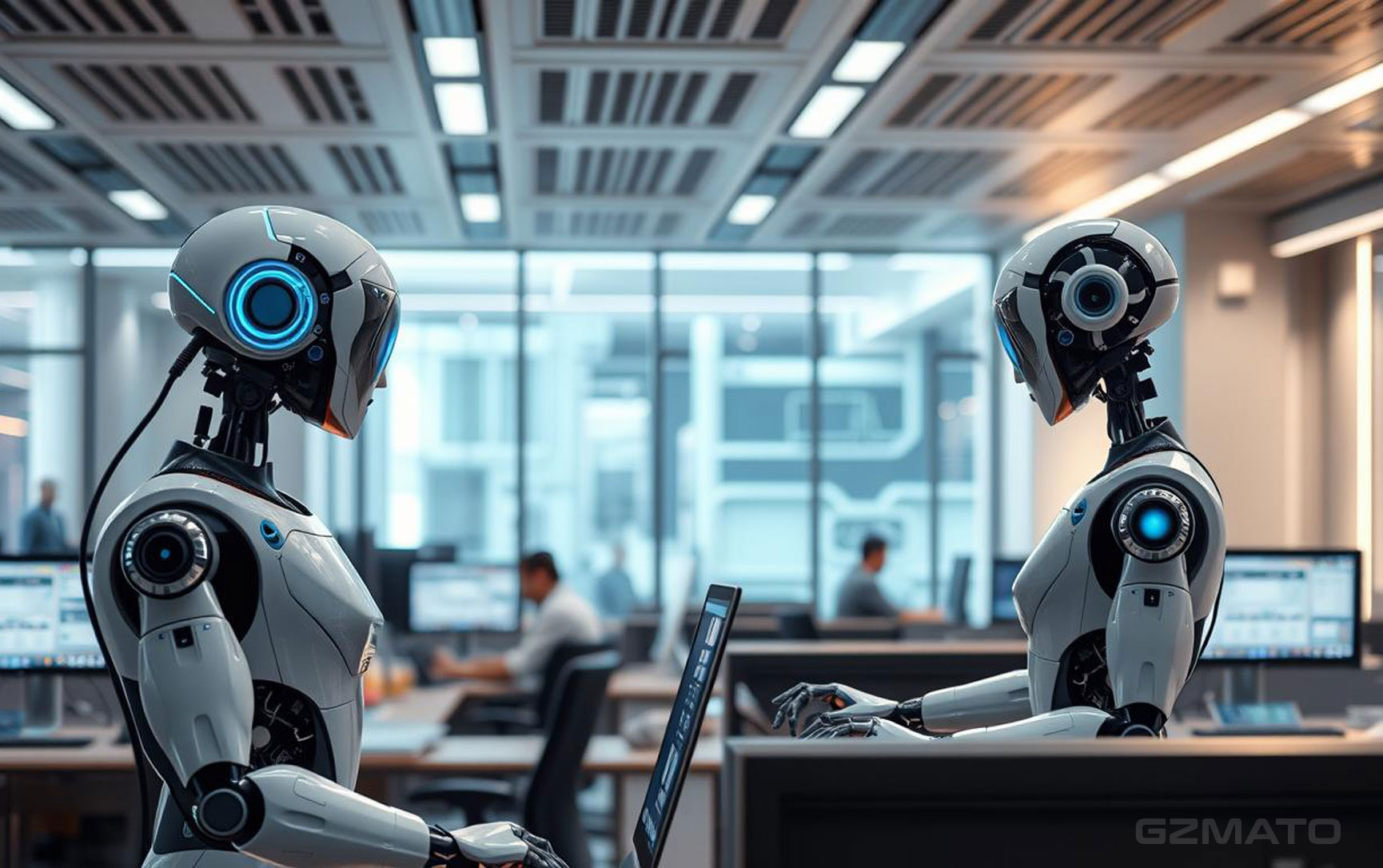
January 20, 2026 – AI assistants like Grok, Gemini, and Claude have become powerful daily tools, clearly improving personal and small-team efficiency. However, in real-world production environments, AI is still far from fully automated execution. This article explores why integration and reliability remain major hurdles in 2026.
AI in Production: Still Far from Full Automation in 2026
AI excels at brainstorming, content generation, and simple tasks, but struggles when deployed in complex production workflows. Most enterprise AI projects remain in pilot or experimental stages, with full end-to-end automation still years away. Here’s why.
Where AI Already Boosts Efficiency
- Writing emails, reports, social media posts, and product descriptions – saving 50-80% time.
- Summarizing long documents, analyzing competitors, and extracting meeting notes.
- Brainstorming ideas, creating PPT outlines, and generating creative concepts.
- Coding assistance: writing boilerplate, debugging, learning new frameworks.
- Personal tasks: scheduling, email sorting, translation, and quick learning.
Real-world note: For personal and small-team knowledge work, AI feels like a "super intern" – fast, helpful, and often game-changing.
Major Barriers in Real Production Workflows
- System Interfaces & Standardization: Enterprises use dozens of legacy systems (ERP, CRM, MES, WMS, etc.) with incompatible APIs, data formats, and authentication methods. AI agents must read hundreds of different docs to call them correctly.
- Permission & Compliance Constraints: Production systems handle money, customer data, IP, and supply chain secrets. Errors can cause financial loss or legal issues, so companies require human oversight for final approval.
- Exception Handling & Long-Chain Reliability: Real production tasks have 20-50 steps. One failure (timeout, format change, permission error) breaks the entire chain. Current agents lack industrial-grade reliability (99.99%+ success rate).
- Missing Middleware: No unified API gateway, sandbox, audit logs, or human intervention channels exist. Companies must build or buy expensive custom tools.
The Road to True AI Automation
- Standardized APIs and data models across enterprise systems.
- Highly reliable agents with self-correction and long-chain planning.
- Legal/compliance frameworks for AI accountability.
- Time estimate: 3-7 years for widespread end-to-end automation in production.
Hardware for Running AI Agents at Gzmato
Run local AI agents smoothly with high-performance hardware – available now
New Year Offer: Use code GZMAI26 for 10% off!
Shop AI-Ready Hardware Now →Data Sources & Methodology (as of Jan 20, 2026):
- Enterprise AI adoption reports (McKinsey, Gartner, Deloitte)
- Real-world feedback from Reddit, LinkedIn, and tech forums
- Gzmato customer inquiries & AI hardware sales data

- ai automation production 2026
- ai in enterprise workflows
- ai agent limitations
- ai integration challenges
- ai roi production