HomePod mini 2 Review: S10 Chip, Sound Glow, and the Siri AI Problem in China
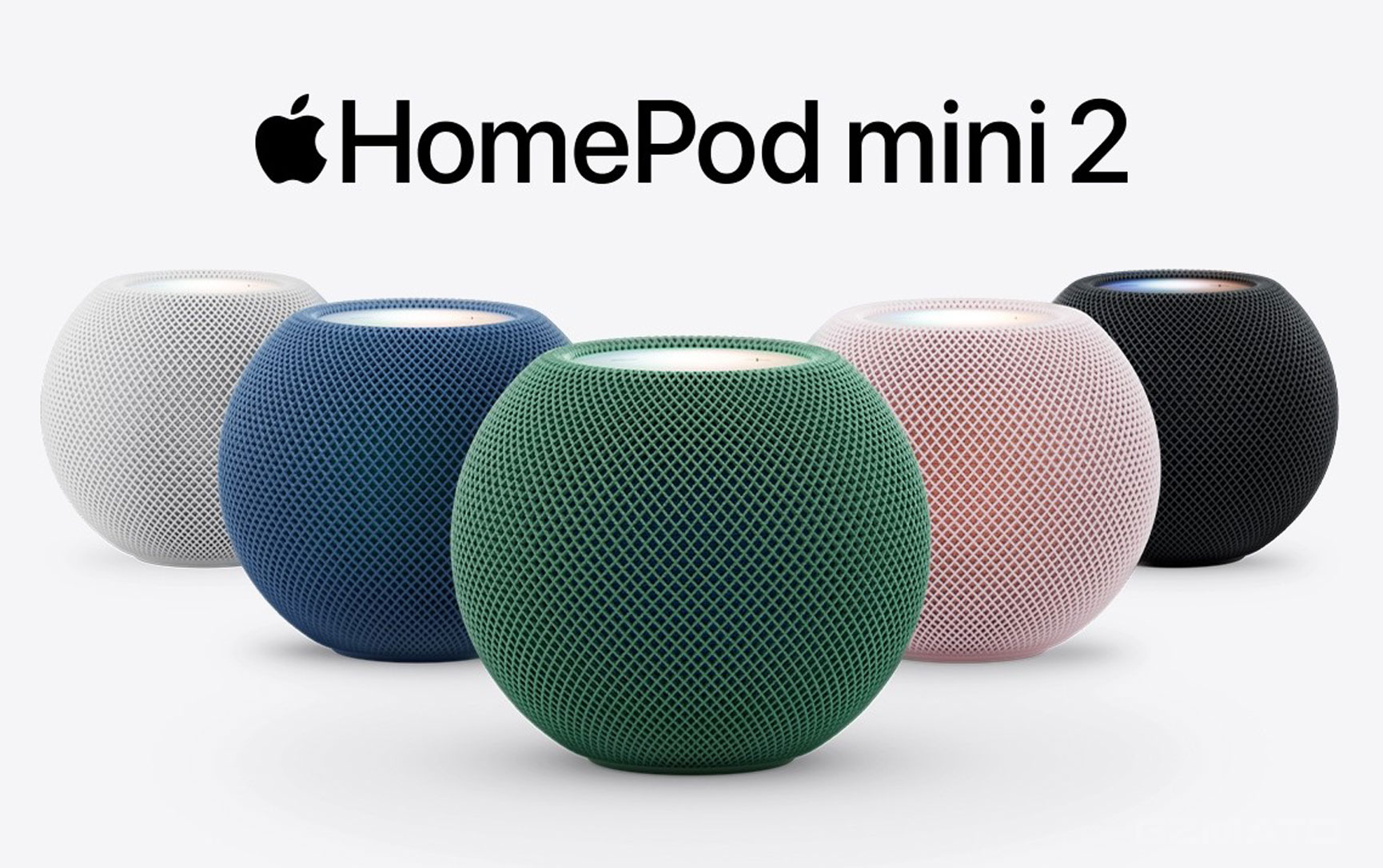
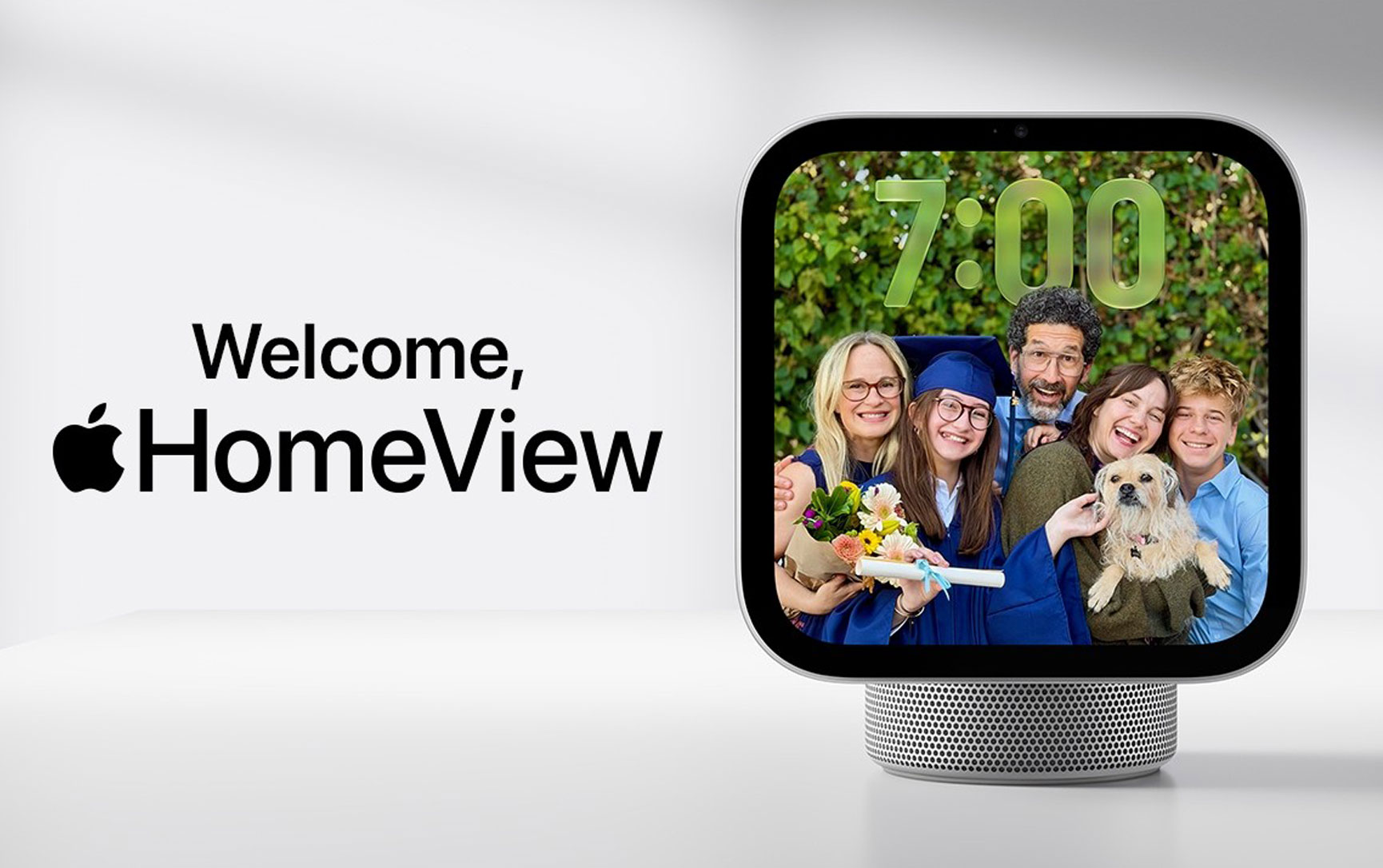
October 14, 2026 — Apple has released the HomePod mini 2, the first update to its smallest smart speaker since 2020. Six years is a long time in consumer electronics, and the new model brings a genuinely meaningful hardware upgrade: the S10 chip, Wi-Fi 6E, and a new light feature called Sound Glow.
But for buyers in China, there is one critical catch that changes everything about the value proposition. The feature Apple is promoting most heavily — Siri AI — is not available on the China version. This review separates what the HomePod mini 2 actually does well from what Chinese buyers simply cannot use.
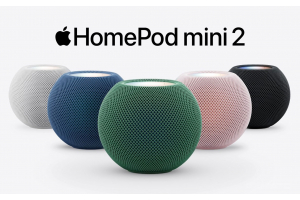
What Changed: S10, Wi-Fi 6E, and New Colors
The HomePod mini 2 is a “same shell, new brain” upgrade. The physical design, driver configuration, and overall footprint remain identical to the original. The changes are all internal, plus one new visual feature.
| Spec | HomePod mini (2020) | HomePod mini 2 (2026) |
|---|---|---|
| Chip | S5 | S10 |
| Wi-Fi | Wi-Fi 4 (802.11n) | Wi-Fi 6E |
| Bluetooth | 5.0 | 6 |
| Microphones | 4 | 3 |
| Colors | White, Blue, Yellow, Orange, Midnight | White, Pink, Blue, Green, Midnight |
| Sound Glow | No | Yes |
| Four-Speaker Surround | No | Yes (with Apple TV 4K) |
| China Price | RMB 999 | RMB 1,099 |
The S10 chip is the most significant change. It is a four-generation leap from the S5, and it powers the computational audio processing that Apple claims delivers “richer, more immersive” sound[citation:2][citation:7]. The Wi-Fi 6E upgrade adds the 6GHz band, which should improve connection stability in crowded networks — relevant for a device that often serves as a smart home hub.
The China price rose from RMB 999 to RMB 1,099 — a 10% increase[citation:19]. Apple briefly listed the product at 999 yuan before adjusting it to 1,099 yuan on launch day. The $149 international price (up from $99) represents a larger 50% jump, reflecting component cost increases and the new chip.
Siri AI: The Feature China Cannot Use
This is the most important section for Chinese buyers. Apple’s announcement for HomePod mini 2 leads with Siri AI, describing it as “a profoundly more capable and conversational assistant” that can tap into personal context, answer questions on almost any topic, and recognize up to six household members by voice[citation:7].
None of that is available in China.
This fundamentally changes what the HomePod mini 2 is for Chinese users. Without Siri AI, the speaker’s value proposition is limited to:
- Music playback via Apple Music, AirPlay, and Handoff
- Smart home hub for HomeKit and Matter devices
- Multi-room audio and stereo pairing
- Sound recognition for smoke and CO alarms
- Temperature and humidity sensing
- Intercom across Apple devices
The core question for Chinese buyers becomes: is a smarter, faster chip and Wi-Fi 6E worth RMB 100 more, when the headline AI feature is unavailable?
Sound Quality: Better, But Not a Leap
Apple claims the HomePod mini 2 delivers “richer, more immersive” audio[citation:7]. But the hardware tells a more nuanced story.
The driver configuration is unchanged: a single full-range driver and dual passive radiators[citation:1][citation:6]. Apple even reduced the microphone count from four to three[citation:4]. The improvements come entirely from the S10 chip’s computational audio processing, which analyzes music in real time to optimize dynamic range, loudness, and acoustic performance.
Stuff describes the approach as “computational audio tweaking” that delivers “epic sound from something barely bigger than a baseball”[citation:14]. But Trusted Reviews notes that Apple has not claimed any hardware audio improvements — the changes are algorithmic, not physical. The consensus: the HomePod mini 2 sounds better than the original, but it is not a dramatic transformation. The physical constraints of a speaker this size remain.
For Chinese buyers, this matters because the S10 chip’s audio processing benefits are available regardless of Siri AI. The sound improvement is real and platform-agnostic.
Sound Glow and Four-Speaker Surround
Two features are genuinely new and worth highlighting.
Sound Glow
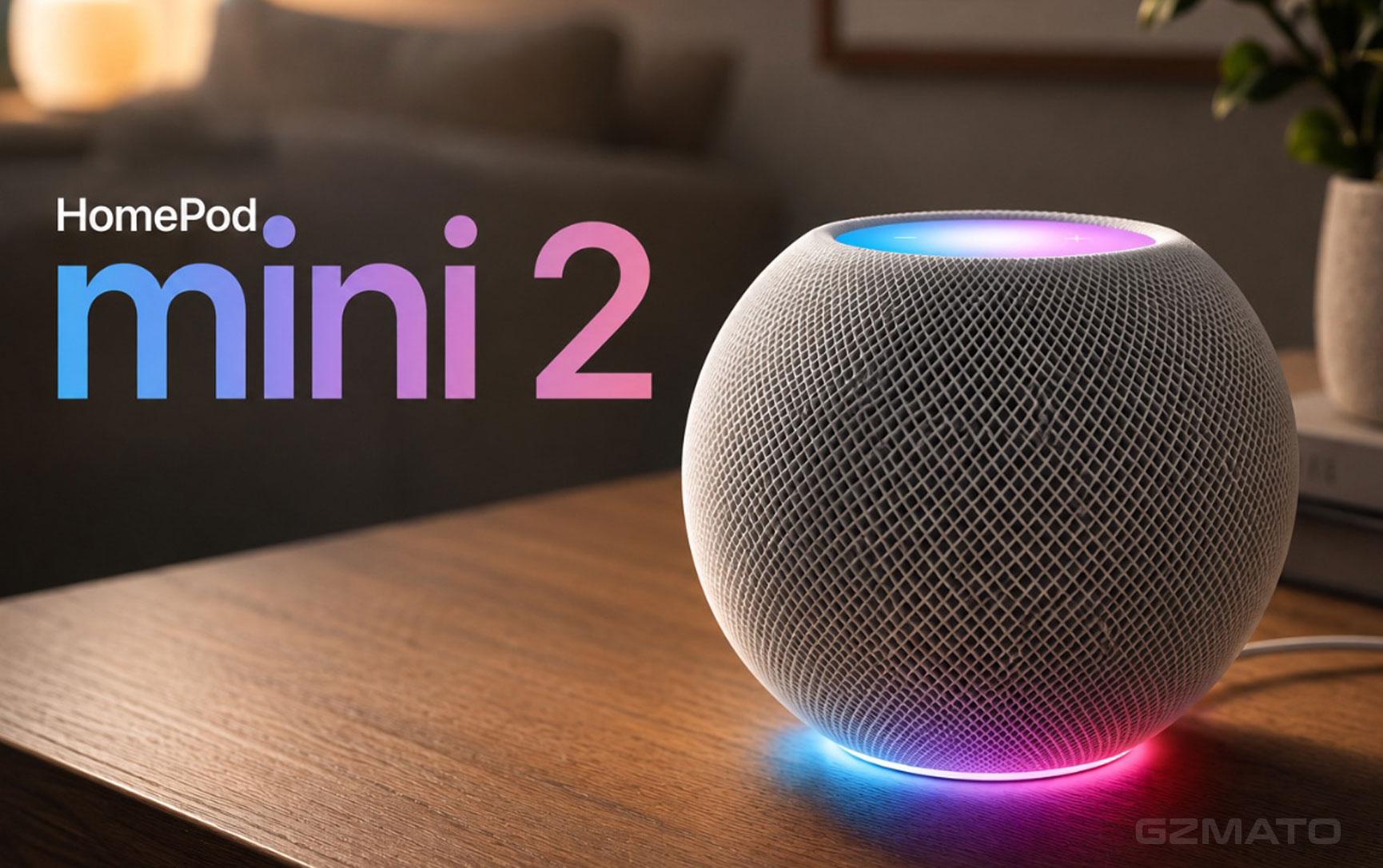
The top of the HomePod mini 2 now functions as a visual canvas. The LED area glows and pulses in sync with music, reacting to bass and treble in real time. Album artwork from the current track generates color-matched lighting, and users can select soundscapes like rain to trigger custom animations[citation:2][citation:4][citation:7].
It is a cosmetic feature, but it makes the speaker more engaging for casual listening and ambient use. Yahoo’s reviewer called it “the coolest upgrade,” while acknowledging you need to be reasonably close to notice it.
Four-Speaker Surround Sound
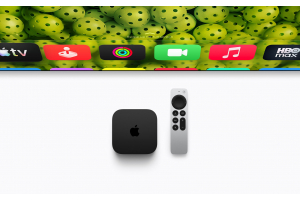
For the first time, HomePod mini 2 can be used in a four-speaker surround setup with the new Apple TV 4K (4th generation)[citation:2][citation:7]. The system intelligently recognizes each speaker’s position in the room and automatically calibrates audio timing and levels.
You can mix and match: two HomePod mini 2 units and two full-size HomePods can form a quartet[citation:4]. This is a meaningful upgrade for home theater enthusiasts, but it requires both the new Apple TV 4K and multiple speakers — a significant additional investment.
Who Should Buy, Who Should Wait
| Your Situation | Recommendation |
|---|---|
| Own a HomePod mini, it works fine | No urgent need to upgrade. The chip and Wi-Fi improvements are real, but the core experience is unchanged. Siri AI — the main reason to upgrade — is unavailable in China. |
| Want a smart home hub for HomeKit | Worth buying. The S10 chip and Wi-Fi 6E improve hub reliability. At RMB 1,099, it remains the cheapest Apple Home hub. |
| Building a home theater setup | Consider it. Four-speaker surround with the new Apple TV 4K is a genuine differentiator, but requires multiple speakers. |
| Want Siri AI features | Wait. Siri AI is not available in China. Buying now means paying for a feature you cannot use. |
| First-time Apple smart speaker buyer | Reasonable choice. It is the most affordable entry into Apple’s smart home ecosystem, with solid audio for its size. |
Key Takeaways
| # | What You Need to Know About HomePod mini 2 |
|---|---|
| 1 | S10 chip is the core upgrade — a four-generation leap from the S5, powering computational audio and future-proofing the device[citation:2][citation:7]. |
| 2 | Wi-Fi 6E and Bluetooth 6 improve connection stability, especially in crowded networks[citation:1][citation:9]. |
| 3 | Siri AI is not available in China — this is the most important limitation for Chinese buyers. The feature will not activate until Apple Intelligence launches in China[citation:5][citation:10]. |
| 4 | Sound quality is improved but not transformed — hardware drivers are unchanged; gains come from computational audio processing[citation:4][citation:14]. |
| 5 | Sound Glow adds visual engagement — the top LED now pulses with music and reacts to album artwork[citation:2][citation:7]. |
| 6 | Four-speaker surround sound — works with the new Apple TV 4K, automatically calibrating to room layout[citation:2][citation:7]. |
| 7 | RMB 1,099, launching October 30 — a 10% increase over the original’s RMB 999 price[citation:1][citation:19]. |
- Apple Newsroom — HomePod mini 2 official announcement, features, and availability[citation:7]
- Apple China — HomePod mini 2 product page, specs, and pricing[citation:1]
- ComputerBase — S10 chip upgrade, microphone count, colors, Sound Glow details[citation:4]
- Stuff — Computational audio analysis, sound improvement description[citation:14]
- 手机新浪网 — China availability, Siri AI limitation statement[citation:5]
- 中关村在线 — China launch details, Siri AI unavailability[citation:10]
- IT之家 — Price adjustment from RMB 999 to 1,099[citation:19]
- Sohu / 17173 — China pricing, color options, launch date[citation:9][citation:15]
Bluetooth Speakers | Smart Speakers | Soundbars | Audio Cables
Special Offer: Use code TECH2026 for a discount on your first order!
Shop Audio at GzmatoOur team can help you compare smart speakers, check compatibility with your existing devices, and find the best option for your home. Chat with us or open a request.
- HomePod mini 2
- HomePod mini 2 review
- HomePod mini 2 China
- Siri AI China
- HomePod mini 2 price
- S10 chip HomePod
- HomePod mini 2 Sound Glow
- Gzmato