Apple's Quest for the Perfect Display How the 2027 iPhone and Vision Air Could Share Game-Changing Tech
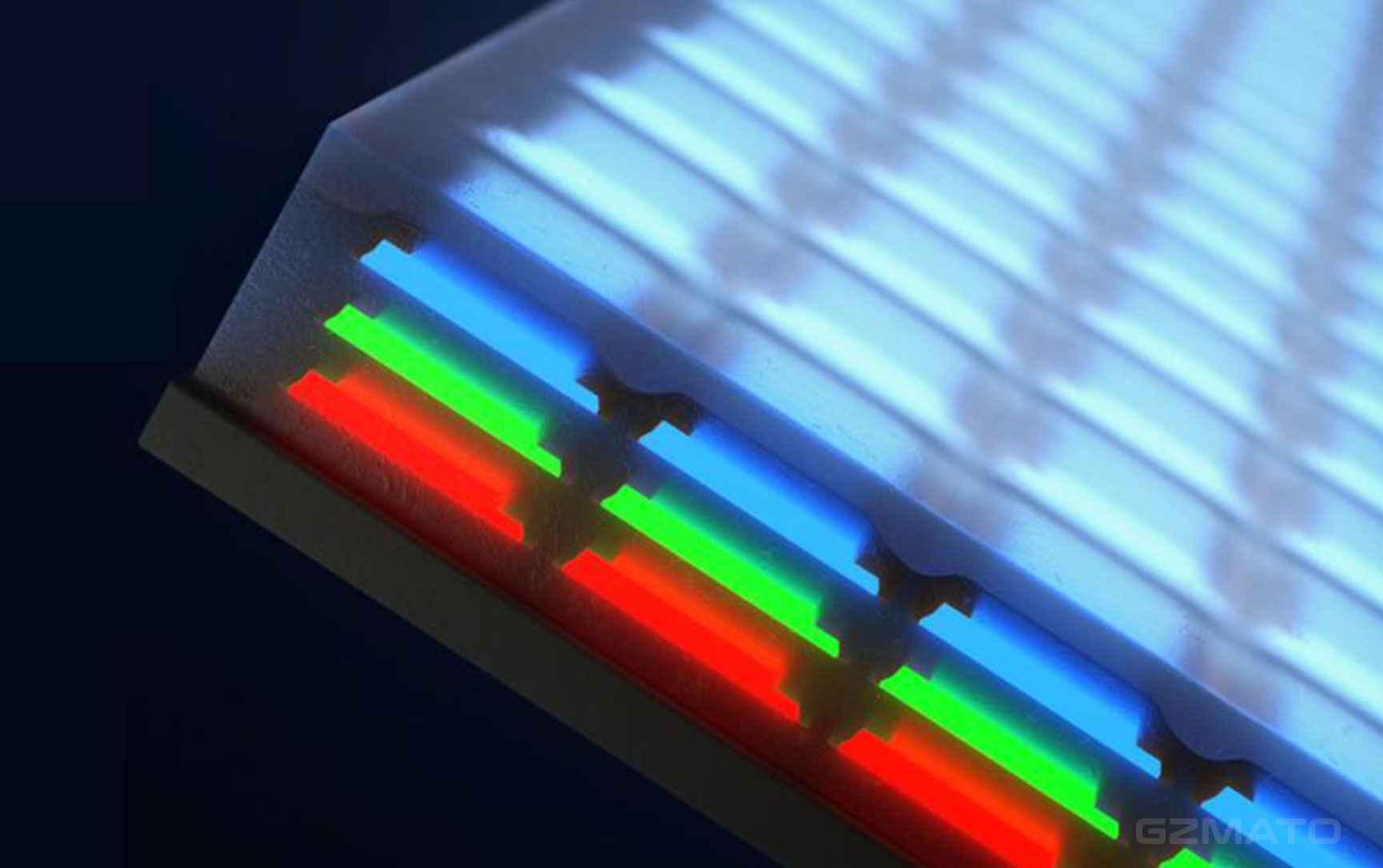
For years, the technology industry has been on a quest for the perfect display—one that is thinner, brighter, and more power-efficient. A recent supply chain report from a reliable source like ETNews suggests that Apple could make a major leap forward in 2027 by bringing the same advanced display technology to two of its most anticipated devices: the Vision Air and the 20th anniversary iPhone.
This isn't just a minor improvement. It represents a fundamental shift in how smartphone and headset displays are built, and it's a technology that Samsung is also racing to perfect for its own flagship devices.
The Technology: How CoE Makes Displays Better
The key to this advancement is a display technology known as Color Filter on Encapsulation (CoE).
To understand why it's so significant, you need to know how standard OLED screens work. They use a layer called a polarizing film to reduce reflections and glare, but this film also absorbs a significant amount of the display's light. This makes the screen dimmer and forces the device to use more power to compensate.
What CoE does is brilliant in its simplicity: it removes the polarizing film entirely. Instead, it integrates the color filter directly onto the OLED's protective encapsulation layer. The result is a display that is thinner, lets more light shine through for higher brightness, and consumes less battery power.
This single innovation addresses three of the most persistent challenges in modern display technology.
The Samsung-Apple Display Race
While this technology would be a first for a conventional iPhone, it's not new to the market. Samsung has already used CoE in its foldable phones, beginning with the Galaxy Z Fold 3.
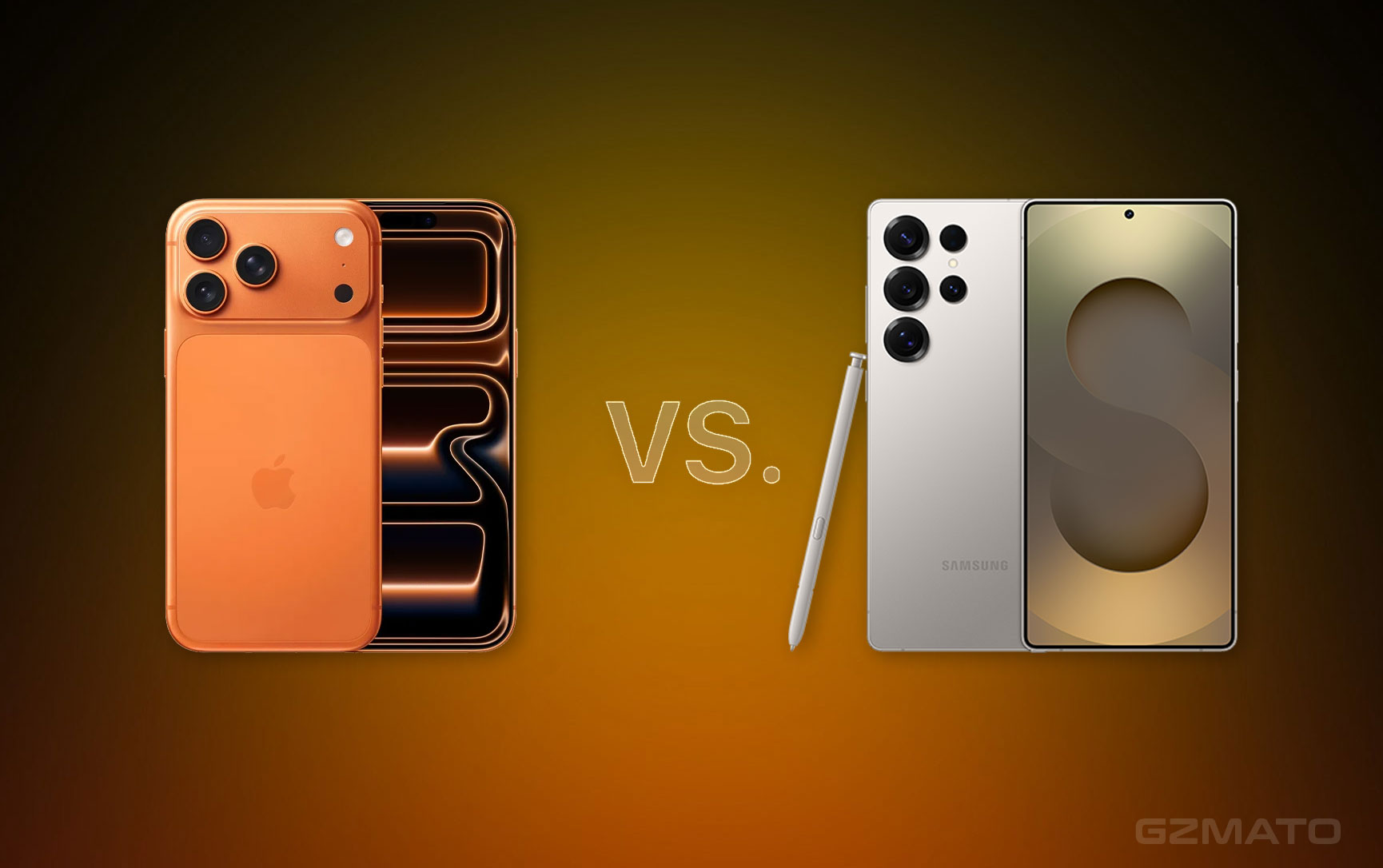
According to supply chain officials, Samsung is reportedly keen to ensure it applies this tech to its own "bar-type" (non-folding) smartphones before Apple does. This suggests that the Galaxy S26 Ultra, expected in 2026, could be the first conventional smartphone to feature CoE.
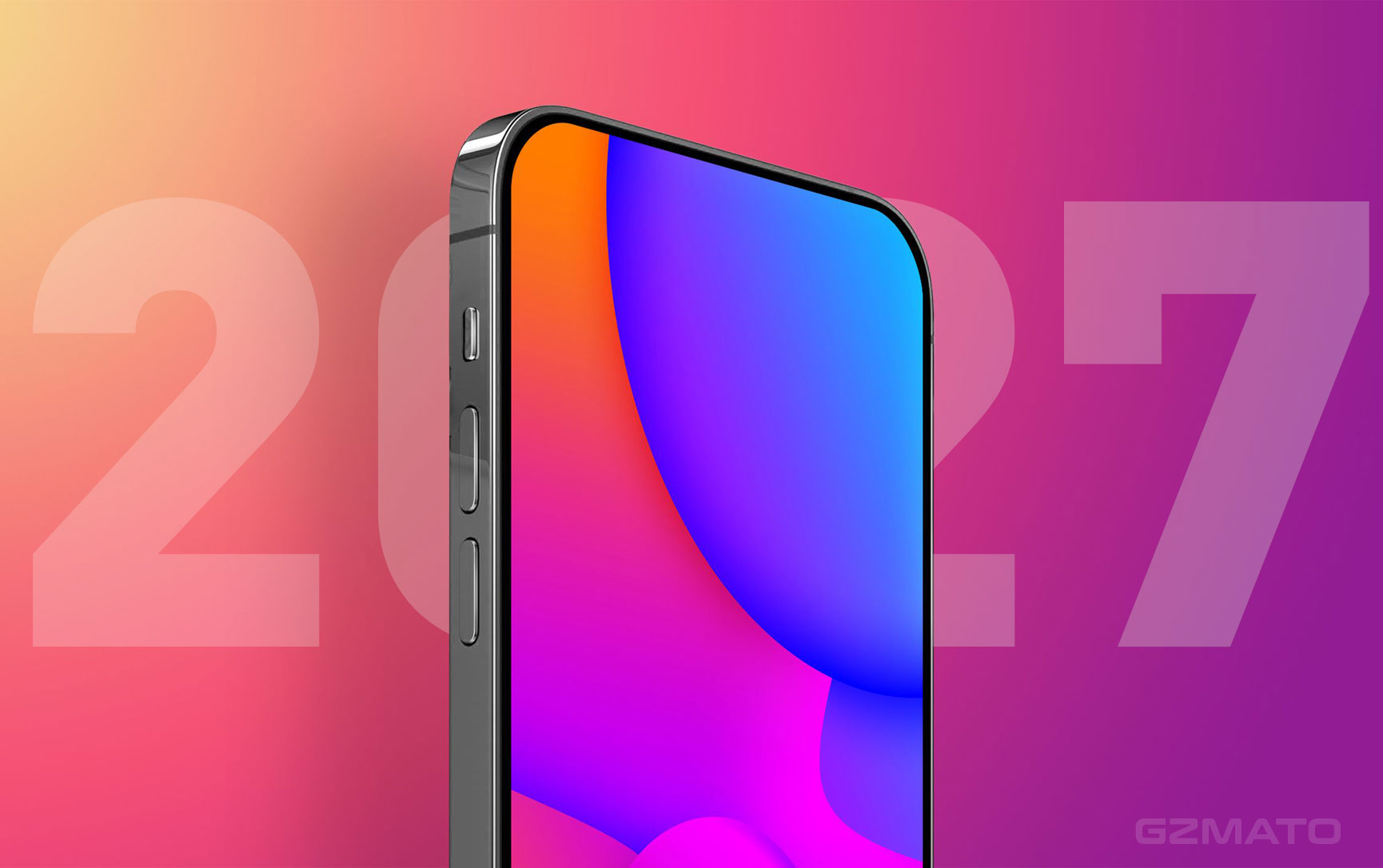
The report also indicates that Apple is planning to use CoE for at least one of its iPhones in 2027, timing the move to celebrate the iPhone's 20th anniversary. This move would be a powerful statement, but it puts Apple a year behind its biggest rival in adopting the technology.
A Truly Bezel-Free 20th Anniversary iPhone
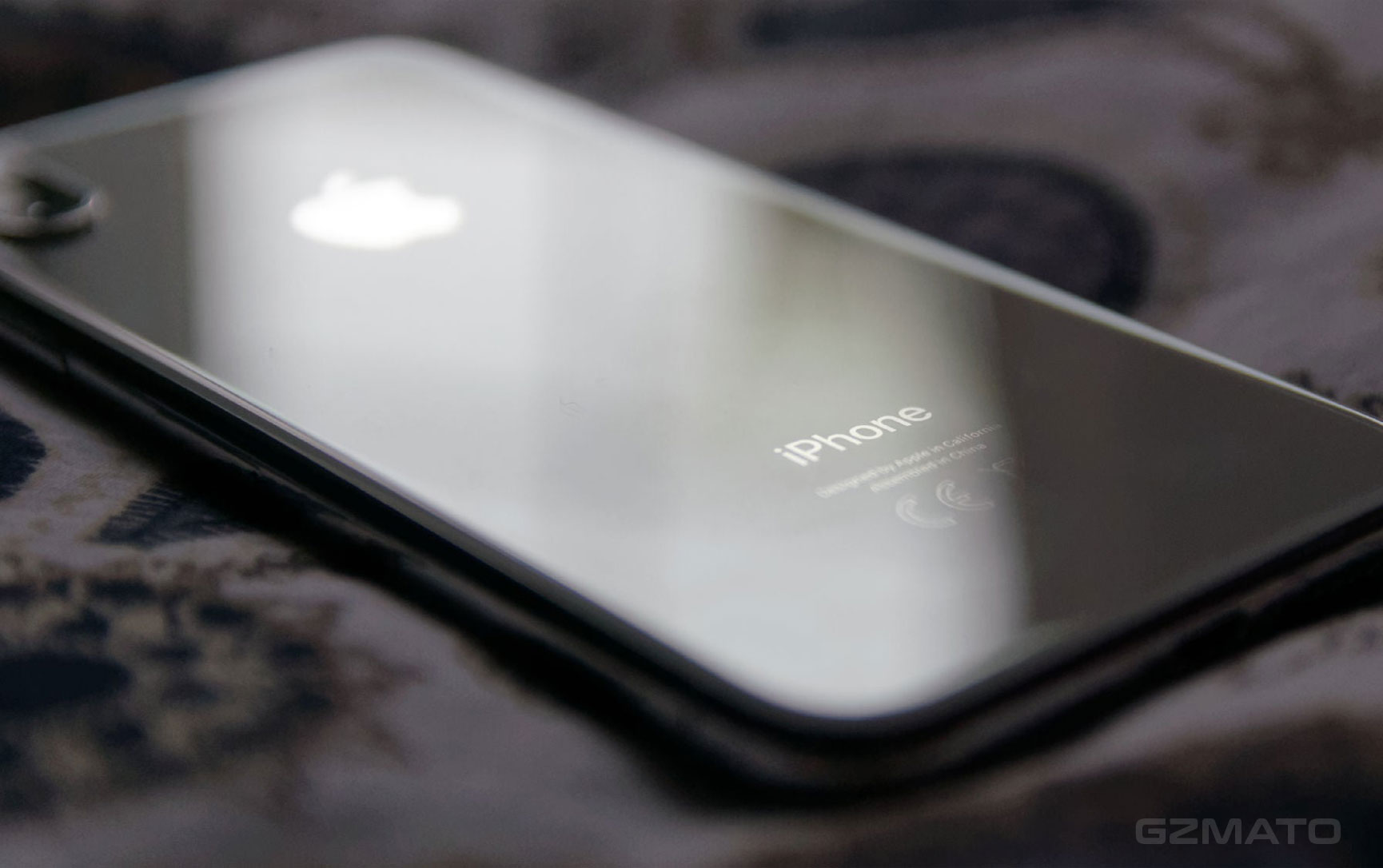
The adoption of CoE display technology on the 2027 iPhone aligns perfectly with Jony Ive's long-held vision for a device that is essentially a "single slab of glass." By eliminating layers, the display stack becomes thinner, opening the door for a more radical design.
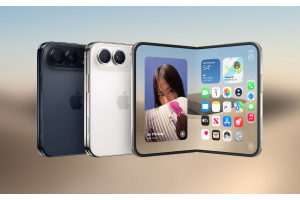
Rumors suggest that this 20th anniversary iPhone could finally achieve a bezel-free design with a display that curves around all four edges of the device. This would represent one of the most significant design shifts since the iPhone X, transforming the look and feel of the device entirely. While Bloomberg has suggested this will simply be the iPhone 19 Pro, others believe its historic significance could earn it its own unique name.
From iPhone to Vision Air: A Shared Future
The same display technology is also rumored to be used in the Vision Air, the more lightweight and consumer-friendly version of the Vision Pro. A CoE display would be crucial for the Vision Air, as it would enable a thinner and lighter design while improving the visual quality for a more immersive experience. The ability to increase brightness and reduce power consumption would directly address two of the biggest hurdles facing modern AR/VR headsets.
Ultimately, this report paints a picture of a future where Apple's most premium devices are powered by a shared, advanced display technology, pushing the entire industry forward and bringing us one step closer to the all-glass device that has long been a dream of its designers.
- iPhone 2027
- Vision Air
- CoE display
- iPhone 20th anniversary
- Samsung CoE
- bezel-free iPhone
- Jony Ive