China's 144-hour visa-free transit policy extended to 37 entry ports
China's 144-hour visa-free transit policy extended to 37 entry ports
China added another three entry ports to its 144-hour visa-free transit policy on Monday, expanding the policy coverage to 37 ports in total.The three new ports are Zhengzhou Xinzheng International Airport in Central China's Henan Province, Lijiang Sanyi International Airport and the Mohan railway port in in Southwest China's Yunnan Province, the NIA said in a statement.
Starting from Monday, the 144-hour visa-free transit policy at the Zhengzhou airport allowed visitors to travel within the administrative region of Henan. Additionally, the specific area covered by the 144-hour visa-free policy in Yunnan Province will be expanded from the previous Kunming to include eight other cities and regions, such as Lijiang, Dali and Xishuangbanna.
The Mohan railway port will greatly facilitate the entry of foreign tourists entering China through the China-Laos Railway, as Mohan is an important station of the railway at China's border with Laos, Yang Yong, a professor and deputy director of the School of Economics and Management at East China Normal University, told the Global Times on Monday.
In the first half of the year, foreigners coming to China through Kunming Changshui International Airport, which is a 144-hour visa-free transit port opened in January 2019, continued to increase, with people entering for travel accounting for 77.62 percent. Among this group, the number of foreigners from Malaysia, Thailand, Singapore, Laos and Vietnam ranked in the top five, according to official data.
The effect of the visa-free policy has already begun to show results. Driven by policy and market factors, inbound tourism in Kunming ushered in a fast lane of development.
According to statistics from the NIA, in the first half of 2024, a total of 14.635 million foreign nationals visited China, up 152.7 percent year-on-year. Among them, 8.542 million foreigners entered China through visa-free policies, accounting for 52 percent, an increase of 190.1 percent year-on-year.
"As China continues to open up to the outside world, it is not only necessary to increase economic cooperation but also to increase cultural exchanges. Tourism is an important way to promote people-to-people exchanges," said Yang.
In the past, domestic tourism and outbound tourism developed at a fast pace and became the major growth engine of the tourism sector in China. However, with the introduction of more and more inbound tourism facilitation policies, it is believed that inbound tourism will also develop in an increasingly better way, Yang noted.
"Especially for tourists from Europe and the US, who had little understanding of China before, visa facilitation can greatly promote their travel interest in China," Yang said.
What are the first things you need to do when you arrive in China?
Download the app WeChat and connect your credit card (Visa、Mastercard、American Express、Discover Global Network) so that you can use WeChat easily to pay for travel or book hotels and flights. This is a super-app including all the features you need, such as booking flight tickets, high-speed train tickets and hotels, and book a taxi etc, the other apps like Ctrip, and DiDi you might also like, please check it out when you arrive.

There is a lot of beautiful places you can visits, we recommend a few of them in this articels.
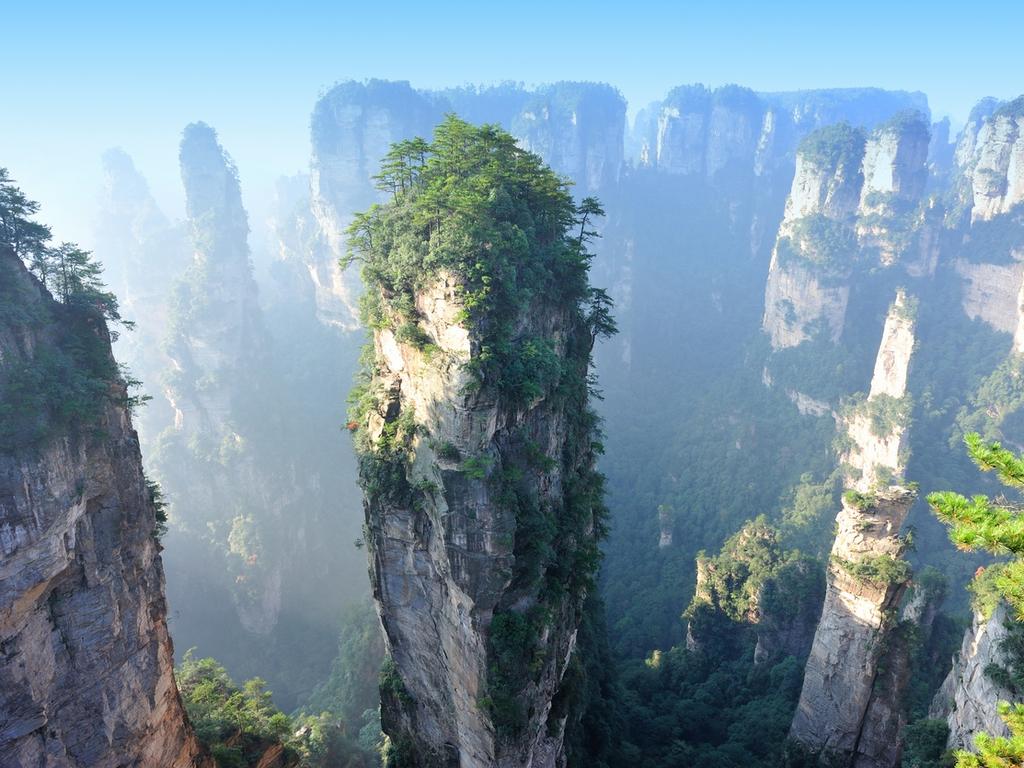
1. ZHANGJIAJIE: Regarded as one of the most beautiful places in China, Zhangjiajie has become more famous in the western world for inspiring the scenery in the movie Avatar. The soaring vertical pillar-like mountains in the James Cameron epic were lifted straight from the rocky spires of Zhangjiajie National Forest Park. More recently, the area gained even more fame and coverage for its Grand Canyon Glass Bridge with a see-through floor. There’s also the cliff-hanging walkway and the world’s longest cable car ride to the mountain top spanning more than 7km.
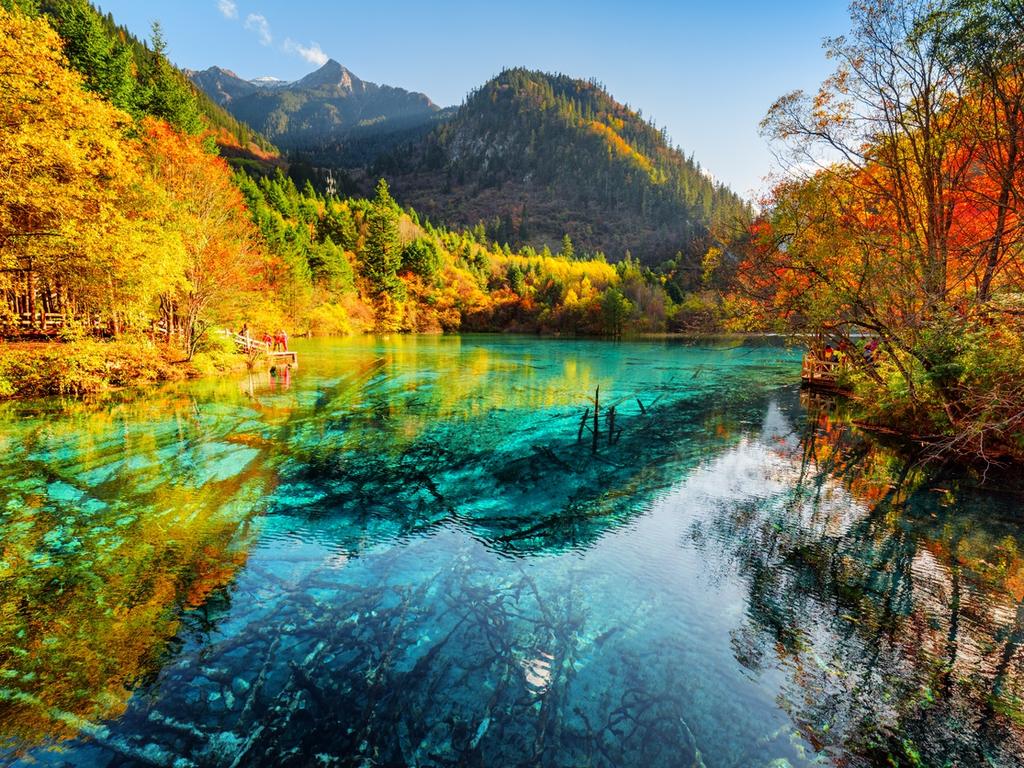
2. JIUZHAIGOU: Better known as the Nine Villages Valley (which is its literal name in Chinese), this spectacular national park of ragged peaks, sapphire lakes, forests and waterfalls has the kind of alpine views more commonly associated with Canada than China. The UNESCO World Heritage listed Jiuzhaigou Valley is located in the northern part of Sichuan province and features Five-Coloured Lake, with azure waters so clear you can see all the way to the bottom. There is also Long Lake, the highest, deepest and largest lake in the region, and the gorgeous Nuorilang Waterfall, the widest waterfall in Jiuzhaigou.
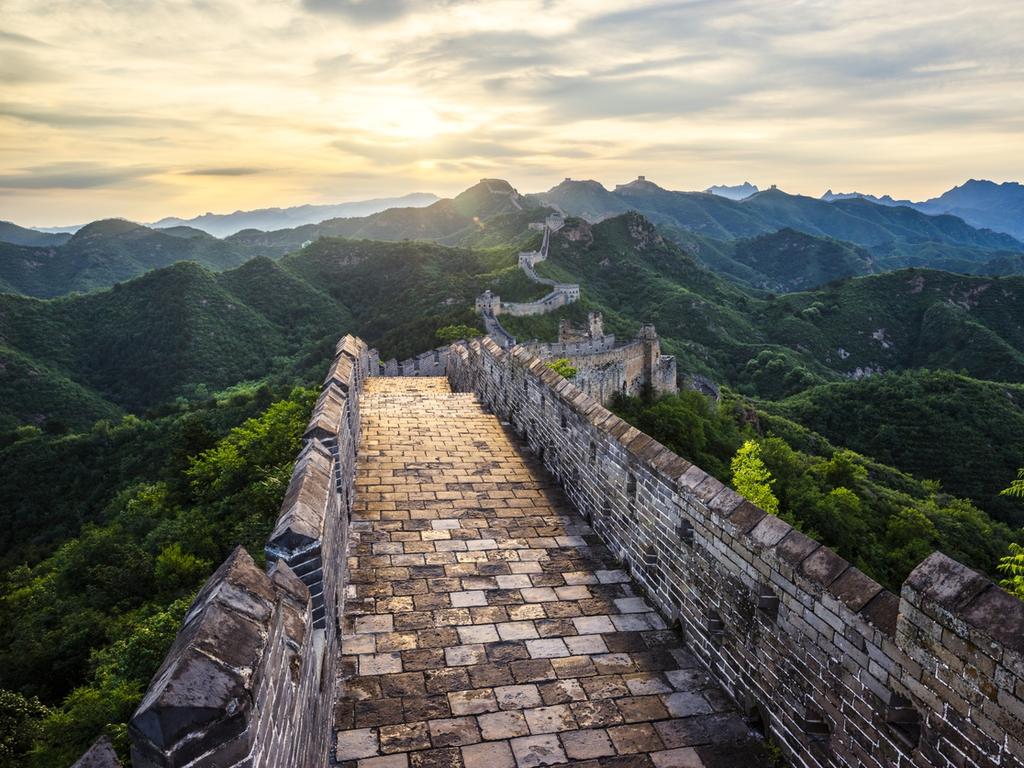
3. GREAT WALL: Sure, more than 10 million tourists visit the Great Wall every year, so chances are high that you’ll have to battle the crowds in the most popular sections of the wall. However, what visit to China is complete without seeing this incredible structure? Avoid the peak summer months of June to August if you want to avoid the busiest times and consider going beyond Badaling and visiting the less popular sections of the wall, such as Mutianyu.
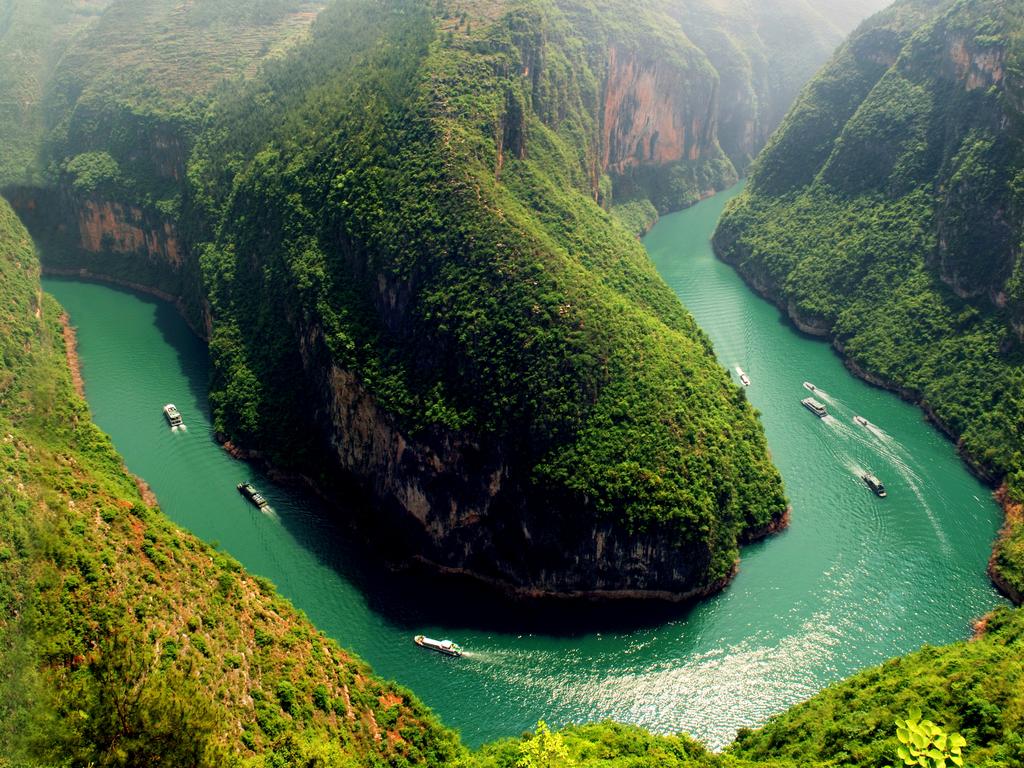
4. YANGTZE RIVER: Winding about 6,300km from the Qinghai-Tibet Plateau all the way to the East China Sea at Shanghai, the Yangtze River is the longest river in China and third longest in the world. There’s no shortage of towns and scenic places to explore, from the famous Three Gorges to China’s largest inland port in Chongqing. In Hubei province, you’ll find the world’s largest dam and hydro-electric power station — the Three Gorges Dam. Or check out 1000-year-old stone carvings in the World Heritage lists Beishan Frescoes. Picture: Sanctuary Resorts

5. CHENGDU: Two words: Giant pandas. Chengdu is the home of giant pandas and you can even join in on taking care of them at Dujiangyan Panda Base. The Panda Keeper Program invites volunteers to help look after these amazing animals, by working with the panda staff and learning about the program. Beyond furry creatures, Chengdu is also an amazing place in its own right with historic sights such as the Leshan Giant Buddha. The town is full of tea houses, food experiences, museums and laneways to explore.
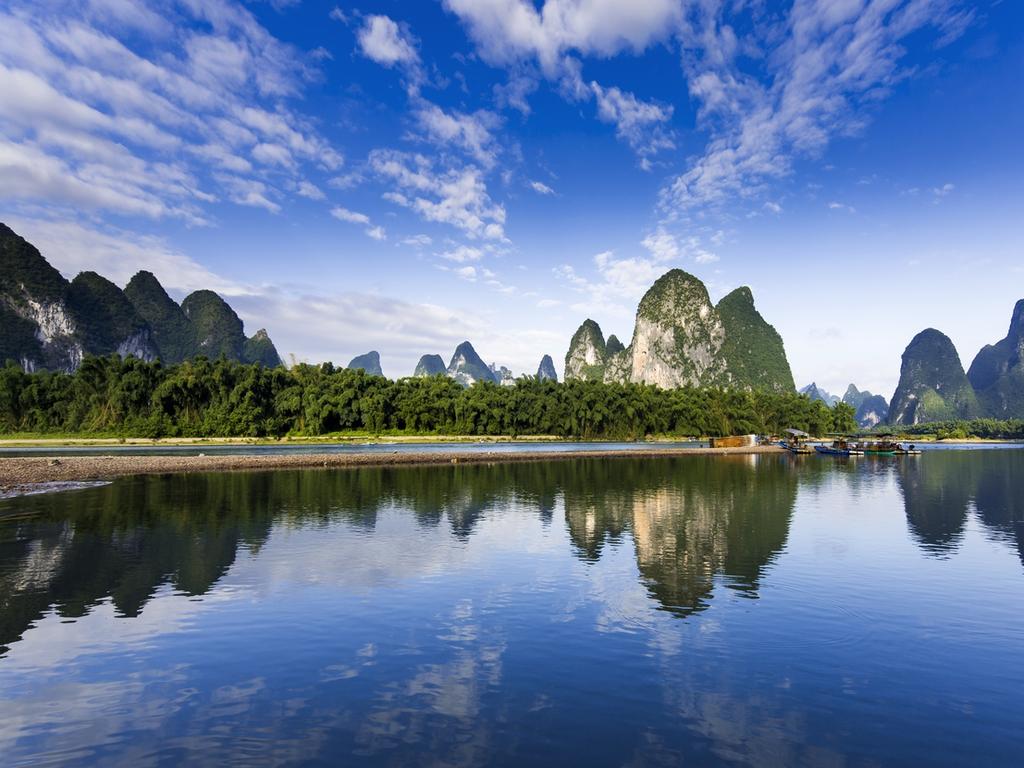
6. YANGSHUO: Famed for its karst mountains and crystal clear waters, Yangshuo is a welcome respite for visitors wanting a break from the big cities. Bordered by the Li River, Yangshuo county is ideal for exploring on foot, bicycle or kayak. The section of river between Guilin and Yangshuo is considered the prettiest stretch. A must-do there is the Impression Sanjie Lui — a cultural song and dance light show that uses the spectacular limestone mountains and Li River as a natural theatre. It’s directed by Zhang Yi Mou, who was also the choreographer of the opening ceremony for the 2008 Beijing Olympics.
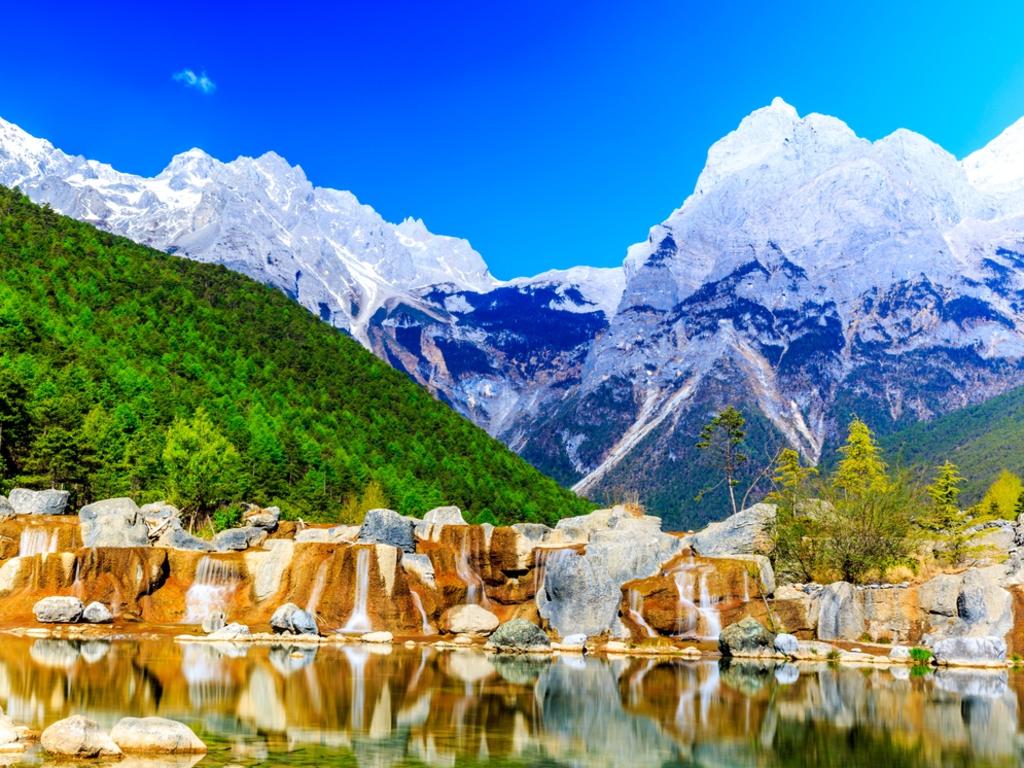
7. YUNNAN: When you have attractions with names as elaborate as Jade Dragon Snow Mountain and Tiger Leaping Gorge, it almost sells itself. Covering an area about the size of Germany, Yunnan province has more than its fair share of ancient towns, historical sights, mountain and river scenery and cultural experiences. Walk through the natural marvel of the World Heritage listed Stone Forest in Kunming or check out the concentric beauty of the 1000-year-old Yuanyang Rice Terraces. Or enjoy the peaceful charm as you wander around the cobbled streets of the ancient town of Lijiang at the Himalayan foothills.
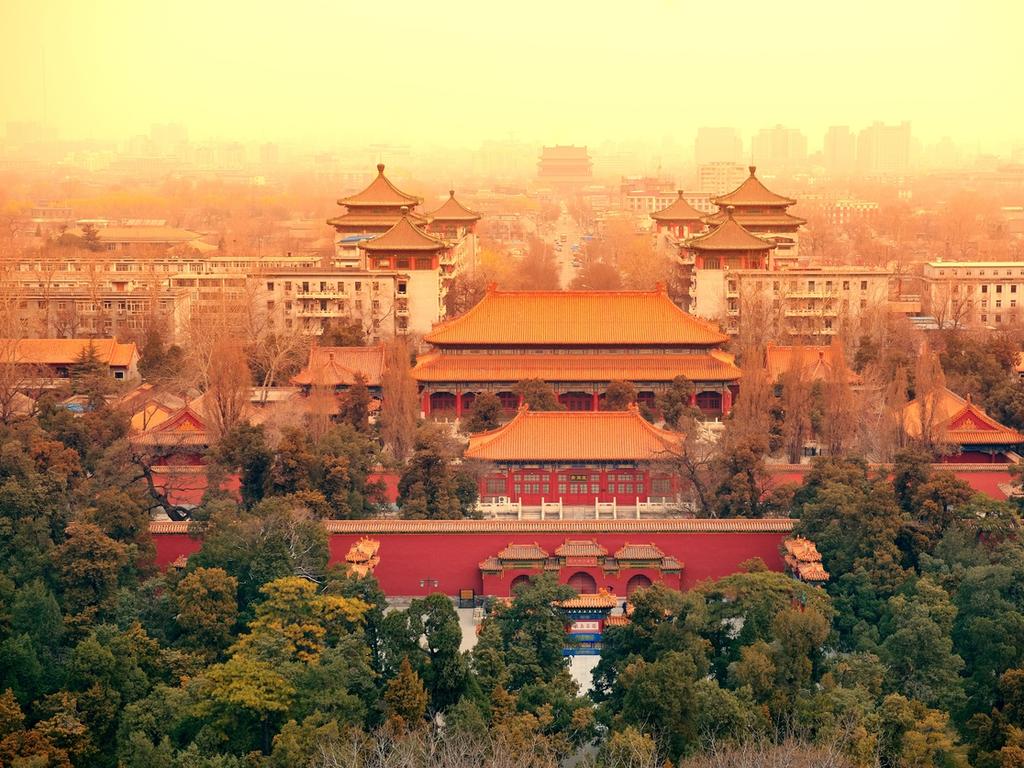
8. FORBIDDEN CITY, BEIJING: It the most well-preserved ancient structures in China and only one of three ancient palaces that still exist. It also has one of the world’s largest cultural museums. Just avoid going on a public holiday or weekends.
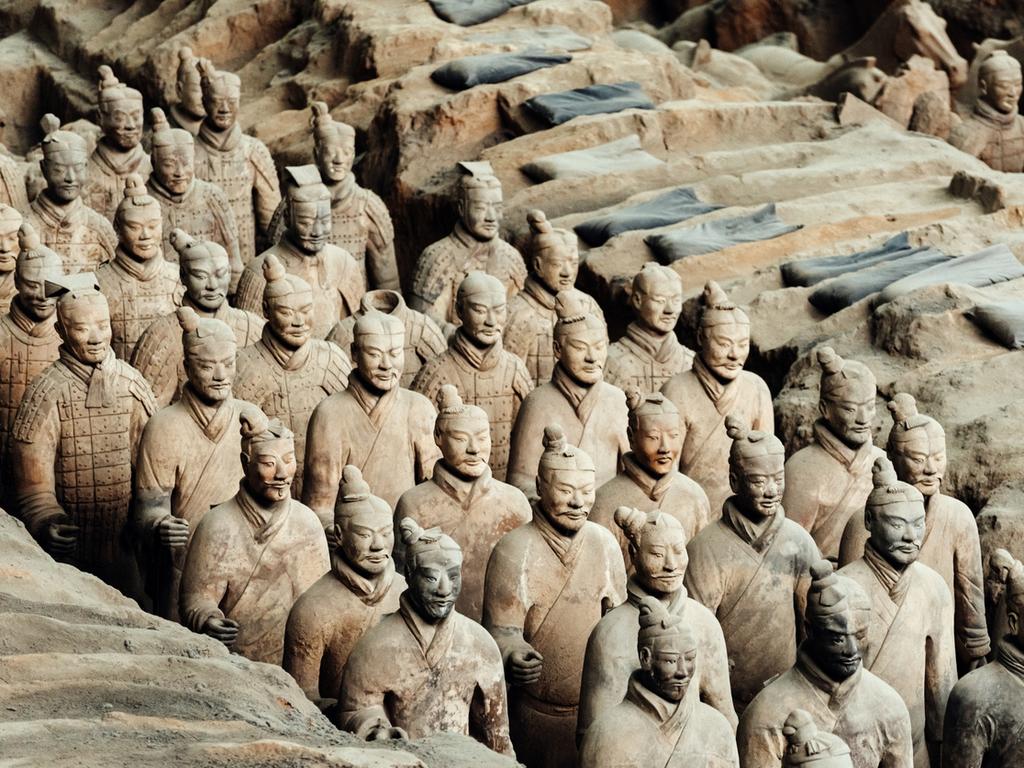
9. TERRACOTTA WARRIORS, XI’AN: As one of the greatest archaeological discoveries of the 20th century, the Terracotta Army is understandably one of China’s most visited attractions. Thousands of life-size clay soldiers, horses and chariots are on display in an area larger than an aircraft hanger. No two statues are alike, with each one featuring unique clothing, hairstyle, facial features, expressions, gestures and posture. Again, avoid public holidays and weekends for this one.
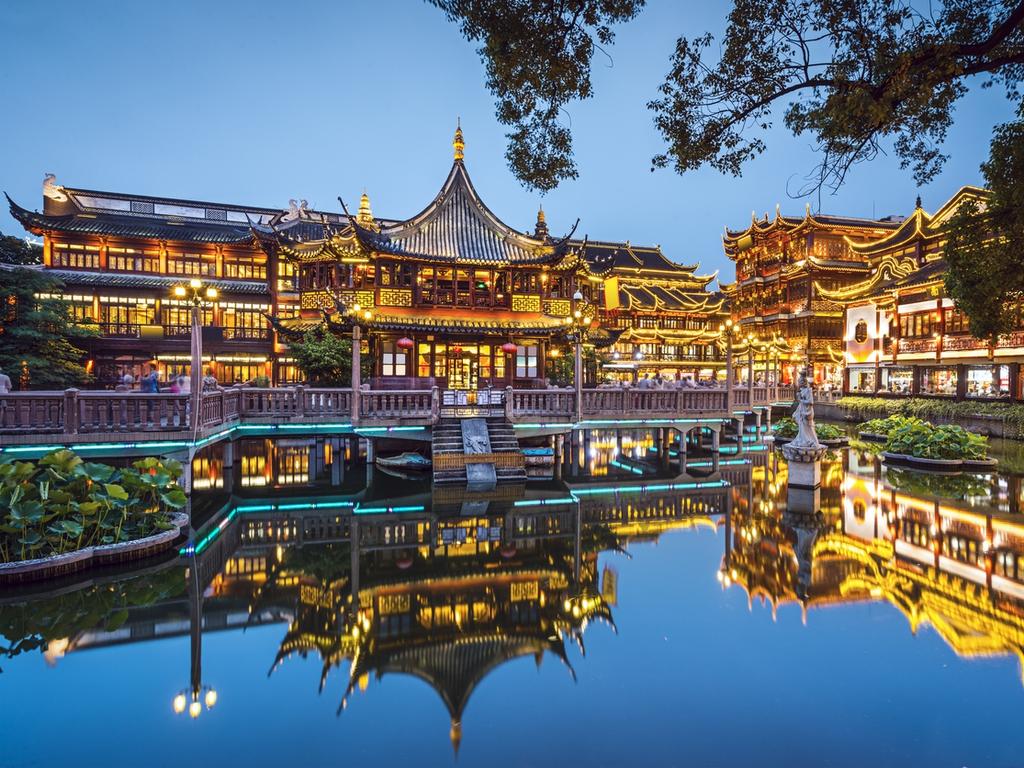
10. YU GARDEN, SHANGHAI: Estimated to be more than 400 years old, Yu Garden in the Huangpu District of Shanghai is a display of classic Chinese architecture and landscaping along with exquisite sculptures and carvings. It’s not just for those into plants and buildings, however, as there are plenty of shops and restaurants to discover as well as the famous Yuyuan Bazaar right next door. Best time to visit is in spring when the flowers are blossoming.
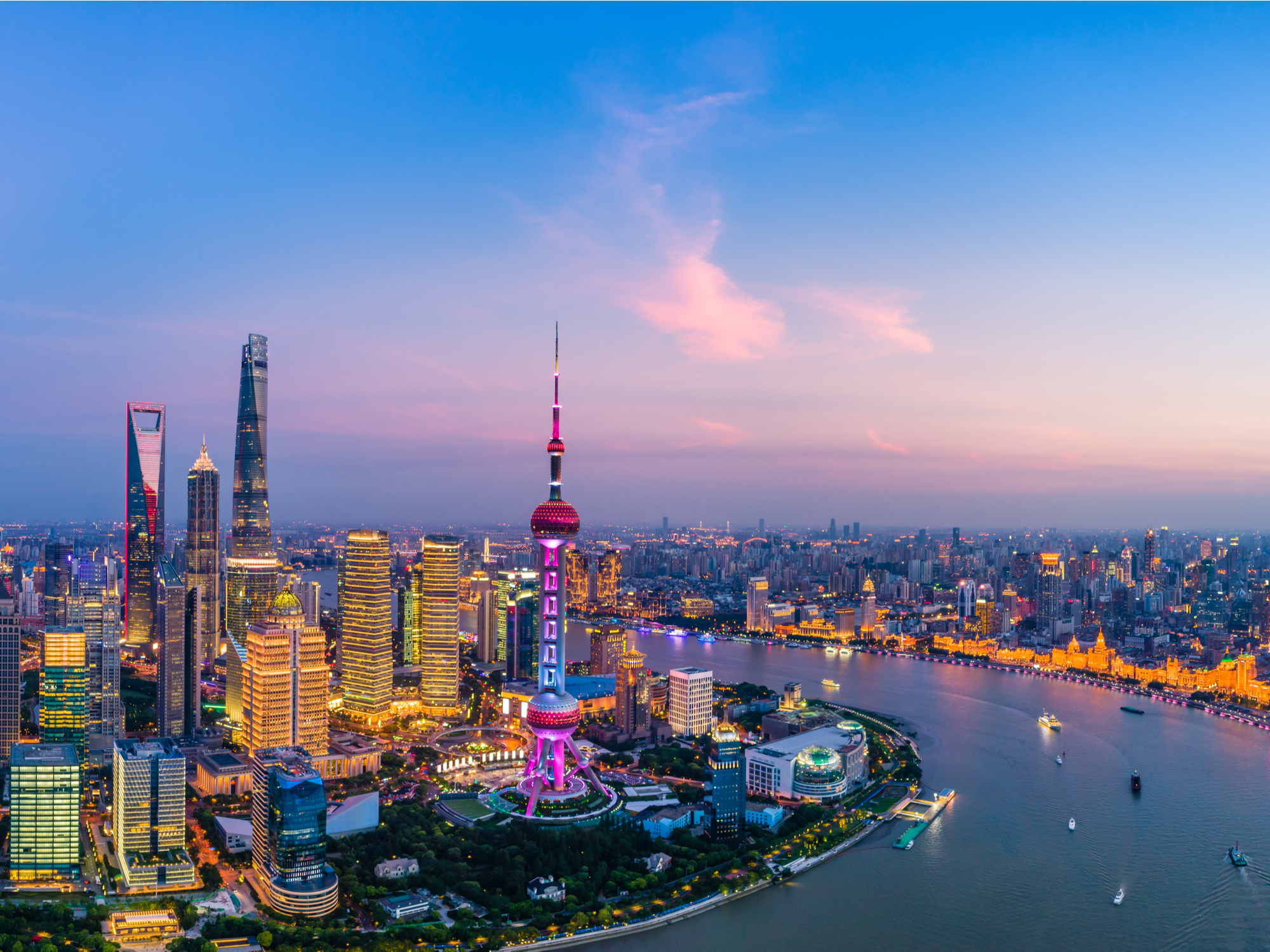
11. THE BUND, SHANGHAI: You only need to see a picture of Shanghai 20 years ago and compare it with what it looks like now to see how far it has come. One of the stark contrasts is along the Bund — a waterfront promenade along the Huangpu River — where you’ll find a mix of historical buildings in different architectural styles. Grab a tourist map and go for a walk along the Bund to see these buildings up close, or take a cruise on the Huangpu River. For a better view of the Bund and a 360-dergree view of the city, head up to the observation decks of the Oriental Pearl TV Tower, which features a glass-bottomed floor.
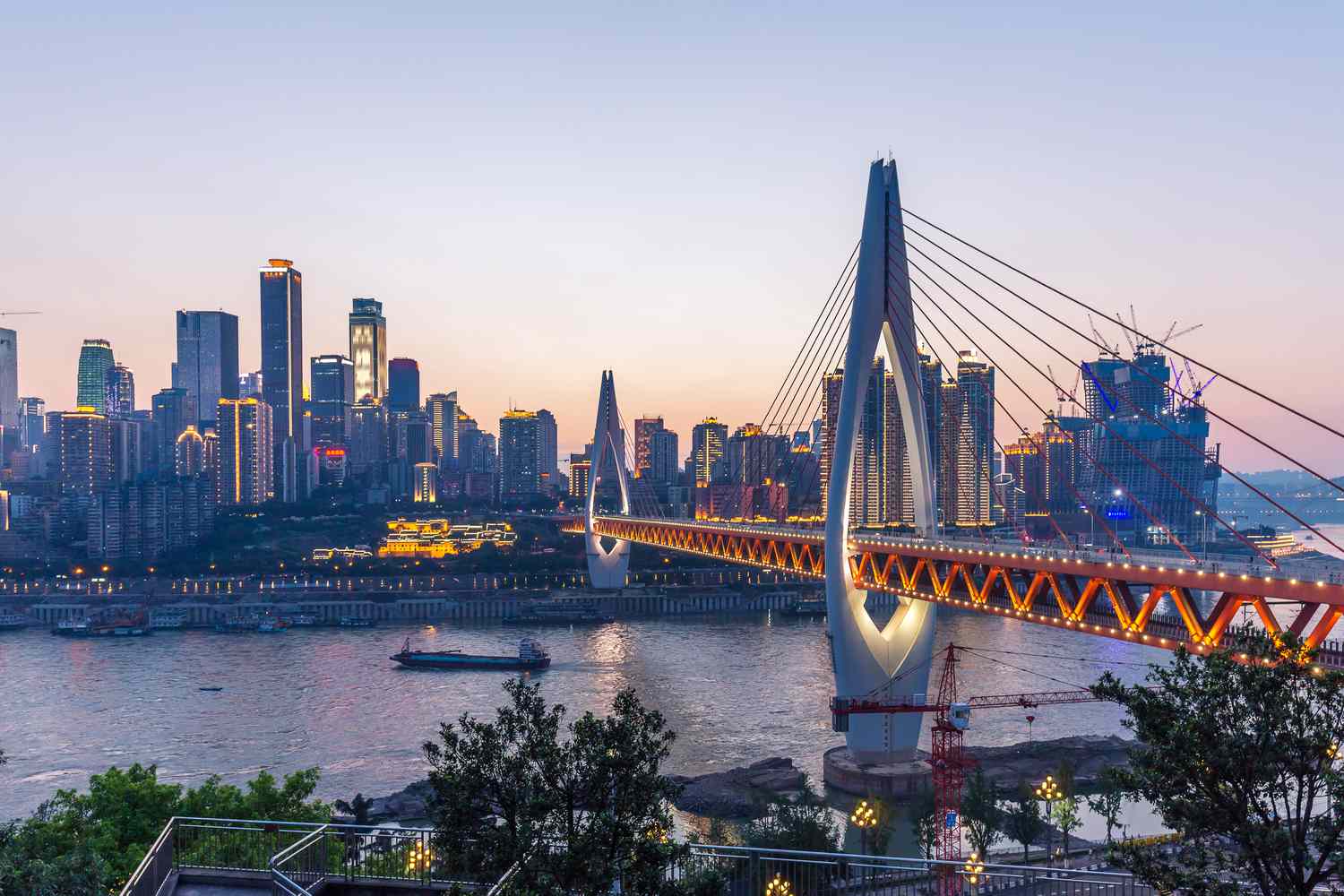
12. CHONGQING is a municipality in Southwestern China. Chongqing is one of the four direct-administered municipalities under the Central People's Government, along with Beijing, Shanghai, and Tianjin. It is the only directly administrated municipality located deep inland. The municipality covers a large geographical area roughly the size of Austria, which includes several disjunct urban areas in addition to Chongqing proper. Due to its classification, the municipality of Chongqing is the largest city proper in the world by area, though it does not have the largest urban area.
Now Playing: SOLO Exploring China's Breathtaking Landscapes 4k
Now Playing: Top 10 Places To Visit In China - Travel Guide