The iPhone Air: Apple’s Necessary Engineering Bridge to the Foldable Future
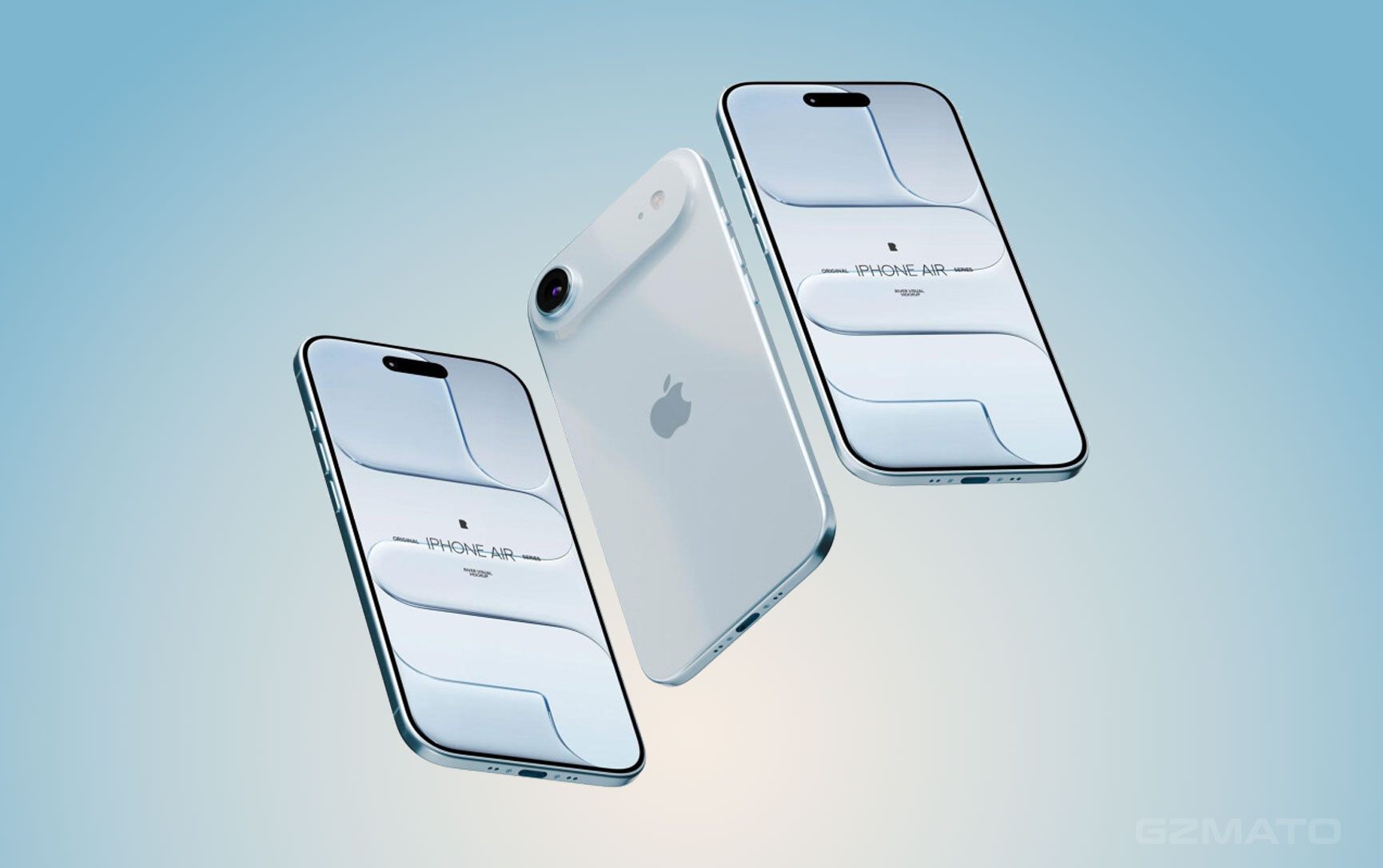
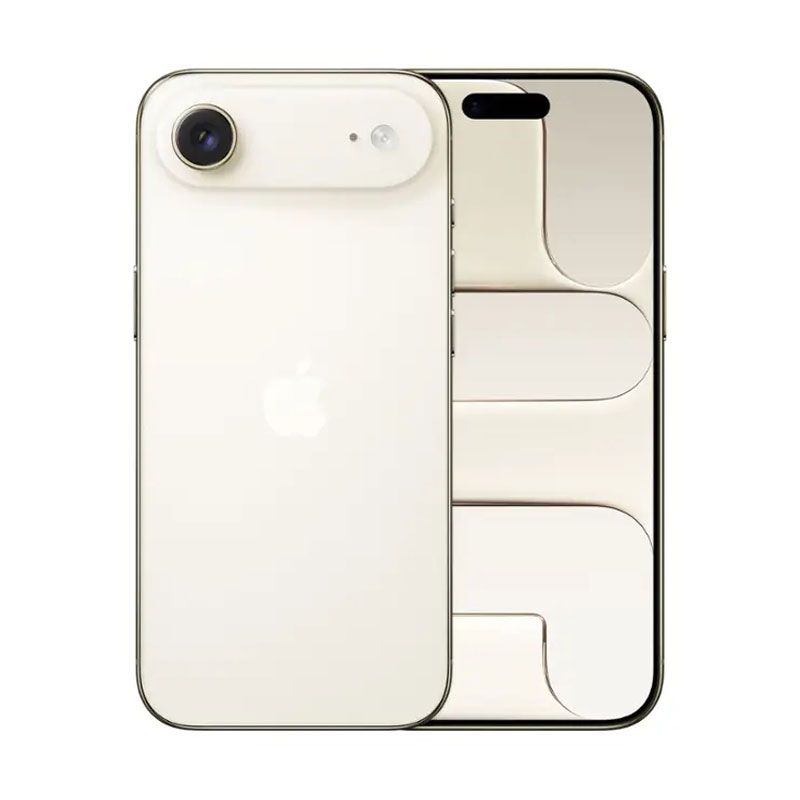
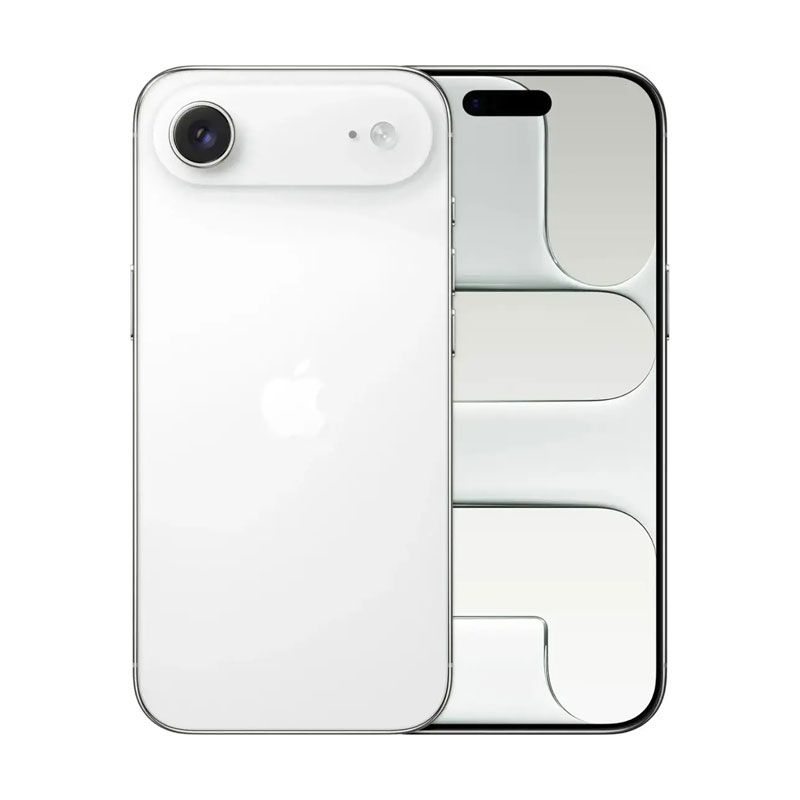
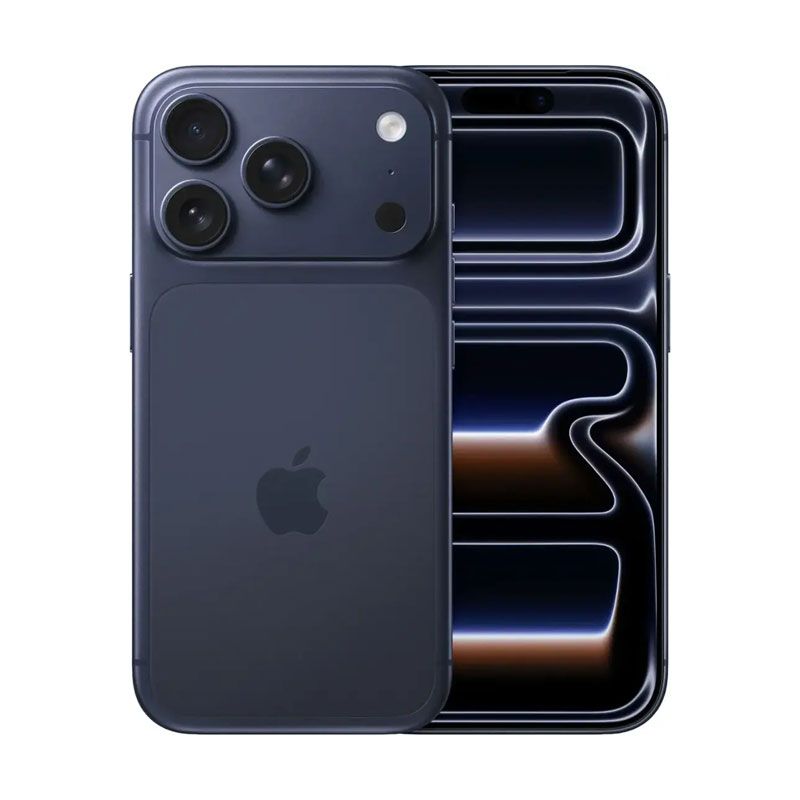
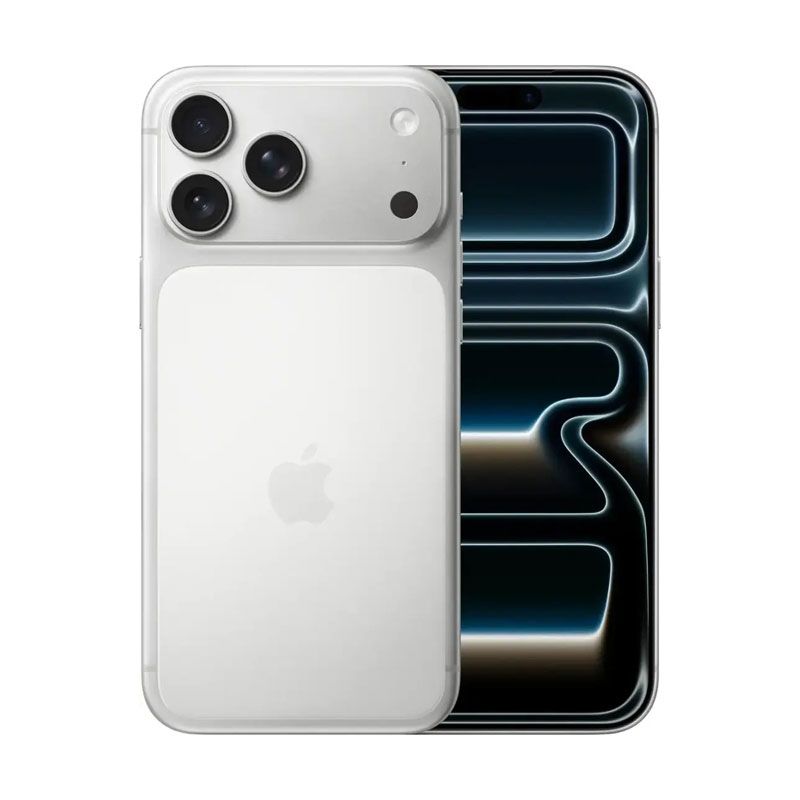
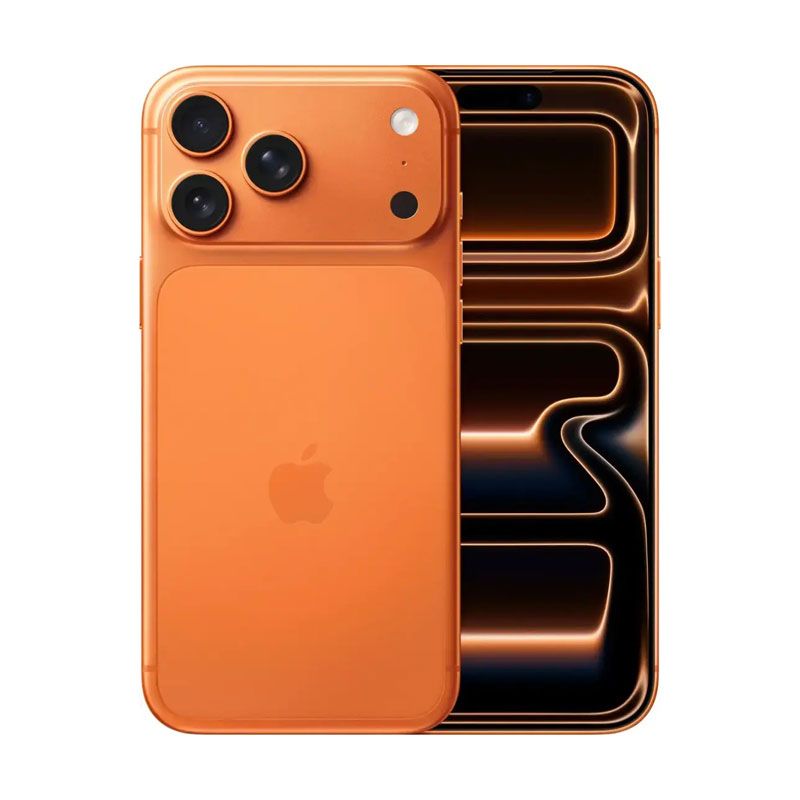
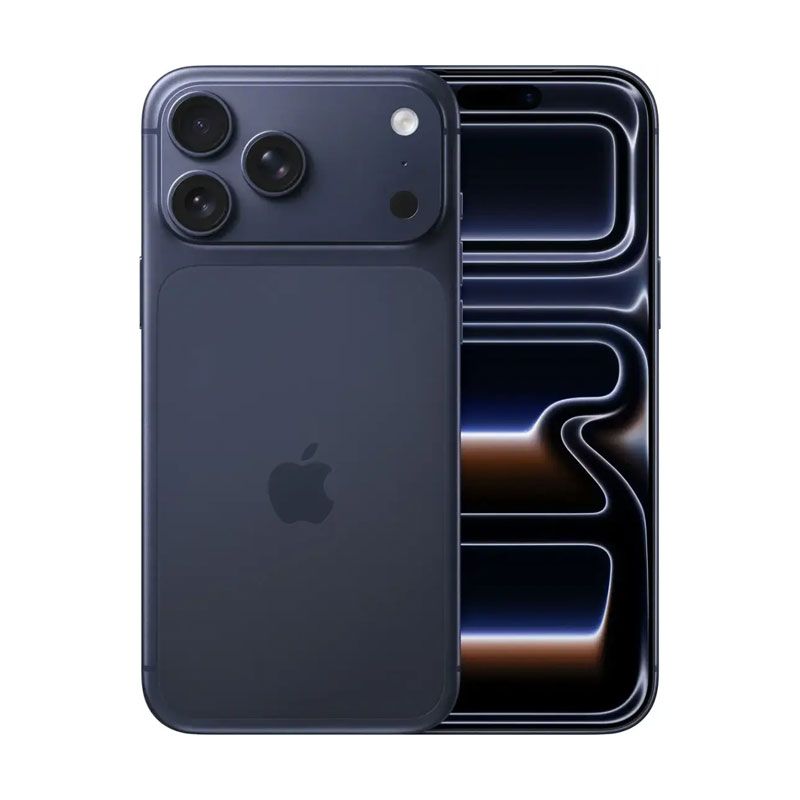
The launch of the iPhone Air, defined by its aggressive 5.6mm thinness and sophisticated titanium chassis, has been interpreted by many in the industry as Apple’s boldest design move in years. Our analysis suggests the Air is not merely a new model; it is a meticulously engineered technical bridge designed to solve the two biggest structural flaws of the current foldable market: excessive thickness and long-term durability.
The data points overwhelmingly indicate that the iPhone Air serves as the perfect half-unit for the rumored iPhone Fold.
I. Solving the Foldable's Thickness Problem
The most credible analyst reports consistently describe the future Foldable iPhone (expected 2026/2027) as resembling "two titanium iPhone Airs side-by-side." This is the core of the Air’s strategic significance.
Current "book-style" foldables often exceed 14mm in thickness when closed, making them cumbersome. Apple, typically entering a market late but aiming to define the premium standard, needed to shrink the base unit first.
| Design Metric | iPhone Air (Base Unit) | Foldable iPhone Goal (Approx.) | Engineering Challenge Solved by Air | Market Implication |
|---|---|---|---|---|
| Thickness (Single) | Approx. 5.6mm | Approx. 4.5-4.8mm (Unfolded) | Validating ultra-thin battery, cooling, and component stacking. | Sets the standard for next-gen thinness in the industry. |
| Thickness (Folded) | N/A (Straight Bar) | Approx. 9.0-9.5mm | Achieving a folded thickness significantly thinner than competitors (which often exceed 11mm). | Eliminates the primary consumer pain point of current foldables. |
| Frame Material | Titanium Alloy | Titanium/Liquid Metal Hinge | Testing durability, weight reduction, and machining precision for complex metal structures. | Ensures superior structural integrity for the delicate hinge mechanism. |
| Internal Layout | Components stacked under a minimized "plateau" | Miniaturization for two-piece architecture | Mastering component shrinkage for limited internal volume. | Enables feature parity despite size constraints. |
By successfully launching the iPhone Air at an unprecedented thinness, Apple has validated its ability to create the necessary internal volume constraints that will allow the Foldable iPhone to remain svelte even after adding a hinge mechanism and dual screens.
II. Supply Chain Signals and Technology Precursor
The supply chain movements provide concrete evidence of the link between the Air's design and the Foldable's requirements.
1. The Display Upgrade
Analysts suggest that Apple is pushing for a virtually crease-free inner display, a critical differentiator for the Foldable. To achieve this, Apple is reportedly demanding a proprietary in-cell flexible OLED solution from suppliers like Samsung.
- The in-cell technology embeds the touch sensors deeper into the screen, making the entire display module thinner and less prone to visible creasing. The iPhone Air's refined display stack is widely viewed as a preparation and test run for scaling this delicate, space-saving technology.
2. Trading Biometrics for Thinness
The pursuit of thinness requires design compromises. Rumors suggest the Foldable iPhone may ditch Face ID for a Touch ID sensor integrated into the power button—a component choice that frees up precious internal space.
The Air’s entire internal layout—especially how it manages components like the A-series chip and advanced camera sensors beneath a minimized "plateau"—is a blueprint for the extreme miniaturization needed for the Foldable's two-piece architecture. The technology tested in the Air minimizes the components required per side of the Foldable.
III. Market Feedback and New Pricing Tier
Beyond engineering, the iPhone Air serves a crucial market intelligence function.
The Air is positioned at the absolute premium tier, likely priced at or above the Pro Max model, testing the consumer's willingness to pay a significant premium for design and form factor alone, even if it entails potential compromises on battery size or maximum camera specs.
The Foldable iPhone is projected to launch at a price point of $2,000 or more. By introducing the Air, Apple is conditioning the market for an extremely high-cost, ultra-premium device whose primary value proposition is its uncompromised design elegance, paving the way for the even more expensive and complex Foldable to follow.
Conclusion:
The iPhone Air is far from a standalone product; it is the foundation. It allowed Apple to master the engineering disciplines of ultra-thinness, titanium construction, and advanced internal component stacking without the variables of a flexible screen and hinge. This groundwork ensures that when the Foldable iPhone does arrive, it will immediately differentiate itself from competitors by being the slimmest and most structurally sound device in the market—a true flagship product that begins with the Air's elegant form.


- iPhone Air
- Foldable iPhone
- iPhone Fold
- Apple foldable design
- titanium chassis
- ultra-thin phone
- Apple supply chain
- design strategy