iPhone Duo vs. Galaxy Z Fold8: Two Passport Foldables, Two Philosophies

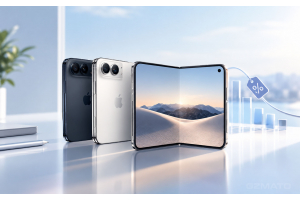
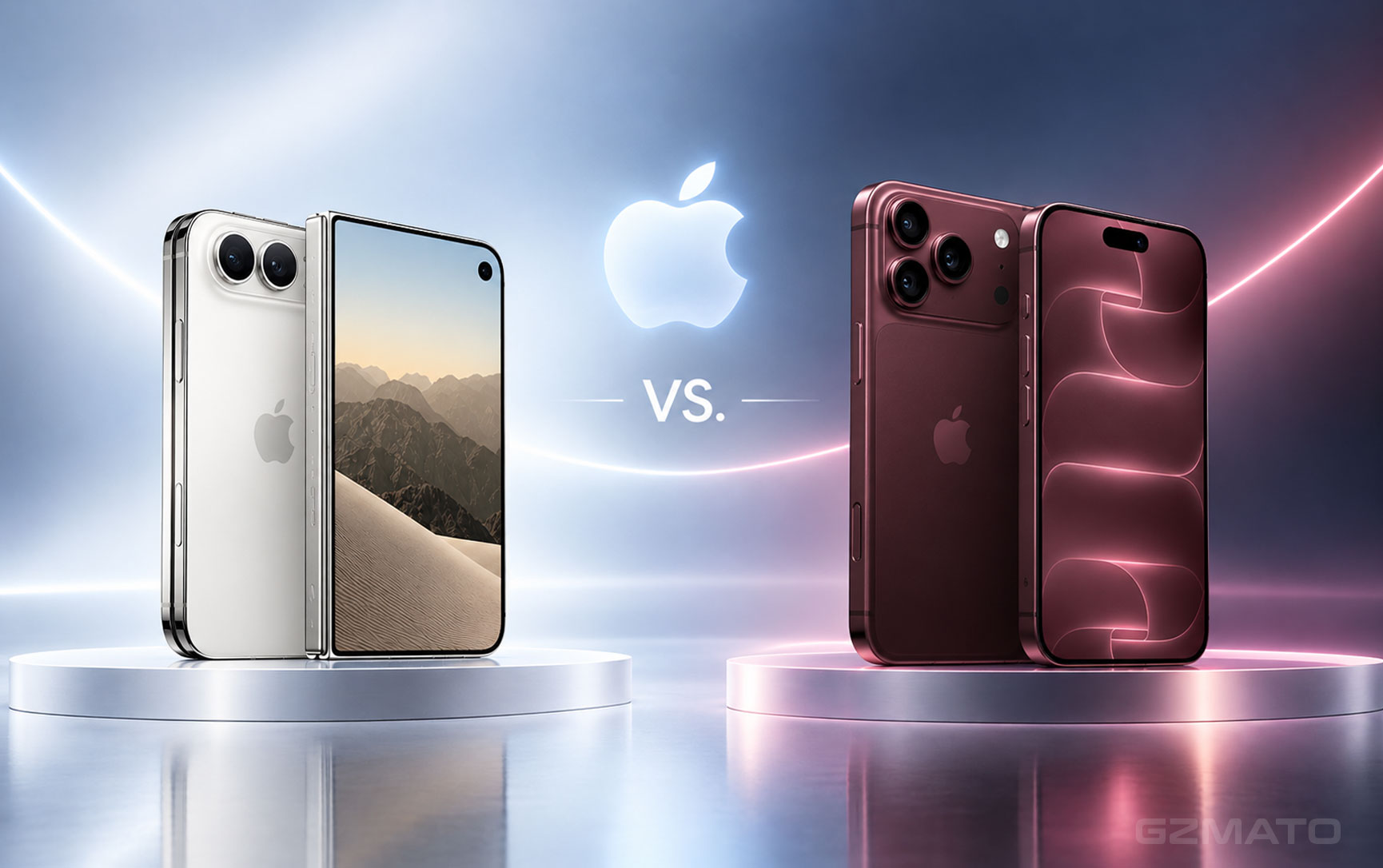
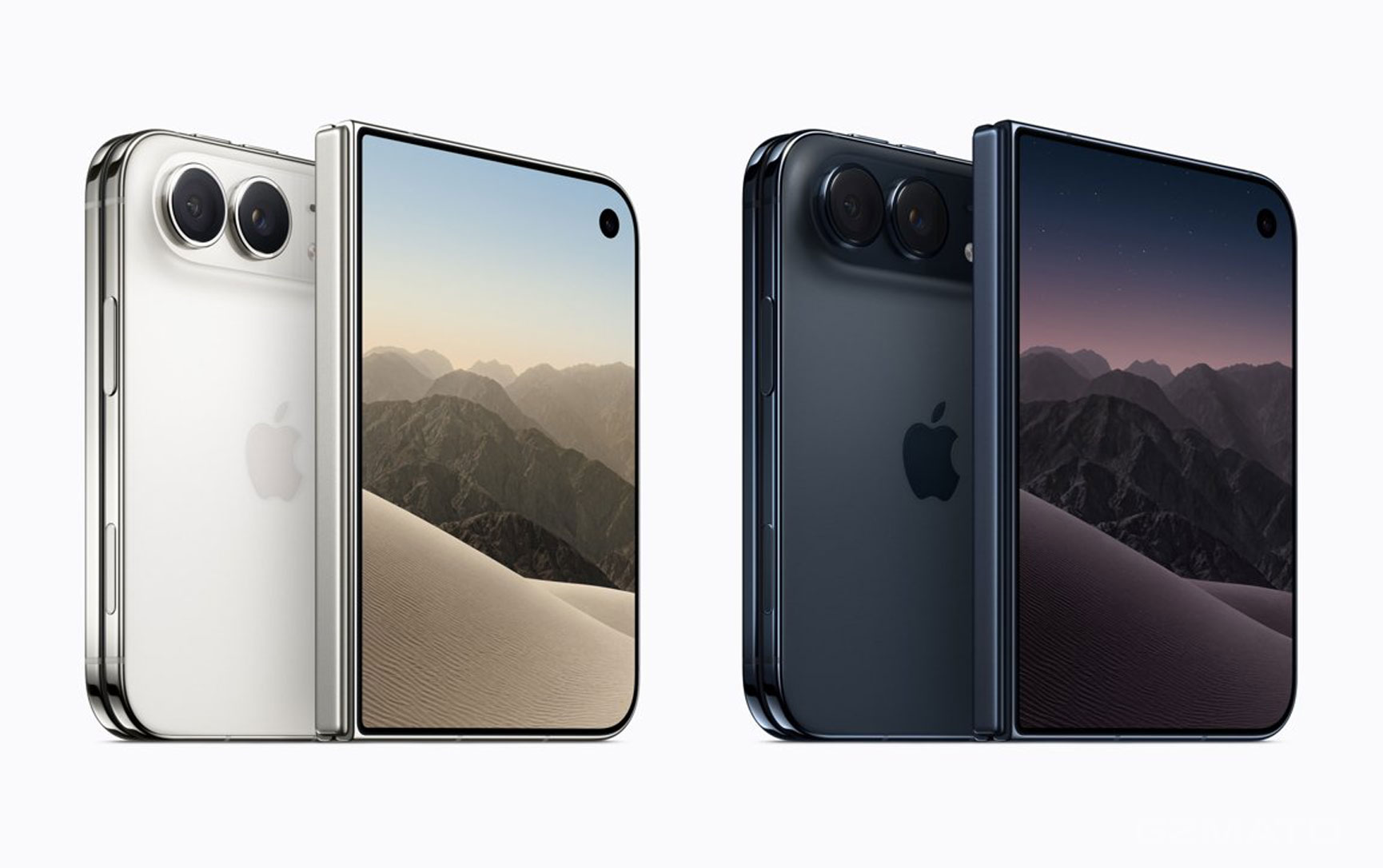
September 11, 2026 — For the first time in the history of foldable phones, two of the world's biggest tech companies have converged on the same form factor. Apple's iPhone Duo and Samsung's Galaxy Z Fold8 both use a short, wide "passport-style" design — a deliberate departure from the tall, narrow foldables that dominated the category's first seven years .
But the similarities end at the shape. These two devices represent fundamentally different ideas about what a foldable phone should be — and which trade-offs are worth making.
Design Philosophy: Software Polish vs. Engineering Maturity
The most revealing difference between the iPhone Duo and Galaxy Z Fold8 isn't in their spec sheets — it's in what each company chose to prioritize .
iPhone Duo: The Software-First Foldable
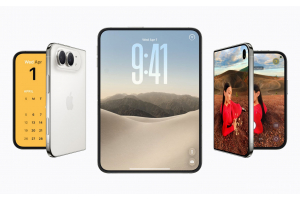
Apple's approach is unmistakably software-led. The company spent the bulk of its keynote demonstrating how iOS 27 adapts to the foldable form factor — not listing hardware specs .
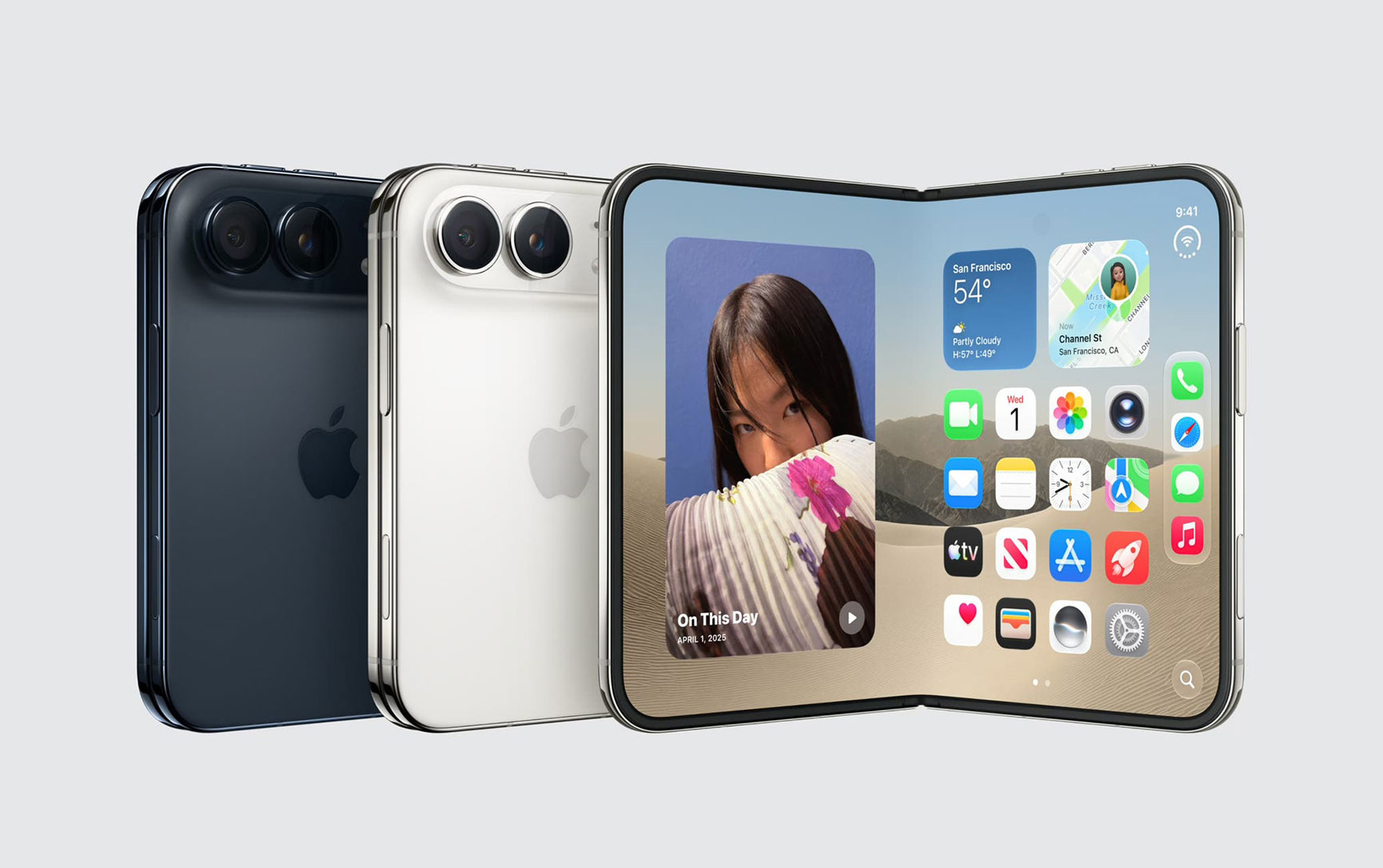
The centerpiece is the nano-texture glass on the inner display. First used on Apple's Pro Display XDR, this matte finish dramatically reduces light reflection, making the crease almost invisible when the screen is on . The effect is amplified by a custom optical adhesive that allows the OLED layers to slide slightly during folding, reducing stress accumulation .
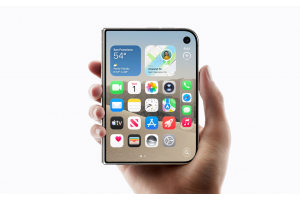
Equally important is the Dock repositioning. When unfolded, the Dock, app toolbars, and status icons move to the right side of the screen — a vertical arrangement that maximizes usable horizontal space in the wide-screen mode. No other manufacturer has attempted this .
Apple's pitch is simple: the hardware exists to serve the software experience, not the other way around.
Galaxy Z Fold8: The Engineering-First Foldable
Samsung's approach is equally distinct. After eight generations of foldables, the company's focus is on physical refinement — and it shows .
The Fold8 weighs just 201 grams, making it lighter than most traditional flagship phones, including the iPhone 18 Pro Max (249g) and the iPhone Duo (254g) . It is also thinner when folded: 9.7mm vs. the Duo's 11.3mm .
This isn't just about numbers. In daily use, the Fold8 feels like a regular phone that happens to unfold — a remarkable engineering achievement. The iPhone Duo, by contrast, feels like a foldable device that you're always aware of holding .
Samsung's Flex Titanium display and advanced hinge mechanism reflect years of iteration. The Fold8 is the product of a company that has been building foldables since 2019 and has learned from every generation .
Five Real-World Scenarios
Spec sheets tell you what's inside. These five scenarios tell you what it's like to live with each phone.
Scenario 1: One-Handed Use & Portability
| Metric | iPhone Duo | Galaxy Z Fold8 |
|---|---|---|
| Weight | 254g | 201g |
| Folded Thickness | 11.3mm | 9.7mm |
| Unfolded Thickness | 5.2mm | 4.5mm |
The Fold8's 53g advantage is immediately noticeable. At 201g, it's lighter than the iPhone 18 Pro Max and nearly identical to the Galaxy S26 Ultra. You can use it one-handed without fatigue, and it slips into a pocket without the "brick" feeling that heavier foldables often have.
The Duo, at 254g, is heavier than any iPhone ever made. That weight is distributed across a wider body, which helps, but there's no hiding the fact that it's a substantial device .
For anyone who values portability and comfortable one-handed use, the Fold8 is clearly superior. This is Samsung's biggest hardware advantage.
Scenario 2: Media & Entertainment
Both phones have 7.6-inch inner displays, but the experience differs in two important ways: anti-glare and aspect ratio.
The Duo's nano-texture finish is a genuine advantage outdoors. In bright sunlight, the matte surface scatters light instead of reflecting it, making the screen far more readable than the Fold8's glossy panel .
The Fold8's inner display uses a 4:3 aspect ratio (2448×1848), which is closer to traditional tablet dimensions. When watching 16:9 video content, this means smaller black bars than the Duo's wider, shorter screen .
The Duo wins for outdoor readability thanks to its anti-glare finish. The Fold8 wins for video content with less letterboxing. Your choice depends on where and how you watch.
Scenario 3: Multitasking
Both devices support split-screen multitasking, but with different limits.
The Duo supports two apps side-by-side when unfolded, with a clean, iOS-style interface. Apple's approach prioritizes simplicity — two apps, each getting half the screen, with easy drag-and-drop between them .
The Fold8 supports up to three apps in a grid layout, a feature Samsung has refined over eight generations. For power users who need to reference a document while writing an email and checking a calendar, the extra pane is genuinely useful .
Samsung's three-app multitasking is more flexible, though the Duo's two-app experience is more polished. If you're a heavy multitasker, the Fold8 wins.
Scenario 4: Stylus & Productivity
This is where the Duo pulls ahead decisively .
The iPhone Duo supports Apple Pencil (USB-C) on both the inner and outer displays. You can take notes, sketch, annotate documents, and sign contracts — all without pulling out a separate tablet.
The Galaxy Z Fold8 does not support any S Pen. Samsung removed stylus support from the Fold8, a decision that has disappointed productivity-focused users. If you want a stylus experience on a Samsung foldable, you'd need to look at the Galaxy Z Fold8 Ultra or older models.
If stylus support matters to you, the Duo is the only option. This is a significant advantage for note-takers, artists, and professionals who sign documents on the go.
Scenario 5: Durability & Protection
Foldables have more moving parts than traditional phones, making durability a critical concern.
| Protection | iPhone Duo | Galaxy Z Fold8 |
|---|---|---|
| Water & Dust Rating | IP68 | IP48 |
| Water Immersion | 1.5m for 30 min | Splash resistant only |
| Dust Protection | Complete | Limited (particles >1mm) |
The IP68 rating is a major win for the Duo. It means the phone can survive accidental drops in water and, more importantly for foldables, is protected against dust and sand — the primary enemies of hinge mechanisms. The Fold8's IP48 rating offers no meaningful dust protection, which is a concern for anyone who lives near a beach or works in dusty environments .
IP68 vs. IP48 is not a small difference. For foldable phones, dust ingress is a real risk. The Duo's complete dust protection is a meaningful long-term durability advantage.
Pricing & Market Positioning
| Metric | iPhone Duo | Galaxy Z Fold8 |
|---|---|---|
| US Starting Price | $1,999 | $1,899 |
| China Starting Price | 15,999 RMB | 12,999 RMB |
| Price Difference | $100 / 3,000 RMB | |
| Storage Options | 256GB–2TB | 256GB–1TB |
| Software Updates | ~5 years (typical Apple) | 7 years (Samsung承诺) |
The Fold8 is cheaper in both markets — by $100 in the US and 3,000 RMB in China. That's a meaningful difference, especially considering the Fold8 has been on sale since August while the Duo doesn't ship until late October .
But price isn't the whole story. The Duo offers up to 2TB of storage, double the Fold8's maximum. For users who need massive local storage for photos, videos, and offline media, the Duo's top-tier configuration is the only option .
The Duo is Apple's first-generation foldable — an impressive debut but still a v1 product. The Fold8 is Samsung's eighth-generation foldable, refined over seven years of iteration. This maturity gap matters: Samsung has solved problems that Apple is encountering for the first time.
Who Should Buy Which?
| Buy iPhone Duo If You... | Buy Galaxy Z Fold8 If You... |
|---|---|
| Are deeply invested in the Apple ecosystem (Mac, iPad, Apple Watch, AirPods) | Value the lightest, most portable foldable experience |
| Need Apple Pencil support for notes, sketches, or document signing | Want to save $100 (or 3,000 RMB) without sacrificing flagship performance |
| Prioritize IP68 dust and water protection for long-term durability | Are a Samsung ecosystem user (Galaxy Buds, Galaxy Watch, SmartThings) |
| Need up to 2TB of storage | Want three-app multitasking for heavy productivity |
| Prefer a more polished, simplified software experience | Prefer deeper Android customization and Samsung's One UI features |
| Want seamless continuity between iPhone, iPad, and Mac | Want a proven, eighth-generation foldable with a longer track record |
- Want the lightest, most affordable foldable? → Galaxy Z Fold8
- Want stylus support, IP68, and Apple ecosystem? → iPhone Duo
- Want the most mature foldable engineering? → Galaxy Z Fold8 (8th gen)
- Want the most polished foldable software? → iPhone Duo
- Still unsure? → Ask us below
Final Verdict
Shop Foldables & Accessories at Gzmato
iPhone Duo | Galaxy Z Fold8 | Cases & Chargers | In Stock Soon
Special Offer: Use code TECH2026 for a discount on your first order!
Shop Now at GzmatoOur team can help you compare based on your specific needs — weight, camera, stylus, ecosystem, and budget. Chat with us or open a request.
- 9to5Mac — iPhone Duo vs. Galaxy Z Fold8 specification comparison, pricing, availability
- SamMobile — IP68 vs. IP48 comparison, Apple Pencil vs. S Pen support, missing Flex Mode on Fold8
- CNET — Design philosophy, nano-texture display, hinge technology
- Digital Trends — Multitasking comparison, software experience
- 三星官网 / Samsung Newsroom — Galaxy Z Fold8 official specifications
- 苹果官网 / Apple Newsroom — iPhone Duo official specifications
- 亚洲经济 — Market positioning, youth purchasing trends
- iPhone Duo vs Galaxy Z Fold8
- foldable comparison
- iPhone Duo
- Galaxy Z Fold8
- IP68 vs IP48
- Apple Pencil
- S Pen
- foldable phone buying guide
- Gzmato