iPhone Duo Hands-On: The Crease Is Almost Invisible, But the Camera Has One Regret
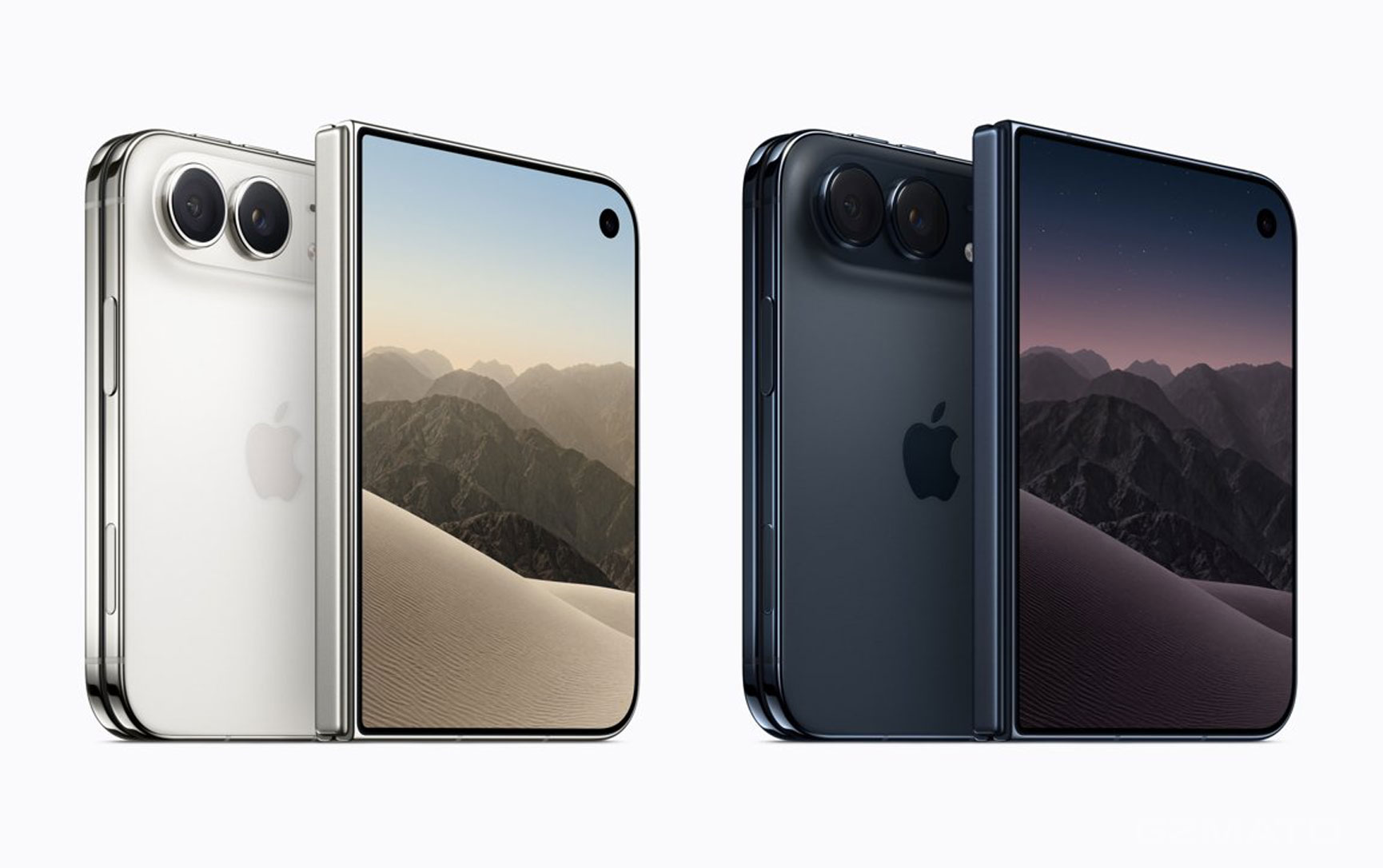
September 10, 2026 — The first hands-on impressions of Apple's foldable iPhone Duo are in, and the early verdict is surprisingly consistent: Apple may have solved the crease problem better than anyone expected — but it made a compromise that photography enthusiasts won't love .
Following the September 9 event, tech reviewers and YouTubers were given brief hands-on time with the device at Apple Park. Their first impressions, shared across social media and video platforms, paint a nuanced picture of Apple's first foldable .
The Crease Debate: Almost Flat, But Not Gone
The foldable crease has been the most scrutinized aspect of every foldable phone ever made. For the iPhone Duo, the early hands-on reports are mixed — but mostly positive .
The Positive Reviews
YouTuber "壹加壹" member Lean shared his impressions on Instagram, saying the fold "is actually very flat — when you touch it, it's just a tiny feeling, very shallow, very beautiful." He added that it "almost doesn't affect the touch experience at all" .
The key to this achievement, according to 36Kr's in-depth analysis, is that Apple took a different approach than other manufacturers. Rather than thickening the UTG (Ultra Thin Glass) or adding hinge filler — the "traditional route" — Apple applied the nano-texture glass from its flagship Studio Display XDR to the inner screen .
Two technologies are at work:
The Not-So-Positive Reviews
Not everyone was convinced. Notebookcheck reported that "in hands-on videos emerging from Apple Park, the iPhone Duo's crease is quite clearly visible from certain angles." The publication noted that "real-life usage will definitely have its impact, making the crease more visible as the device accumulates more fold cycles" .
Chinese tech reviewer "李大锤同学" shared footage showing a "relatively obvious crease" when the screen is unfolded, and said that touching the fold area "you can still feel some crease," though it wasn't obvious .
The Design: A Smart New Approach to a Wider iOS
Beyond the crease, reviewers were impressed by how Apple adapted iOS to the foldable form factor .
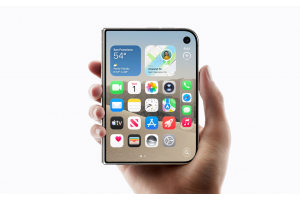
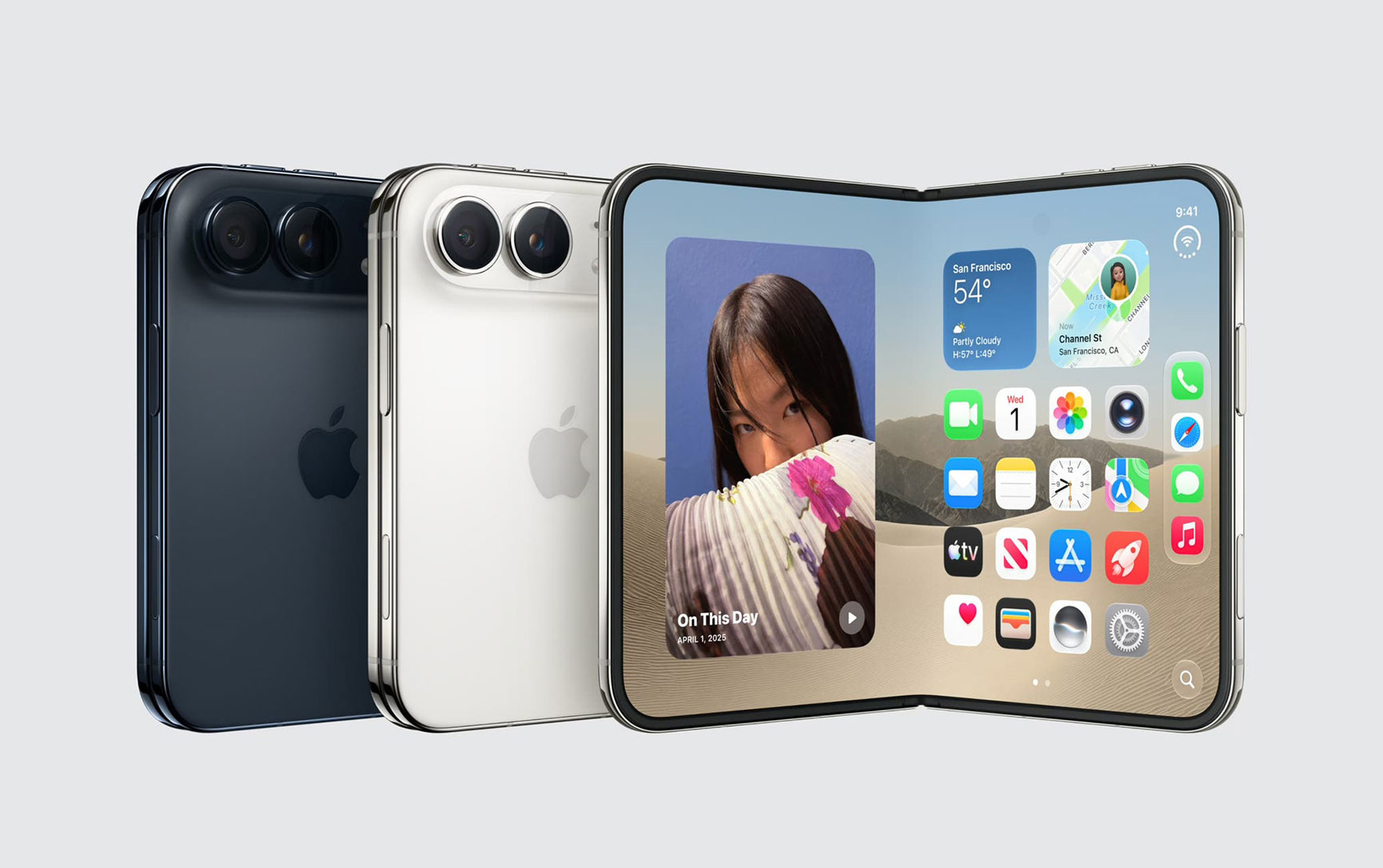
The most praised design decision: moving the Dock, app toolbars, and status icons to the right side of the screen when unfolded. This vertical arrangement maximizes the usable horizontal space in the wide-screen mode — something no other manufacturer has attempted .
Lean described it as "a very smart layout" and noted that the gesture controls feel more natural with the Dock on the side .
Other design highlights from hands-on reports:
- Single-hand unfold: The device can be opened with one hand
- Touch ID position: The side-mounted fingerprint sensor is "well-designed" and easy to reach
- Matte screen finish: The nano-texture glass gives the display a premium, anti-glare feel
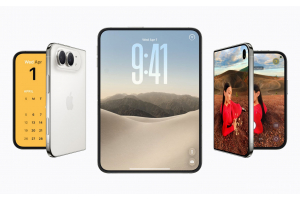
- Camera preview: When unfolded, the front screen can show the photographer's view in real-time, or play animations to attract children's attention
The iPhone Duo features a 5.4-inch outer display and a 7.6-inch inner display with a resolution of 2670×1878 (430 PPI) . The inner screen supports 1-120Hz ProMotion, always-on display, and 3000 nits peak brightness. Notably, Apple included an under-display FaceTime camera on the inner screen — a rare feat that Samsung has abandoned .
The One Regret: No Telephoto, No Variable Aperture
If there's one consistent criticism across all hands-on reports, it's the camera system .
The iPhone Duo has two rear cameras: a 48MP Fusion Main (26mm, f/1.6) and a 48MP Fusion Ultra Wide (13mm, f/2.2). Both are capable sensors — the Ultra Wide is identical to the one on the iPhone 18 Pro .
But the Duo lacks two features that define the iPhone 18 Pro's camera system:
Engadget put it bluntly: "The lack of a dedicated telephoto lens won't be a good fit for concertgoers, nature photographers or anyone else used to the powerful zoom performance of Pro-series iPhones."
Lean echoed this sentiment, calling the camera the "only regrettable part" of the Duo — no telephoto, no variable aperture .
The iPhone Duo's camera system is essentially equivalent to the iPhone 18 Pro's main and ultra-wide sensors — but without the Pro's most advanced photography tools. If long-range photography or videography is your top priority, the iPhone 18 Pro remains the better choice. If you value the foldable form factor more than ultimate camera flexibility, the Duo delivers the core iPhone photography experience .
Key Takeaways
- 36Kr / 爱范儿 — In-depth hands-on analysis, crease technology, Dock design
- Notebookcheck — Crease visibility analysis, comparison with Galaxy Z Fold8
- Engadget — Camera comparison, lack of telephoto and variable aperture
- 中時新聞網 — Tim哥 hands-on video, crease impressions, interface design
- 三立新聞網 — YouTuber Lean hands-on impressions, "very flat" crease, Dock design
- 太報 — Multiple reviewer impressions, crease visibility from different angles
- Mac Observer — Camera specifications comparison, focal lengths and apertures
- PCMarket HK — Variable aperture details, six laser-cut blades
- 泡泡網 — Crease criticism, social media reaction

- iPhone Duo
- hands-on
- foldable iPhone
- crease
- camera review
- telephoto
- variable aperture
- iPhone 18 Pro
- Apple foldable
- Gzmato