The Curious Case of iOS 26: Why Apple Skipped a Few Numbers

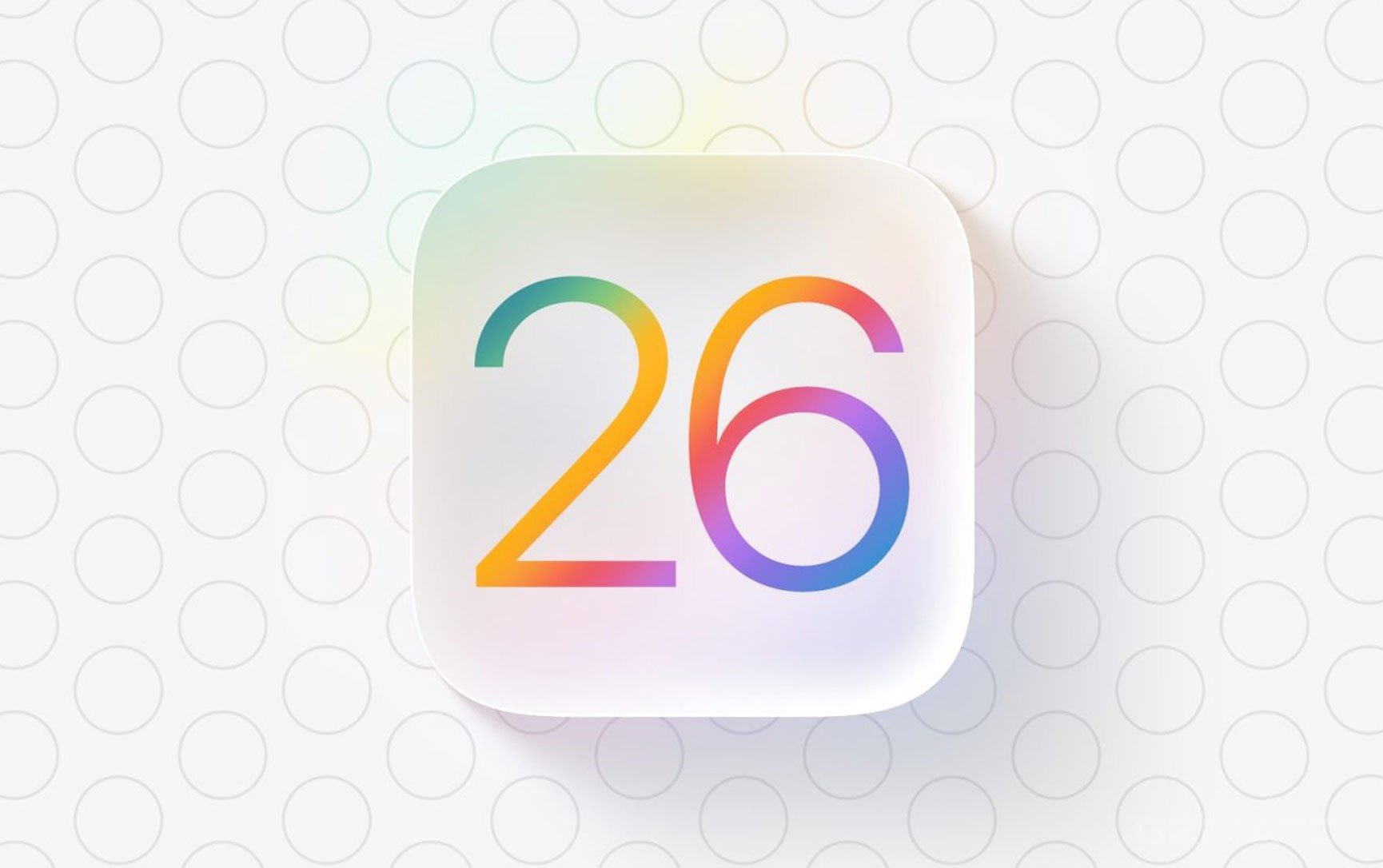
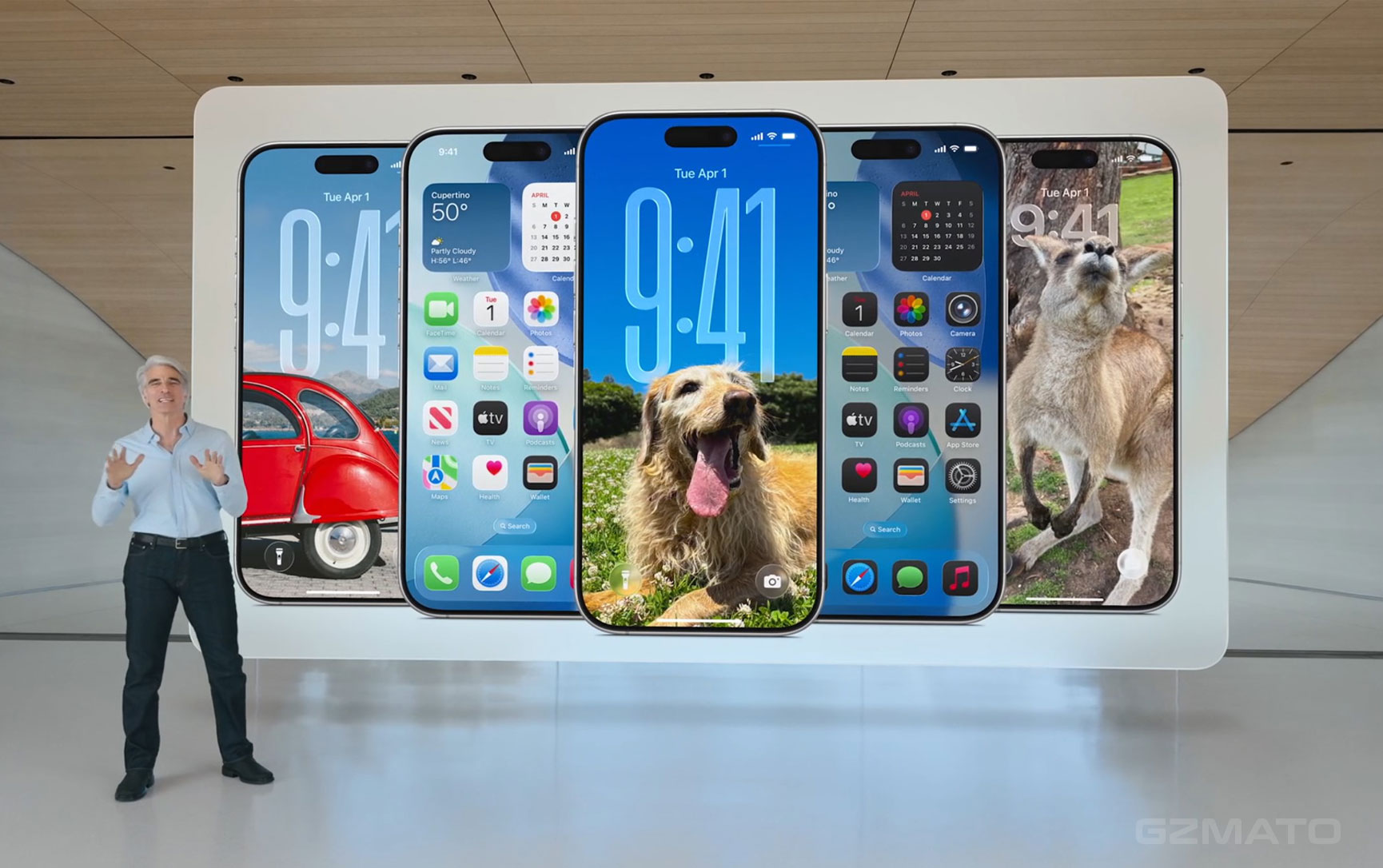
Did you catch Apple's recent WWDC keynote? Among the flurry of exciting announcements, one detail stood out for many: the next iteration of iPhone software will be called iOS 26. If your iPhone is an XS model or newer, get ready for a free update later this year!
But wait a minute. The current version is iOS 18. So, where did iOS 19 go? And why on Earth did Apple leap straight to 26?
It's a fair question, and the answer, surprisingly, has less to do with a sudden burst of innovation and more with clever marketing. Operating system versions aren't bound by rigid scientific progression; companies can brand them as they see fit. In this case, Apple has seized the opportunity to synchronize its flagship iPhone OS with the upcoming calendar year.
"But it's 2025!" you might exclaim. And you'd be right. However, the true "lifetime" of iOS 26 will predominantly span 2026. While developer betas kick off this summer, the public release isn't until September 2025. From that point until September 2026 (when iOS 27 is presumed to arrive), iOS 26 will be the reigning operating system. This means that for nine out of its twelve months in the wild, it will indeed be the "2026 OS."
To foster a more intuitive and consistent user experience, Apple is extending this year-based numbering to all its platforms. So, say goodbye to scattered version numbers and hello to a harmonized suite:
- Old iOS 19 New iOS 26
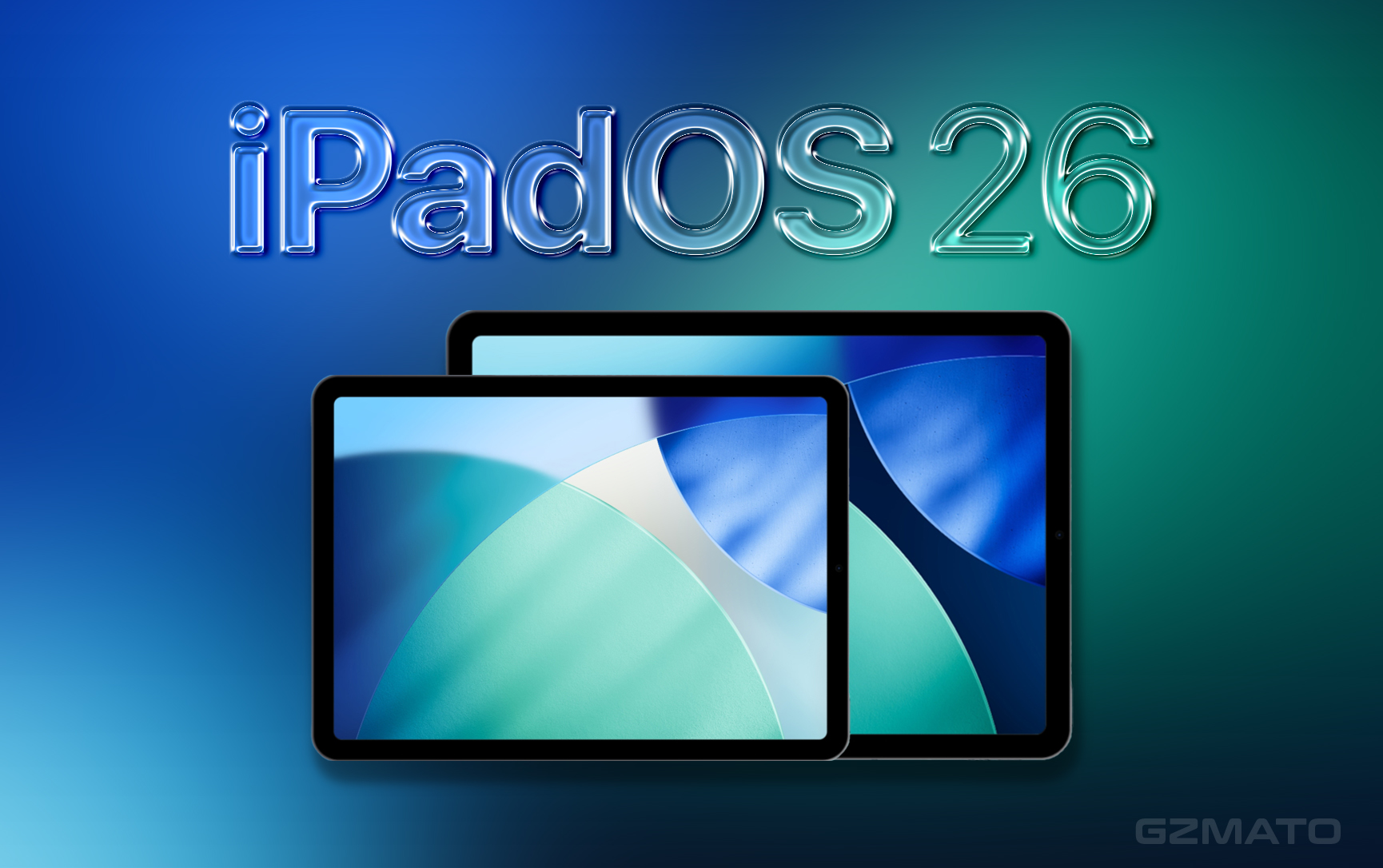
- Old iPadOS 19 New iPadOS 26
- Old watchOS 11 New watchOS 26
- Old macOS 15 New macOS 26
- Old visionOS 3 New visionOS 26
- Old tvOS 19 New tvOS 26
This streamlined approach certainly makes it easier to keep track of which software is current.
The big question now pivots to the iPhone itself. Could Apple rebrand the iPhone model to match the year, perhaps an "iPhone 26" instead of the expected iPhone 17 this fall? While the symmetry is appealing, it seems less likely. The iPhone branding is incredibly powerful and well-established. Disrupting that just for software version consistency might not be a strong enough motive. Furthermore, Apple's strategy involves selling older iPhone models for several years. An iPhone 26 would still be marketed as "new" years down the line, potentially causing confusion.
So, while Apple could certainly make a bold move, the smart money is on the iPhone series continuing its incremental numbering. Expect the iPhone 17, running iOS 26, to make its official debut this September.
- iOS 26
- Apple WWDC
- iOS 19
- iPhone OS
- Apple OS numbering
- iPadOS 26
- watchOS 26
- macOS 26
- visionOS 26
- tvOS 26
- iPhone 17