WWDC 2025: A Developer's Deep Dive into the Future of Apple Platforms
Mark your calendars, Apple developers! WWDC 2025, running from June 9th to June 13th, is poised to be a landmark event, unveiling the next evolution of Apple's expansive ecosystem. This year, the focus is sharp: a potential visual revolution across core operating systems and the deep integration of "Apple Intelligence" that promises to reshape user experiences and the very fabric of app development. Let's delve into the key areas you need to be prepared for.
iOS 19: Prepare for a UI Paradigm Shift
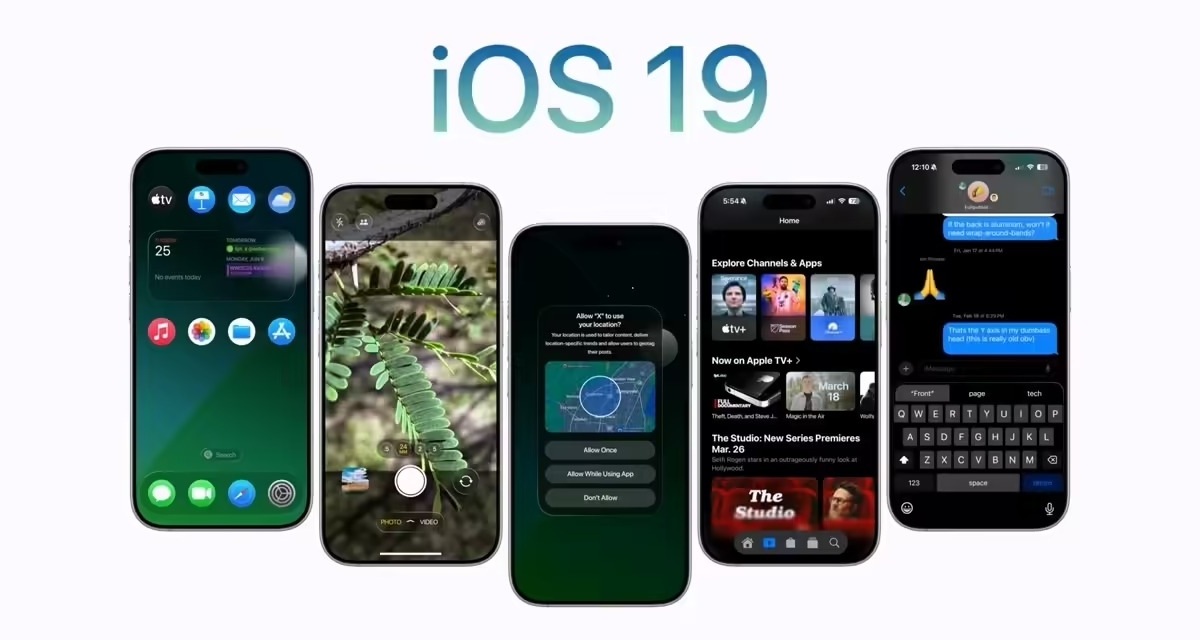
The buzz around iOS 19 centers on a significant visual overhaul, potentially the most substantial since iOS 7. For developers, this means getting ready for a new set of UI frameworks and design paradigms:
- Translucency and Materials: Brace yourselves for new APIs enabling the implementation of visionOS-inspired translucent effects. Understanding how to leverage these "material" properties to create visually engaging and layered interfaces will be crucial.
- Redesigned System Controls: Expect changes to standard UI elements – buttons, switches, navigation bars – demanding adaptation in your layouts and potential restyling of custom controls to maintain platform consistency.
- Evolving Iconography: Keep an eye out for updated guidelines on app icon design, potentially embracing a more rounded or distinct visual language. Aligning your app icons with the new aesthetic will be paramount.
- Adaptive Layout is Key: Ensuring your apps seamlessly adapt to the new visual style across the diverse iPhone lineup remains critical. Master the latest advancements in layout constraints and adaptive UI tools.
- Migration and Testing: Apple's developer betas and comprehensive documentation will be your best friends. Plan for thorough testing on iOS 19 and strategize your migration path to the new UI frameworks, addressing potential compatibility hurdles.
iPadOS 19: Multitasking Unleashed
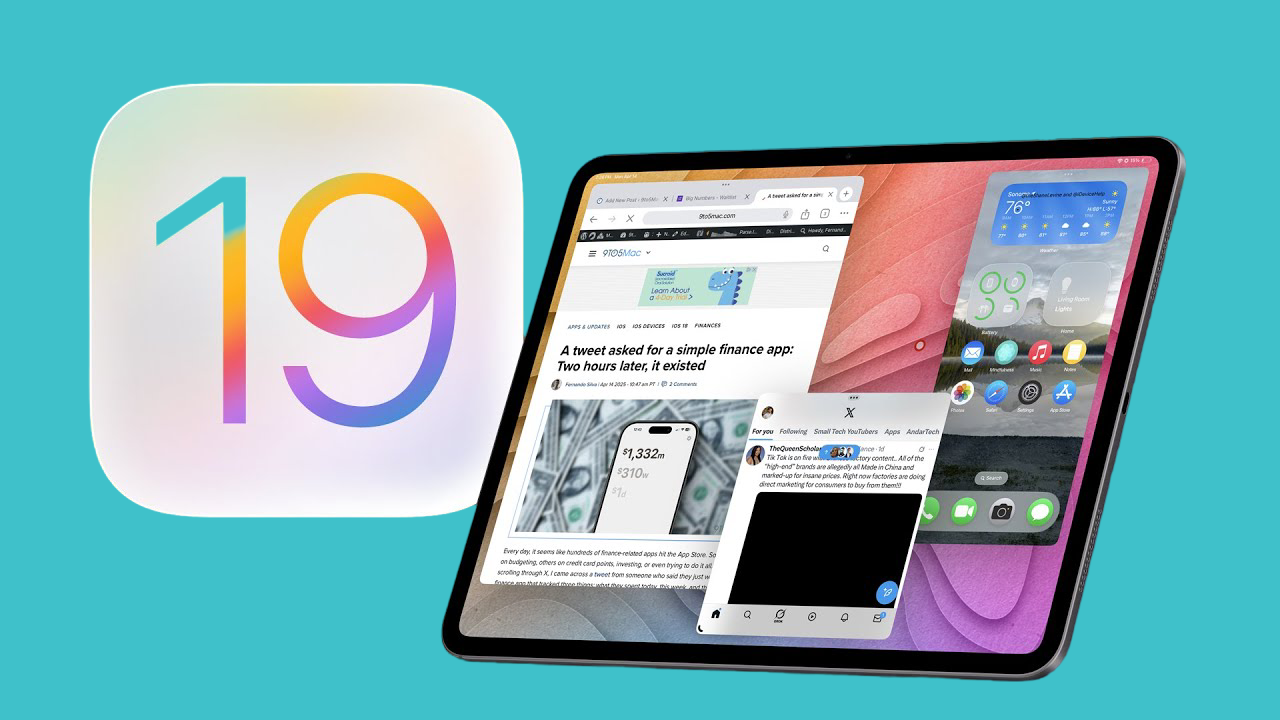
iPadOS 19 is anticipated to bridge the gap further between tablets and desktops, with a strong emphasis on enhanced multitasking capabilities:
- Mastering Floating Windows: The potential introduction of floating, resizable app windows necessitates a deep understanding of new APIs for window creation, manipulation, and lifecycle management.
- Enhanced Drag and Drop: Look for improvements in drag and drop functionality, facilitating seamless data transfer between floating windows and full-screen apps. New APIs might offer finer control over these interactions.
- External Display Integration: Prepare for enhanced APIs that allow for more sophisticated management of content across multiple displays, accommodating varying resolutions and potentially enabling advanced windowing on external screens.
- Focus Management in a Multi-Window World: Understanding how focus behaves with multiple visible windows and ensuring your app responds intuitively to user input will be vital.
- Robust State Preservation: Implementing effective state preservation and restoration for floating windows will be key to delivering a smooth and reliable user experience.
macOS 16 "Cheer": A Unified Vision Takes Shape
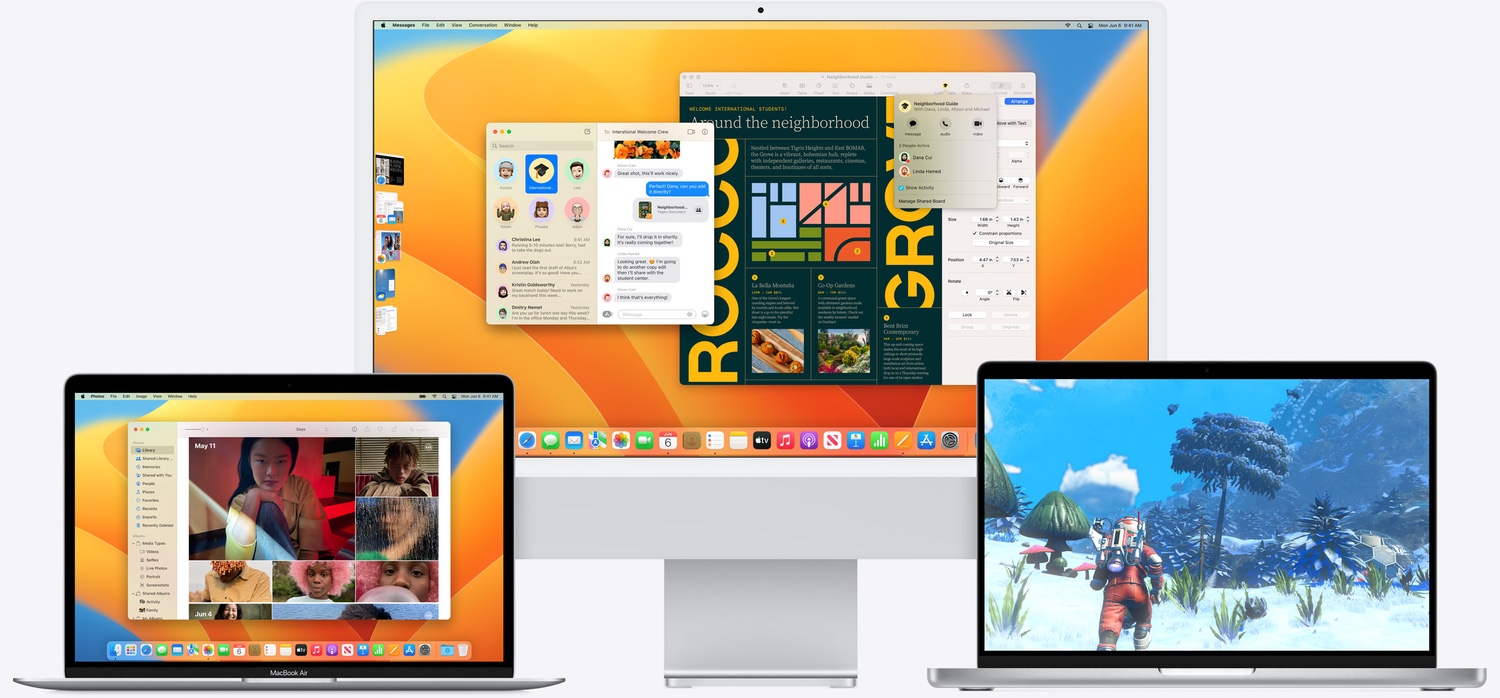
macOS 16 is also rumored to undergo a significant visual refresh, aiming for a more cohesive design language across the Apple ecosystem:
- Embracing Frosted Elements: Expect new APIs for implementing frosted sidebars and window backgrounds, allowing you to create visually appealing and modern desktop interfaces.
- Adapting to a Sleeker Menu Bar: Be prepared to adjust your app menus to potentially accommodate a thinner menu bar while maintaining clarity and accessibility.
- Leveraging Floating Settings Panes: The introduction of floating settings panes might require adopting new APIs for their creation and management.
- Platform Consistency: Pay close attention to updates in standard macOS UI elements, ensuring your app's visual language aligns with the evolving platform aesthetic.
- The Continued Push for SwiftUI: Expect further advancements and new features in SwiftUI specifically tailored for desktop app development, solidifying its role as the modern UI framework for macOS.
"Apple Intelligence": Integrating AI into the Core of Your Apps
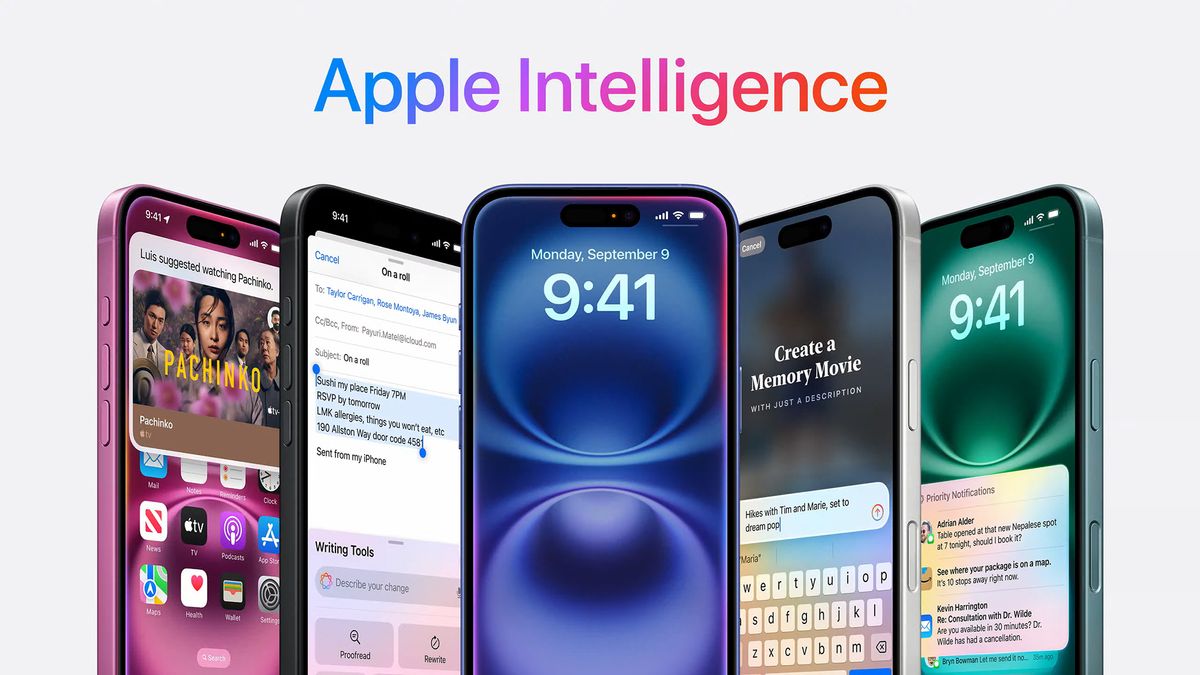
A defining aspect of WWDC 2025 is expected to be the unveiling of "Apple Intelligence" and the tools developers will have to leverage its power:
- Rethinking Siri Intent Handling: The rebuilt Siri, powered by LLMs, will likely introduce a more flexible and natural approach to intent handling. Prepare to explore new ways to define and respond to user requests.
- Contextual Awareness with On-Screen APIs: If Siri gains the ability to understand on-screen content, new APIs will be crucial for allowing your apps to expose relevant information for intelligent actions.
- Orchestrating Multi-Step Actions: Get ready to define and handle complex, multi-step workflows that Siri can seamlessly execute across different applications.
- Harnessing Third-Party AI: The potential integration of models like ChatGPT or Gemini will likely come with specific SDKs, enabling you to incorporate advanced AI capabilities directly into your apps.
- Advancements in Core ML: Expect updates to Core ML, Apple's on-device machine learning framework, to support more sophisticated models and facilitate tighter integration with "Apple Intelligence" features.
The Spatial Frontier: visionOS 3
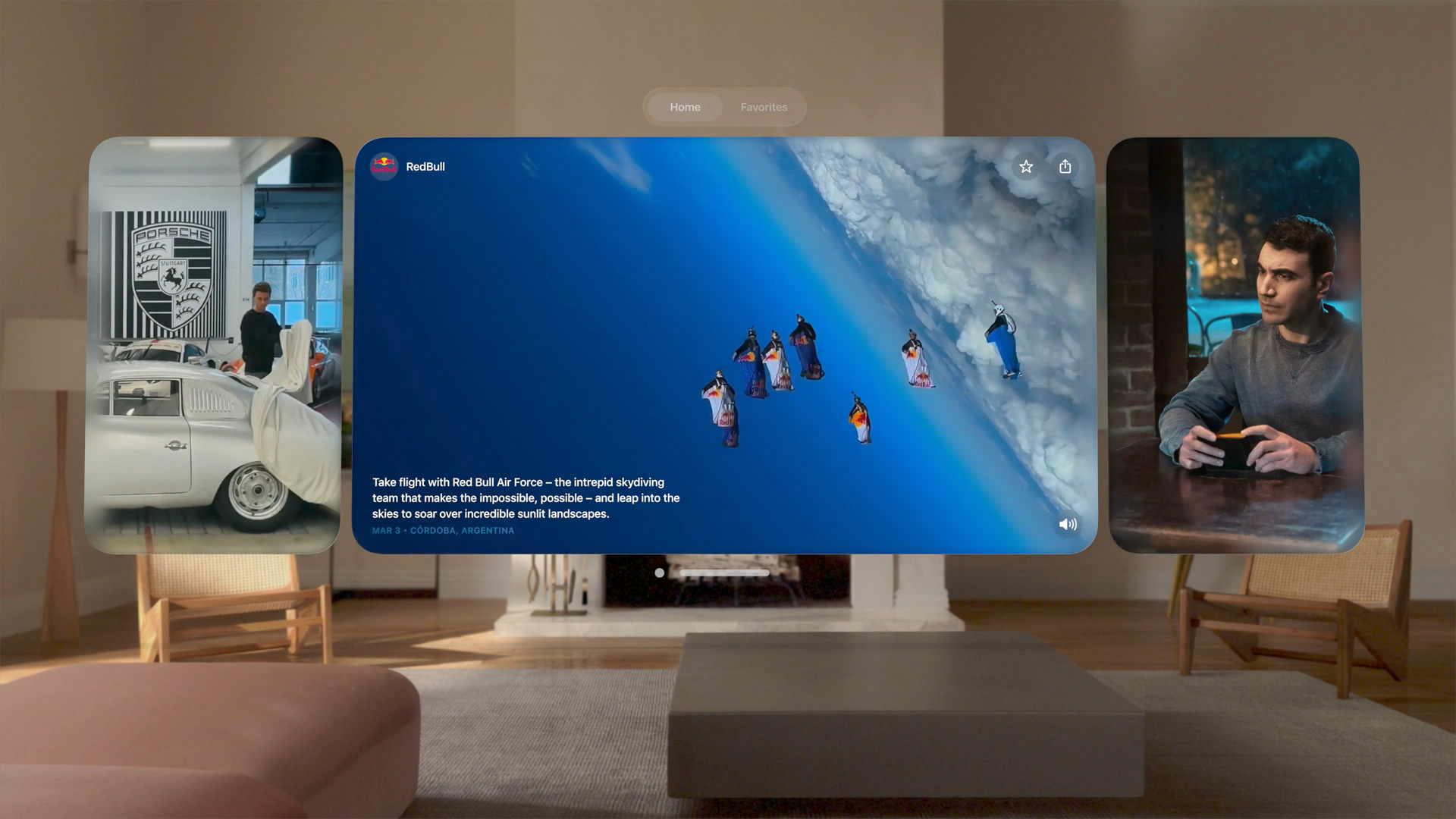
For developers venturing into spatial computing, visionOS 3 promises further advancements:
- Evolving Spatial APIs: Look for continued enhancements to APIs that govern immersive experiences, gesture recognition, eye tracking, and environmental understanding.
- Refining RealityKit: Expect updates to RealityKit, Apple's declarative 3D framework, focusing on performance optimization and new features for creating richer spatial scenes.
- The Promise of Mixed Reality: As visionOS matures, anticipate new APIs that enable more seamless blending of virtual and real-world elements within your applications.
- Cross-Device Harmony: Expect further development in how visionOS apps can interact and share data with applications on other Apple devices.
watchOS 12: Health, Fitness, and Intelligent Assistance on Your Wrist
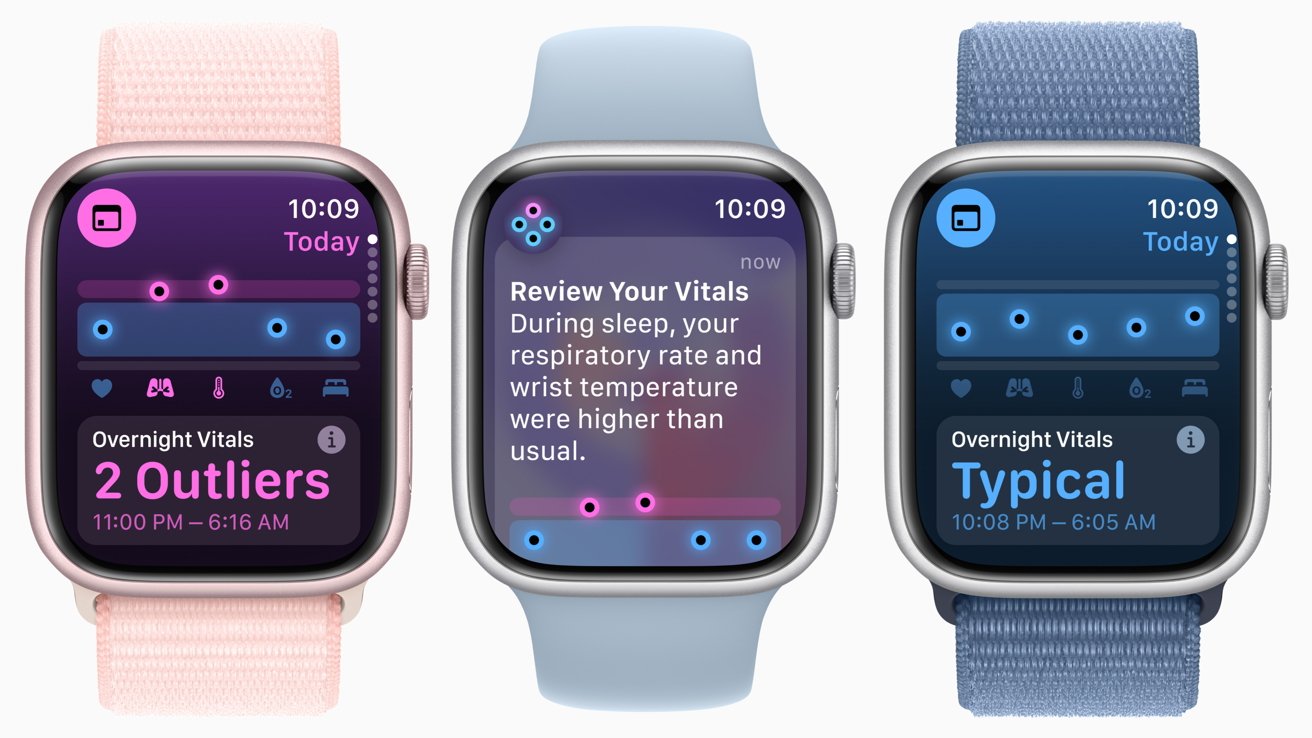
The evolution of watchOS will likely bring new opportunities for health and fitness app development, potentially powered by "Apple Intelligence":
- Accessing New Sensor Data: If the Apple Watch incorporates new health sensors, expect corresponding APIs to access and utilize this data responsibly within your apps.
- Enhanced Workout Tracking Capabilities: Look for improvements in workout tracking APIs, allowing for more granular data collection and sophisticated analysis.
- Seamless HealthKit Integration: Updates to HealthKit will be crucial for ensuring the smooth flow of new health and fitness data within the broader Apple health ecosystem.
Prepare to Innovate:
WWDC 2025 is shaping up to be a pivotal moment for the Apple developer community. The potential visual overhaul across core platforms and the deep integration of "Apple Intelligence" represent significant shifts that will demand adaptation and inspire innovation. By staying informed about these anticipated changes and actively engaging with the new APIs and frameworks, you'll be well-positioned to create the next generation of groundbreaking Apple experiences. The future of Apple's ecosystem is being built now – are you ready to be a part of it?
Source: Gemini

- WWDC 2025
- Apple developer
- iOS 19
- iPadOS 19
- macOS 16
- Apple Intelligence
- AI SDK
- visionOS
- watchOS
- developer conference