72-Hour Foldable Showdown: Huawei, Xiaomi, and Apple Go Head-to-Head
September 2026 will be remembered as the week the foldable phone market changed forever.
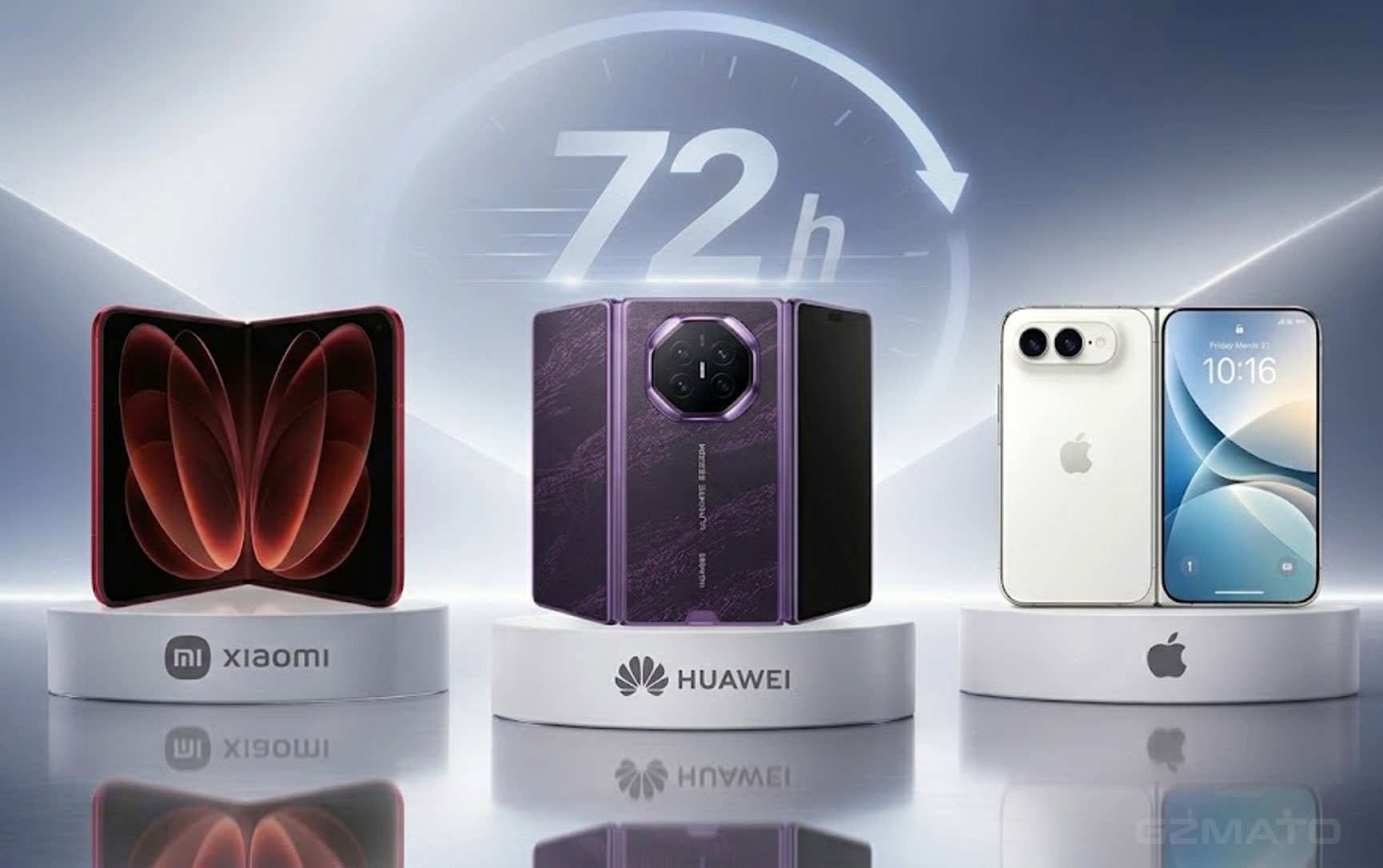
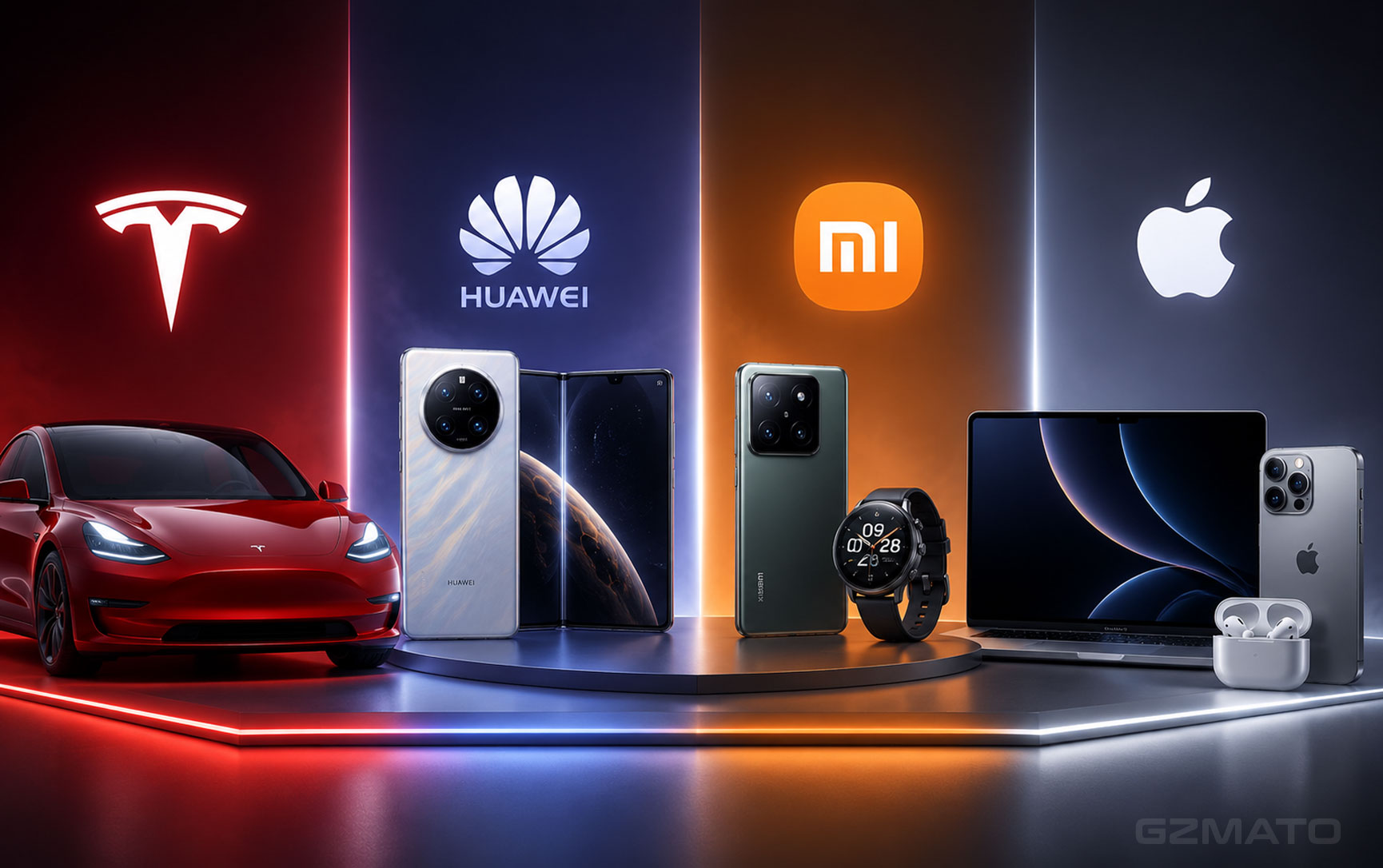
In the span of 72 hours — from September 7 to September 10 — Huawei, Xiaomi, and Apple each unveiled their latest foldable flagships. This marks the first time in the seven-year history of the foldable category that three major smartphone brands have gone head-to-head on the same product category in the same week .
Huawei kicked things off with the Mate XT 2, a second-generation tri-fold with a "logic-folded" processor. Xiaomi followed with the 18 Fold, its first "mid-fold" phone and a $1,500-plus product. And on September 10, Apple will officially enter the foldable market with the iPhone Ultra — its first foldable device, carrying a $2,000+ price tag.
Huawei Mate XT 2: The Logic-Folded Chip Debuts
On September 7, Huawei unveiled the Mate XT 2 — its second-generation tri-fold phone — at an event in Guangzhou . The phone starts at 19,999 RMB (approximately $2,800), matching the price of its predecessor .
The most significant upgrade is the Kirin 9050 Pro chip — the first processor to use Huawei's "logic folding" technology, which represents a shift in semiconductor design philosophy .
Rather than relying solely on shrinking transistor dimensions, Huawei's "Logic Folding" approach stacks logic units vertically, creating shorter signal paths. The result: 52% multi-core performance improvement, 42% total performance improvement, and 41% power reduction at equivalent performance . Transistor density increased from 155 million per mm² to 238 million per mm² .
The chip also represents a milestone: it's the first new flagship Kirin chip Huawei has launched since 2020 — a six-year gap . Huawei's semiconductor chief He Tingbo proposed the "Tao Law" in May 2026, arguing that the industry should focus on time-based scaling through logic folding rather than purely geometric scaling .
The hardware upgrade is equally significant: the Mate XT 2 abandons the previous generation's "Z" fold for a new "U" shape, with both sides folding inward . The phone is 3.5mm thick when unfolded, making it the thinnest foldable on the market, despite adding an external screen and IP58/59 dust and water resistance . The unfolded display is 10.2 inches with 3K resolution .
The Mate XT 2 also introduces hardware-level privacy protection: a dual-pixel display that shows black from the side when privacy mode is activated, keeping the screen visible only to the user directly in front of it . It also features ECG functionality, making it the first foldable with medical-grade heart monitoring certified by China's NMPA .
Xiaomi 18 Fold: The "Mid-Fold" Arrives
Later that evening, Xiaomi launched the 18 Fold at an event in Beijing . CEO Lei Jun called it "Xiaomi's highest-end phone to date" — and the price reflected that: starting at 10,999 RMB (approximately $1,540) .
Xiaomi defines the 18 Fold as a "mid-fold" — a category between large foldables (like the Galaxy Z Fold) and clamshells (like the Galaxy Z Flip) . It features a 5.38-inch cover screen and a 7.58-inch inner display, with aspect ratios close to A-series paper standards . The phone weighs 219g and measures 5.02mm thick when unfolded .
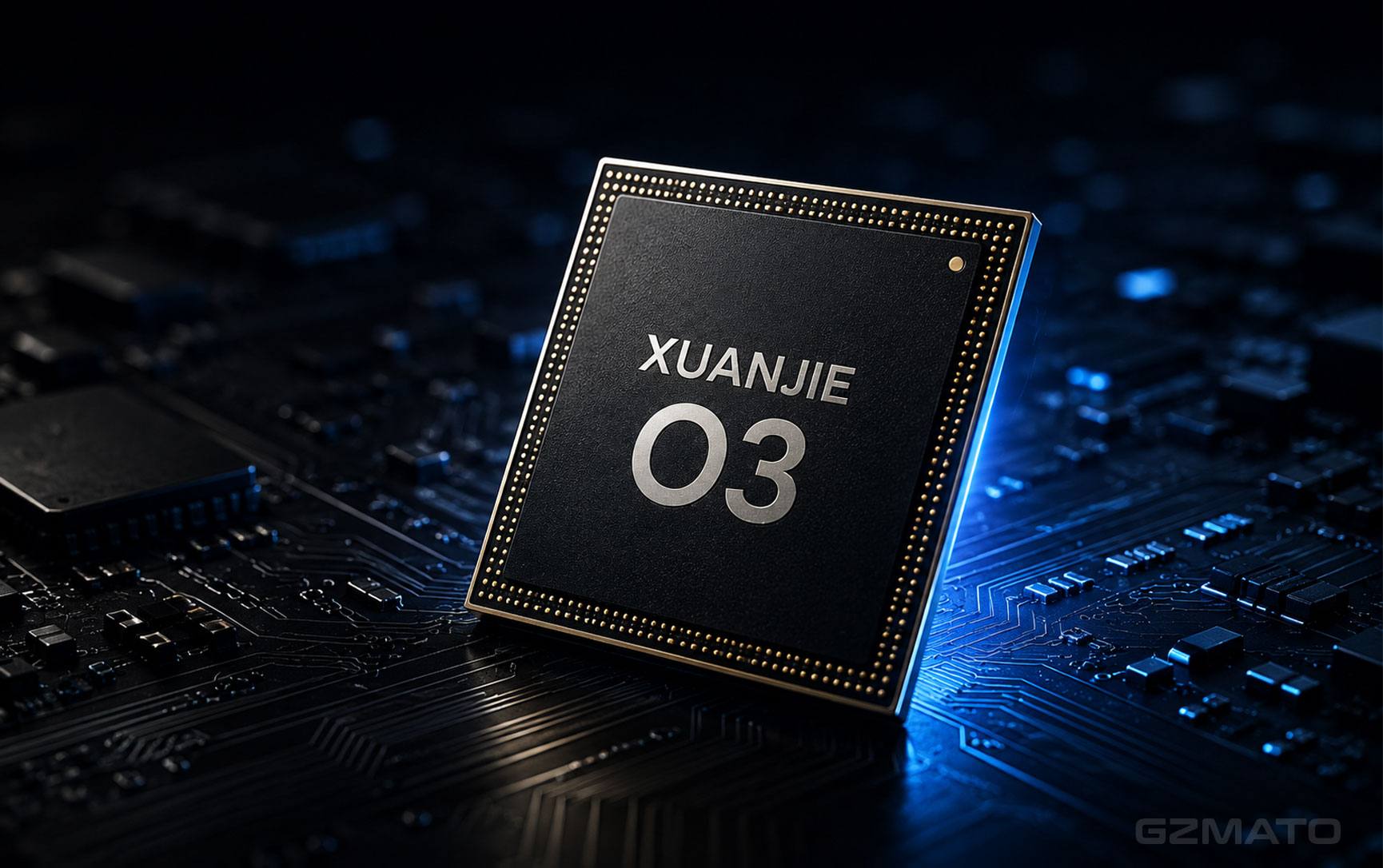
The 18 Fold is the first Xiaomi phone to feature two in-house innovations: the Xuanjie O3 processor and the CXMT LPDDR6 memory . The Xuanjie O3 is Xiaomi's 3nm chip with a reported 5.22 million AnTuTu score. The LPDDR6 memory delivers 113.8 GB/s bandwidth, approximately 48% faster than LPDDR5X .
Other specifications include:
- Battery: 6,000 mAh
- Camera: Leica 200-megapixel main + 50-megapixel telephoto + 50-megapixel ultra-wide
- Multitasking: Up to six split screens
- Software: HyperOS 4 with Xiao Ai AI agent integration
- Available: Starts at 10,999 RMB (12GB/256GB), with a ceramic special edition at 15,999 RMB limited to 1,500 units
Xiaomi President Lu Weibing had warned in a livestream that the 18 Fold would exceed 10,000 RMB — "by more than a little bit" — due to rising memory costs . The 12+512GB memory configuration alone added approximately 1,500 RMB to the bill of materials, reflecting the industry-wide memory shortage .
Apple iPhone Ultra: What We Know So Far
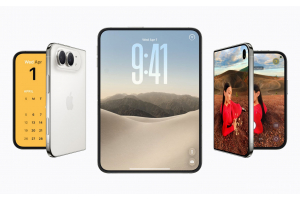
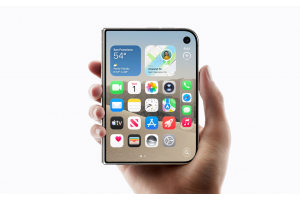
Apple's entry into the foldable market comes on September 10 at 10:00 AM PT (September 10, 1:00 AM Beijing Time) — the first keynote under new CEO John Ternus. The device is expected to be called the iPhone Ultra, Apple's first foldable phone .
Based on multiple reports from Bloomberg's Mark Gurman and supply chain sources :
| Feature | Expected Specification |
|---|---|
| Design | Book-style horizontal inward fold, similar to Samsung Galaxy Z Fold |
| Cover Display | ~5.5 inches, single punch-hole |
| Inner Display | ~7.8 inches, 4:3 aspect ratio, 120Hz, single punch-hole |
| Thickness | ~4.5mm unfolded; ~9.2mm folded |
| Processor | A20 Pro (2nm), Apple's first 2nm chip |
| Memory | 12GB RAM |
| Camera | Dual 48MP rear (no telephoto lens) |
| Authentication | Touch ID in power button (no Face ID due to thinness) |
| Battery | ~5,000–5,800 mAh with MagSafe |
| Connectivity | Apple's C2 modem |
| Colors | Silver-white and deep indigo |
| Price | ~$2,000+ / ~14,999+ RMB |
| Software | iOS 27 with iPad-style multitasking |
Apple's approach contrasts sharply with its competitors. Unlike Huawei's tri-fold or Xiaomi's mid-fold, Apple is entering with a more familiar form factor. But the real differentiator may be software: iOS and iPadOS app ecosystems that can seamlessly transition between foldable, tablet, and phone modes .
Head-to-Head: Three Paths, One Price Point
Each company has chosen a distinct approach to the foldable category:
Each company is betting on a different thesis: Huawei is pushing the physical limits of foldable engineering with a tri-fold. Xiaomi is using a new form factor to differentiate itself while proving domestic supply chain capability. Apple is entering with a familiar form factor and betting that its software ecosystem will be the differentiator .
As one industry observer noted: Companies are no longer just selling phones. They are selling a vision of how people will interact with technology in the years ahead.
Key Takeaways
- 红星新闻 / 百家号 — Xiaomi 18 Fold launch details, pricing (10,999 RMB), "mid-fold" definition, dimensions
- 太平洋科技 — Huawei Mate XT 2 launch, Kirin 9050 Pro, pricing (19,999 RMB), 3.5mm thickness, U-shape fold
- CNMO — iPhone Ultra production challenges, hinge yield (60-70%), China availability, full specs
- 上游新闻 / 中国新闻周刊 — "72-hour showdown" analysis, market context, pricing comparison
- 太平洋科技 — Xiaomi 18 Fold detailed specifications, Xuanjie O3, LPDDR6, color options, camera system
- C114通信网 — Mate XT 2 details: Kirin 9050 Pro performance, logic folding, IP58/59, ECG, privacy screen
- 新浪财经 / TechWeb — iPhone Ultra pricing ($2,000+), display size, processor (A20 Pro 2nm)
- 界面新闻 — Operator pricing leaks, iPhone Ultra pre-pricing details
- 每日经济新闻 — Three-foldable analysis, Huawei logic-folded chip, Tao Law, market context
- Huawei Mate XT 2
- Xiaomi 18 Fold
- Apple iPhone Ultra
- foldable phone
- 72-hour showdown
- Kirin 9050 Pro
- Xuanjie O3
- A20 Pro
- Gzmato