Beyond the Hype: Why Everyone's Talking About AI – And What It Really Means for Humanity
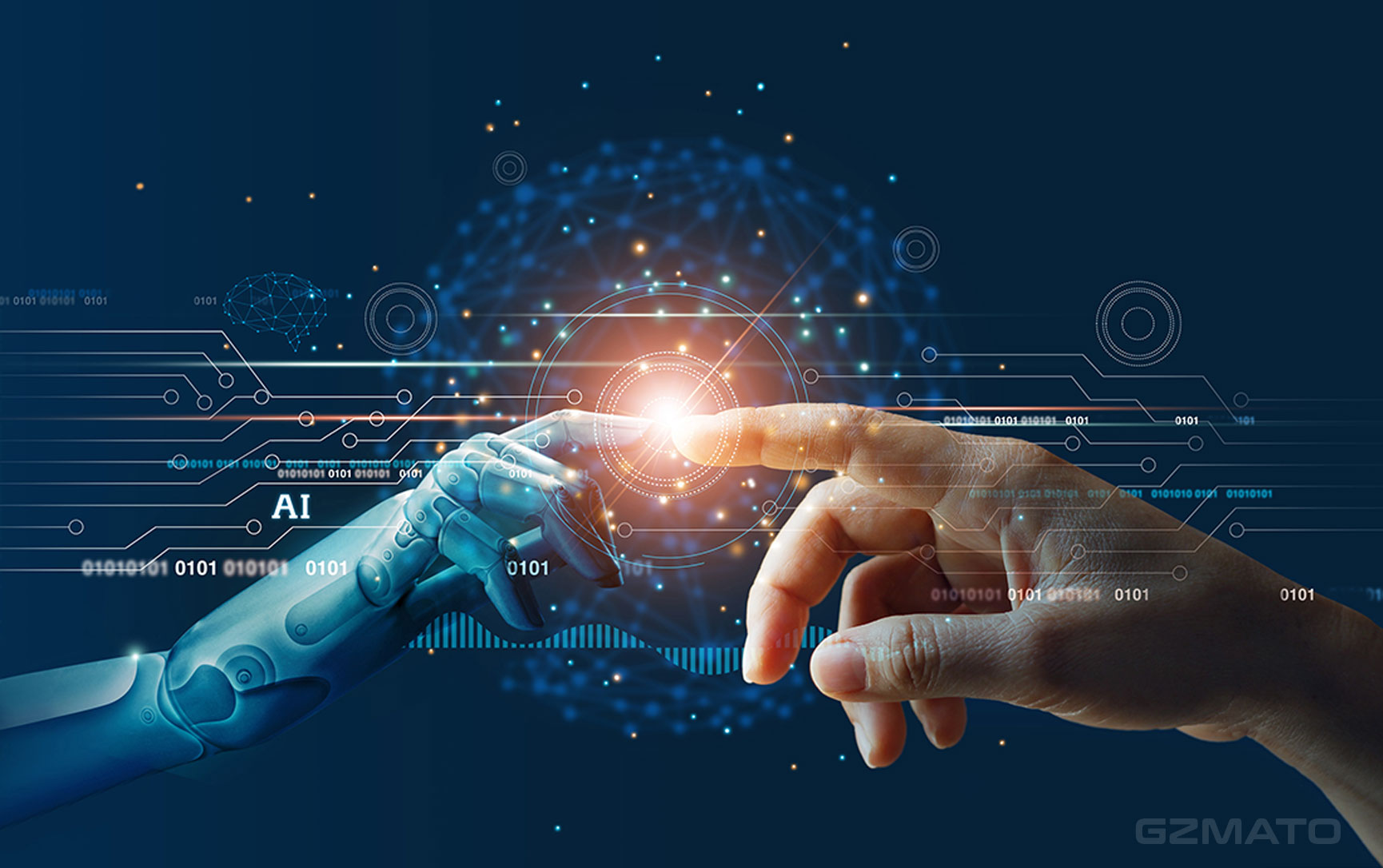
Walk into any coffee shop, scroll through your social media feed, or glance at global headlines today, and one topic invariably dominates the conversation: Artificial Intelligence. From groundbreaking announcements like Google I/O 2025's "AI Mode" in Search and AI-powered smart glasses, to the intense debates surrounding features like Microsoft's "Recall," AI has firmly established itself not just as a technological trend, but as the central discussion point shaping our collective future.
So, why is everyone so captivated?
The All-Encompassing Reach of AI: A Glimpse at Its Capabilities
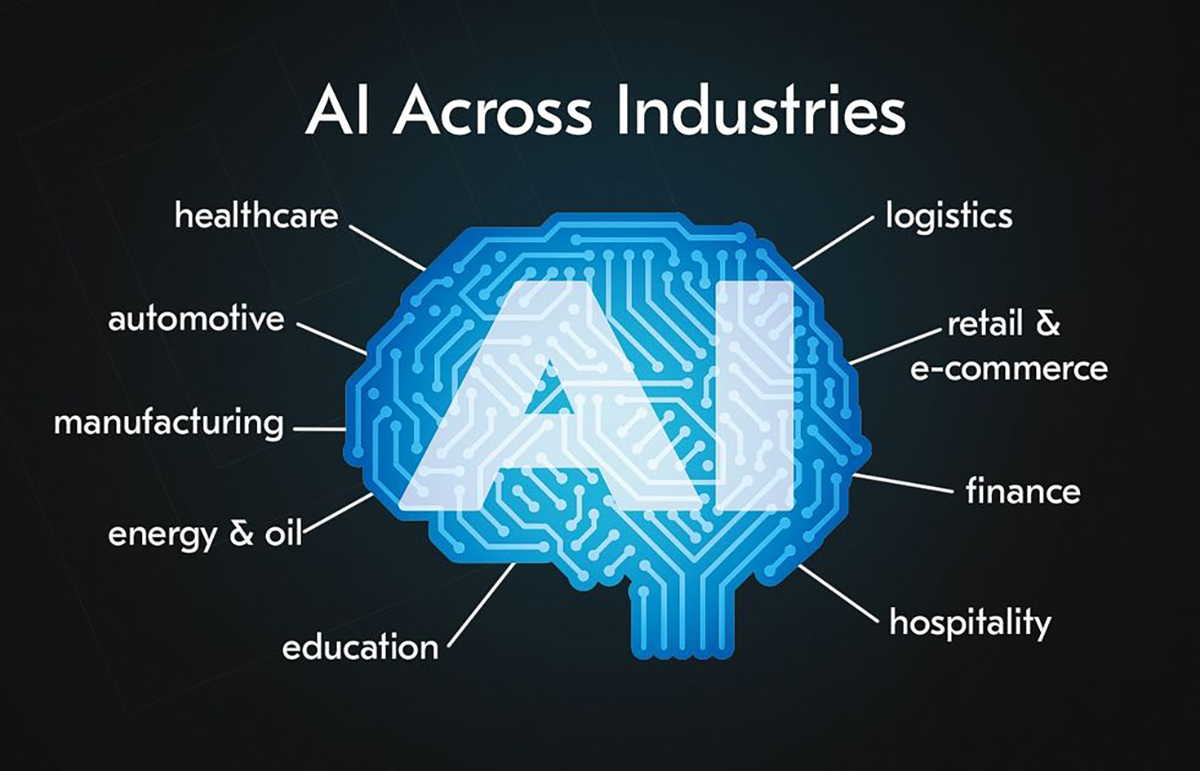
The fascination stems from AI's incredible, and rapidly expanding, capabilities. We're witnessing machines that can:
- Process and Analyze Vast Data: Sifting through petabytes of information to find patterns and insights far beyond human capacity.
- Generate Original Content: Crafting human-like text, stunning visuals, realistic video, and even music, blurring the lines between machine and human creativity.
- Predict and Optimize: From forecasting market trends to optimizing energy grids and traffic flow, AI is becoming a master of prediction.
- Understand and Interact: Through advanced natural language processing and computer vision, AI can now comprehend our world and respond in incredibly natural ways, paving the way for truly intuitive assistants.
- Automate Complex Tasks: Taking over not just repetitive manual labor, but also intricate cognitive tasks previously reserved for human experts.
The Promise: Unlocking Unprecedented Benefits for Humans
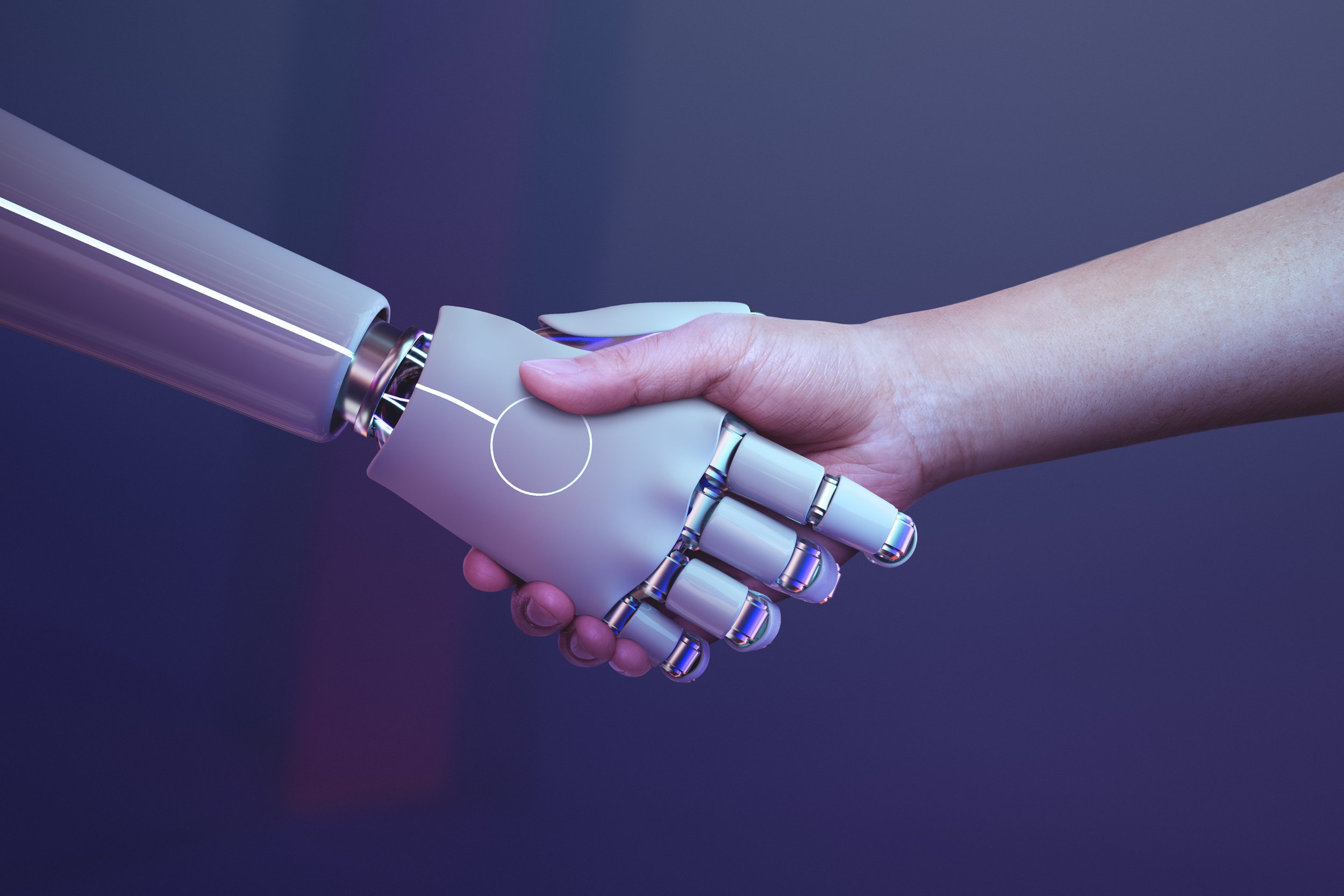
This remarkable suite of capabilities translates into immense benefits poised to redefine our lives within the next decade:
- Revolutionizing Healthcare: AI promises faster, more accurate disease diagnosis, personalized treatment plans tailored to individual genetics, and accelerated drug discovery. Imagine AI-powered tools assisting surgeons or wearables predicting health issues before they become critical.
- Supercharging Productivity: In the workplace, AI acts as a powerful co-worker, automating tedious tasks, drafting documents, analyzing data, and freeing up human talent for higher-level strategic thinking and creativity.
- Transforming Daily Life: Our homes will become smarter and more efficient, education will be hyper-personalized to individual learning styles, and navigation will become seamless with context-aware AI. Think smart glasses offering real-time language translation as you travel.
- Tackling Grand Challenges: AI is already a crucial tool in addressing global issues like climate change (optimizing renewable energy, predicting extreme weather), food security, and disaster response.
- Enhanced Accessibility: AI-powered assistive technologies are making the world more navigable and accessible for individuals with disabilities, fostering greater inclusion.
The Other Side of the Coin: Navigating the Critical Cons and Risks
However, with great power comes great responsibility. The very capabilities that excite us also give rise to profound challenges:
- Job Displacement and Economic Disruption: The most immediate concern for many is AI's potential to automate millions of existing jobs, leading to workforce displacement and exacerbating wealth inequality if societies don't adapt quickly with reskilling and new economic models.
- Privacy and Surveillance Concerns: As AI systems become more pervasive (like Windows Recall, which continuously records user activity), the sheer volume of data collected raises serious questions about personal privacy, data security, and the potential for misuse or surveillance.
- Algorithmic Bias and Discrimination: AI systems learn from the data they're fed. If that data reflects existing societal biases (e.g., related to race, gender, or socioeconomic status), the AI can perpetuate or even amplify those biases, leading to unfair outcomes in critical areas like hiring, lending, or criminal justice.
- Misinformation and Loss of Trust: The ability of generative AI to create highly realistic "deepfakes" (fake images, videos, audio) makes it increasingly difficult to discern truth from falsehood, posing a significant threat to democracy, public trust, and individual reputation.
- Ethical Dilemmas and Accountability: As AI systems become more autonomous in areas like self-driving cars or military applications, determining who is accountable when things go wrong and ensuring ethical decision-making becomes incredibly complex.
- Over-Reliance and Skill Erosion: A concern exists that over-reliance on AI could lead to a decline in certain human cognitive skills, such as critical thinking, problem-solving, and independent decision-making.
The Decade Ahead: A Shared Responsibility
The next decade will undoubtedly be the "AI Decade." It's clear that AI is not just changing our tools; it's changing the very fabric of our lives, our economies, and our societies. The enthusiastic conversations we're seeing online today are a direct reflection of this immense potential and the equally profound challenges.
To truly harness AI's benefits while mitigating its risks, the focus must be on responsible development, robust regulation, transparent deployment, and continuous education. The future of AI isn't predetermined; it's a future we are actively building, one conversation, one innovation, and one ethical decision at a time.
What do you see as AI's biggest promise, and its greatest challenge, in the next ten years? Join the conversation below!


- AI impact
- artificial intelligence benefits
- AI pros and cons
- future of AI
- Google I/O AI
- Windows Recall
- AI ethics
- job displacement AI
- AI in healthcare
- personalized AI