AI Equals Doctors? DeepMind's Diagnostic Milestone and the Future of Medicine
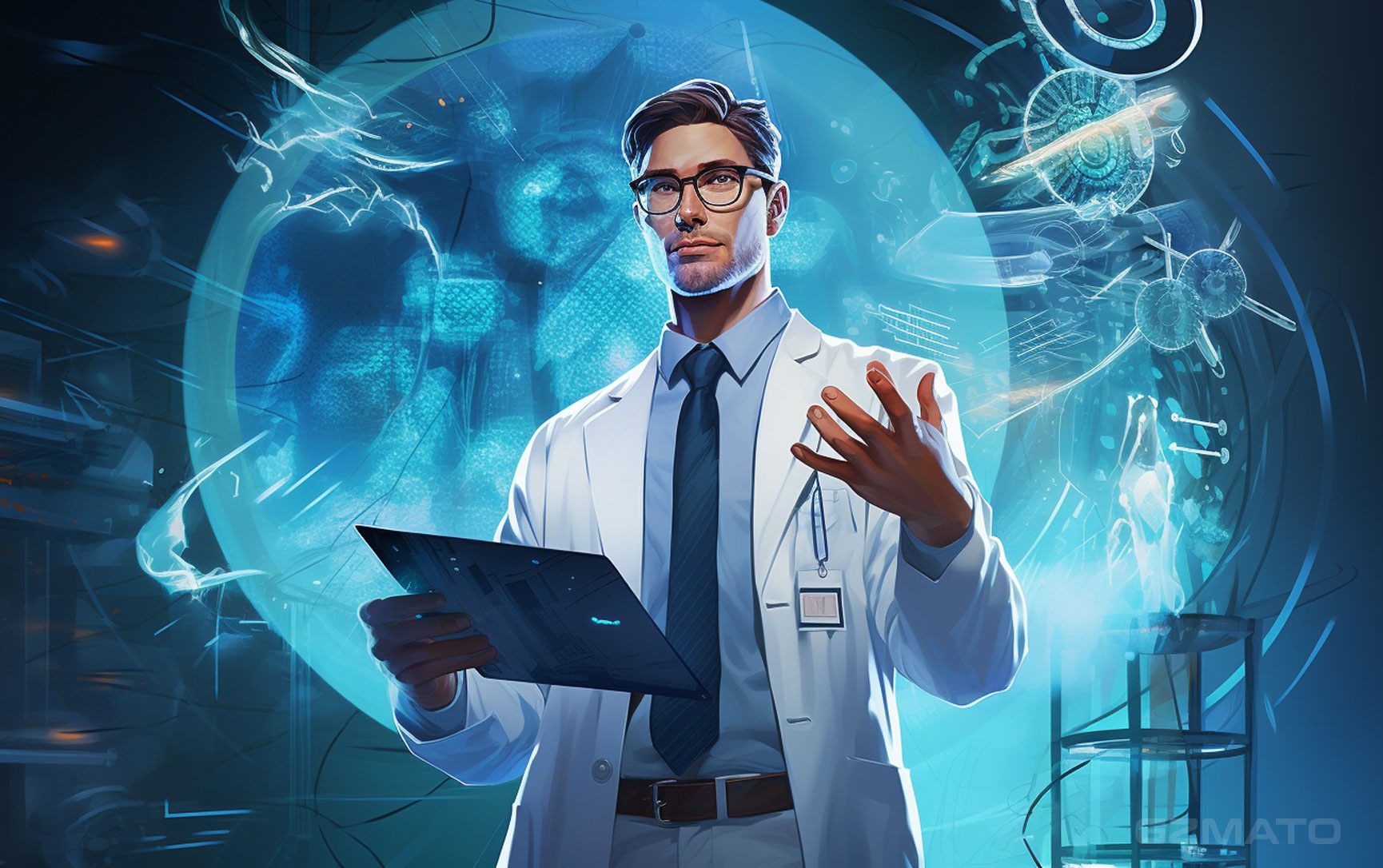
The landscape of healthcare is on the verge of a profound transformation, and at its heart lies the burgeoning power of artificial intelligence. Today, the tech world is buzzing with a potentially revolutionary development: reports indicate that DeepMind, a renowned AI research lab, has achieved a significant milestone by creating a new AI model capable of diagnosing a range of medical conditions with an accuracy that rivals human doctors.
The question posed in our title isn't meant to be taken literally – we're not suggesting robots will replace your physician overnight. However, DeepMind's reported breakthrough signals a monumental leap forward in the capabilities of AI in medicine, prompting us to seriously consider the future role of intelligent machines in healthcare.
A Landmark Achievement in AI for Healthcare
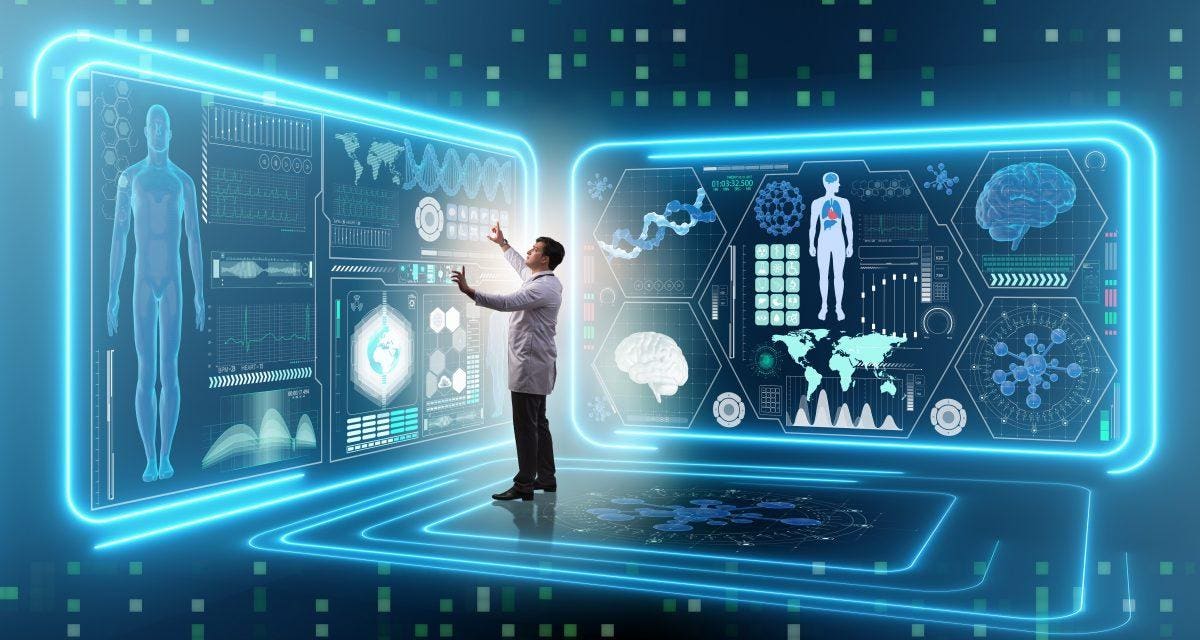
The ability of an AI to perform medical diagnoses with human-level accuracy has long been a holy grail in the field. It represents a convergence of cutting-edge machine learning with the intricate and often nuanced world of medical knowledge. While specific details about DeepMind's model – its architecture, the breadth of conditions it can assess, and the vast datasets it has learned from – are still unfolding, the very notion of such a capability carries immense weight.
Why This Breakthrough Could Reshape Healthcare:
- Speed and Efficiency in Diagnosis: Imagine the potential to analyze medical images, interpret complex symptoms, and sift through mountains of patient data in mere seconds. AI could dramatically accelerate the diagnostic process, leading to quicker treatment and potentially better patient outcomes, especially in time-sensitive situations.
- Augmenting Human Expertise and Reducing Errors: While the expertise of human doctors remains irreplaceable, they are also susceptible to the inherent limitations of human cognition – fatigue, biases, and the sheer volume of information to process. AI, trained on massive and diverse datasets, could serve as an invaluable assistant, flagging potential issues and reducing the risk of diagnostic errors.
- Expanding Access to Medical Expertise: In underserved areas or regions facing a shortage of medical professionals, AI-powered diagnostic tools could bridge the gap, offering access to expert-level analysis that might otherwise be unavailable. Telemedicine platforms equipped with such AI could bring advanced diagnostic capabilities to remote communities.
- The Dawn of Truly Personalized Medicine: AI's ability to analyze vast amounts of individual patient data – encompassing genetics, lifestyle, medical history, and real-time sensor data – could pave the way for highly personalized diagnoses and treatment plans, tailored to the unique characteristics of each patient.
- Unlocking Early Detection and Preventative Care: AI algorithms might be able to identify subtle patterns and early indicators of disease that might be missed by the human eye, enabling earlier interventions and potentially preventing the progression of serious illnesses.
A Collaborative Future: AI as a Powerful Ally
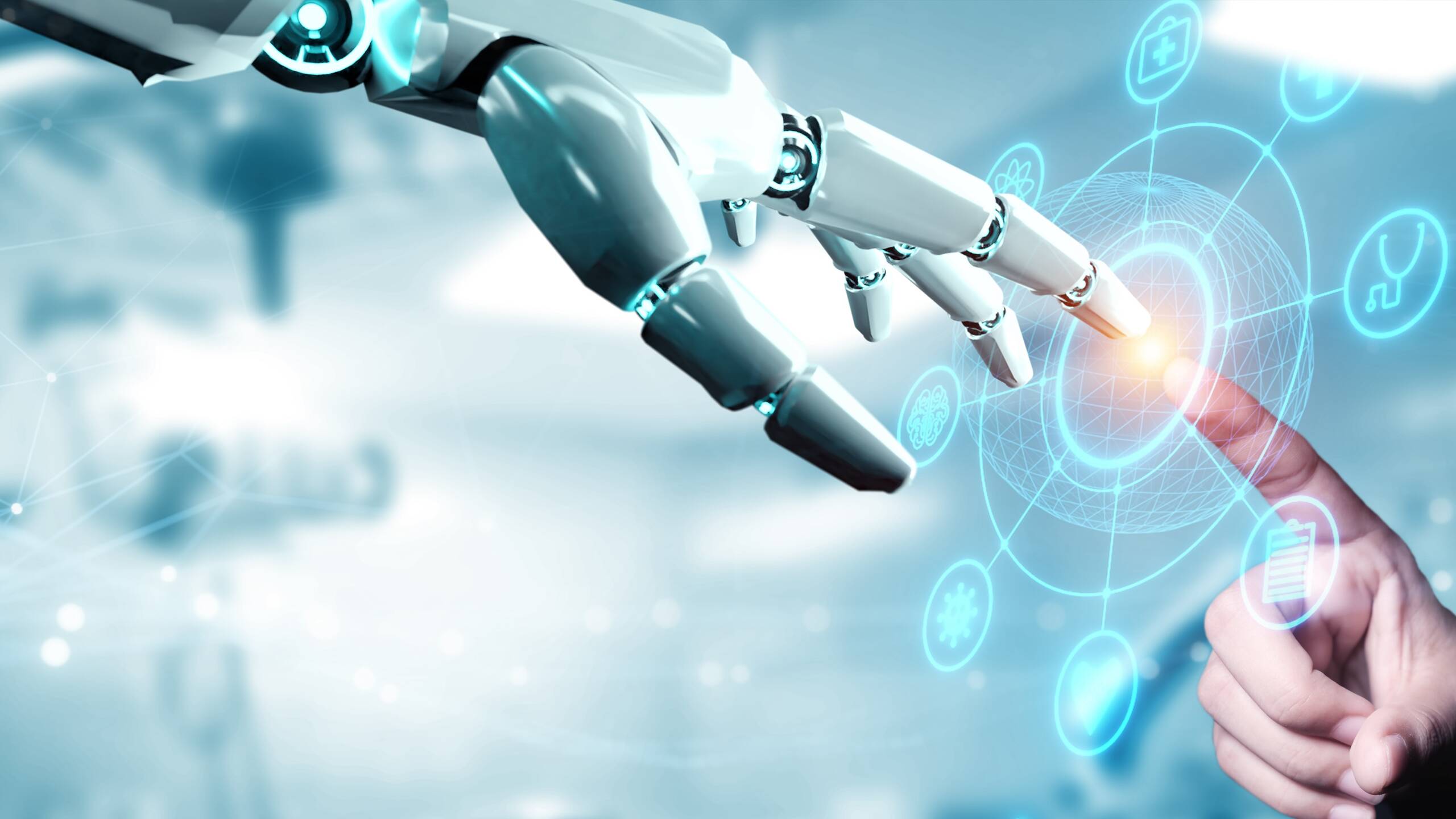
It's crucial to envision a future where AI in medicine acts as a powerful collaborator with human healthcare professionals, rather than a direct replacement. Doctors will continue to be essential for:
- Interpreting AI Findings: Providing the crucial human context and understanding to the AI's conclusions.
- Communicating with Empathy: Delivering diagnoses and discussing treatment options with compassion and understanding.
- Making Complex Judgments: Handling multifaceted cases that require ethical considerations and nuanced human intuition.
- Building Patient Trust: Establishing the vital human connection that is fundamental to the doctor-patient relationship.
Navigating the Ethical and Practical Considerations:
The integration of AI into medical diagnosis also brings forth important challenges:
- Ensuring Data Privacy and Security: The vast amounts of sensitive patient data involved necessitate robust security measures and ethical guidelines.
- Addressing Bias in AI Training: The datasets used to train AI models must be carefully curated to avoid perpetuating or amplifying existing biases in healthcare based on demographics or other factors.
- Transparency and Explainability (XAI): For both doctors and patients to trust AI diagnoses, the "reasoning" behind the AI's conclusions needs to be understandable, leading to the critical field of "explainable AI."
- Establishing Clear Regulatory Frameworks: Governments and medical bodies will need to develop clear regulations to govern the development, validation, and implementation of AI diagnostic tools.
A Glimpse into the Future of Healthcare
DeepMind's reported achievement in reaching human-level accuracy in medical diagnosis is a watershed moment. It offers a compelling glimpse into a future where AI plays an increasingly vital role in empowering healthcare professionals, improving patient outcomes, and potentially making quality medical care more accessible globally. While the journey of integrating AI into everyday clinical practice is just beginning, the direction is clear: the future of medicine will be deeply intertwined with the power of intelligent machines.
What are your initial thoughts on AI's potential to revolutionize medical diagnosis? Do you see this as a positive step forward for healthcare? Share your perspectives in the comments below!
Source: Gemini

- DeepMind AI
- medical diagnosis AI
- healthcare AI
- artificial intelligence in medicine
- AI diagnosis accuracy
- future of healthcare
- medical technology
- AI breakthrough