AI Smart Glasses 2026: Meta vs Xiaomi vs Even Realities vs Google – Which One Should You Buy?
- AI Smart Glasses 2026: Which One Should You Buy?
- Quick Comparison: Top 5 AI Glasses Compared
- Meta Ray-Ban Smart Glasses: The Global Best-Seller
- Xiaomi AI Glasses: The Ecosystem Powerhouse
- Even Realities G2: The Minimalist Display Pioneer
- Rokid AI Glasses: The Affordable Display Alternative
- Google AI Glasses (2026): The Comeback Story
- How to Choose the Right AI Smart Glasses
- 2026 Market Trends: What You Need to Know
- Important Warning: Know the Limitations
- Final Verdict: Which One Should You Buy?
- Shop AI Smart Glasses at Gzmato
April 17, 2026 – The AI smart glasses market is exploding. According to IDC, global shipments are expected to reach 22.67 million units in 2026, up 56.3% year-over-year, with Chinese manufacturers capturing 45% of the global market share.
But with so many options flooding the market – from Meta's Ray-Ban collaboration to Xiaomi's ecosystem play, from Google's comeback to innovative startups like Even Realities – how do you choose? After analyzing sales data, user reviews, and hands-on impressions from CES 2026, here's everything you need to know.
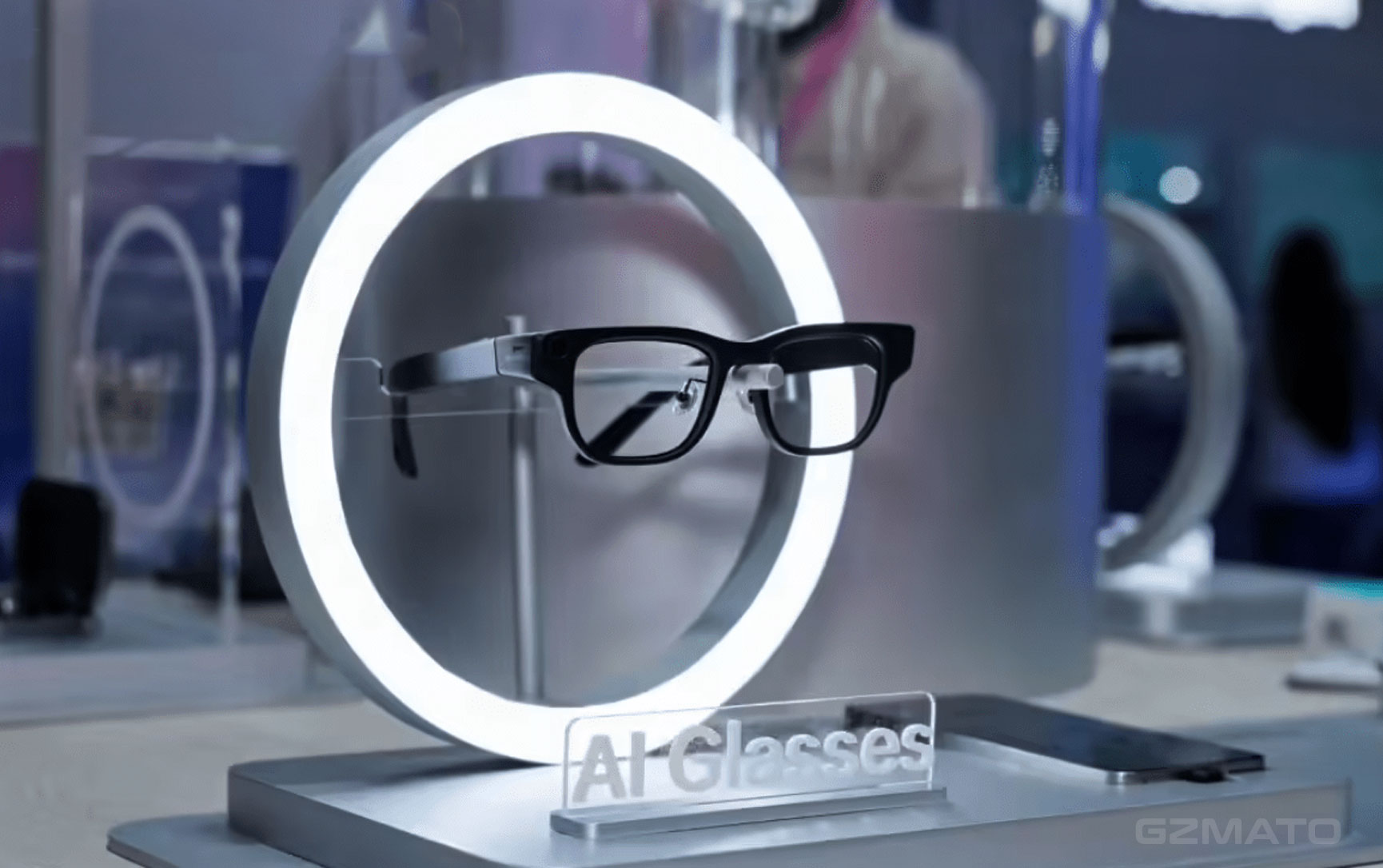
AI Smart Glasses 2026: Which One Should You Buy?
The AI smart glasses market has evolved dramatically. No longer clunky prototypes, today's models are lightweight, stylish, and genuinely useful. The key is understanding that different glasses serve different purposes – some excel at audio and AI assistance, others at heads-up displays, and some at photography.
Quick Comparison: Top 5 AI Glasses Compared
| Model | Type | Weight | Display | Battery | Price | Best For |
|---|---|---|---|---|---|---|
| Meta Ray-Ban | Audio+Camera | 49g | No display | 4 hours | $379 | Casual wear, content creation |
| Xiaomi AI Glasses | AI+HUD | 25g | Monochrome waveguide | 8.6h (w/case) | $280 | Everyday wear, Xiaomi users |
| Even Realities G2 | AI+HUD | 36g | Mini micro-LED | Full day | $599 | Translation, professionals |
| Rokid AI Glasses | AI+Display | ~50g | Color display | Moderate | $299 | Budget display glasses |
| Google AI Glasses | AI+Display | 46g | Color HUD | ~10 hours | $430+ | Gemini AI, navigation |
Meta Ray-Ban Smart Glasses: The Global Best-Seller
The Meta Ray-Ban Smart Glasses are the undisputed market leader, capturing over 75% of global smart glasses shipments. Built in partnership with EssilorLuxottica, these glasses look like ordinary Ray-Ban Wayfarers – and that's exactly the point.
• Invisible tech – They look exactly like regular Ray-Ban sunglasses. Most people won't notice you're wearing smart glasses.
• Excellent cameras – 12MP ultra-wide camera with 1080p video recording. Perfect for hands-free content creation.
• Meta AI integration – Access Llama-powered AI assistant for questions, translations, and visual recognition.
• Open-ear audio – Surprisingly good speakers for calls, podcasts, and casual music listening.
• Style variety – Available in multiple frame shapes, colors, and even prescription lenses.
• No display – Unlike newer competitors, the Meta glasses have no heads-up display. All information is audio-only.
• Privacy concerns – The built-in camera has raised privacy questions. Some venues ban these glasses entirely.
• Limited battery – About 4 hours of moderate use. The charging case helps, but heavy users will need midday charging.
• Fit issues – The Western frame design can feel tight on Asian face shapes, causing pressure on the nose bridge after extended wear.
Best for: Casual users who want smart glasses that don't look smart, content creators needing hands-free capture, and those already invested in Meta's ecosystem.
Xiaomi AI Glasses: The Ecosystem Powerhouse
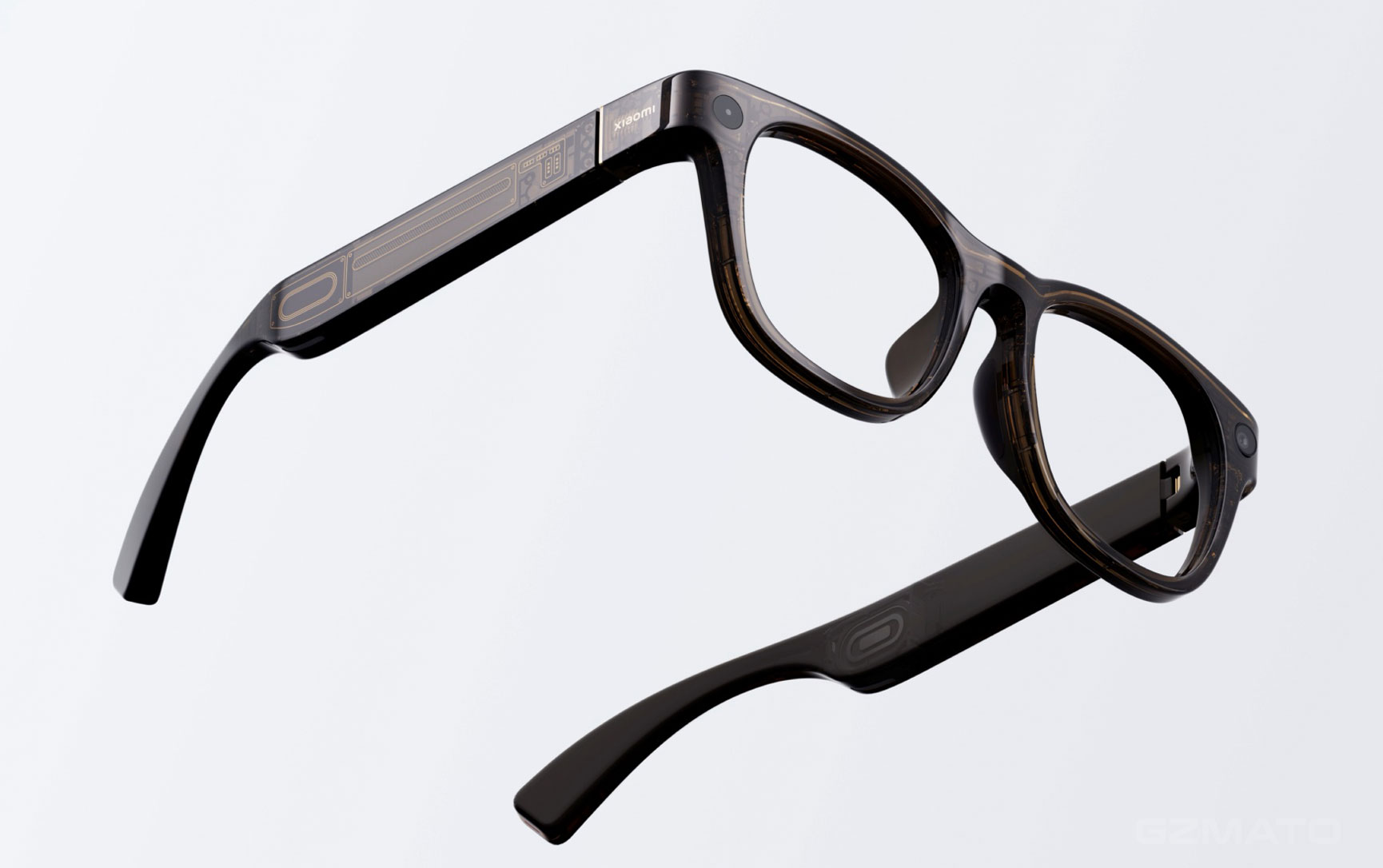
Xiaomi's AI Glasses represent the best value in the market. At just 25 grams (the lightest in this comparison), they're barely noticeable on your face. The integration with Xiaomi's "Xiao Ai" voice assistant and MIUI ecosystem makes them a natural choice for Xiaomi phone owners.
• Incredibly lightweight – At 25g, these are the lightest AI glasses available. You'll forget you're wearing them.
• Excellent battery – 8.6 hours of use including the charging case. The glasses themselves last through a full workday.
• Comfortable fit – Designed with Asian face shapes in mind. No nose bridge pressure even after hours of wear.
• Affordable price – Starting at $280, this is one of the most accessible AI glasses on the market.
• Green monochrome display – Subtle waveguide display shows notifications, navigation prompts, and translations.
• Limited ecosystem – Works best with Xiaomi phones. Some features are restricted when used with other Android phones or iPhones.
• Monochrome only – The display is green-only, unlike color displays on premium competitors.
• No camera – If photography is important to you, look elsewhere. Xiaomi's glasses are AI and display-focused only.
Best for: Xiaomi phone owners, budget-conscious buyers, and anyone prioritizing comfort and battery life over camera features.
Even Realities G2: The Minimalist Display Pioneer
The Even Realities G2 earned "Best Heads-Up Display" at CES 2026 for good reason. At just 36 grams, these glasses feature the most subtle and refined display in any smart glasses today. The 75% larger mini micro-LED projectors deliver sharp, bright text that remains stable even when you're moving.
• Best-in-class display – The HAO 2.0 optical system delivers the sharpest, most stable heads-up display on the market. Text is crisp and readable even in bright sunlight.
• Exceptional translation – Live translation is the best I've tested. Real-time subtitles appear directly in your field of view during conversations.
• Subtle design – These look like premium regular glasses. No bulky arms, no visible cameras. The thin titanium-magnesium frame is elegant and professional.
• R1 smart ring included – Control the glasses discreetly with a ring on your finger. No awkward hand gestures or loud voice commands needed.
• Teleprompter mode – Perfect for presentations, speeches, or anyone who needs script prompts without looking down.
• Premium price – At $599, these are among the most expensive AI glasses.
• No camera – Like Xiaomi, Even Realities focuses on display and AI, not photography.
• Limited third-party apps – Navigation uses Even's own system, not Google Maps. No Google Maps integration yet.
• No health data integration – Health features are limited to the R1 ring; no Apple Health or Google Fit integration.
Best for: Professionals needing display assistance, frequent travelers requiring translation, and anyone who wants the most refined smart glasses experience.
Rokid AI Glasses: The Affordable Display Alternative
Rokid emerged at CES 2026 as a compelling alternative to Meta's Ray-Ban glasses. Starting at just $299, these glasses offer a color heads-up display and AI capabilities at nearly half the price of some competitors. The built-in camera can see what you see and provide instant answers, similar to Meta's offering.
• Affordable display glasses – At $299, this is the cheapest way to get a color heads-up display in AI glasses.
• Camera + AI – The built-in camera can recognize objects and scenes, providing contextual AI responses.
• Meta alternative – Offers many of the same features as Ray-Ban Meta but with an actual display.
• Good scene description – During CES demos, the glasses accurately described crowded exhibition hall scenes.
• Translation needs work – Live translation isn't as polished as Even Realities' offering.
• Heavier design – At approximately 50g, these are heavier than Xiaomi or Even options.
• Newer player – Less established brand with less community feedback available.
Best for: Budget-conscious buyers who want both a camera and display, and those who want Meta-like features for less money.
Google AI Glasses (2026): The Comeback Story
After Google Glass's infamous failure a decade ago, Google has returned with a completely reimagined product. Partnering with Samsung and Gentle Monster, the 2026 Google AI Glasses prioritize everyday wearability and practical AI features over technical spectacle. Early sales suggest this strategy is working – over 500,000 units sold in the first month.
• Gemini AI integration – Google's most advanced AI model powers voice, visual, and gesture interactions. The multimodal AI understands what you see and hear.
• Excellent battery life – Approximately 10 hours of use, enough for a full workday.
• Comfortable design – At 46g, these are lighter than Meta's offering and designed for all-day wear.
• Open ecosystem – Google has released SDKs, allowing developers to build third-party apps for productivity, fitness, navigation, and more.
• Offline mode – Basic AI functions work even without an internet connection – a key differentiator from competitors.
• Premium pricing – Starting around $430, with premium models exceeding $700.
• Subscription fees – Some advanced features (real-time translation, meeting summaries) require a paid membership.
• New to market – The app ecosystem is still developing, despite the open SDK.
Best for: Google ecosystem users, early adopters wanting the latest AI features, and professionals needing productivity tools.
How to Choose the Right AI Smart Glasses
Category 1: Pure Audio AI Glasses (No Display)
These focus on voice AI, audio playback, and sometimes cameras. Best for users who want smart glasses that look completely normal.
- Meta Ray-Ban – The market leader. Great for content creators and casual users. ($379)
- Lucyd Smart Glasses – Budget-focused audio glasses starting at just $99. Good for hands-free calls and ChatGPT access.
- Flash拍拍镜 A1 – The cheapest entry point at ~$140. Basic AI features, good for trying the category.
Category 2: AI + HUD (Monochrome/Subtle Display)
These add a heads-up display for notifications, navigation, and translations without overwhelming your vision. Ideal for professionals and everyday use.
- Xiaomi AI Glasses – Best value. Lightest weight, great battery. ($280)
- Even Realities G2 – Best display quality. Premium experience. ($599)
- Rokid AI Glasses – Budget display option with camera. ($299)
Category 3: AI + Full AR (Color Display)
These offer full-color displays for media consumption, gaming, and immersive AR experiences. Bulkier and more expensive, but most capable.
- TCL RayNeo Air 4 Pro – Best value AR glasses at $299. True HDR display, 1200 nits brightness.
- XREAL One Pro – 3DoF tracking, 57-degree FOV, ultra-low 3ms latency. ($649)
- ROG XREAL R1 – Gaming-focused with 240Hz refresh rate – world's first. Coming 2026.
- TCL RayNeo X3 Pro – Full-color binocular waveguide, 4K photo, eSIM support. Premium option. (~$1,260)
If you're looking for the best balance of price, comfort, and features, the Xiaomi AI Glasses are the smartest choice in 2026. At 25 grams, they're the lightest glasses you can buy. The 8.6-hour battery life (with case) outperforms most competitors. And at $280, they're accessible without sacrificing core functionality.
Trade-offs vs Premium Options:
- Monochrome display only (no color)
- No camera (if you need photography, get Meta or Rokid)
- Best with Xiaomi phones (but works with other Android/iOS)
2026 Market Trends: What You Need to Know
Chinese Manufacturers Are Dominating
According to IDC, Chinese manufacturers will capture 45% of global AI glasses shipments in 2026 – up from approximately 35% in 2025. Xiaomi, TCL (RayNeo), XREAL, and Rokid are leading the charge, with strong performance in North America, Europe, and Asia-Pacific.
Government Support Accelerating Adoption
In January 2026, the Chinese government included AI glasses in its national subsidy program, providing up to 500 yuan (about $70) per unit. This has significantly boosted domestic sales, contributing to the projected 77.7% growth in the Chinese market.
The "iPhone Moment" is Approaching
Industry analysts compare the current AI glasses market to the pre-iPhone smartphone era – multiple players, competing approaches, rapid innovation. The market is still searching for the definitive product that will define the category.
Key Challenges Remain
Despite explosive growth, the industry faces hurdles: supply chain constraints for key components, feature homogenization across products, and lingering consumer concerns about privacy and practical utility.
Important Warning: Know the Limitations
Before buying AI smart glasses, understand what they CANNOT do well – yet.
Audio Quality Is Not Headphone-Grade
All AI glasses use open-ear speakers. They're fine for podcasts, calls, and casual listening, but music sounds thin with weak bass. In quiet environments, sound leakage is noticeable – people nearby can hear what you're playing. If music quality matters, buy dedicated earbuds.
AR Navigation Is Still Immature
Those sci-fi navigation arrows? In bright sunlight, most displays become invisible. In low-light conditions (parking garages, tunnels), cameras struggle to recognize lanes. Most systems use FOV under 15 degrees, meaning navigation prompts appear at the edge of your vision – requiring head turns that can be distracting while driving. Voice navigation with vibration prompts is often more practical.
Translation Has Limits
Real-time translation works well for simple conversations – ordering food, asking for directions. But at speaking speeds above 180 words per minute (common in presentations or excited conversation), accuracy drops to around 75%. Slang, idioms, and technical jargon remain problematic. Great for tourists; not ready for business negotiations.
Privacy Is a Real Concern
Glasses with cameras have been banned from some venues (concert venues, casinos, corporate campuses). Thirteen of 15 tested models had app vulnerabilities that could be exploited. The "Glasshole" stigma hasn't completely disappeared – expect some people to be uncomfortable around you.
Final Verdict: Which One Should You Buy?
Choose Meta Ray-Ban Smart Glasses if:
- You want glasses that look completely normal (no display, no obvious tech)
- You're a content creator needing hands-free photo/video capture
- You don't need a heads-up display – audio and voice AI are enough
- Your budget is $350-400
Choose Xiaomi AI Glasses if:
- You want the best value – period
- You prioritize comfort (25g is incredibly light) and battery life
- You want a subtle monochrome display for notifications and navigation
- You're a Xiaomi phone user or don't mind some ecosystem limitations
- Your budget is $250-300
Choose Even Realities G2 if:
- You want the best heads-up display on the market
- You travel frequently and need live translation
- You want glasses that look like premium regular eyewear
- Budget is not a primary concern ($600)
Choose Google AI Glasses (2026) if:
- You want the most advanced AI (Gemini) with multimodal capabilities
- You want an open ecosystem with third-party app potential
- You need offline functionality for basic AI features
- You're willing to pay a premium ($430+) and possibly subscription fees
Shop AI Smart Glasses at Gzmato
Meta Ray-Ban | Xiaomi AI Glasses | Even Realities G2 | Rokid | Google AI Glasses | Charging Cases | Prescription Lenses | Full Warranty Coverage
Exclusive Offer: Use code AIGLASSES15 for 15% off your first smart glasses purchase
Shop AI Smart Glasses Now →Data Sources and Methodology (as of April 17, 2026):
- IDC Worldwide Smart Glasses Market Quarterly Report, March 2026
- CES 2026 hands-on impressions from Mashable editors (January 2026)
- Guangdong Consumer Council product testing and user surveys (April 2026)
- Aggregated verified user reviews from authorized retailer platforms
- Industry analyst reports from 21st Century Business Herald, Hong Kong China News Agency
- Official product specifications from manufacturers (Meta, Xiaomi, Even Realities, Rokid, Google)
- AI smart glasses
- Meta Ray-Ban smart glasses
- Xiaomi AI glasses
- Even Realities G2
- Google AI glasses 2026
- Rokid AI glasses
- smart glasses comparison 2026
- AR glasses
- AI wearables
- gzmato