Tesla Roadster 2: The Physics of Its "Flight" — From F1 Downforce to Mars Exploration
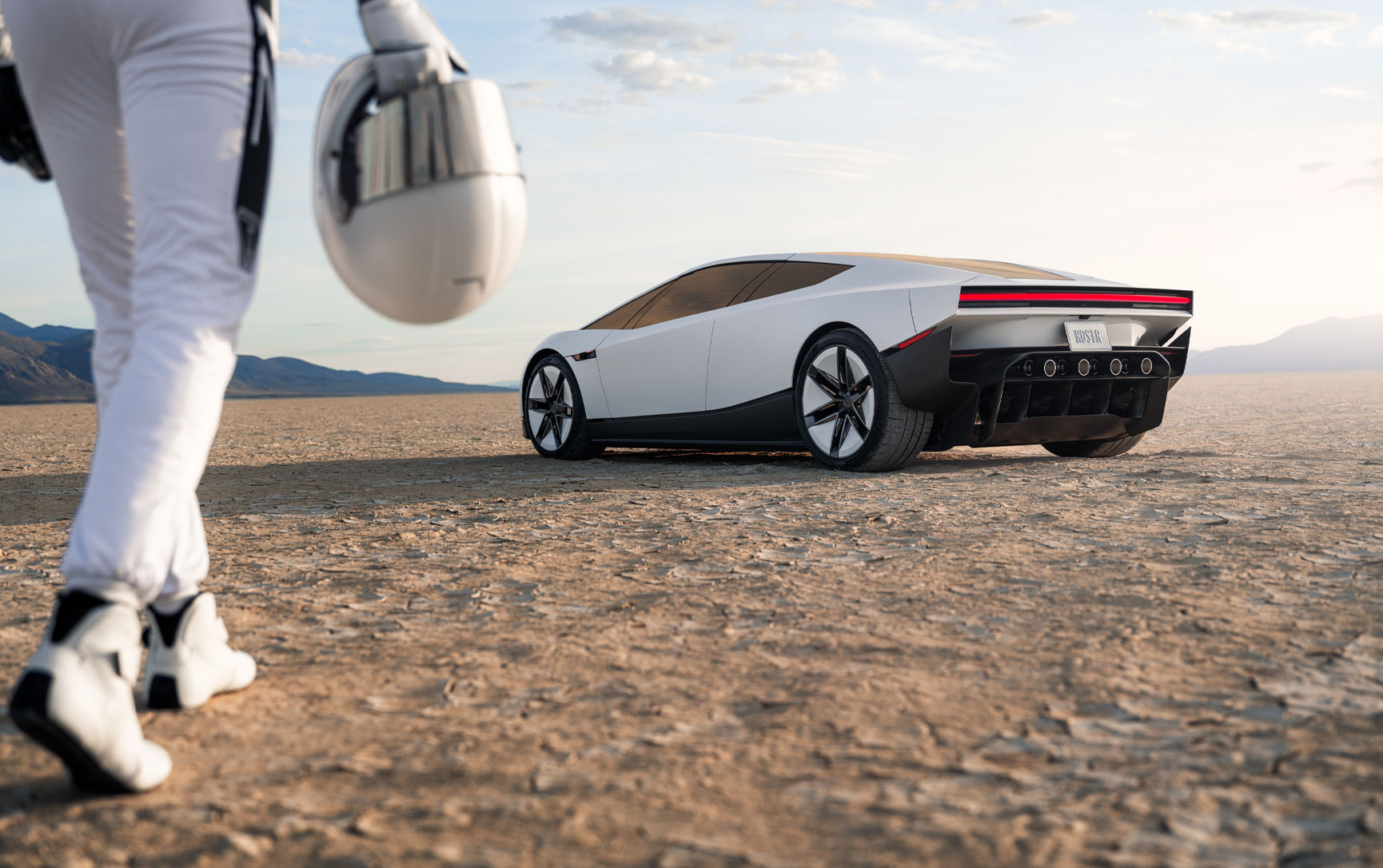
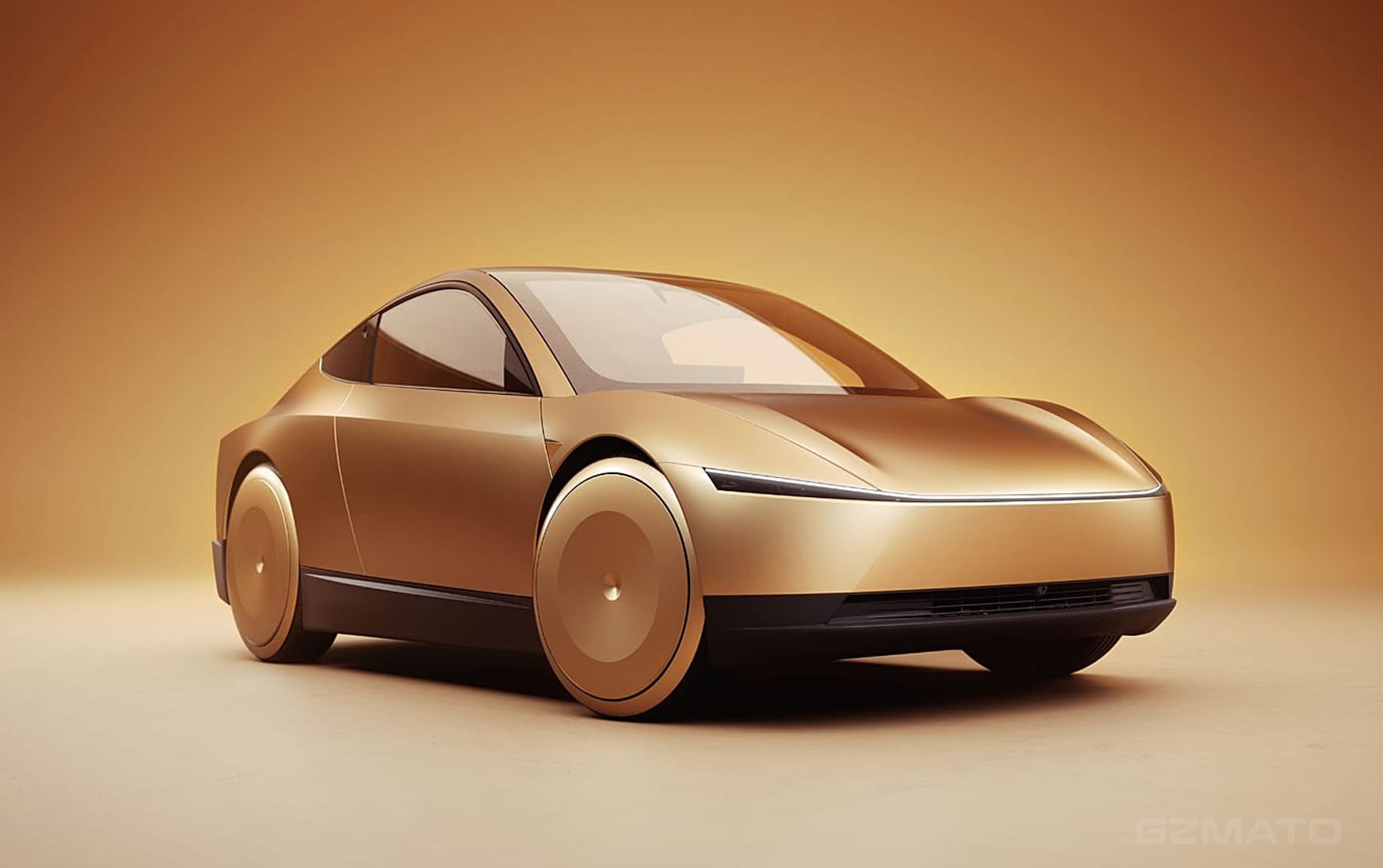
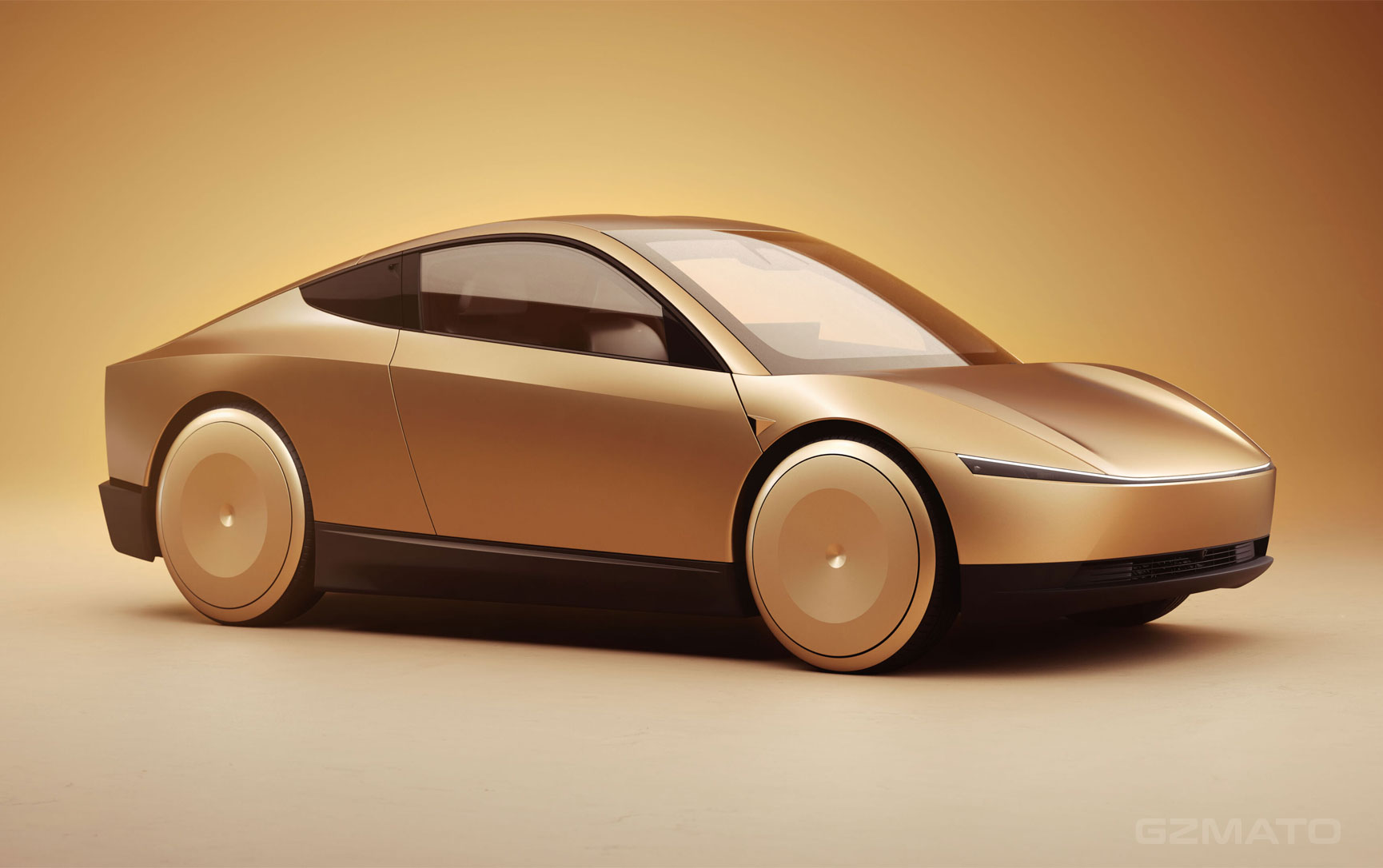
October 17, 2026 — Tesla unveiled the second-generation Roadster earlier this week, and the demonstration was genuinely strange. The car drove up a vertical wall, hovered in midair, flipped, and landed softly. It jumped over a row of parked cars. It reached 60 mph in 0.81 seconds.
Most coverage focused on the spectacle. But the more interesting question is simpler: where does this technology actually make sense? The answer, as it turns out, may not be on Earth at all.
What the Roadster 2 Actually Did
The demonstration at SpaceX's test facility included several distinct maneuvers:
- Wall driving — the car drove along a curved vertical wall, held in place by underbody fans
- Hovering and flipping — the car lifted off the ground, hovered, and rotated mid-air using cold-gas thrusters
- Vertical takeoff — the car lifted straight up and cleared a row of parked Teslas
- Soft landing — the car descended and landed without damage, using reverse thrust
The cold-gas thruster system (codenamed A71) uses compressed air released through nozzles — no combustion, no special propellant. The car carries roughly 600 liters of compressed air in tanks, with about 10 small thrusters distributed around the body for attitude control.
The 0.81-second 0-60 time was measured by Tesla's own equipment, not an independent testing body. The 2G downforce figure comes from the underbody fan system. Both figures are Tesla's own claims and have not been verified by third parties.
The Toy Car You Played With as a Kid (And F1 History)
If the Roadster 2's wall-driving looks familiar, there is a reason. It is the same principle behind a toy that has been sold for years — the remote-control car that drives up walls and across windows.
One of our readers, Stephen Roach, made the connection immediately — and pointed out that this isn't just child's play, it's a principle that world-class race cars use to stay on the ground:
His observation is accurate, and it touches on a real engineering discipline. The toy car's fan creates a low-pressure zone underneath the chassis. External air pressure pushes the car against the surface, generating enough friction to hold it in place. The Roadster 2 does the same thing — just at a much larger scale.
More importantly, Roach is right about racing. In 1978, the Brabham BT46B "fan car" used a massive rear fan to extract air from under the chassis, generating enormous downforce that helped it win its only race before being withdrawn due to protests. Today, McLaren's upcoming W1 hypercar uses an active underbody fan to achieve up to 1,000 kg of downforce. The goal in racing isn't just to stick to walls, but to prevent the car from lifting off the track at 200 mph. The Roadster 2 is applying this proven racing technology to a consumer vehicle — and adding cold-gas thrusters to let it detach from the ground entirely.
The critical difference is what happens when the system fails. A race car loses downforce and loses grip. A toy car falls a few feet onto carpet. A two-ton Roadster 2 with a high-pressure air tank behind the driver's head is a different proposition entirely.
Three Versions, Only One Is Street-Legal
Tesla has structured the Roadster 2 into three distinct configurations. This is the detail most coverage glosses over.
| Version | Seats | Street-Legal? | Key Feature |
|---|---|---|---|
| Performance | 2 | Yes | Base version, no cold-gas thrusters |
| Thrust | 2 | Yes | Cold-gas thrusters for acceleration assist |
| Rocket | 1 | No | Full cold-gas system, hover and wall-drive capability |
The wall-driving and hovering demonstration used the Rocket version — the one explicitly designed for closed-course use only. Musk himself said he is “not sure” the Rocket version will be legal in all jurisdictions.
The Safety Question
This is where the Roadster 2's ambitions run into regulatory and engineering reality.
Musk has been notably candid about the safety trade-offs. He described the Roadster 2 as “not a car optimized for safety” and cautioned that the Rocket version is intended for demonstration purposes. The high-pressure air tanks — roughly 600 liters of compressed gas — sit in the vehicle‘s structure, relatively close to the occupant.
There is also the regulatory dimension. In the United States, any vehicle capable of flight above a certain weight threshold falls under FAA jurisdiction, potentially requiring a pilot’s license. The Roadster 2 Rocket version, if it ever ships, would likely be classified as an aircraft rather than an automobile in most markets.
Why It Makes More Sense on the Moon or Mars
Here is where the engineering logic becomes genuinely interesting. The Roadster 2′s combination of fan-based downforce and cold-gas thrusters is an awkward fit for Earth — but it is close to ideal for low-gravity environments.
On the Moon (about 1/6 Earth gravity) or Mars (about 1/3), conventional vehicles face a fundamental problem: there is not enough gravity to generate traction. Tires lose grip, braking distances become enormous, and steering is unpredictable. The Roadster 2′s underbody fan system solves exactly this problem. By creating artificial downforce, it restores the effective traction that low gravity takes away.
The cold-gas thruster system is equally well-suited. Unlike rocket engines, cold-gas thrusters do not require combustion or specialized propellant. On Mars, compressed air can theoretically be produced locally from the thin atmosphere. This means a vehicle like the Roadster 2 could be refueled without supply chains from Earth.
Some analysts have suggested that the cold-gas thruster system‘s true purpose is not consumer vehicles but precision cargo delivery. Starship can place payloads in orbit or on a planetary surface, but delivering supplies accurately to a specific base location across rough terrain is a separate challenge. A vehicle-sized platform with cold-gas maneuvering and soft-landing capability could fill that gap. The Roadster 2 may be a testbed for that capability, wrapped in a consumer-facing product.
Should You Put Down a Deposit?
Tesla China has opened pre-orders for the Roadster 2 with a RMB 332,000 refundable deposit. But the reservation agreement includes several important caveats.
- The deposit does not constitute a binding purchase order.
- Tesla does not guarantee that the vehicle will be delivered in your region.
- Final pricing and specifications have not been announced.
- Production is targeted for 2028, with no confirmed delivery timeline.
- Regulatory approval for the Rocket version in any market has not been obtained.
The deposit is refundable, but it is effectively an interest-free loan to Tesla for a product that may not ship for two years or more. If you want the Roadster 2 because you want an extremely fast electric sports car, the Performance version is a reasonable target. If you want it because you want a car that flies, that version is not street-legal — and may never be.
Key Takeaways
| # | What You Need to Know About the Tesla Roadster 2 |
|---|---|
| 1 | The flying version is not street-legal — the Rocket version demonstrated at the event is single-seat and restricted to closed courses. |
| 2 | The underbody fan principle is the same as a toy car and F1 history — a fan creates low pressure underneath, and external air pressure pushes the vehicle against the surface. |
| 3 | The 0.81-second 0-60 time is a Tesla measurement — not independently verified. The same applies to the 2G downforce claim. |
| 4 | Cold-gas thrusters use compressed air — no combustion, no special propellant. About 600 liters of compressed air and roughly 10 thrusters. |
| 5 | Safety is a known trade-off — Musk described it as “not optimized for safety,” and the high-pressure tanks sit near the occupant. |
| 6 | Low-gravity environments are the real use case — on the Moon or Mars, the fan system solves traction problems and the cold-gas thrusters enable precise cargo delivery. |
| 7 | RMB 332,000 deposit is refundable but not a binding order — production is targeted for 2028, and regional availability is not guaranteed. |
- Tesla Official — Roadster 2 event livestream and demonstration
- Bloomberg — Roadster 2 demonstration coverage, Musk statements on safety and legality
- Reuters — Launch event report, version configurations, production timeline
- The Verge — Hands-on analysis, A71 cold-gas thruster system details
- CNBC — 0.81-second acceleration claim, Tesla measurement context
- Ars Technica — Engineering analysis of fan downforce and cold-gas systems
- IT之家 — China pre-order details, RMB 332,000 deposit, reservation agreement terms
- 新浪科技 — China pricing and pre-order availability
- Stephen Roach — Reader contribution on toy car principle, F1 racing history, and safety concerns
Gaming Consoles | PC Accessories | Audio | Streaming Devices
Special Offer: Use code TECH2026 for a discount on your first order!
Shop Tech at GzmatoOur team can help you explore related tech products and accessories that bring similar engineering principles into your home. Chat with us or open a request.
- Tesla Roadster 2
- Roadster 2 aerodynamics
- F1 fan car
- Brabham BT46B
- Tesla cold gas thruster
- Roadster 2 safety
- Tesla Roadster 2 China pre-order
- Tesla Mars vehicle
- Gzmato