Apple's M6 Wave: MacBook Pro and iMac Upgrades Announced
Apple's M6 Wave: MacBook Pro and iMac Upgrades
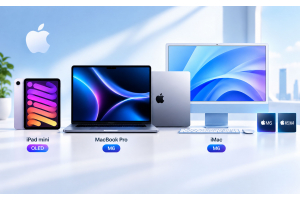
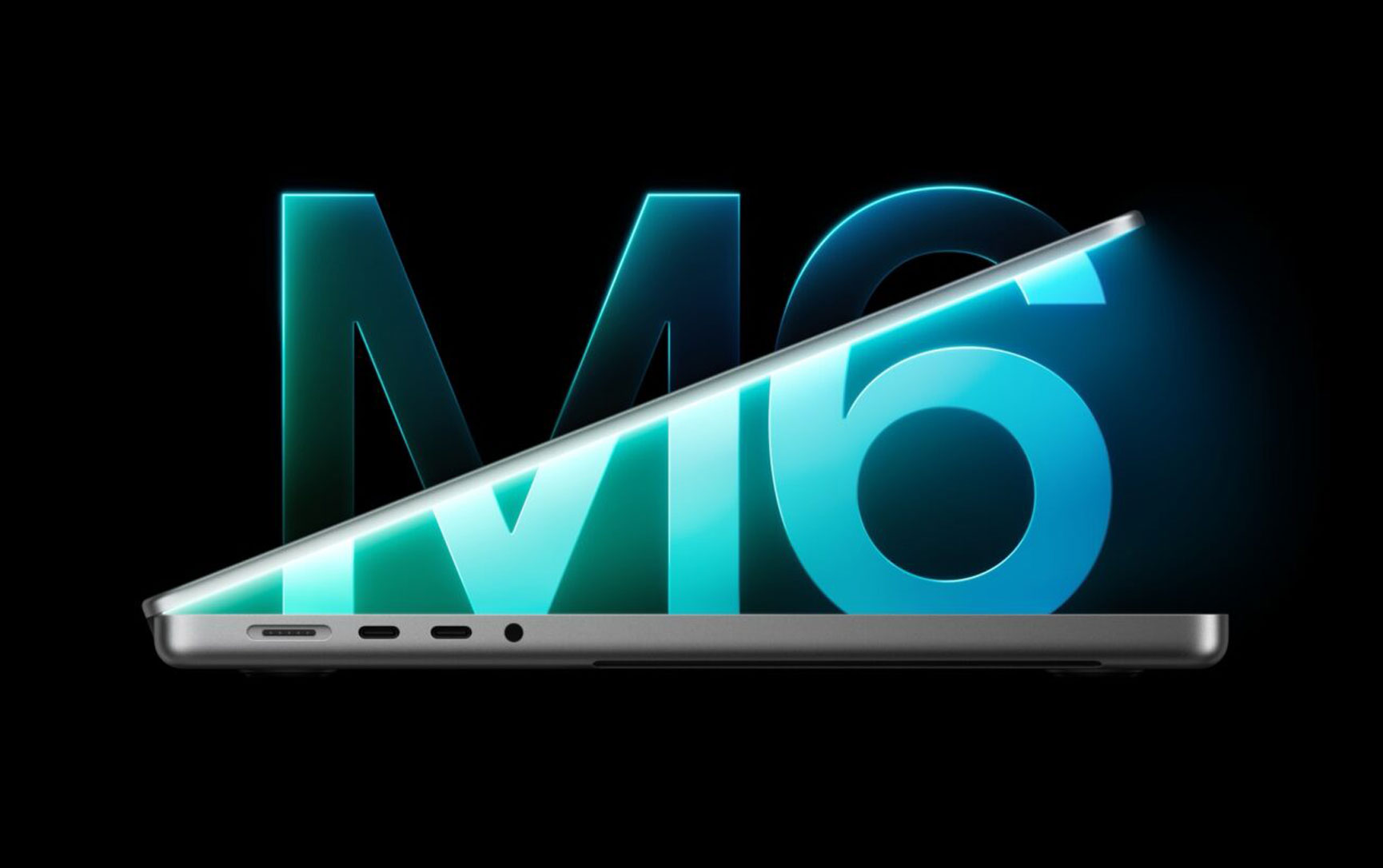
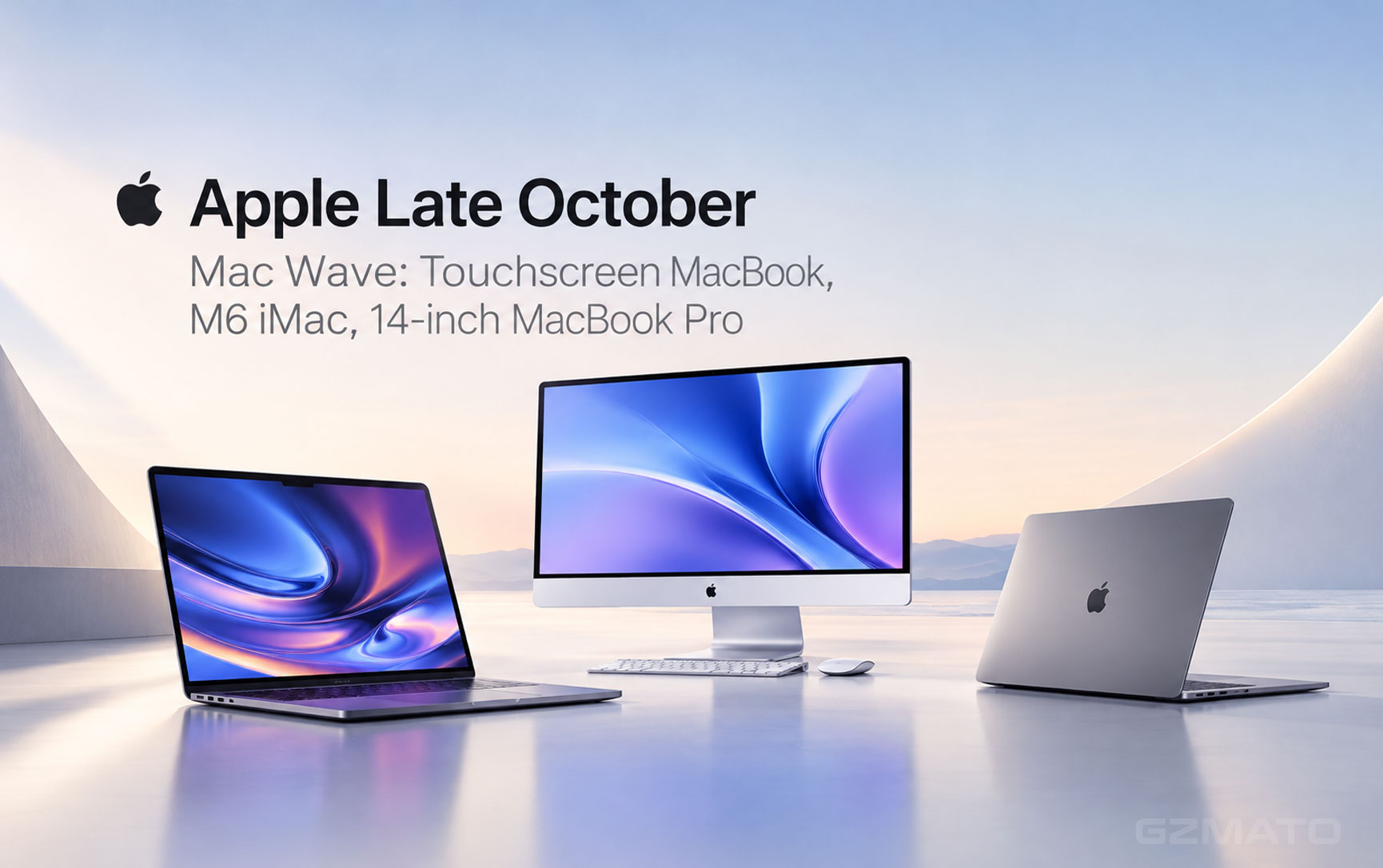
October 28, 2026 — Without a major event, Apple has updated two of its core Mac products via press release: the 14-inch MacBook Pro and the 24-inch iMac, both powered by the new M6 chip. The updates are a classic “spec bump,” bringing a faster processor, improved connectivity, and in the case of the iMac, new color options.
But with the highly anticipated “Pro and Tell” event happening tomorrow, these releases raise an important question: should you buy these standard M6 models now, or wait for the high-end, redesigned devices that are just around the corner?
The M6 Chip: What Actually Changed
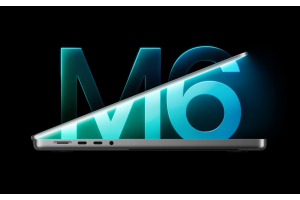
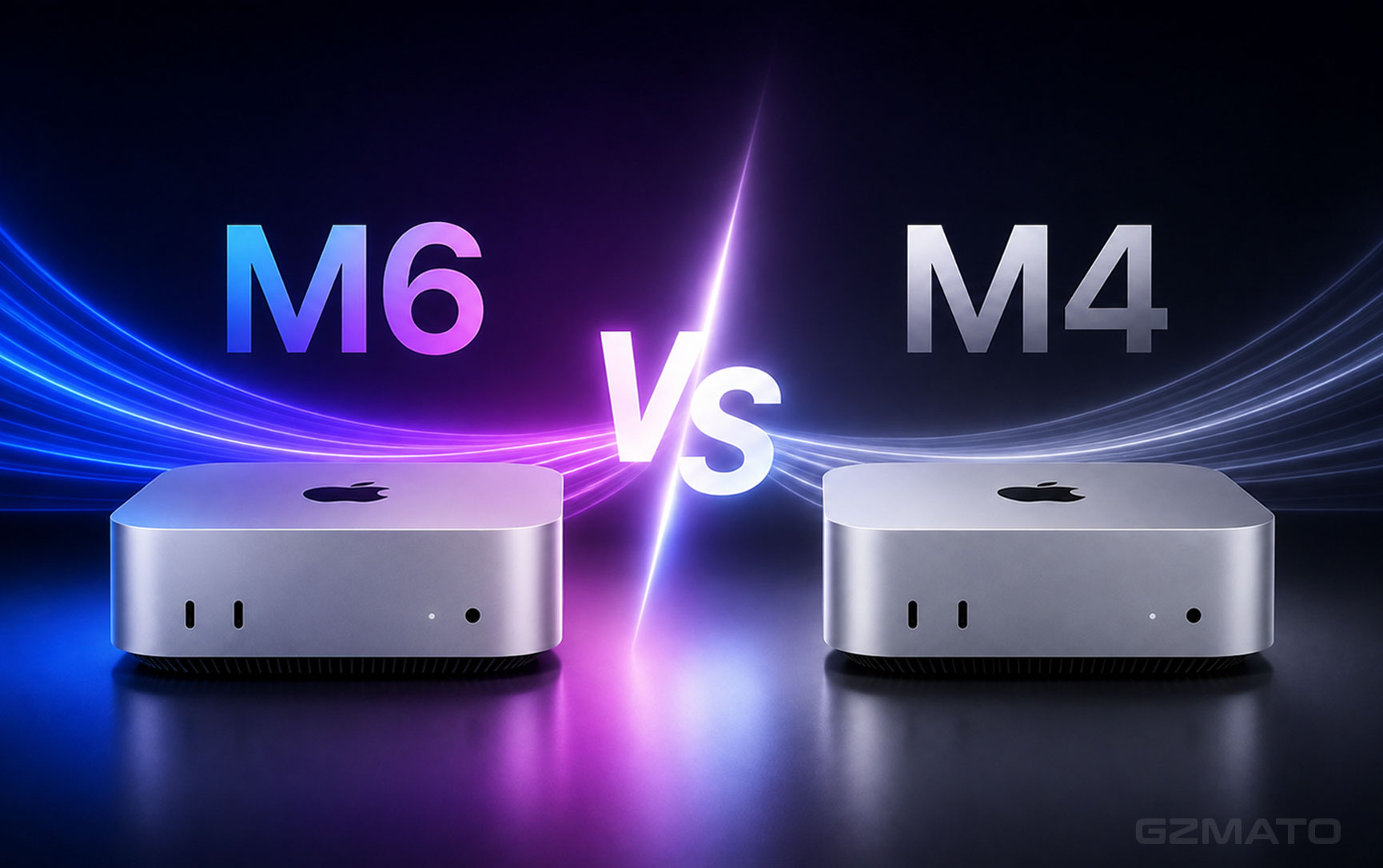
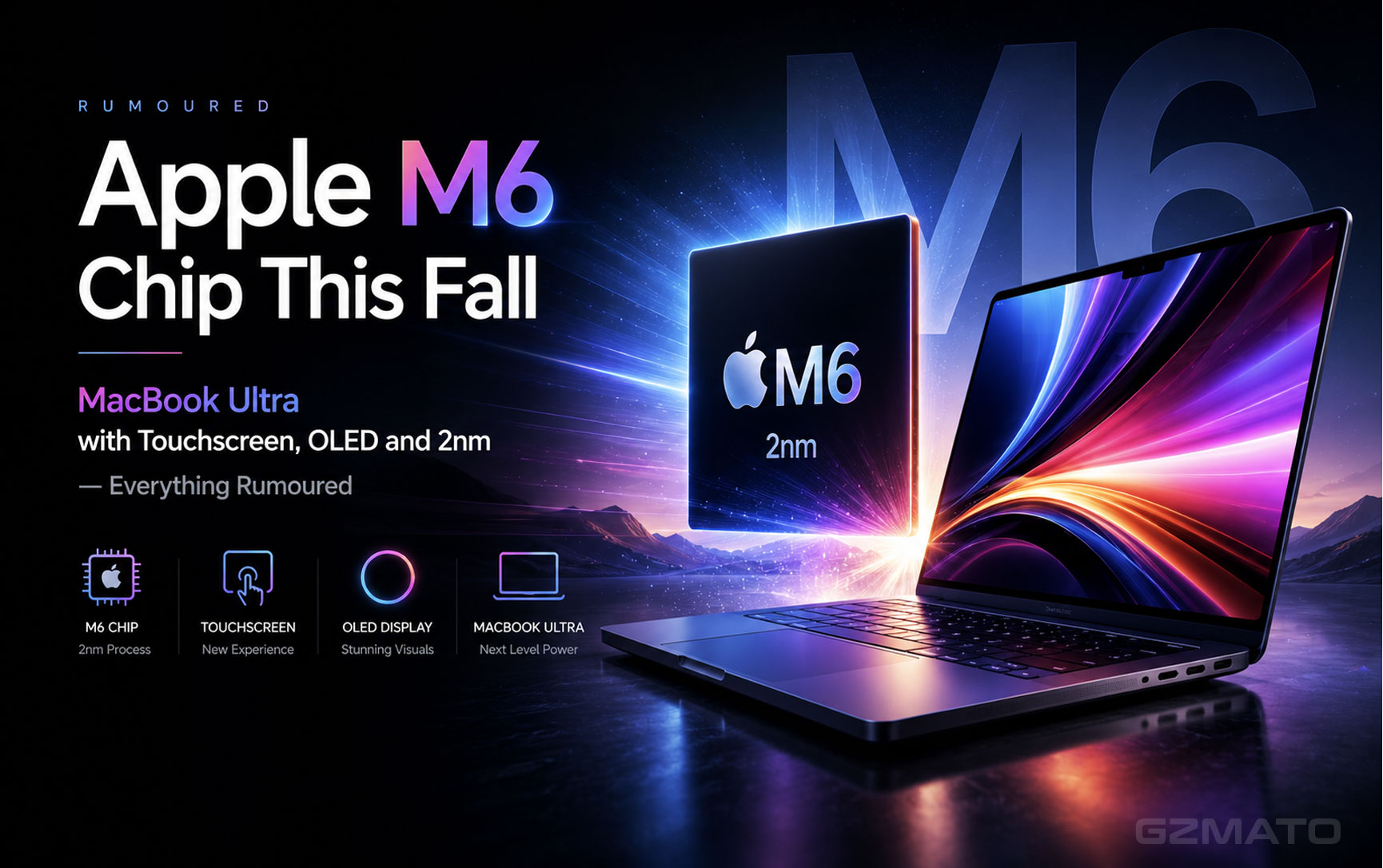
The M6 is built on a 2nm process, a step down from the M5’s 3nm. It uses a new CPU layout with two “super cores,” four performance cores, and six efficiency cores, for a total of 12 cores (up from 10 on the M5). The GPU also gains two cores, reaching 12, with Neural Accelerators integrated into each core.
| Spec | M6 Mac | M5 Mac |
|---|---|---|
| Process | 2nm | 3nm |
| CPU | 12 cores | 10 cores |
| GPU | 12 cores | 10 cores |
| Neural Engine | Dual 16-core (32 total) | 16 cores |
| Memory Bandwidth | Up to 170GB/s | 153GB/s |
| Wireless | Wi-Fi 7, Bluetooth 6 | Wi-Fi 6E, Bluetooth 5.3 |
Apple claims the M6 delivers up to 20% faster multithreaded CPU performance and 30% faster graphics compared to the M5. For AI workloads, the dual Neural Engine offers up to 1.9x the performance of the previous generation.
Apple’s published CPU comparison was conducted between an M6 Mac mini and an M5 MacBook Pro, not a direct laptop-to-laptop test. Independent benchmarks under sustained workloads are still needed to verify the real-world gains.
M6 MacBook Pro: A Spec Bump, Not a Redesign
The new 14-inch MacBook Pro keeps the same chassis, the same Liquid Retina XDR display with 120Hz ProMotion, and the same port layout including three Thunderbolt 4 ports, HDMI, SDXC, and MagSafe 3. The only meaningful change is under the hood: the M6 chip and Wi-Fi 7.
There is no M6 Pro or M6 Max — this is the entry-level model only. Apple is reportedly skipping the high-end M6 generation entirely, saving M7 Pro/Max for future machines.
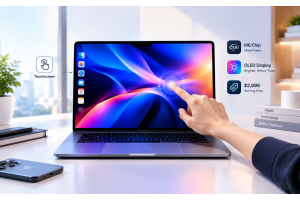
This is the base model MacBook Pro in Apple’s lineup, replacing the previous model powered by the M5 chip. Apple is also still selling the M5 Pro and M5 Max MacBook Pro models — which rumors say will get a massive upgrade as soon as tomorrow, bringing OLED displays and touchscreens. If you are interested in the new high-end redesign, read our full breakdown of the touchscreen MacBook Pro pricing and specs here.
M6 iMac: New Chip, New Colors, Same Design
The 24-inch iMac also gets the M6 chip, but its update is even more modest than the MacBook Pro’s.
The design remains identical to the 2021 M1 iMac — the thin, colorful all-in-one that has become a staple of Apple’s desktop lineup. The changes are limited to the M6 chip, Wi-Fi 7 and Bluetooth 6 support, and three new color options. Apple has not specified which colors are new, but the full palette is expected to remain vibrant.
One notable absence: there is no OLED display on the iMac. Reports suggest that OLED for the iMac is still years away.
Pricing and Availability
| Model | U.S. Price | China Price |
|---|---|---|
| 14-inch MacBook Pro (M6, 16GB/1TB) | $1,999 | RMB 15,999 |
| 14-inch MacBook Pro (M6, 24GB/1TB) | $2,199 | Higher |
| 24-inch iMac (M6, 16GB/1TB) | $1,299 | RMB 10,499 |
| 24-inch iMac (M6, 24GB/1TB) | $1,499 | Higher |
Pre-orders open in China on October 29 at 1:10 AM. Both devices will be available on November 6 through Apple’s online store, the Apple Store app, and authorized resellers.
Who Should Upgrade, Who Should Wait
| Your Situation | Recommendation |
|---|---|
| Using an Intel or M1 Mac | Worth upgrading. The jump from M1 to M6 is substantial, especially for local AI workloads, and you get a modern port selection and better battery life. |
| Using an M5 MacBook Pro or M4 iMac | Skip it. The M5 is already excellent for everyday tasks. Unless you run local AI models or do heavy 3D rendering, the 20% CPU bump will be hard to notice. |
| Waiting for the touchscreen MacBook | Wait for tomorrow’s event. The OLED touchscreen model is expected on October 28. It will likely cost significantly more, but if touch and OLED matter to you, don’t buy the M6 today. |
| Interested in the iMac | Wait if you want new colors or the M6 chip. Buy now if you need a desktop and find the current M4 model discounted. The design is unchanged either way. |
Key Takeaways
| # | What You Need to Know |
|---|---|
| 1 | M6 is a chip upgrade, not a redesign — same chassis, same displays, same ports as the M5 MacBook Pro and M4 iMac. |
| 2 | 12-core CPU and GPU — up from 10 cores each on the M5, with a 2nm process and up to 170GB/s memory bandwidth. |
| 3 | Dual 16-core Neural Engine — 32 total Neural Engine cores, targeting local AI workloads like LLM inference and image generation. |
| 4 | Wi-Fi 7 and Bluetooth 6 are now standard — on both the MacBook Pro and the iMac. |
| 5 | MacBook Pro starts at $1,999 / RMB 15,999; iMac starts at $1,299 / RMB 10,499 — prices are largely unchanged from previous generations. |
| 6 | No M6 Pro or M6 Max — Apple is skipping the high-end M6 generation entirely, focusing on M7 for future Pro/Max chips. |
| 7 | Wait for tomorrow’s event if you want touch or OLED — the redesigned, touchscreen MacBook Pro is expected on October 28, with a likely higher price tag. |
- Apple Newsroom — Official 14-inch MacBook Pro and 24-inch iMac with M6 announcements, pricing, and specifications
- MacObserver — M6 vs. M5 specification comparison and performance analysis
- ZDNET — M6 performance claims, memory configuration, and upgrade advice
- TechRepublic — AI performance details, Thunderbolt 4 limitation, and upgrade guidance
- Yahoo Tech — Pricing context, battery life, and Wi-Fi 7 confirmation
- 凤凰网科技 / IT之家 / 太平洋科技 — China pricing, pre-order and availability dates, iMac color options
USB-C Cables | Chargers | Docking Stations | Screen Protectors | Mac Accessories
Special Offer: Use code TECH2026 for a discount on your first order!
Shop Mac Accessories at GzmatoOur team can help you compare the options based on your workflow, budget, and how soon you need a new Mac. Chat with us or open a request.
- M6 MacBook Pro
- M6 iMac
- Apple M6 chip
- M6 vs M5
- MacBook Pro 2026
- iMac 2026
- Apple October event
- Gzmato