Mac mini M6 vs M4: Apple's 2nm AI Desktop — Who Should Buy?
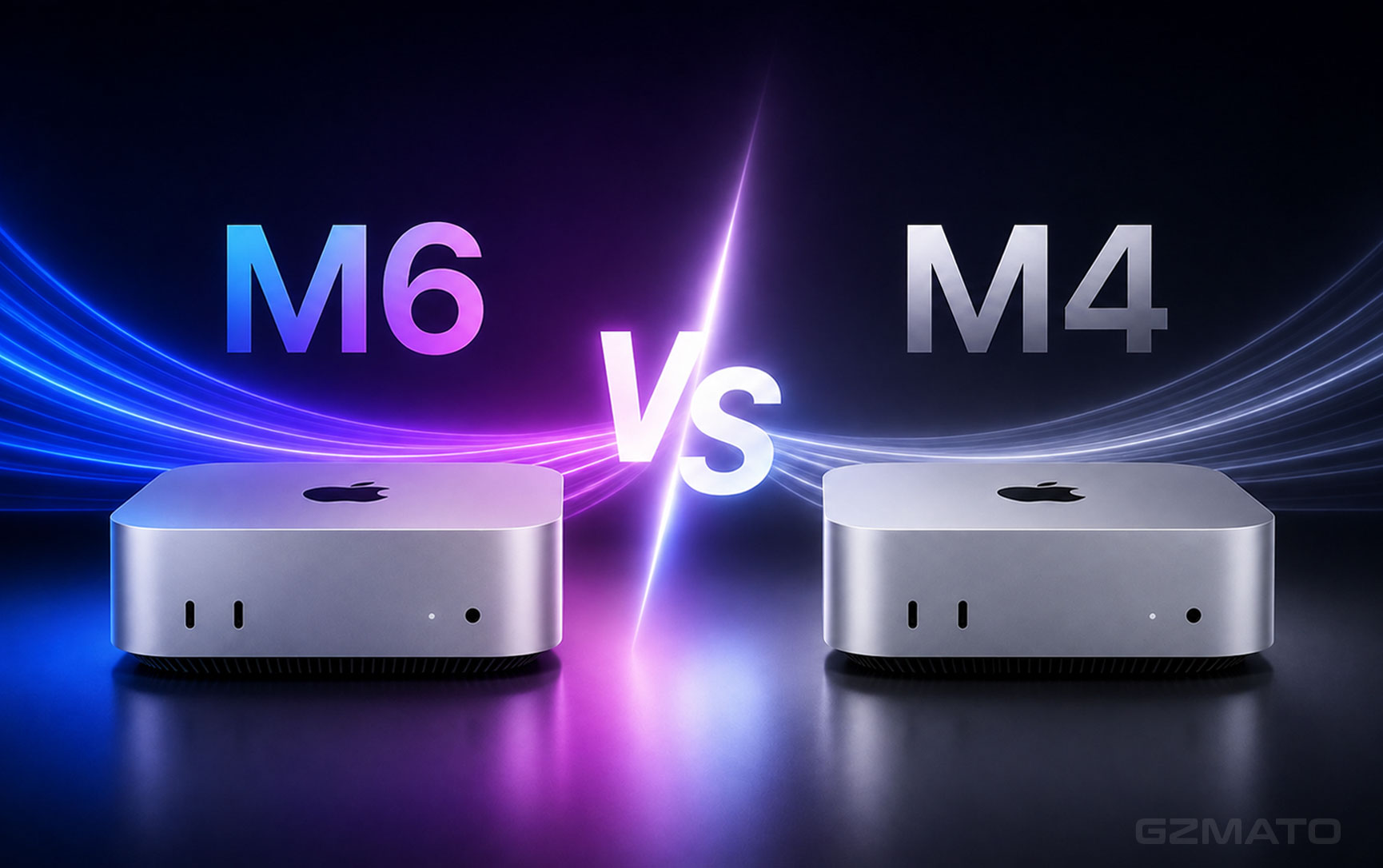
August 25, 2026 — Apple quietly dropped a new Mac mini, and it's anything but a minor update. For the first time in its desktop lineup, Apple has equipped its smallest Mac with the M6 chip — a 2nm processor that prioritizes AI performance above all else .
But there's a catch. The starting price jumped from $599 to $899 in the US, and from 4,499 RMB to 6,999 RMB in China — a 1,000 RMB increase over the most recent M4 configuration, and a staggering 2,500 RMB above the original M4 launch price . The days of the $599 Mac mini are over.
The question isn't whether the new Mac mini is impressive — it is. The question is: who is it actually for?
What's New: M6 Chip, AI Performance, and Connectivity
The headline feature is the M6 chip — Apple's first 2nm desktop processor, manufactured by TSMC .
Here's what's under the hood:
Apple claims the M6 delivers up to 4x faster AI performance, 2x faster graphics, and 40% faster CPU performance than the M4 model it replaces . In real-world terms, LM Studio prompt processing is up to 13.5x faster than M1 and 4.8x faster than M4 .
The shift from 3nm to 2nm isn't incremental — it's a foundational change. 2nm allows for higher transistor density, which Apple has used to pack in two super-cores (a first for M-series mainstream chips) and dual 16-core Neural Engines . The result is a chip that can handle local AI workloads that would have choked previous generations .
Who Should Buy: Four User Scenarios
The new Mac mini has repositioned itself from "budget Mac" to "AI desktop." That means the buyer profile has shifted dramatically . Here's who should — and shouldn't — buy it:
✅ Buy This If:
❌ Skip This If:
- You're on a tight budget: The M4 Mac mini was $599; the M6 is $899. For casual web browsing, documents, and streaming, this is overkill . Consider a refurbished M2/M4 mini or a budget Windows mini PC instead.
- You need Windows software or 3D gaming: macOS game support is still limited; many industry-specific Windows applications don't have Mac versions .
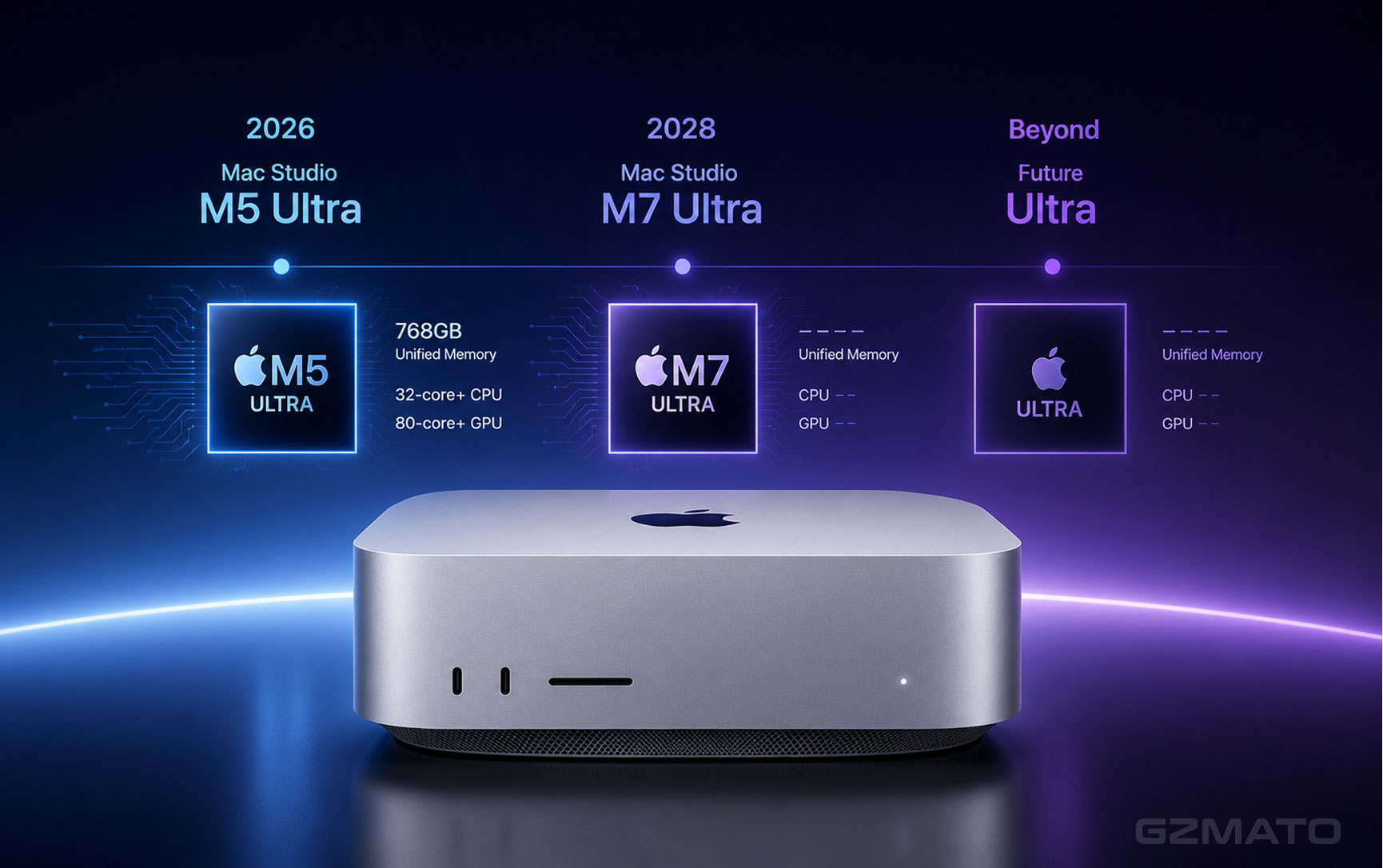
- You need massive RAM for huge AI models: The M6 maxes out at 32GB — not enough for the largest open-source models. Consider Mac Studio with M5 Max or Ultra .
Mac mini M6 vs M4: Is the Upgrade Worth It?
For existing M4 Mac mini owners, the upgrade decision depends on your workload .
It's worth noting that Apple also raised the price of the entry-level M4 configuration earlier this year to 5,999 RMB, narrowing the gap . But the comparison below uses the most recent pricing:
Upgrade verdict: If you're running AI workloads, the upgrade is worth it — 4x AI performance and 32GB RAM support are game-changers . If you're doing general productivity, the M4 is still excellent — wait for the M6 to hit the refurbished or discount market .
Beyond Apple: Windows Mini PCs vs. M6 Mac mini
At 6,999 RMB, the M6 Mac mini now competes directly with premium Windows mini PCs — and the comparison is more complicated than you might think .
Specs vs. Value: The Windows Advantage
Windows mini PCs at similar price points often offer more hardware on paper: larger storage, more RAM, and even dedicated graphics cards. Some systems in the 6,000-8,000 RMB range feature AMD Ryzen AI 7 processors with 50 TOPS NPU performance, configurable up to 126 TOPS total system AI compute .
But here's the catch: that "50 TOPS" NPU performance doesn't always translate to real-world AI performance . Windows AI workflows often require dealing with driver issues, separate GPU memory, and fragmented software support .
Where the M6 Mac mini wins
The Mac mini's advantage is unified memory architecture. The CPU, GPU, and Neural Engine share the same 170 GB/s memory pool . In Windows, the GPU has its own separate memory, creating data movement bottlenecks that slow down AI workloads .
For AI developers, the Mac mini offers a frictionless experience: install LM Studio or Ollama, load a model, and run — no driver installation, no GPU configuration, no crashes . The M6's dual 16-core Neural Engine and per-GPU neural accelerators are purpose-built for this workflow .
Some Windows mini PCs, such as the Beelink GTR9 PRO with Ryzen AI Max+ 395, claim to run DeepSeek 7B at 47 tokens per second — impressive on paper. But these are still early figures, and Apple hasn't released comparable tok/s numbers for the M6 . Until independent benchmarks arrive, the "who's faster" debate is unresolved.
What is clear: Windows mini PCs offer more flexibility for upgrades (RAM, storage, ports) and broader software compatibility, while the Mac mini offers a more polished, integrated experience — especially for those already in the Apple ecosystem.
Shop Tech & Electronics at Gzmato
Mac Accessories | Laptops | Smart Home Devices | In Stock Now
Special Offer: Use code TECH2026 for a discount on your first order!
Shop Now at GzmatoWe're actively expanding our catalog and can often source specific models on request. Chat with our team or open a request.
Key Takeaways
- 上游新闻 / 澎湃新闻 — M6 Mac mini launch details, 2nm M6 chip, 6,999 RMB price
- 南方财经 / 北京商报 — Price history and "last Tim Cook product" context
- 天极网 / 小刀马 — Use case analysis, price/value breakdown, buyer recommendations
- SearchingC — M6 Mac mini vs Mac Studio comparison, real-world performance analysis
- 36Kr / 爱范儿 — Full technical specifications, benchmark data, connectivity upgrades
- PCMag Australia — Detailed M4 vs M6 comparison, upgrade recommendations
- 今日头条 / AI办公生态 — Windows mini PC AI performance comparison, tok/s benchmarks
- 星岛环球网 / 快科技 — 2nm process details, dual NE cores, application performance data
- Mac mini M6
- M6 chip
- 2nm Mac mini
- Mac mini vs M4
- Apple AI desktop
- Mac mini buying guide
- Windows mini PC vs Mac mini
- Gzmato
- 2026