The Best Medical Equipment in the World: How Cutting-Edge Technology is Transforming Healthcare
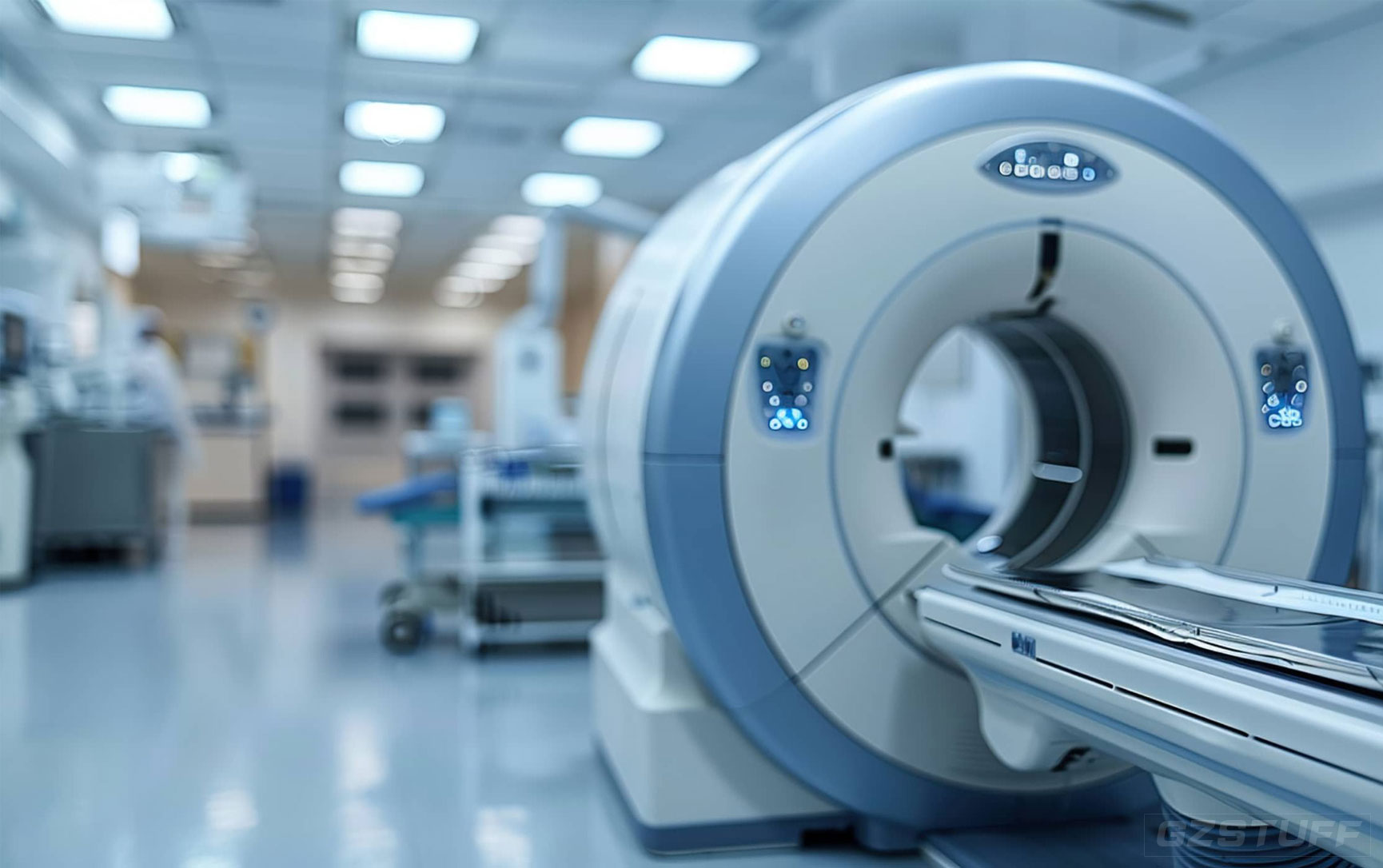
In the ever-evolving world of healthcare, technology is playing a transformative role in diagnosing, treating, and caring for patients. From robotic surgeries to AI-powered diagnostic tools, today's medical equipment is not just advanced; it's life-changing. In this post, we'll explore some of the most groundbreaking medical devices currently making waves in the healthcare world and discuss how they benefit human health.
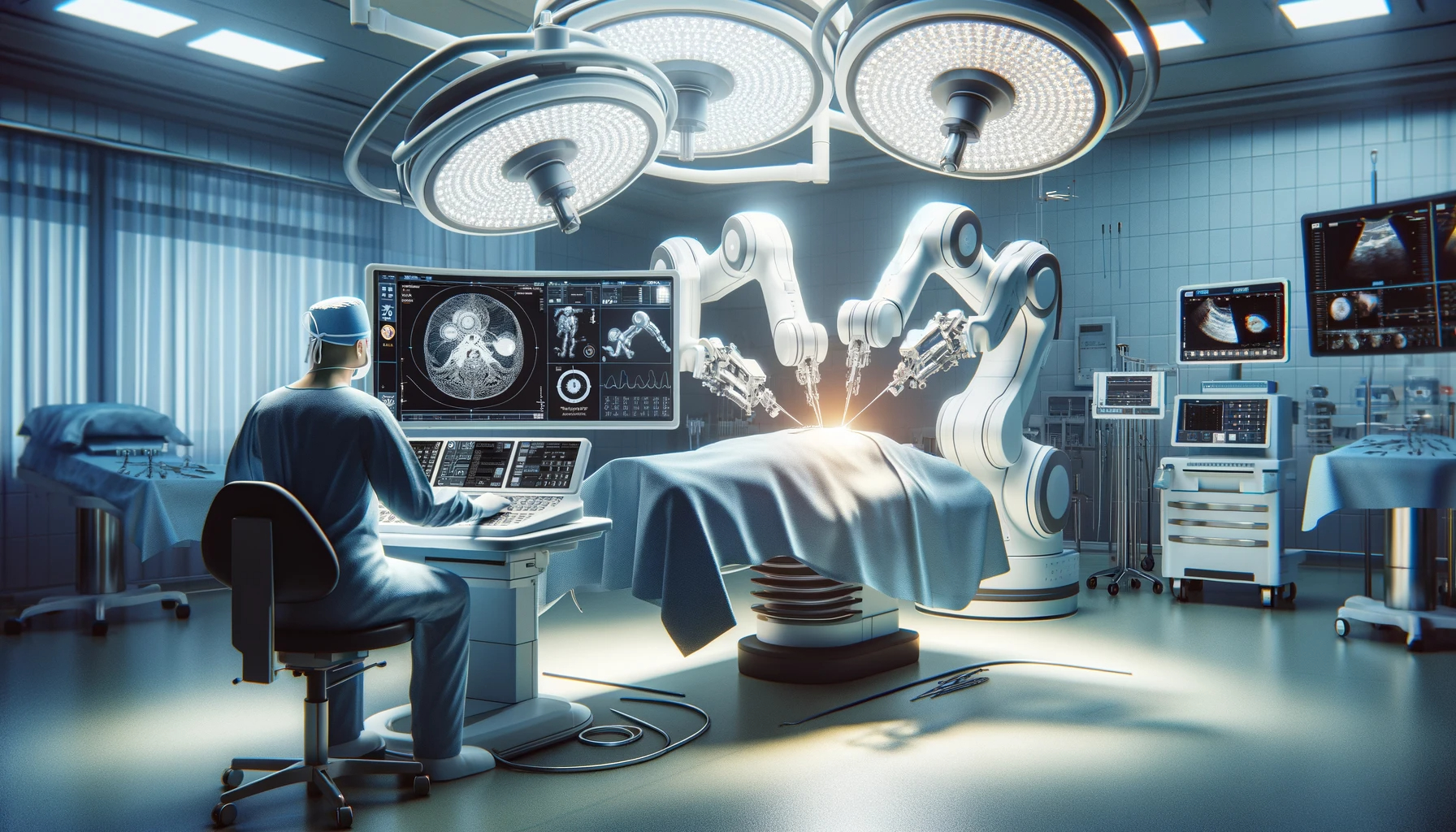
1. Robotic Surgery Systems: Precision in the Operating Room
One of the most impressive innovations in modern surgery is robotic systems like the da Vinci Surgical System. These robots offer surgeons precision that was previously unimaginable, making even the most complex procedures safer and more efficient.
Benefits:
- Minimally invasive: Smaller incisions mean less pain, shorter recovery times, and reduced risk of infection.
- Greater accuracy: Robotic arms can perform movements with unparalleled precision, allowing surgeons to avoid complications like excessive bleeding.
- Enhanced visualization: Surgeons can use high-definition, 3D imaging to navigate tricky areas, improving outcomes.
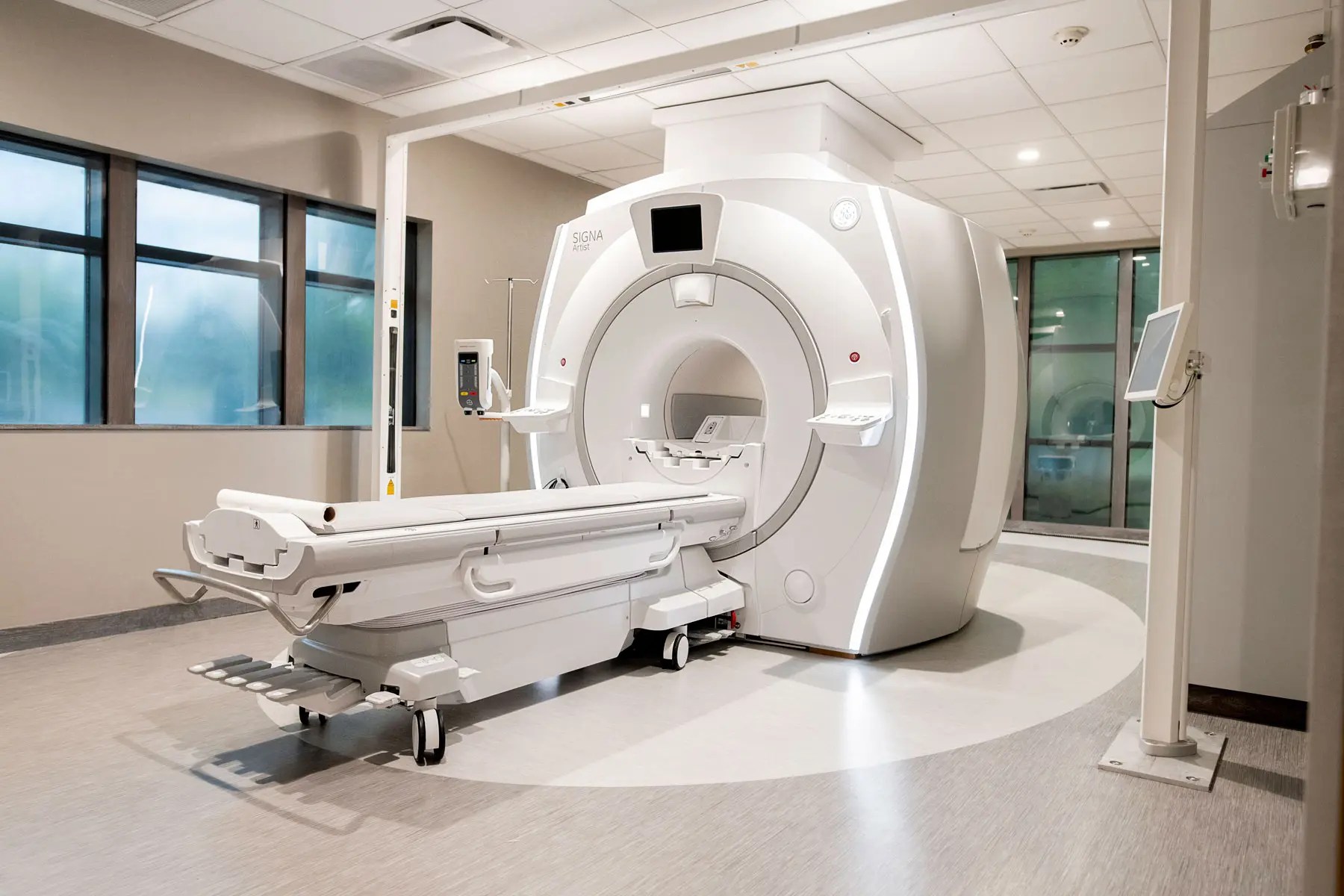
2. MRI Machines: Detailed, Non-Invasive Diagnostics
MRI (Magnetic Resonance Imaging) machines are a cornerstone of modern diagnostics. These devices use strong magnetic fields to generate detailed images of soft tissues like the brain, heart, and muscles, without the need for invasive procedures or harmful radiation.
Benefits:
- Early disease detection: MRIs can uncover issues such as brain tumors, joint damage, and heart disease at their earliest stages.
- Safe and non-invasive: Unlike CT scans or X-rays, MRIs don’t expose patients to radiation, making them a safer option for frequent imaging.
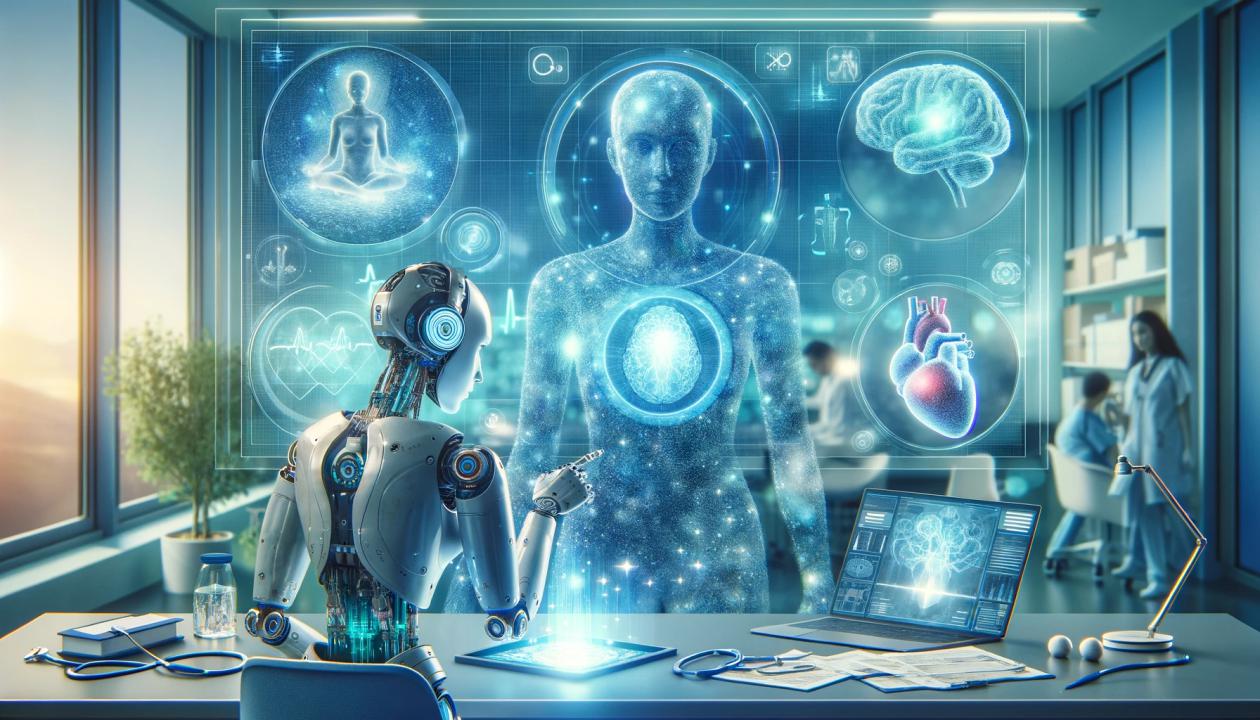
3. AI-powered Diagnostics: The Future of Faster, Smarter Healthcare
AI technology is revolutionizing healthcare by providing faster and more accurate diagnoses. Tools like IBM Watson Health and Google Health AI can analyze vast amounts of medical data—like lab results and imaging scans—faster than any human could.
Benefits:
- Speed and accuracy: AI can analyze medical images and patient data to identify issues early and recommend treatment options.
- Personalized care: With its ability to process individual patient data, AI can tailor treatment plans that are specifically designed for each patient.
- Reduced errors: By assisting clinicians in decision-making, AI minimizes the risk of human error in diagnosing and treating patients.
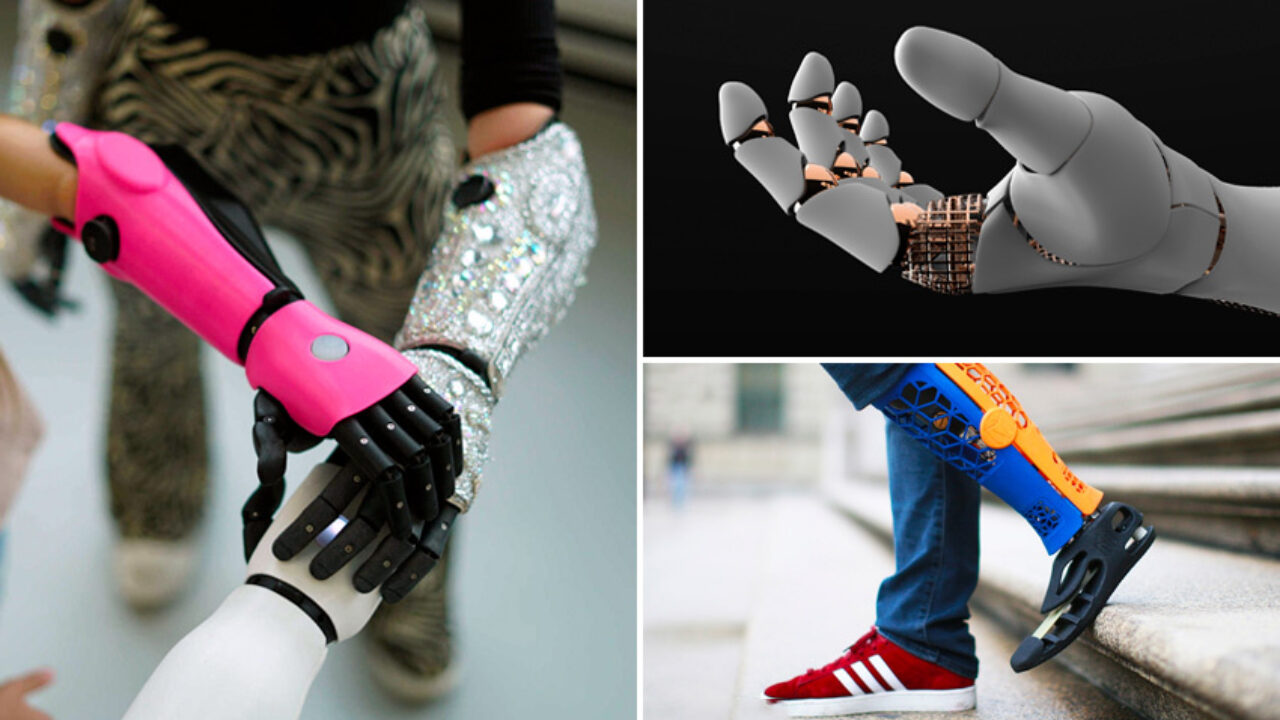
4. 3D Printing: Customized Prosthetics and Organ Models
3D printing has revolutionized everything from manufacturing to healthcare. In the medical field, it’s enabling the creation of personalized prosthetics and even detailed models of organs for surgical planning.
Benefits:
- Tailored solutions: Prosthetics and implants can now be 3D printed to match a patient’s exact body measurements, improving comfort and function.
- Pre-surgical planning: Surgeons can practice complicated procedures on 3D-printed models of a patient’s organs, improving the likelihood of successful outcomes.
- Affordable innovation: 3D printing reduces the cost of prosthetics and implants, making them more accessible to a broader population.
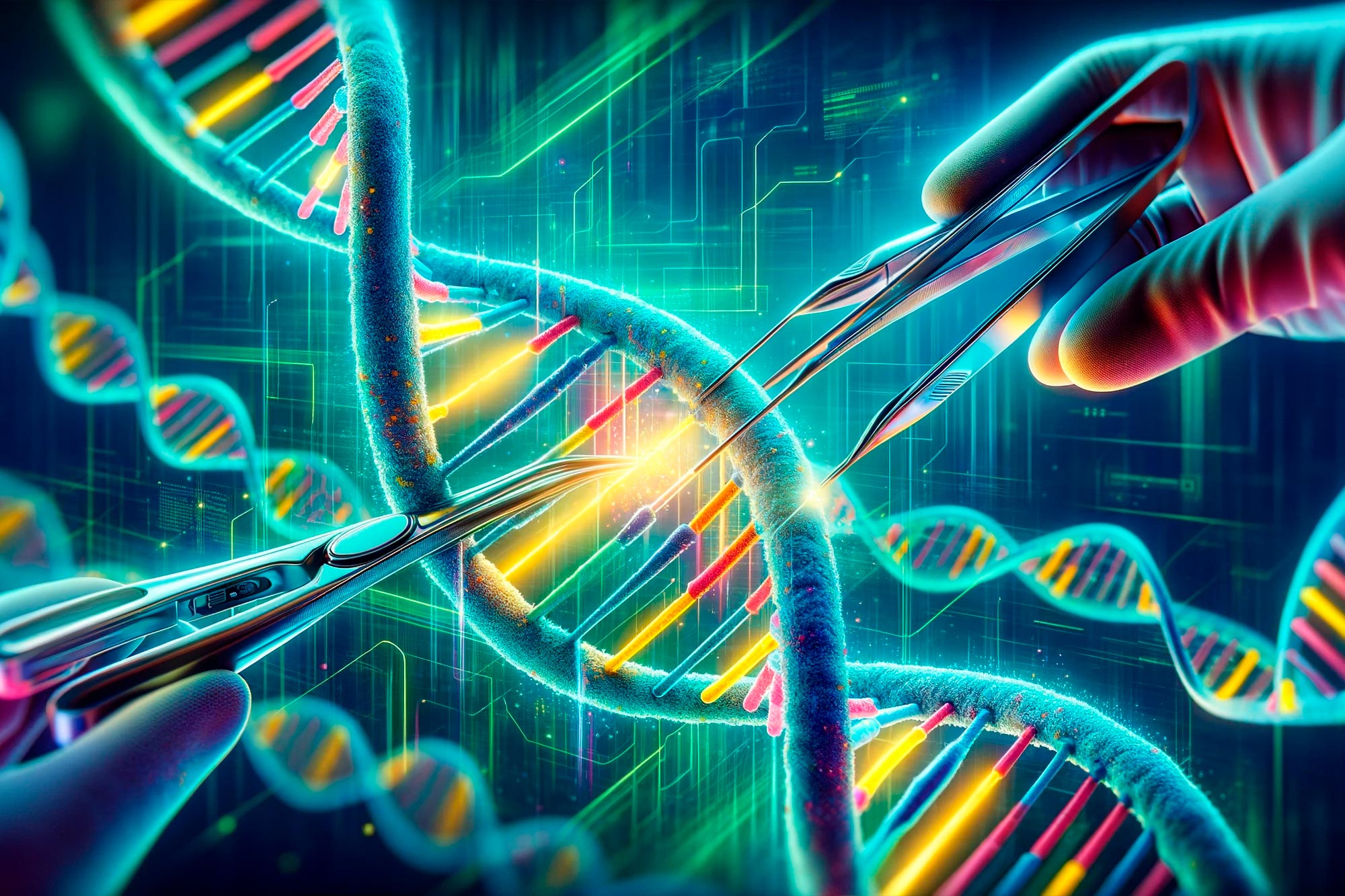
5. Gene Editing: A Breakthrough in Treating Genetic Diseases
Gene editing technologies like CRISPR-Cas9 are pushing the boundaries of what we thought was possible in medicine. This powerful tool allows scientists to edit DNA with incredible precision, offering the potential to cure genetic disorders at their root.
Benefits:
- Curing genetic diseases: Conditions like sickle cell anemia, cystic fibrosis, and Duchenne muscular dystrophy could be treated or even eradicated using gene editing.
- Personalized treatments: Gene editing could enable doctors to tailor treatments to a patient’s unique genetic makeup, improving effectiveness.
- Preventative medicine: Gene editing might eventually prevent hereditary diseases from being passed down to future generations.
5. Wearable Health Tech: Monitoring Your Health in Real-Time
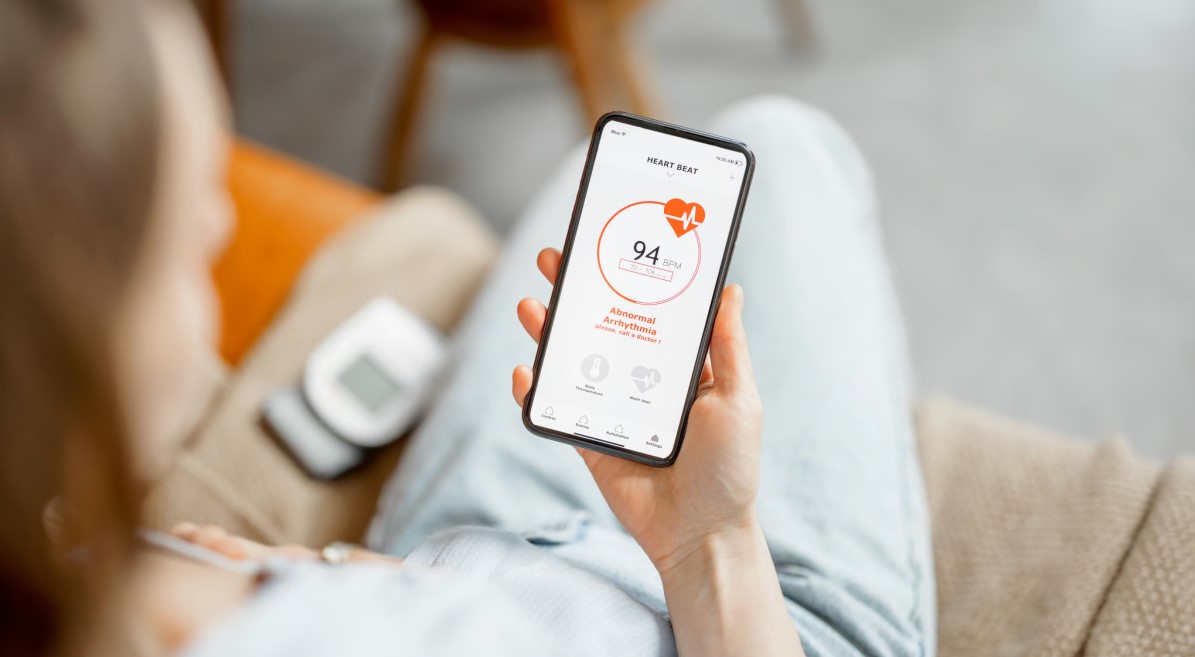
Wearable devices like the Apple Watch, Oura Ring, and continuous glucose monitors (CGMs) are changing the way we monitor our health. These devices allow us to track everything from heart rate and activity levels to blood sugar and sleep patterns in real-time.
Benefits:
- Continuous monitoring: Wearables can track key health metrics all day, every day, giving users real-time insights into their health status.
- Chronic disease management: Devices like CGMs help people with diabetes manage their blood sugar, reducing the risk of complications.
- Prevention and early detection: Wearables can flag potential issues, such as irregular heart rhythms, long before they become serious, allowing for early intervention.

6. Telemedicine: Healthcare at Your Fingertips
Telemedicine platforms have become essential tools for providing remote care, especially in areas where access to healthcare professionals is limited. With a smartphone or computer, patients can consult with doctors, receive prescriptions, and even have follow-up appointments—all without leaving home.
Benefits:
- Improved access: Telemedicine bridges the gap for patients in rural or underserved areas, ensuring they have access to high-quality care.
- Convenience: Patients can have consultations from the comfort of their homes, saving time and reducing the stress of travel.
- Continuity of care: For chronic disease management or post-operative checkups, telemedicine helps maintain consistent care without the need for frequent office visits.

7. Advanced Dialysis Machines: Better Care for Kidney Patients
Dialysis machines are a lifeline for people with kidney failure. The latest advancements in dialysis technology are making treatments more efficient and less disruptive to patients' daily lives.
Benefits:
- Better kidney support: New dialysis machines provide more effective filtration, improving patients' overall health and well-being.
- Home dialysis: Some of the latest machines are compact and easy to use at home, offering greater flexibility for patients who would otherwise need to visit a clinic several times a week.
- Fewer side effects: Newer machines minimize common complications like blood pressure fluctuations and infections, providing a safer treatment experience.
8. High-Resolution CT Scanners: Clearer, Faster Imaging
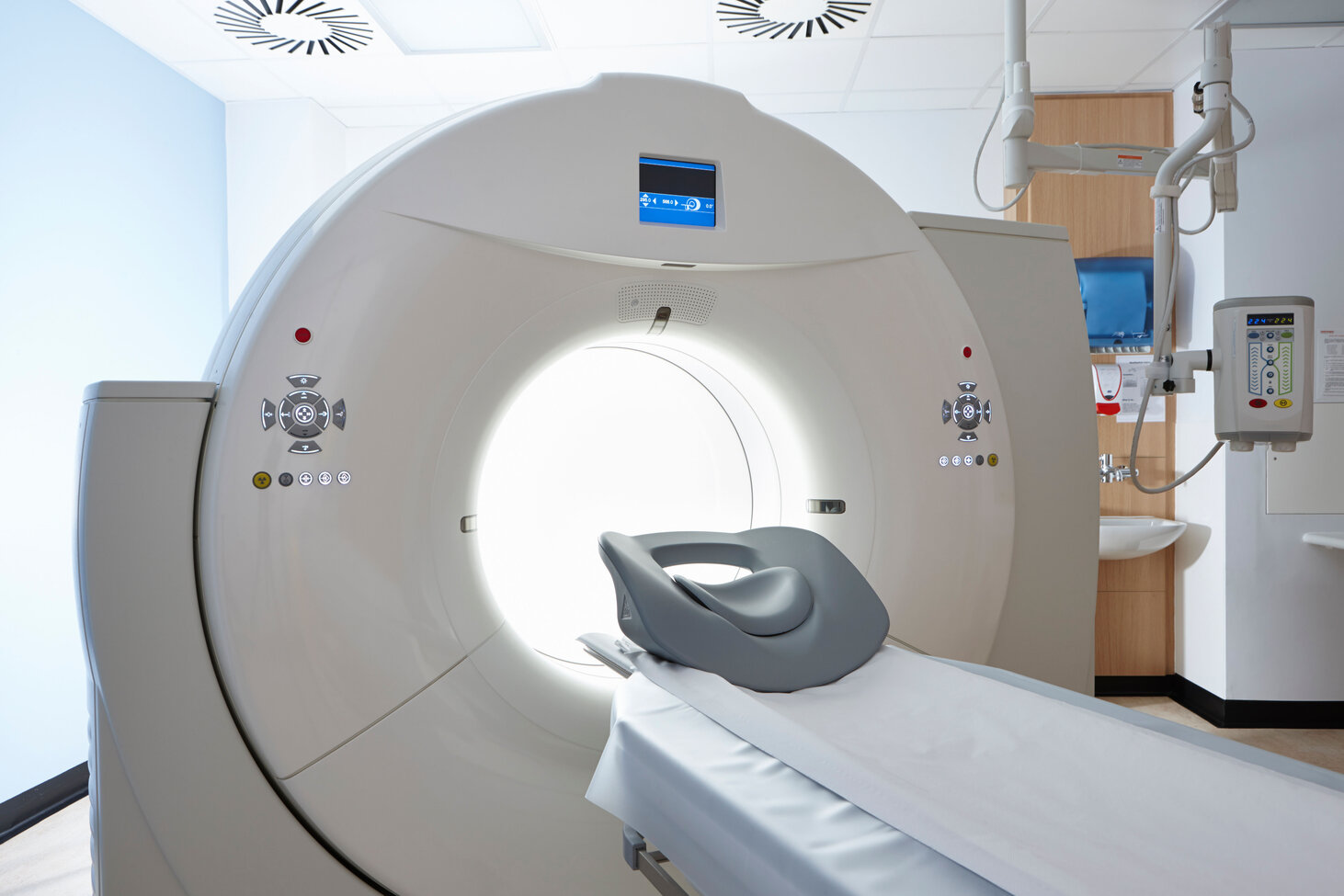
Modern CT scanners offer incredibly detailed images of the body, allowing doctors to spot even the smallest abnormalities, such as early-stage cancers or tiny fractures.
Benefits:
- Sharper images: These scanners provide high-resolution images that improve the accuracy of diagnoses.
- Quicker results: Faster imaging means patients spend less time waiting for results, especially in emergency situations.
- Lower radiation: Many modern CT machines use lower doses of radiation compared to older models, reducing the risk of side effects.
9. Nanotechnology: Tiny Tools for Big Health Impacts
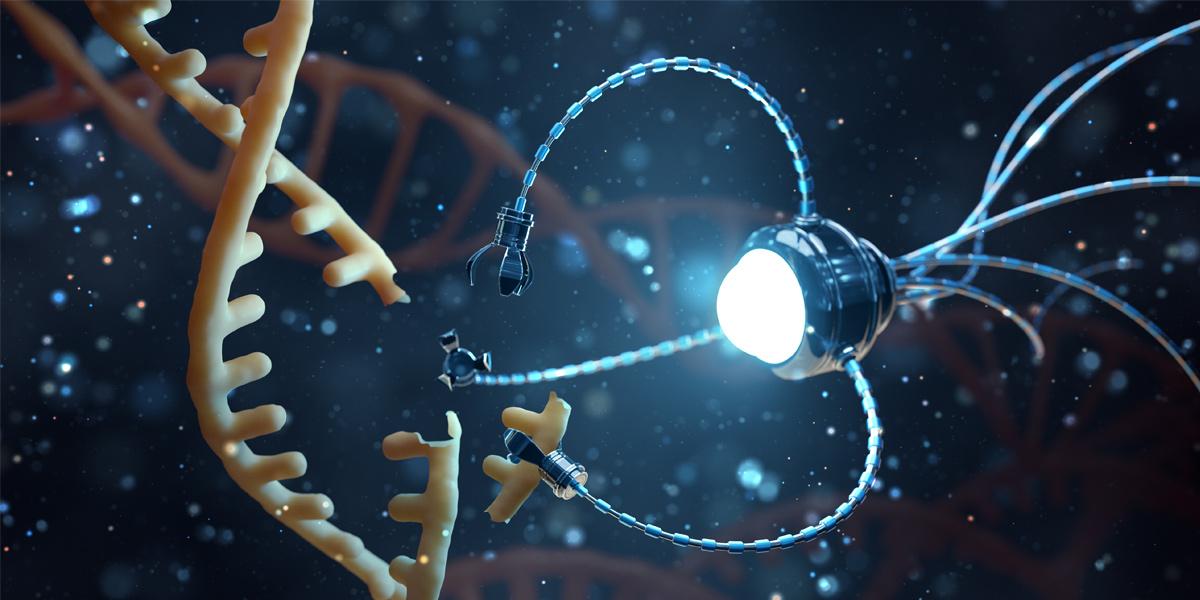
Nanotechnology is making huge strides in medicine, particularly in areas like drug delivery and diagnostic testing. By using nanoparticles, doctors can deliver medications directly to a target site—like a cancer tumor—without affecting surrounding tissues.
Benefits:
- Targeted therapies: Nanoparticles can be designed to deliver drugs precisely where they’re needed, minimizing side effects and maximizing effectiveness.
- Improved drug absorption: Nanotechnology can increase the absorption and effectiveness of drugs, especially those that have difficulty entering cells.
- Early detection: Nanotech can be used to detect diseases at the molecular level, sometimes before symptoms even appear.
10. Immunotherapy: Harnessing the Body’s Immune System to Fight Cancer
Immunotherapy has emerged as one of the most promising cancer treatments in recent years. By stimulating the body’s immune system, it helps the body target and destroy cancer cells more effectively.
Benefits:
- Targeted cancer treatment: Immunotherapy can attack cancer cells while leaving healthy cells unharmed, reducing side effects like those caused by chemotherapy.
- Improved survival rates: For some cancers, immunotherapy has led to longer survival and remission rates.
- Less toxicity: Because it activates the immune system, immunotherapy is often less toxic than traditional treatments like chemotherapy and radiation.
The Human Impact: Better Health, Better Life
These medical advancements are doing more than just prolonging lives—they’re improving the quality of life. From earlier diagnoses and more effective treatments to personalized care and reduced recovery times, these technologies are reshaping the healthcare landscape for the better.
With these tools at our disposal, healthcare is not just about treating illness; it’s about creating a healthier, more empowered world. As these innovations continue to evolve, the future of healthcare looks brighter than ever.
Stay tuned for more updates on how medical technology is transforming our world! What are your thoughts on these advancements? Which ones do you think will have the biggest impact on healthcare in the years to come? Let us know in the comments below!


- medical technology
- healthcare innovations
- robotic surgery
- AI diagnostics
- wearable health tech
- gene editing
- 3D printing in healthcare
- CRISPR
- immunotherapy
- telemedicine
- MRI
- CT scanners
- dialysis machines
- nanotechnology
- healthcare advancements
- cancer treatment
- wearable devices