10 Groundbreaking Electronic Products to Look Forward to in 2025: Features, Rumors, and What We Can Expect

The world of consumer electronics is always evolving, and 2025 promises to be a year packed with revolutionary products that will change the way we live, work, and interact with technology. From cutting-edge AR glasses and foldable smartphones to AI-powered robots, the innovations coming in 2025 could reshape industries, redefine everyday life, and open up entirely new possibilities. In this blog, we take a closer look at 10 of the most anticipated electronic products slated for release in 2025, exploring their rumored features, benefits, and potential drawbacks.
1. Apple AR Glasses: The Future of Augmented Reality
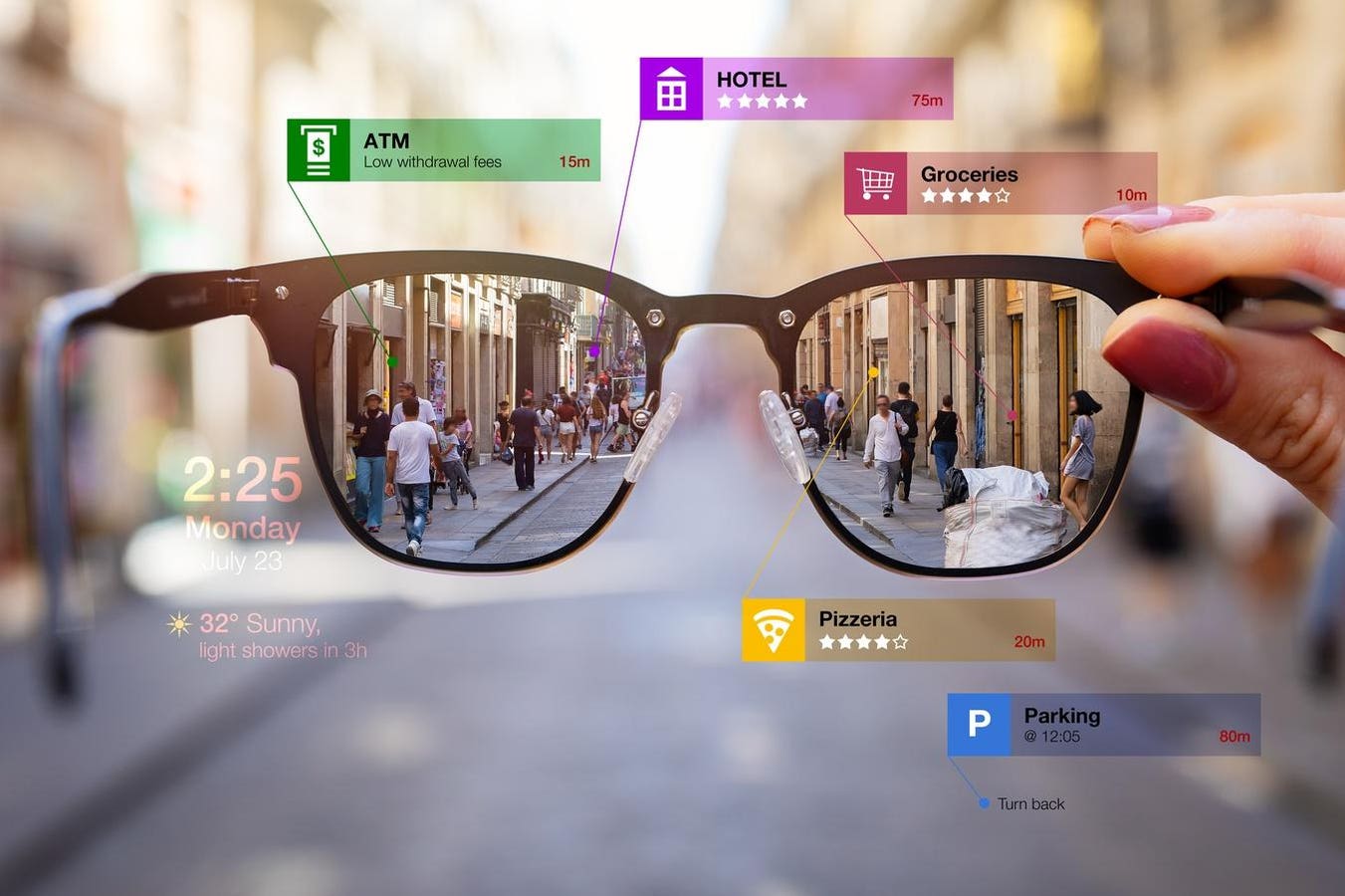
Rumored Features: Apple has long been rumored to be working on augmented reality (AR) glasses, and 2025 could be the year we finally see them hit the market. The glasses are expected to combine the latest in AR technology with Apple's sleek design philosophy, offering a seamless blend of the digital and physical worlds.
- Mixed Reality Integration: Overlaying digital information onto the real world, enabling features like navigation, notifications, and contextual data without the need to look at a smartphone.
- AI Assistance: Powered by AI, the glasses will provide personalized suggestions, facial recognition, and live translations.
- Sleek Design: Lightweight and stylish, the glasses will maintain Apple's focus on aesthetics while integrating advanced technology.
- Haptic Feedback: Vibrations or subtle feedback to interact with the environment or receive notifications.
Pros:
- Hands-free interaction, perfect for multitasking
- Enhanced productivity and communication
- Cutting-edge technology from a brand known for design excellence
Cons:
- Battery life could be a concern with continuous AR use
- Privacy risks with data collection and facial recognition
- Likely to be a high-end, expensive product
2. Tesla Cyberphone: A Rugged Smartphone for the Future
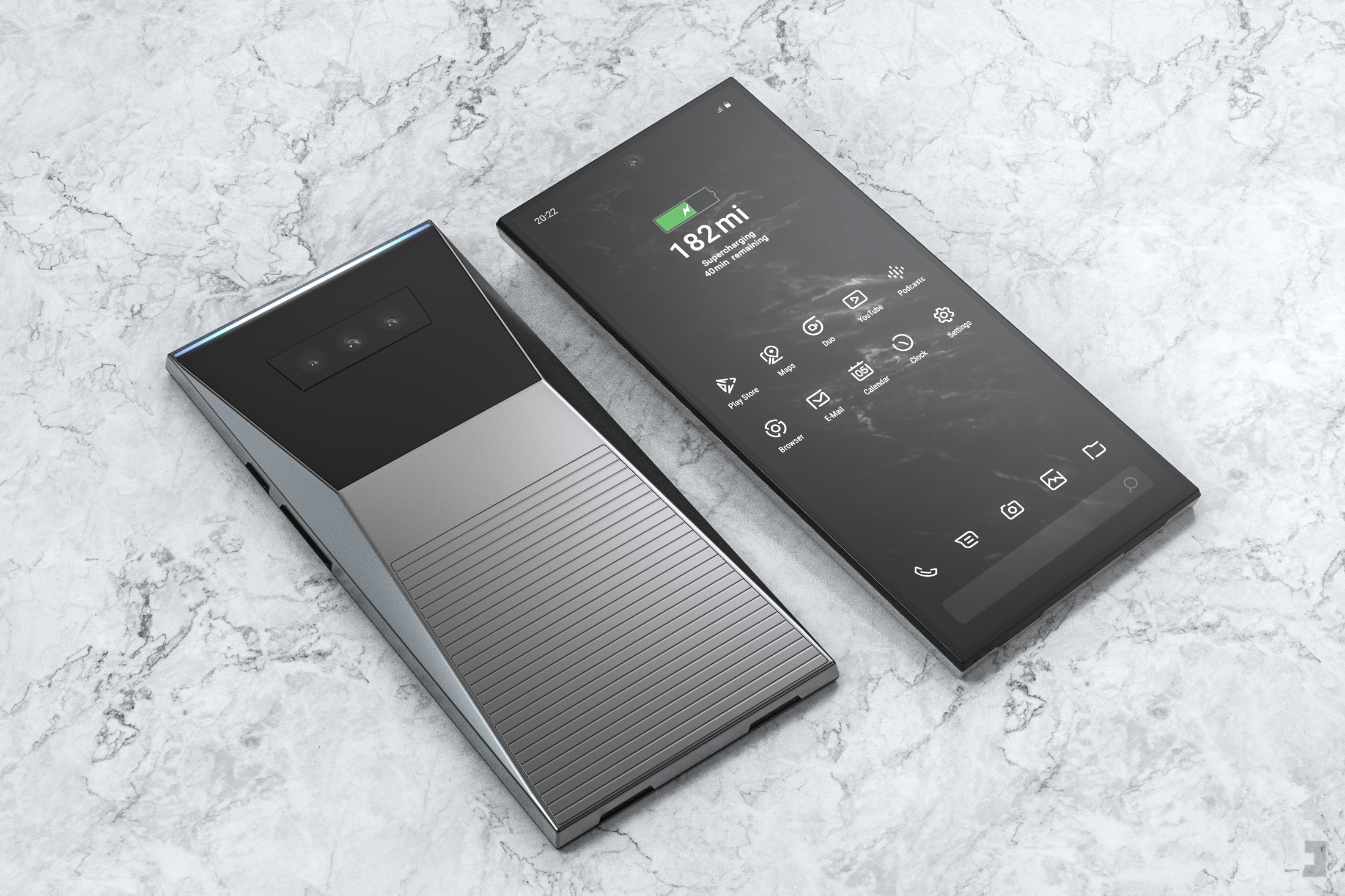
Rumored Features: Tesla, known for its electric vehicles, is rumored to be preparing to release its own smartphone in 2025: the Cyberphone. Inspired by the robust design of the Cybertruck, the Cyberphone is expected to feature some truly unique specifications.
- Solar Charging: Built-in solar panels to charge your phone using sunlight.
- Titanium Build: A highly durable, titanium body that resists scratches and dents.
- Tesla Ecosystem Integration: Full control over Tesla vehicles and energy products directly from the phone.
- AI-powered Features: Tesla's advanced AI could help optimize battery life and offer intelligent notifications.
Pros:
- Durable design ideal for rugged environments
- Solar charging reduces dependency on traditional power sources
- Seamless integration with Tesla's products and services
Cons:
- Niche appeal, especially for those who don't own Tesla products
- High price point expected for this premium device
- Limited app ecosystem if Tesla uses its own operating system
3. Samsung Foldable Smartphone 2: The Evolution of Foldable Tech
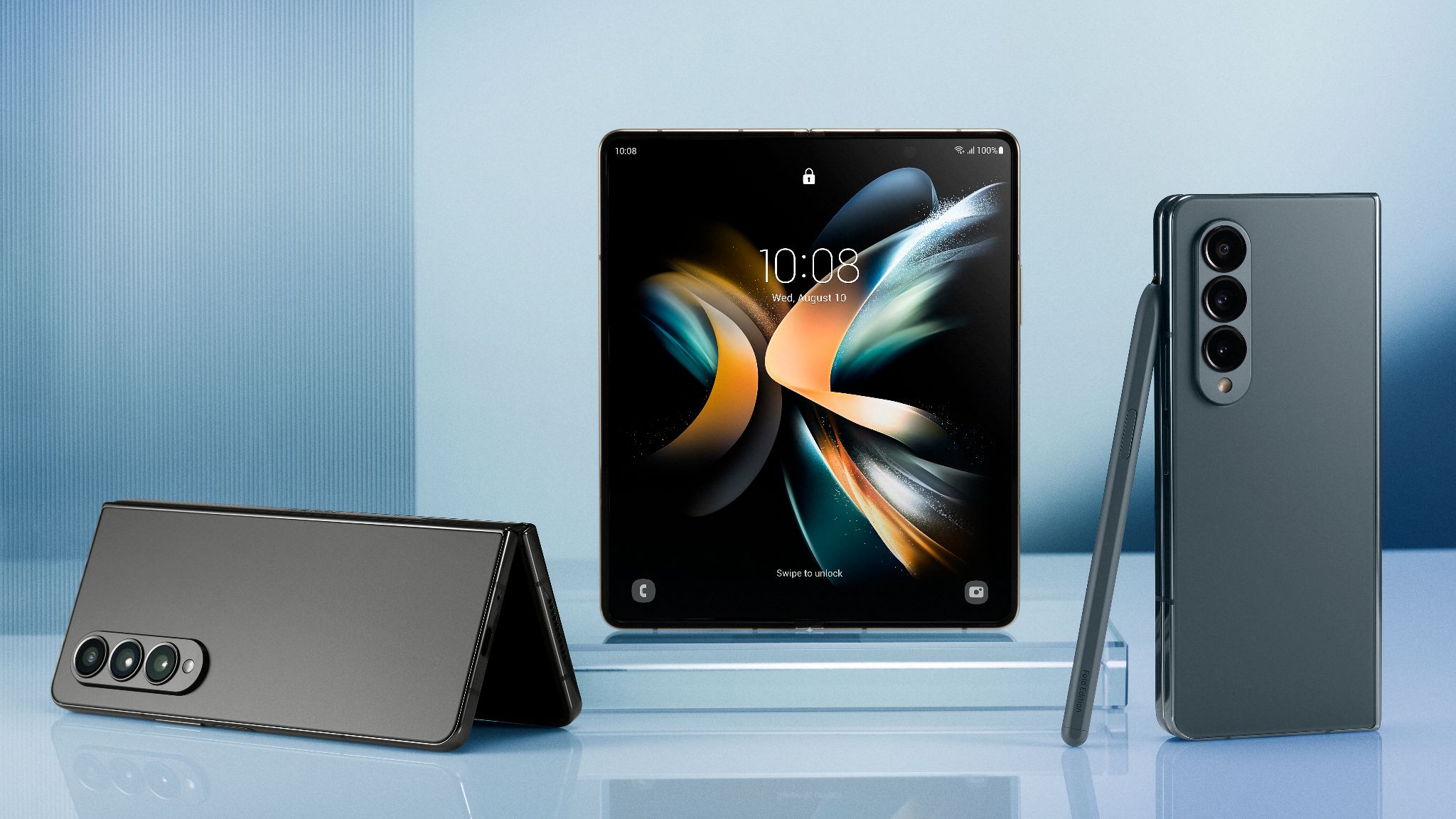
Rumored Features: Samsung has already made waves with its foldable smartphones, and the 2025 iteration promises to take foldable technology to the next level. The new device is rumored to improve on everything from durability to screen size.
- Larger Foldable Screen: A larger display when unfolded, providing a more tablet-like experience.
- Improved Durability: Stronger hinges and more resilient folding screens to prevent wear and tear.
- Under-Display Camera: A cleaner, more seamless design with an under-display camera.
- Faster Performance: Upgraded processors and better graphics for gaming and multitasking.
Pros:
- Two devices in one: compact phone and large tablet
- Enhanced productivity with a bigger screen for multitasking
- Ideal for users who want both portability and functionality
Cons:
- Foldable screens are still prone to damage if not handled carefully
- Expensive price point for a premium, innovative device
- Foldable mechanism could strain battery life

4. AI-Powered Personal Robot Assistants: The Future of Home Automation
Rumored Features: Personal robots are expected to play a bigger role in our lives in 2025. These AI-driven assistants could go beyond simple voice commands and offer true autonomous functionality around the home.
- Voice and Gesture Control: Interact with the robot through voice commands or simple gestures.
- Home Integration: Full control over smart home devices, such as lighting, security cameras, and appliances.
- Emotional Intelligence: Using facial recognition and sensors to detect your mood and offer companionship or assistance.
- Basic Household Tasks: Capabilities could include tasks like folding laundry, preparing meals, or cleaning.
Pros:
- Saves time with home automation and task delegation
- Personalized assistance that adapts to your habits and preferences
- Smart home integration for added convenience
Cons:
- High upfront cost, likely out of reach for many consumers
- Privacy concerns due to constant data collection and monitoring
- Maintenance and software updates will be required to keep the robot functional
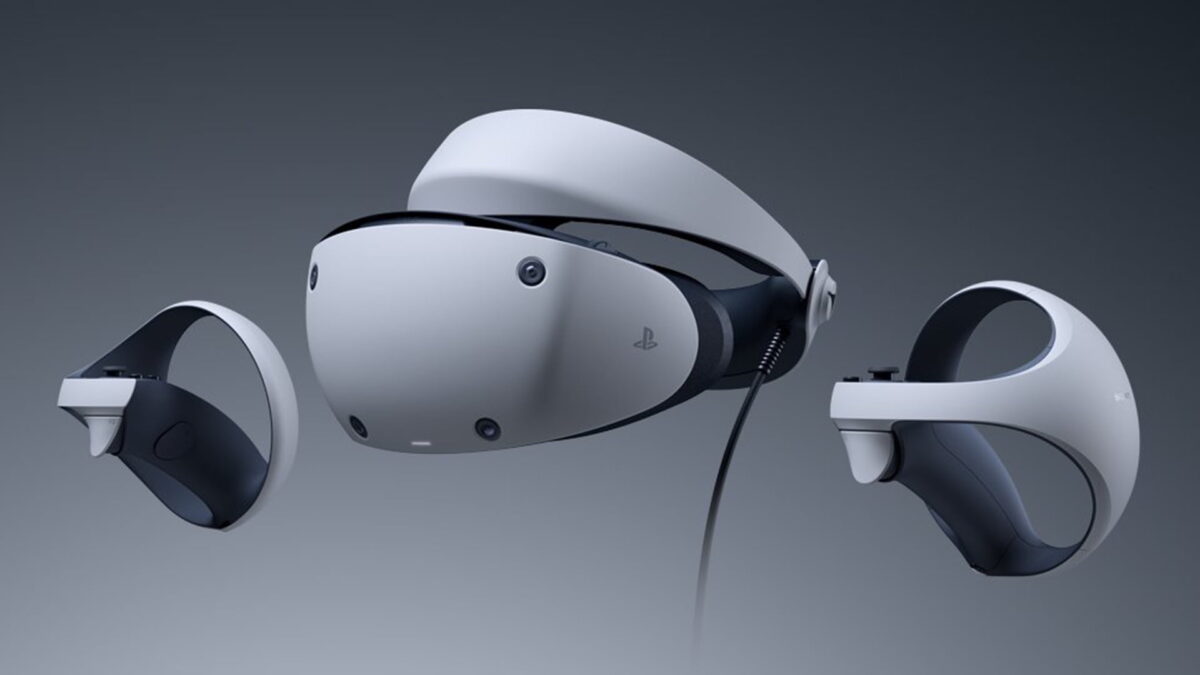
5. Sony PlayStation VR 3: Next-Gen Virtual Reality Gaming
Rumored Features: Virtual reality gaming is becoming more immersive with each iteration, and Sony's PlayStation VR 3 is expected to push the boundaries even further in 2025.
- Enhanced Visuals: 4K+ resolution with higher refresh rates for a smoother experience.
- Wireless Design: No more cables, offering complete freedom of movement.
- Advanced Haptic Feedback: New haptic technologies that simulate touch and create deeper immersion.
- Eye-Tracking Technology: Improved game interactions based on where the player is looking.
Pros:
- Ultra-realistic gaming experiences with stunning visuals
- Wireless freedom allows for more immersive gameplay
- Growing library of VR-exclusive games
Cons:
- Requires large space for movement and gameplay
- High price for the headset and necessary hardware
- Motion sickness could still be a concern for some players
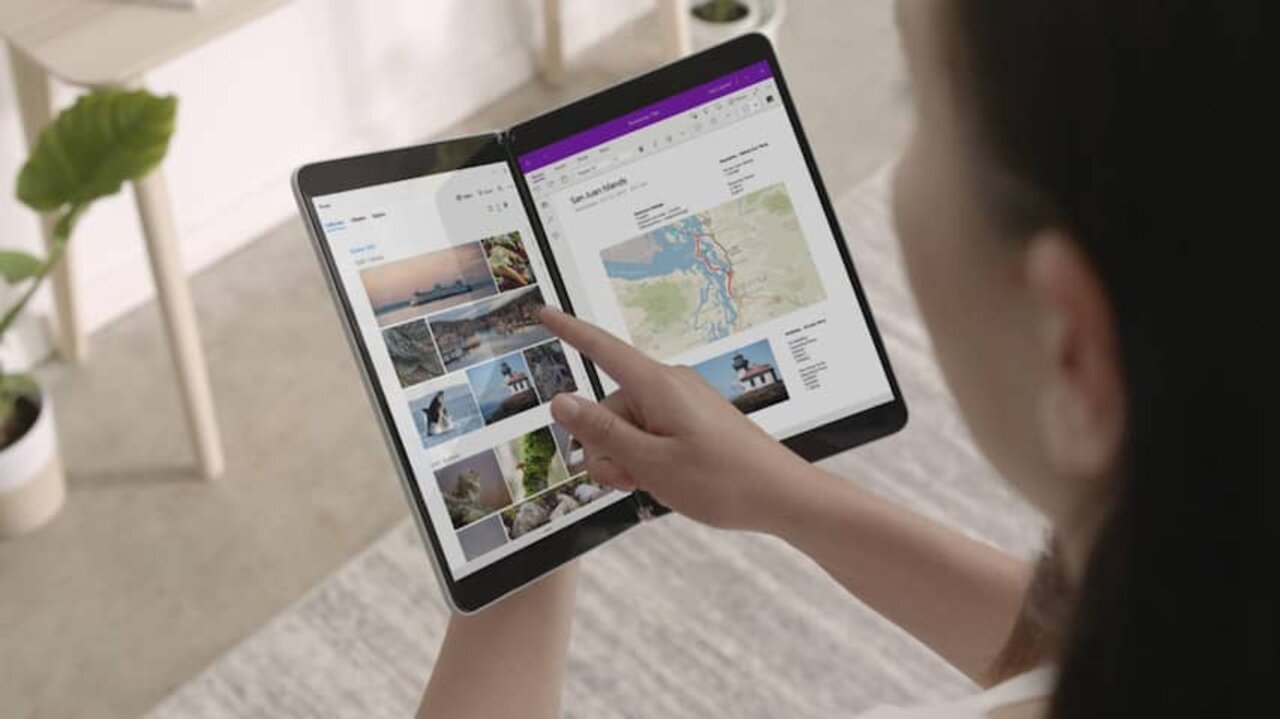
6. Microsoft Surface Neo 2: The Ultimate Foldable Laptop
Rumored Features: Microsoft’s Surface Neo 2 is expected to take foldable laptop technology to new heights, combining a dual-display setup with the power of Windows 12.
- Dual 9-inch Displays: These displays will fold open to form a larger tablet-like experience.
- Windows 12: The new operating system will enhance multitasking with an intuitive interface optimized for dual-screen use.
- Stylus and Keyboard Support: Enhanced input options for creators and professionals.
- Intel’s Next-Gen Chips: More power for productivity, gaming, and creative tasks.
Pros:
- Versatile design, perfect for both work and play
- Dual displays allow for multitasking and enhanced productivity
- Great for creative professionals (drawing, writing, design)
Cons:
- Likely to be expensive due to the foldable design and premium features
- Dual-screen design may not be practical for everyone
- Software compatibility with dual displays may be limited
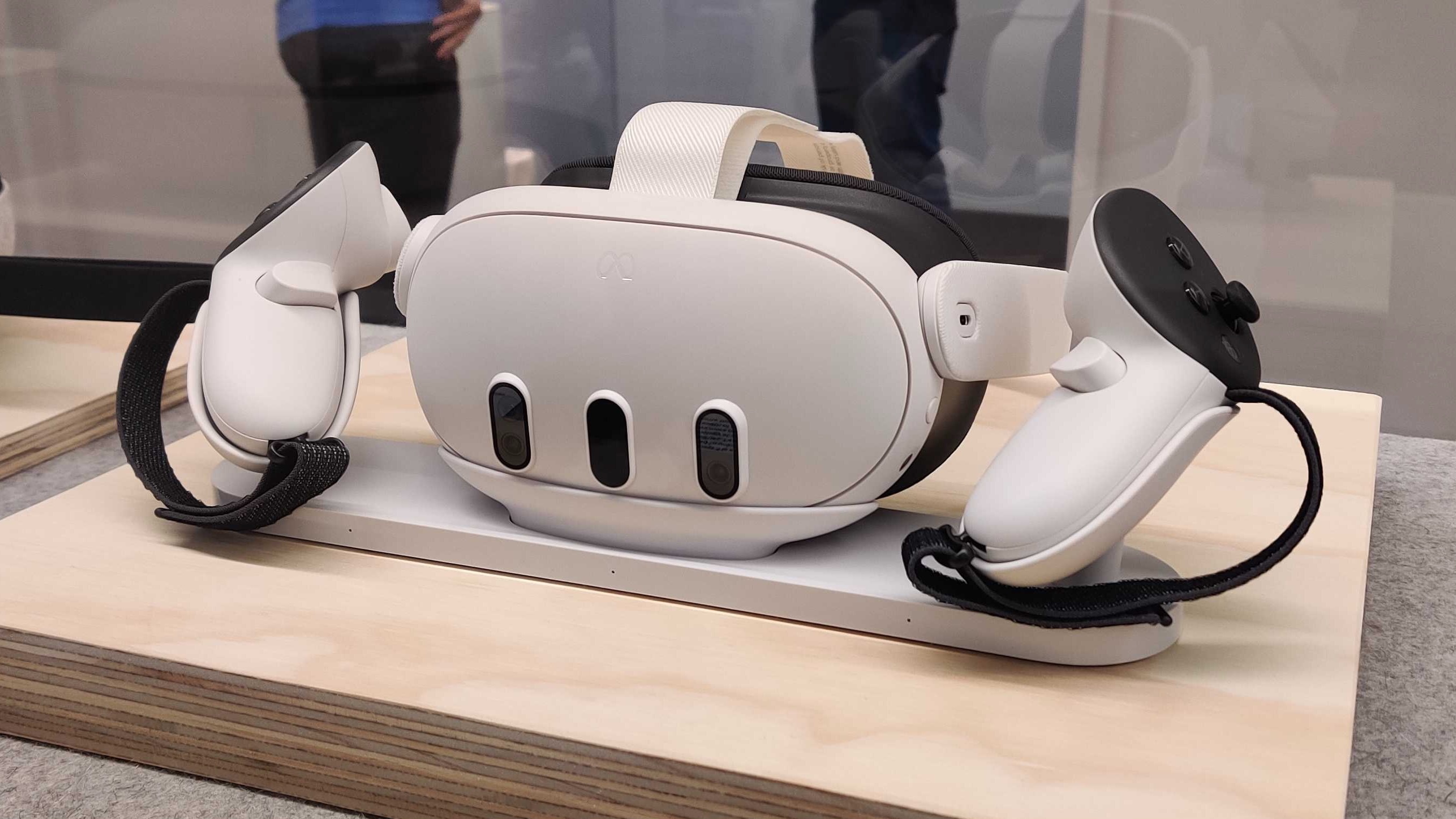
7. Oculus Quest 3: The Future of Standalone VR
Rumored Features: The Oculus Quest 3 is expected to raise the bar for standalone VR headsets with a host of new features and upgrades.
- Improved Optics: Higher resolution displays and a wider field of view for a more immersive experience.
- Full-Body Tracking: Advanced sensors to track your entire body in VR, creating a more lifelike experience.
- Wireless Streaming: Stream PC VR games wirelessly for more powerful gaming experiences.
- Eye-Tracking: Enhances in-game interaction and improves overall immersion.
Pros:
- Standalone design, no need for a PC or console
- Cutting-edge VR gaming with full-body tracking
- Expanding content library with both standalone and PC VR titles
Cons:
- Requires significant space for VR movement
- Higher price for the full setup
- Can cause discomfort or motion sickness during extended sessions
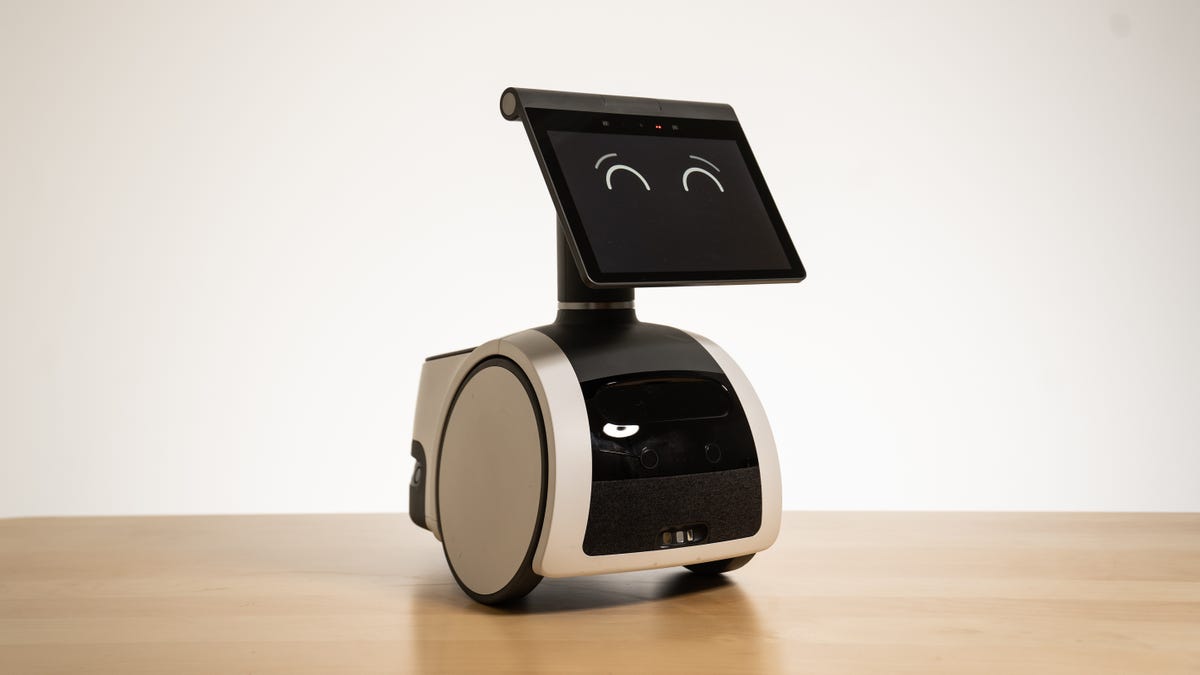
8. Amazon Astro 2.0: Smarter Home Robot
Rumored Features: Amazon's Astro 2.0 is expected to be a more advanced version of its home robot, with improved mobility and capabilities.
- Autonomous Navigation: The robot will be able to move around your home, avoiding obstacles while completing tasks.
- Security Monitoring: Better cameras and microphones for enhanced home surveillance.
- Alexa Integration: Full integration with Amazon's smart home ecosystem, allowing you to control devices and ask questions via Astro.
- AI Personality: A more expressive, emotional AI that can adapt to your needs and offer companionship.
Pros:
- Increases home security with autonomous surveillance
- A multi-functional assistant that can help with tasks and entertainment
- Seamless integration with Amazon’s ecosystem of smart devices
Cons:
- High cost for a home robot with advanced features
- Potential privacy concerns with constant surveillance and data collection
- May have limited utility outside of home automation tasks

9. Lenovo ThinkPad AR: Augmented Reality for Professionals
Rumored Features: Lenovo is rumored to be developing a dual-display AR laptop designed for professionals who want to leverage augmented reality for work.
- AR-enabled Displays: Dual screens that allow for augmented reality overlays, creating new ways to interact with data and visuals.
- 5G Connectivity: Seamless remote work capabilities with high-speed internet access.
- Advanced Input Options: Stylus, touch, and voice control for flexible interaction with digital content.
Pros:
- Augmented reality enhances professional productivity
- Dual screens offer powerful multitasking capabilities
- Excellent for professionals in design, engineering, and creative fields
Cons:
- High cost, particularly for the AR technology
- Limited software support for AR-based applications
- Heavier and bulkier than traditional laptops
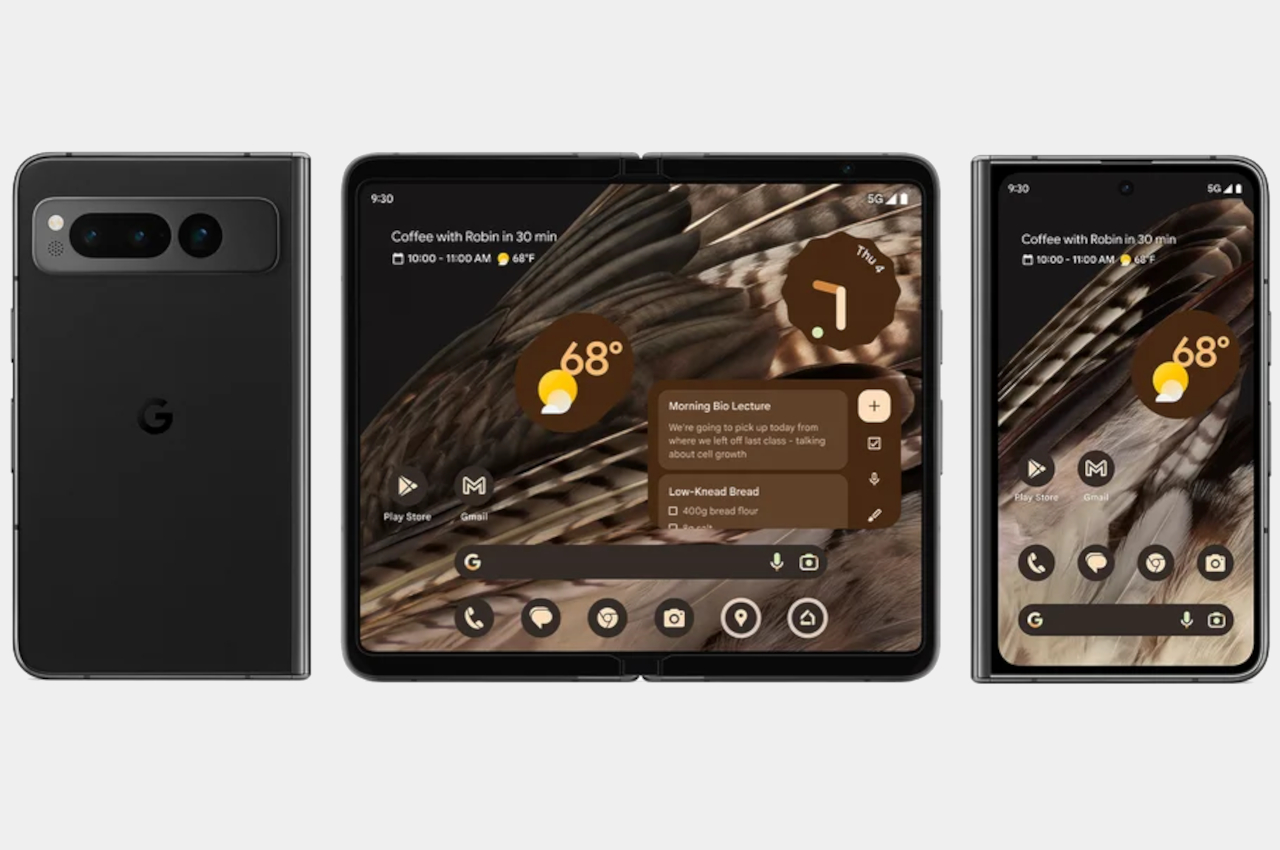
10. Google Pixel Fold 2: Refining the Foldable Experience
Rumored Features: Google is set to release the second iteration of its foldable phone, the Pixel Fold 2, with a host of refinements.
- Refined Folding Mechanism: A smoother fold with fewer creases for a more polished experience.
- Improved Camera System: Google's renowned computational photography, enhanced with new AI-powered features.
- Google Tensor Chip: Better performance and efficiency for multitasking and gaming.
Pros:
- Stunning design with a refined foldable mechanism
- Deep integration with Google services, such as Maps and Assistant
- Great for multitasking and media consumption
Cons:
- High price tag for a foldable phone
- Still subject to wear and tear at the hinge
- Software may not be as optimized as competitors’ foldables
Conclusion
2025 is shaping up to be a year full of groundbreaking innovations in consumer electronics. Whether it’s the AR glasses that bring the digital world into your everyday life, or AI-powered robots that help manage your home, the advancements in technology will create new opportunities for work, play, and everything in between. While these products may come with some potential drawbacks, there’s no doubt that the future of tech is brighter than ever.
Which of these products are you most excited about? Let us know in the comments below!


- 2025 electronics
- upcoming tech
- Apple AR Glasses
- Tesla Cyberphone
- foldable smartphones
- AI robots
- virtual reality
- PlayStation VR
- Google Pixel Fold
- Samsung foldable
- Lenovo ThinkPad AR