NASA's James Webb Space Telescope Captures a 'Dramatic Stellar Death' In Deep Space Video

How far and deep can NASA's James Webb Telescope go?
This observatory can peer millions of light years into the galaxy, exploring worlds and breaking the bounds of our imagination.
A recent video from the European Space Agency, which collaborates with NASA and the Canadian Space Agency, demonstrated how it can view far-off celestial objects in unprecedented clarity and detail!
Dramatic Stellar Death
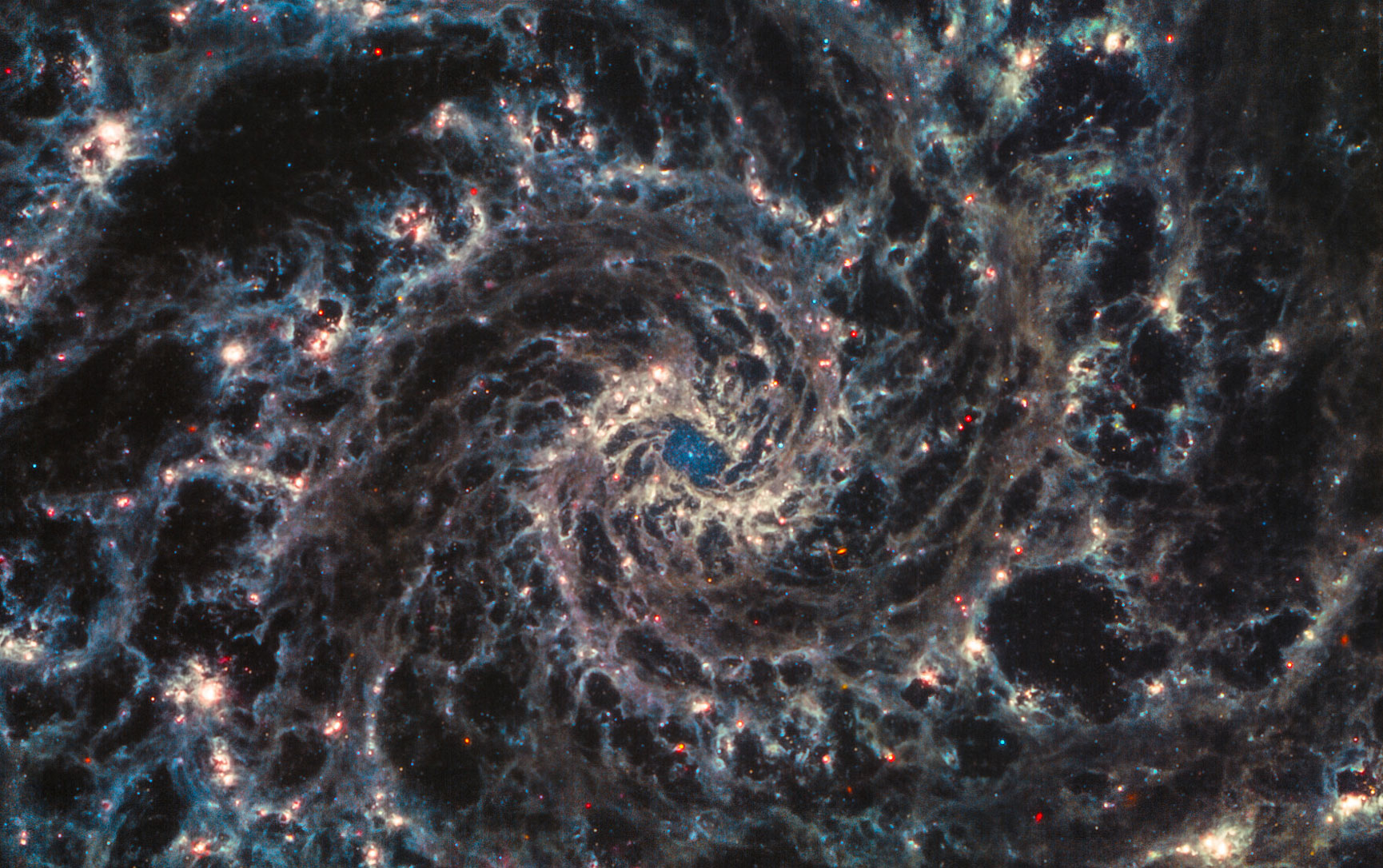
The video looks into the tantalizing Southern Ring Nebula, which hails 2,500 light-years away, and the location of a dramatic stellar death.
As reported first by Mashable, the star is equivalent to the size of the sun and is ejecting massive clouds of gas into space because it has run out of fuel.
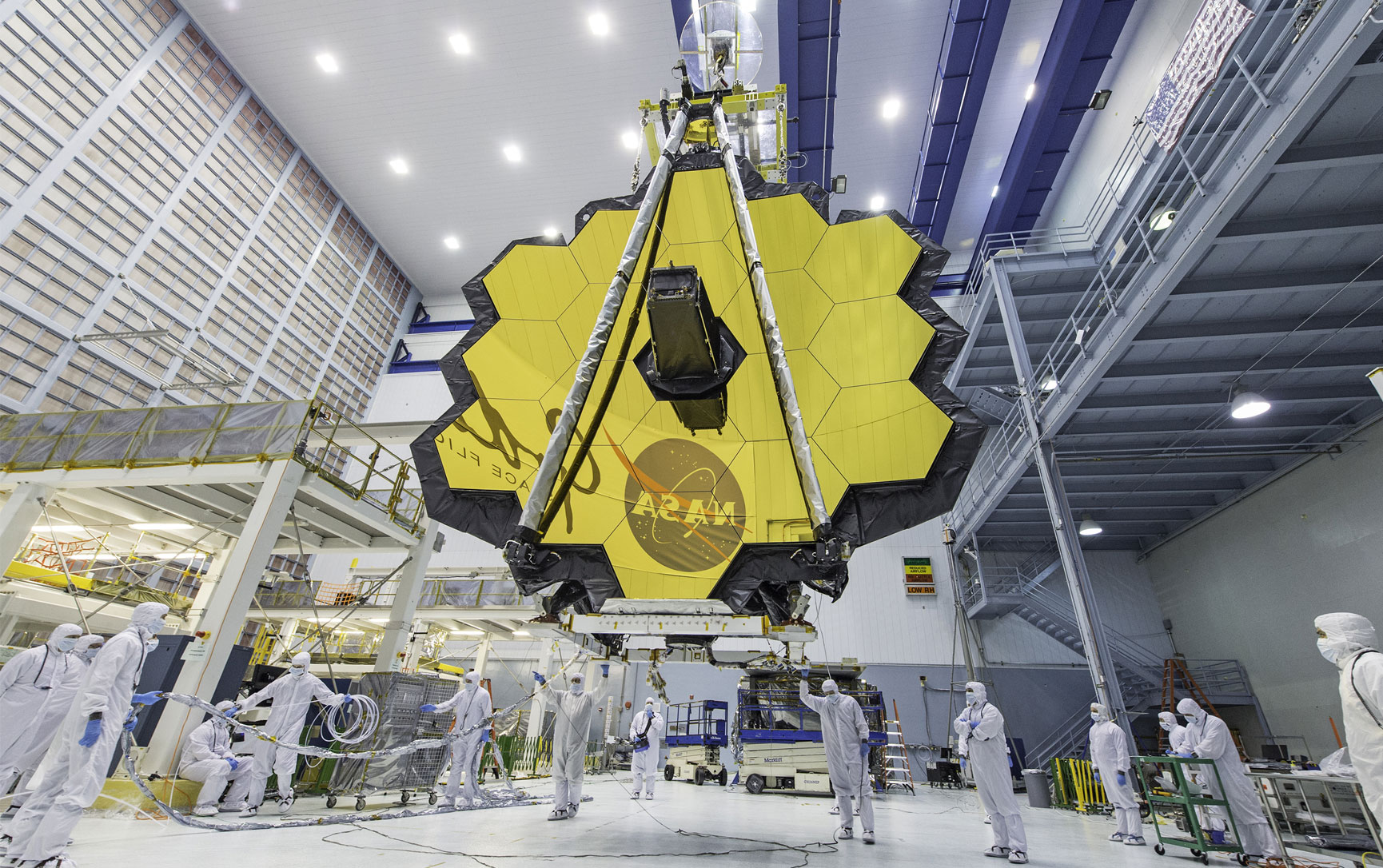
The James Webb Space Telescope (JWST), with its over 21-foot-wide mirror, is observing the far reaches of the universe in the video, which astoundingly goes beyond the bounds of our Milky Way Galaxy!
Now Playing: NASA Releases Full Set Of Color Images Taken By James Webb Space Telescope
The Webb telescope records infrared light, a form of light with longer wavelengths than visible light, in contrast to the renowned Hubble Space Telescope, which records visible light.
Mashable said that longer light wavelengths have the ability to penetrate dust and gas clouds, illuminating objects that were previously hidden, such as the dying star that is ejecting gas at the center of the Southern Ring Nebula.
An Unexpected Supernova
Scientists were shocked when the JWST unexpectedly discovered its first supernova, a dying star's violent outburst. The discovery may create opportunities for research in a completely new field, according to scientists.
A surprising bright object was discovered by the James Webb Space Telescope's NIRCam camera in a galaxy called SDSS.J141930.11+5251593, about 3 to 4 billion light-years from Earth, only a few days after the telescope began conducting science operations.
According to Space.com, the bright object began to dim after five days, raising the possibility that it was a supernova that was unintentionally discovered after the star exploded.
The finding is unexpected because large survey telescopes typically carry out supernova searches that quickly scan large areas of the sky. The JWST was not designed for this purpose.
According to Inverse, this early detection indicates that the telescope might be able to peer through supernovas frequently. This would be endlessly thrilling since Webb is anticipated to witness the formation of the universe's earliest galaxies millions of years after the Big Bang.
-
 -48%
Bang & Olufsen - Beoplay H4 2nd Gen Over-the-Ear Wireless HeadphonesAs low as $188.68 Regular Price $361.79
-48%
Bang & Olufsen - Beoplay H4 2nd Gen Over-the-Ear Wireless HeadphonesAs low as $188.68 Regular Price $361.79 -
-12%
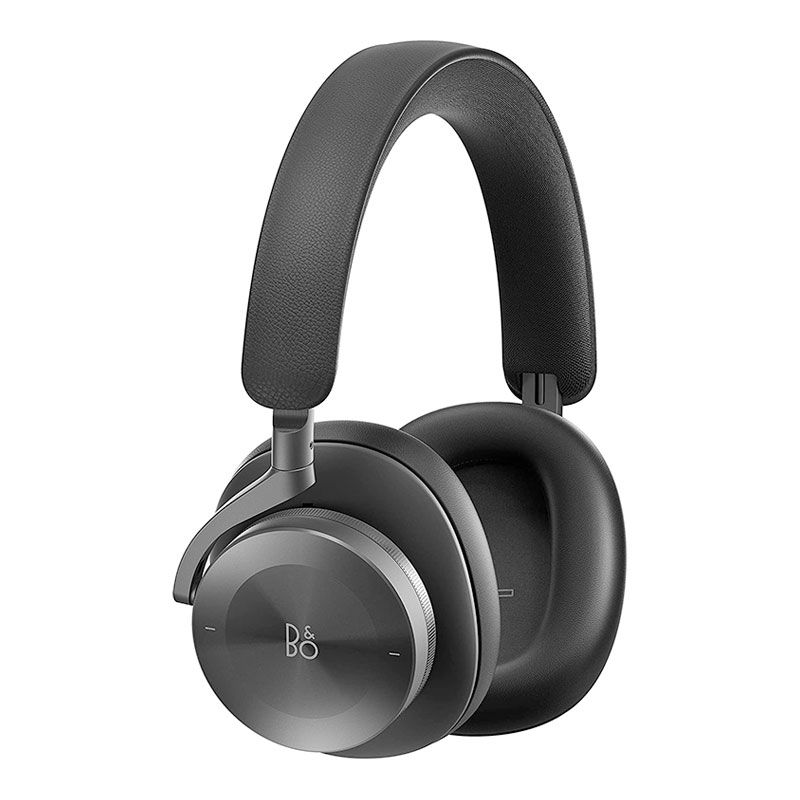
Bang & Olufsen Beoplay H95 Premium Comfortable Wireless Active Noise Cancelling (ANC) Over-Ear Headphones with Protective Carrying CaseAs low as $899.00 Regular Price $1,019.00
-
-18%
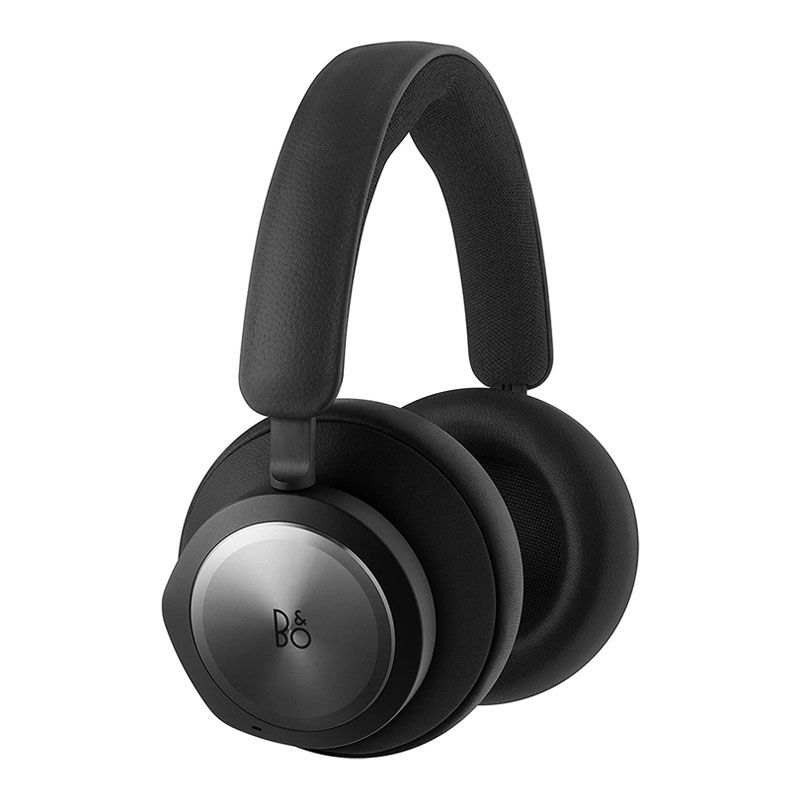
Bang & Olufsen Beoplay Portal Gaming Headset - Comfortable Wireless Noise Cancelling Gaming headphones for Xbox Series X|S, Xbox OneAs low as $443.00 Regular Price $539.00
-
-10%
Bang & Olufsen Beoplay HX – Wireless ANC Headphones -Dark MaroonSpecial Price $539.99 Regular Price $599.00
-
-31%
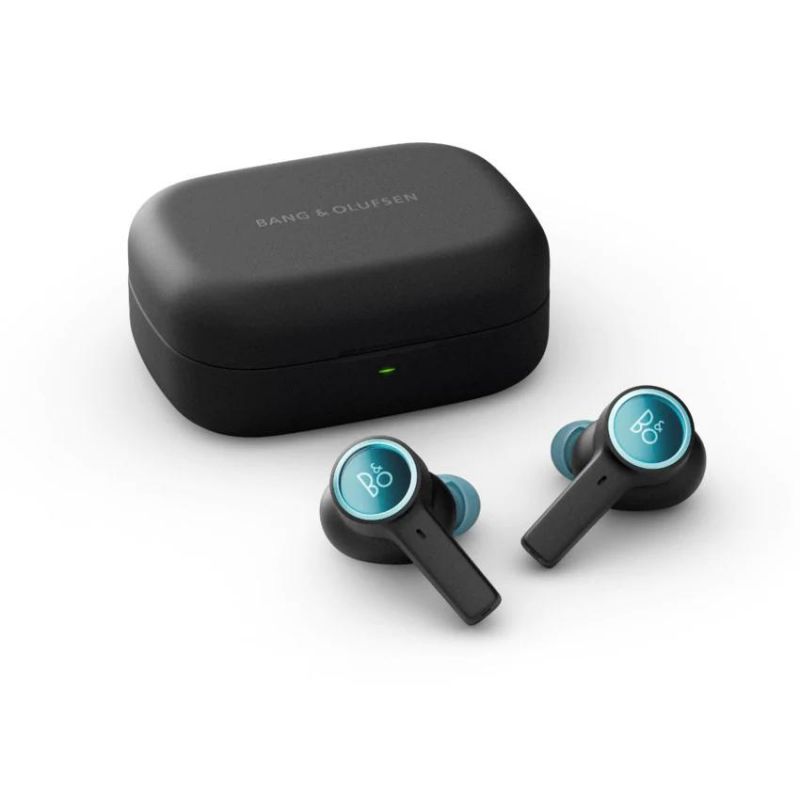
Bang & Olufsen Beoplay EX - Wireless Bluetooth Earphones with Microphone and Active Noise Cancelling, Waterproof, 20 Hours of PlaytimeAs low as $345.76 Regular Price $499.00
-
-26%
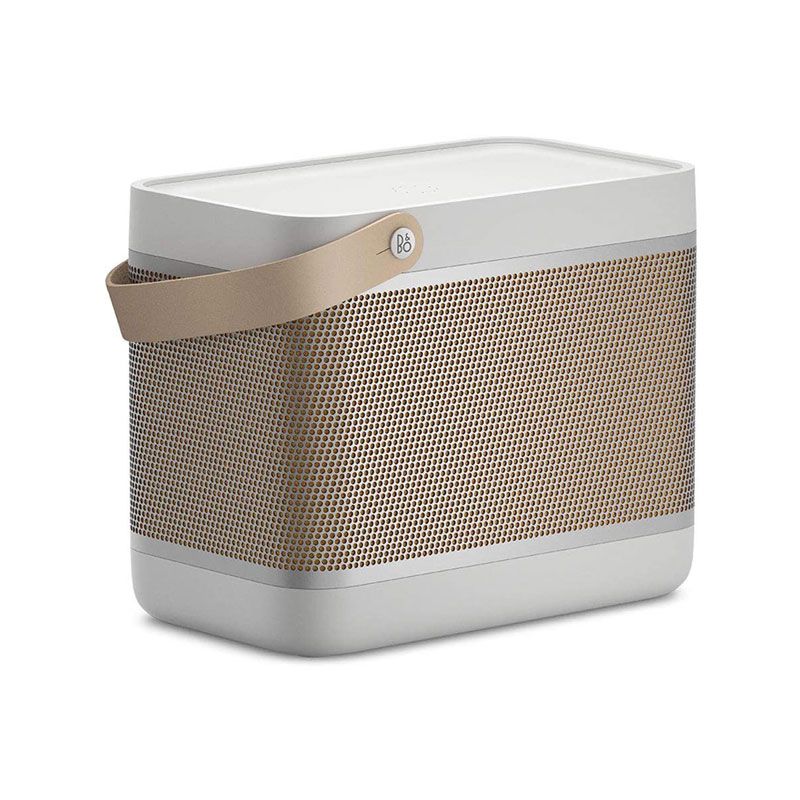
Bang & Olufsen Beolit 20 Powerful Portable Wireless Bluetooth Speaker, Grey MistSpecial Price $515.33 Regular Price $699.00
-
-39%
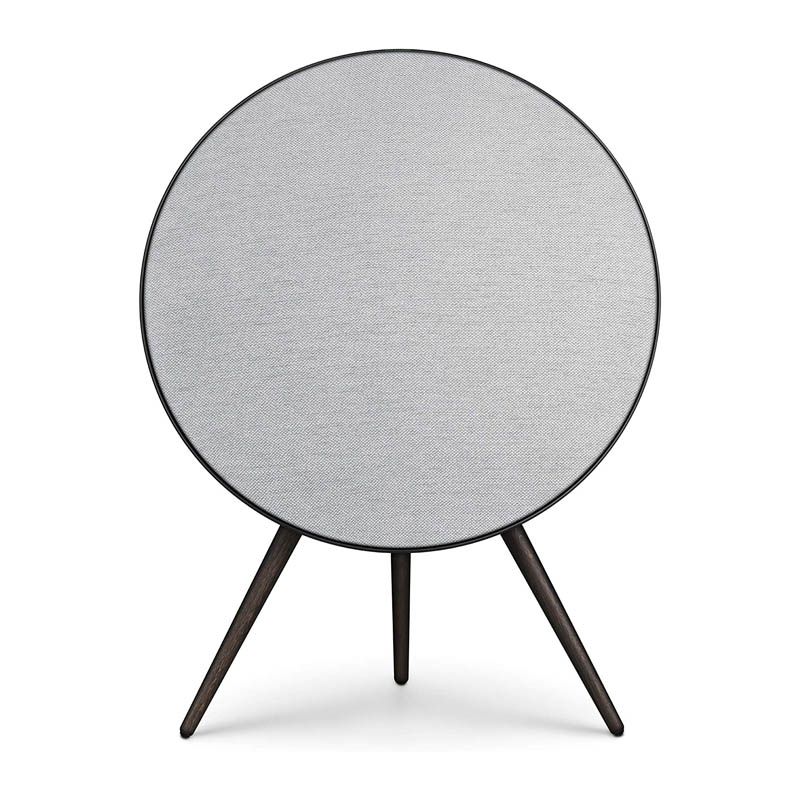
Bang & Olufsen Beoplay A9 4th Gen Wireless Multiroom Speaker, Anthracite with Dark Oak LegsSpecial Price $2,699.00 Regular Price $4,399.00



- NASA's James Webb Space Telescope Captures a 'Dramatic Stellar Death' In Deep Space - video