TSMC Warns: Chip Shortage Will Last Years – Buy These Electronics Now
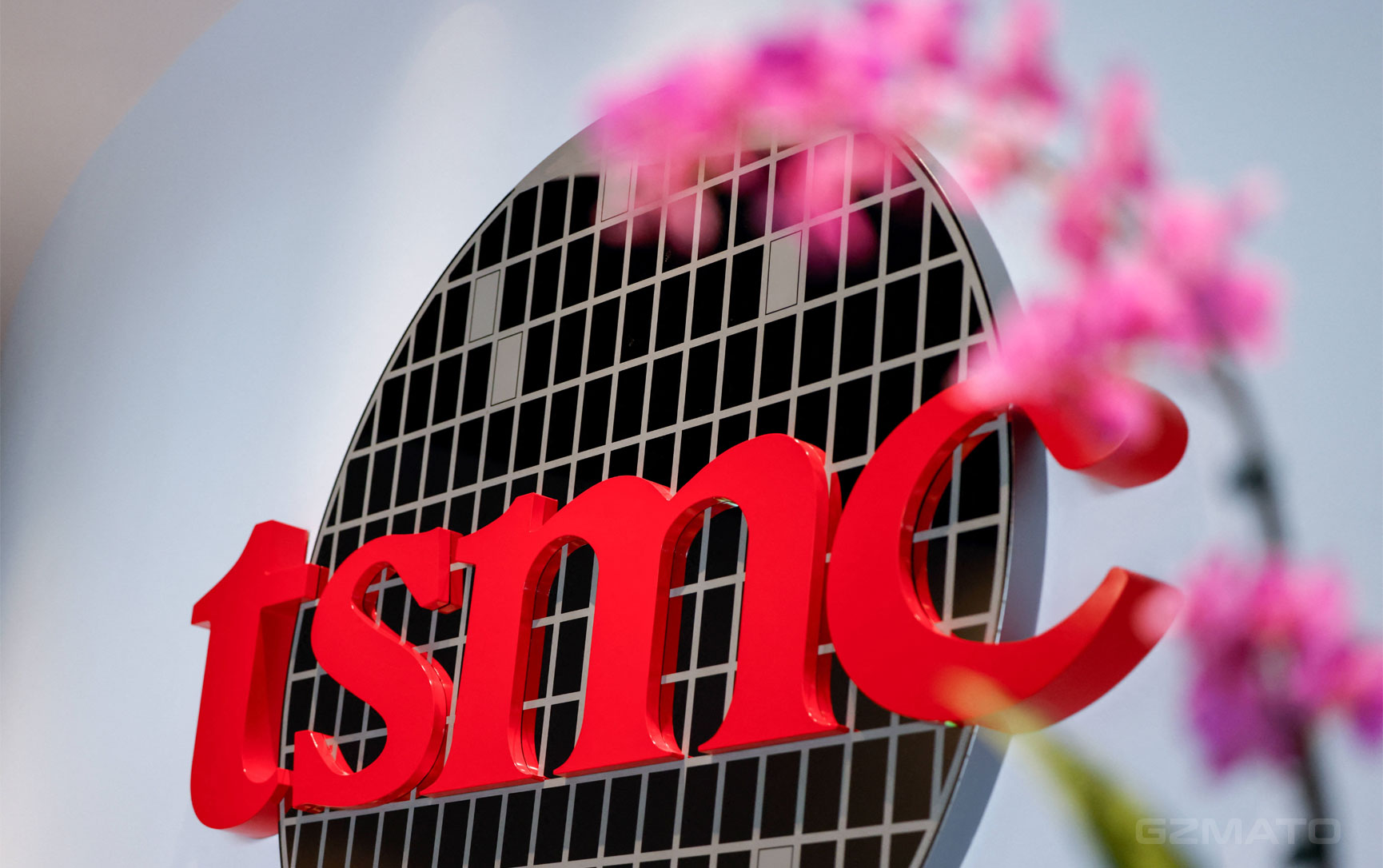
TSMC CEO: Chip Supply Won't Meet Demand for Years
On June 4, 2026, TSMC CEO C.C. Wei delivered a stark warning at the company's annual shareholder meeting: global chip supply will not be able to meet AI-driven demand for several years.
Despite rising component costs, Wei emphasized that TSMC's customers particularly cloud service providers remain very optimistic about AI's future. The company expects dollar-denominated revenue growth to exceed 30% in 2026, with autonomous vehicles and robotics identified as the next long-term growth drivers.
However, the most striking comment came when Wei addressed capacity: TSMC is working hard to satisfy all customers, but the company's global chip supply will not be able to meet AI-driven demand for years to come. He added that fully satisfying U.S. customer needs through American production would take a very long time.
Why This Means Higher Prices for Electronics
TSMC's decision not to aggressively raise prices is actually a rare sign of restraint. But here is why prices will still go up:
- Supply scarcity itself creates price pressure. When chips are hard to get, every link in the supply chain pays a premium to secure allocation.
- NVIDIA, AMD, and Qualcomm face allocation limits. These chip designers compete for limited TSMC capacity. Their costs do not drop, and they pass those costs downstream.
- PC and phone makers have to pay more or wait longer. Either way, the final price to consumers increases.
- Historical precedent: During the 2020-2022 GPU shortage, prices of graphics cards doubled or tripled. The underlying dynamic is the same: too much demand chasing too few chips.
The price you see on an AI PC, MacBook, or flagship phone today may be the lowest price for the next 3 to 5 years. TSMC's multi-year capacity warning means the supply-demand imbalance will not correct anytime soon. For consumers, this transforms the traditional "wait for a discount" strategy into a "buy before prices rise further" imperative.
Group A: Upgrade Now – What to Buy
Who you are: Your current device is 3 to 5 or more years old. Performance is lagging. You have been thinking about upgrading but haven't pulled the trigger.
Why buy now: Waiting 1 to 2 years means competing for scarcer, more expensive inventory. The cost of waiting is higher than the cost of buying now.
Strategy: Buy future-proof devices with performance headroom. The extra money you spend today is insurance against being forced to upgrade during the peak of the shortage.
Recommended Products for Upgraders
| Category | Recommended | Why | Impact Level |
|---|---|---|---|
| Laptop (Windows) | Intel Core Ultra 9 / AMD Ryzen AI 9 | NPU for AI features, 5+ year performance runway | High |
| Mac | MacBook Pro M5 / Mac Studio | Apple's M-series supply is tightest at high end | High |
| Phone (iOS) | iPhone 18 Pro / Pro Max | Flagship chips get priority allocation | High |
| Phone (Android) | Samsung Galaxy S26 Ultra / Z Fold 7 | Snapdragon 8 Gen 5 supply is constrained | High |
| Tablet | iPad Pro M5 / Samsung Tab S10 Ultra | Replaces laptop for many users, same chip constraints | High |
| Desktop | Custom PC with RTX 6090 / Mac Studio | Upgradable core components hardest hit by shortages | High |
Pro tip for upgraders: Do not buy the base configuration. Spend an extra 15 to 20 percent now for double the RAM and storage. That headroom will extend your device's useful life by 2 to 3 years.
Group B: The Wait-and-See Crowd – Why You Should Buy Now
Who you are: Your current device is 1 to 3 years old. It works fine for daily tasks. You are not a heavy gamer or creative professional. You have been planning to wait 1 to 2 more years before upgrading.
Why reconsider: Your device works today but will it work well in 2028 or 2029 when you actually need to replace it? That is exactly when chip supply will be tightest and prices highest.
Recommended "Future-Proofing" Purchases for Wait-and-See Buyers
| Category | Recommended | Strategy | Impact Level |
|---|---|---|---|
| Laptop (Mac) | MacBook Air M5 | Lightweight, 15-18 hour battery, 5+ year lifespan | High |
| Laptop (Windows) | Dell XPS 14 Plus / Lenovo Yoga Pro 9i | Mid-range AI PC with good balance of price and performance | High |
| Phone | iPhone 17 / Samsung Galaxy S25+ | Buy previous flagship at discount; still 3-4 years of updates | High |
| Tablet | iPad Air M5 / Samsung Tab S9 series | Media consumption and light productivity, long update support | Medium |
| Gaming Console | PlayStation 6 / Xbox Next (2026 models) | Consoles use specialized chips; supply historically tight at mid-cycle | Medium |
Pro tip for wait-and-see buyers: If you buy nothing else, buy your next laptop and phone now. These are the two categories where chip shortages will hit hardest, and where replacement cycles are shortest every 3 to 4 years.
Group C: First-Time Buyers – Best Value for Budget
Who you are: Student, young professional, or someone buying their first device in this category. Budget matters, but you do not want to buy something that will feel slow in 2 years.
Strategy: Spend slightly more than the absolute minimum to get into a performance tier that will last 4 to 5 years. The cheap option today becomes the expensive regret tomorrow.
Best Value Recommendations for First-Time Buyers
| Budget Range | Category | Recommended | Why |
|---|---|---|---|
| Under $600 | Laptop | MacBook Neo / Chromebook Plus | A18 Pro chip delivers AI capabilities at entry price |
| $600-$1000 | Laptop (Mac) | MacBook Air M5 (base) | Best performance-per-dollar in Apple lineup |
| $600-$1000 | Laptop (Windows) | ASUS Zenbook / HP Pavilion Aero | AMD Ryzen AI or Intel Core Ultra 5, 16GB RAM minimum |
| Under $500 | Phone (iOS) | iPhone SE 5 / iPhone 16 | A17/A18 chip, 4+ years of iOS updates |
| $500-$800 | Phone (Android) | Samsung Galaxy S24 FE / Google Pixel 10 | Flagship chip in mid-range price |
| Under $300 | Tablet | iPad 10th/11th gen / Samsung Tab A9 | Entry-level but sufficient for media consumption |
Pro tip for first-time buyers: Do not buy the absolute cheapest option in any category. Spend the extra $100 to $200 to get double the storage (256GB vs 128GB) or double the RAM (16GB vs 8GB). That is the difference between a device that lasts 2 years and one that lasts 5 years.
Smart Accessories to Buy Now
While chips are the core constraint, accessories face their own supply chain pressures. Plus, upgrading peripherals now extends the useful life of your current devices.
Product Categories: Shop by Need
iPhone and Smartphones
Latest iPhones, Samsung Galaxy, and carrier-locked options. Flagship chips get priority allocation.
Shop iPhones and Phones →Mac and MacBooks
MacBook Air, MacBook Pro, Mac Studio. Apple's M-series supply is tightest at the high end.
Shop Mac →Samsung Galaxy Phones
Galaxy S series, Z Fold, Z Flip. Snapdragon 8 Gen 5 supply is constrained.
Shop Samsung →Bluetooth Speakers
Portable and home speakers. Less impacted by chip shortage, but prices may follow the trend.
Shop Speakers →Headphones
Wireless and wired headphones. A smart upgrade that improves any existing device.
Shop Headphones →Game Consoles and Accessories
PlayStation, Xbox, Nintendo, and gaming accessories. Console supply tightens mid-cycle.
Shop Gaming →TVs and Displays
4K and 8K TVs, monitors. Display panels face separate supply pressures.
Shop TVs and Displays →Key Takeaways and Shopping Guide
- TSMC confirmed multi-year supply shortage. CEO C.C. Wei stated chip supply will not be able to meet AI-driven demand for years.
- Prices will rise despite TSMC's restraint. Scarcity itself creates price pressure; history shows similar shortages (2020-2022 GPUs) led to 2 to 3 times price spikes.
- Now is the buying window. Current prices may be the lowest for the next 3 to 5 years. The "wait for a discount" strategy no longer applies.
- Upgraders (3 to 5+ year old devices): Buy future-proof high-end devices now. The extra cost today is insurance against higher prices later.
- Wait-and-see (1 to 3 year old devices): Buy your next laptop and phone now. Use current device as backup. Avoid the 2028-2029 crunch.
- First-time buyers: Spend slightly more than minimum to get 4 to 5 years of usable life. The cheap option today becomes expensive regret.
- Accessories are smart hedges: Upgrading peripherals (monitor, keyboard, dock, audio) extends current device life and improves daily experience regardless of chip supply.
Sources and Methodology (as of June 4, 2026):
- TSMC Annual Shareholder Meeting — CEO C.C. Wei comments on supply and AI demand
- Cailian Press / 财联社 — TSMC shareholder meeting coverage
- Bloomberg — TSMC supply warning report
- Gzmato.com — Product category links for consumer electronics
Secure Your Tech Future with Gzmato
iPhones | MacBooks | Samsung Galaxy | Speakers | Headphones | Gaming Consoles | TVs | Chargers | Docks | Cables
Special Offer: Use code TECH2026 for discount on your first order!



- TSMC chip shortage
- AI demand electronics
- electronics price increase
- TSMC supply warning
- buy electronics now
- future-proof devices
- C.C. Wei