Memory Chip Shortage to Last Until 2030: SK Group Chairman Warns of Prolonged Crisis
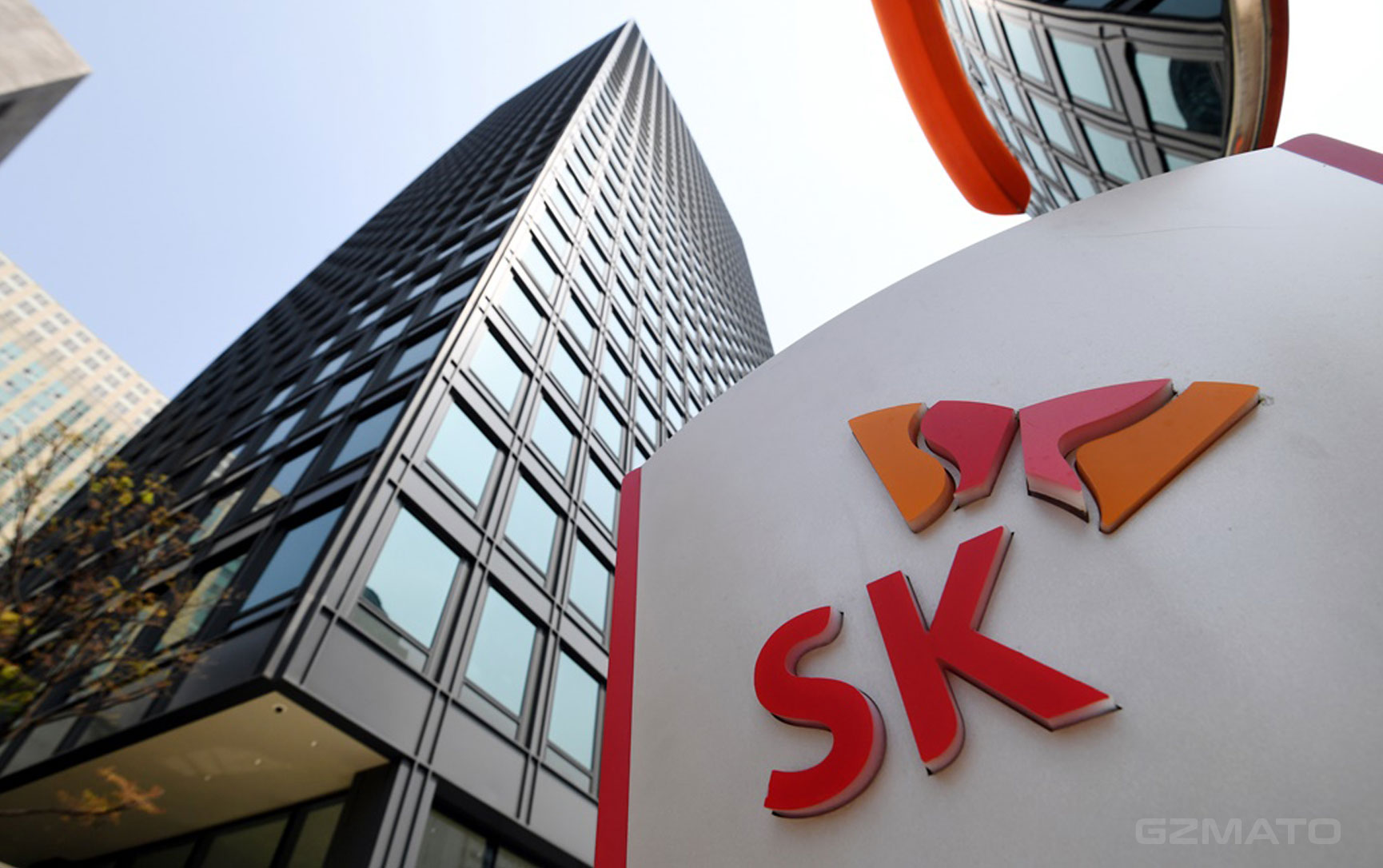
- Memory Chip Shortage to Last Until 2030: SK Group Chairman Warns of Prolonged Crisis
- What SK Group Chairman Said
- Real Causes Behind the Shortage
- Impact on Memory Prices in 2026–2027
- Affected Industries
- Advice for Individual Users
- Advice for Enterprise Customers
- Final Verdict: Expect Higher Prices Ahead
- Shop Memory & Storage at Gzmato
March 17, 2026 – SK Group Chairman Chey Tae-won has warned that the global memory chip shortage could persist until 2030. Speaking at NVIDIA’s GTC event, he cited structural constraints in wafer supply and the massive shift toward HBM for AI accelerators. Here’s a clear analysis of the situation, its real causes, and practical advice for both individual users and enterprise customers.
Memory Chip Shortage to Last Until 2030: SK Group Chairman Warns of Prolonged Crisis
SK Group Chairman Chey Tae-won stated that memory chip shortages will likely continue for another 4–5 years due to industry-wide production constraints. The three major DRAM suppliers — SK Hynix, Samsung Electronics, and Micron — have redirected much of their capacity to high-bandwidth memory (HBM) for AI, leaving traditional DRAM and NAND in short supply. This warning comes at a critical time as AI demand continues to surge.
What SK Group Chairman Said
Key points from Chey Tae-won’s interview: - Global wafer supply lags demand by more than 20%. - SK Hynix and peers are expanding capacity, but full supply balance won’t be achieved until around 2030. - The shift to HBM for NVIDIA AI accelerators is the primary cause of traditional memory shortages. - Prices for DDR5 and other standard memory are expected to remain elevated or rise further in 2026–2027.
Real Causes Behind the Shortage
The shortage is a combination of real structural issues and strategic decisions: - Explosive HBM demand from AI servers (NVIDIA Blackwell/GB200 platforms). - Wafer production capacity expansion is slow (new fabs take 3–5 years to ramp up). - The three major suppliers have deliberately shifted production to higher-margin HBM, squeezing supply of standard DRAM/NAND. - While the shortage is genuine, the extended timeline to 2030 may also serve as industry signaling to stabilize or raise prices.
Impact on Memory Prices in 2026–2027
Short-term outlook: - DDR5 memory prices are projected to rise 20–40% in 2026. - SSD and NAND prices will follow similar trends due to reduced capacity. - HBM prices remain extremely high and supply-constrained. - Consumer PC, laptop, and server costs will increase accordingly.
Affected Industries
The shortage will hit hardest in: - PC and laptop manufacturing (higher component costs). - Data centers and cloud providers (AI server memory expenses). - Smartphone makers (mid-range models may reduce RAM). - Automotive and industrial electronics (embedded systems). Smaller AI startups and enterprises without long-term contracts will face the biggest pressure.
Advice for Individual Users
- If you plan to upgrade RAM or SSD in 2026, consider buying sooner rather than later.
- Monitor prices monthly on major platforms; avoid panic buying.
- Opt for cloud storage (OneDrive, iCloud) or external drives to reduce local memory needs.
- Focus on devices with upgradable RAM where possible.
Advice for Enterprise Customers
- Secure long-term supply contracts with SK Hynix, Samsung, or Micron now to lock in pricing.
- Build 3–6 months of buffer inventory for critical systems.
- Diversify suppliers and evaluate CXL memory or cloud migration options.
- Adjust 2026–2027 IT budgets upward by 25–40% for memory-related expenses.
Final Verdict: Expect Higher Prices Ahead
The memory chip shortage is real and driven by massive AI demand, but the extended timeline to 2030 also serves as industry signaling. Both individual users and enterprises should prepare for higher prices in 2026–2027. Proactive planning — upgrading early or securing contracts — will help mitigate the impact.
Shop Memory & Storage at Gzmato
Fast shipping, 1-year warranty – DDR5 RAM, SSDs, external drives & more
Special Offer: Use code GZMMEMORY26 for 10% off!
Shop Memory & Storage Now →Data Sources & Methodology (as of Mar 17, 2026):
- Bloomberg report featuring SK Group Chairman Chey Tae-won
- TrendForce and DRAMeXchange market data
- Additional coverage from Reuters, CNBC, and The Information
- Industry analysis from SK Hynix, Samsung, and Micron statements
- Gzmato memory and storage inventory
- memory chip shortage 2030
- SK hynix memory crisis
- dram shortage 2026
- hbm demand ai
- samsung sk micron memory shortage
- ddr5 price increase 2026
- memory supply chain crisis