Unitree's H1 Humanoid Robot Achieves "One-Second Stand-Up," Marking a Leap in Robotics
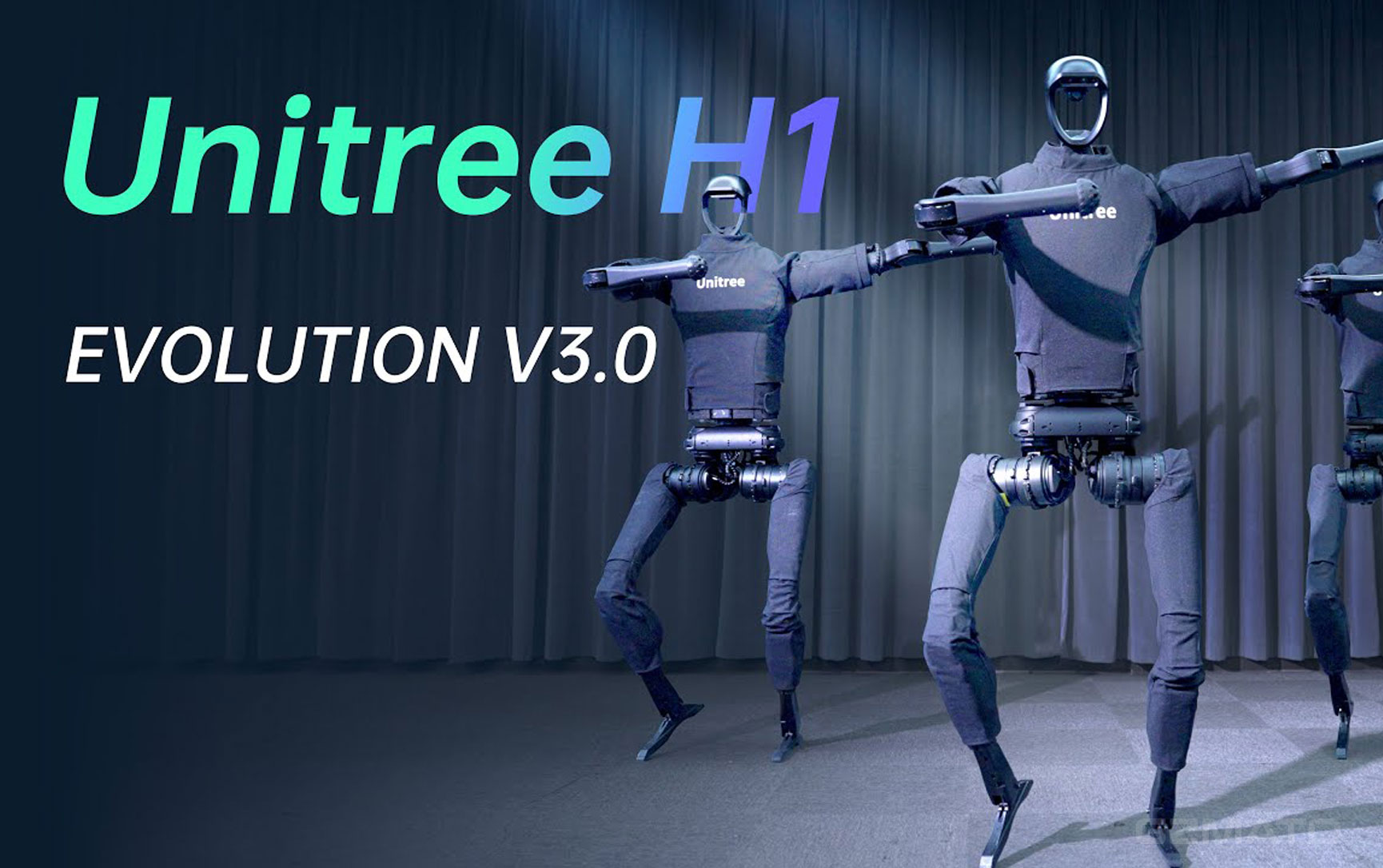
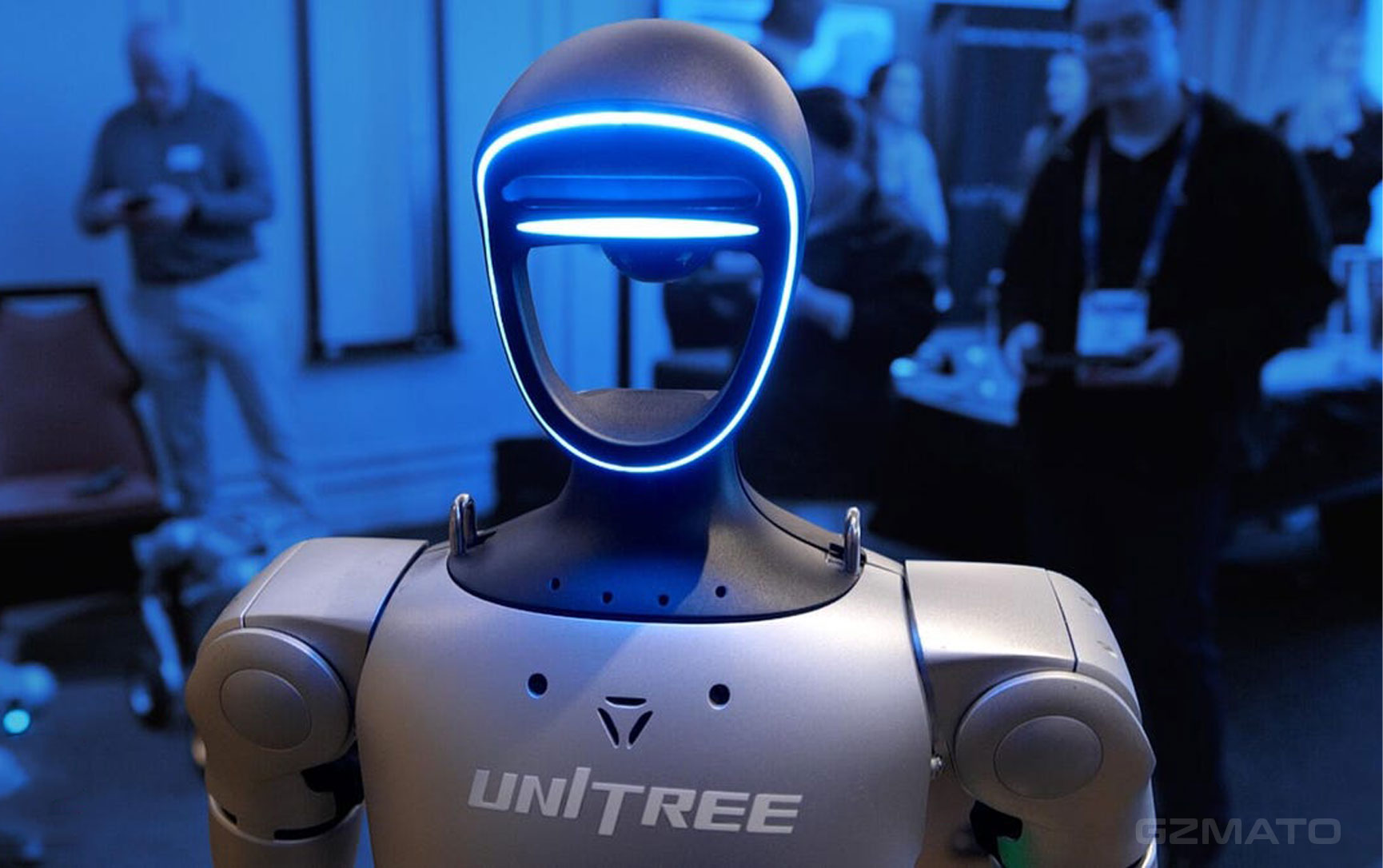
The 2025 World Robot Conference has kicked off with a spectacular display of innovation, and one of the most talked-about highlights is the groundbreaking demonstration by Chinese robotics company Unitree Robotics. Their latest full-sized humanoid robot, H1, has stunned audiences by showcasing its ability to rapidly recover from a fallen position and stand up in approximately one second.
This feat, widely reported across tech platforms and social media, represents a significant advancement in the field of humanoid robotics, particularly in dynamic control and balance. Videos of the H1 robot's lightning-fast recovery have gone viral, sparking discussions about the future capabilities and potential applications of human-like machines.
The Significance of Rapid Recovery
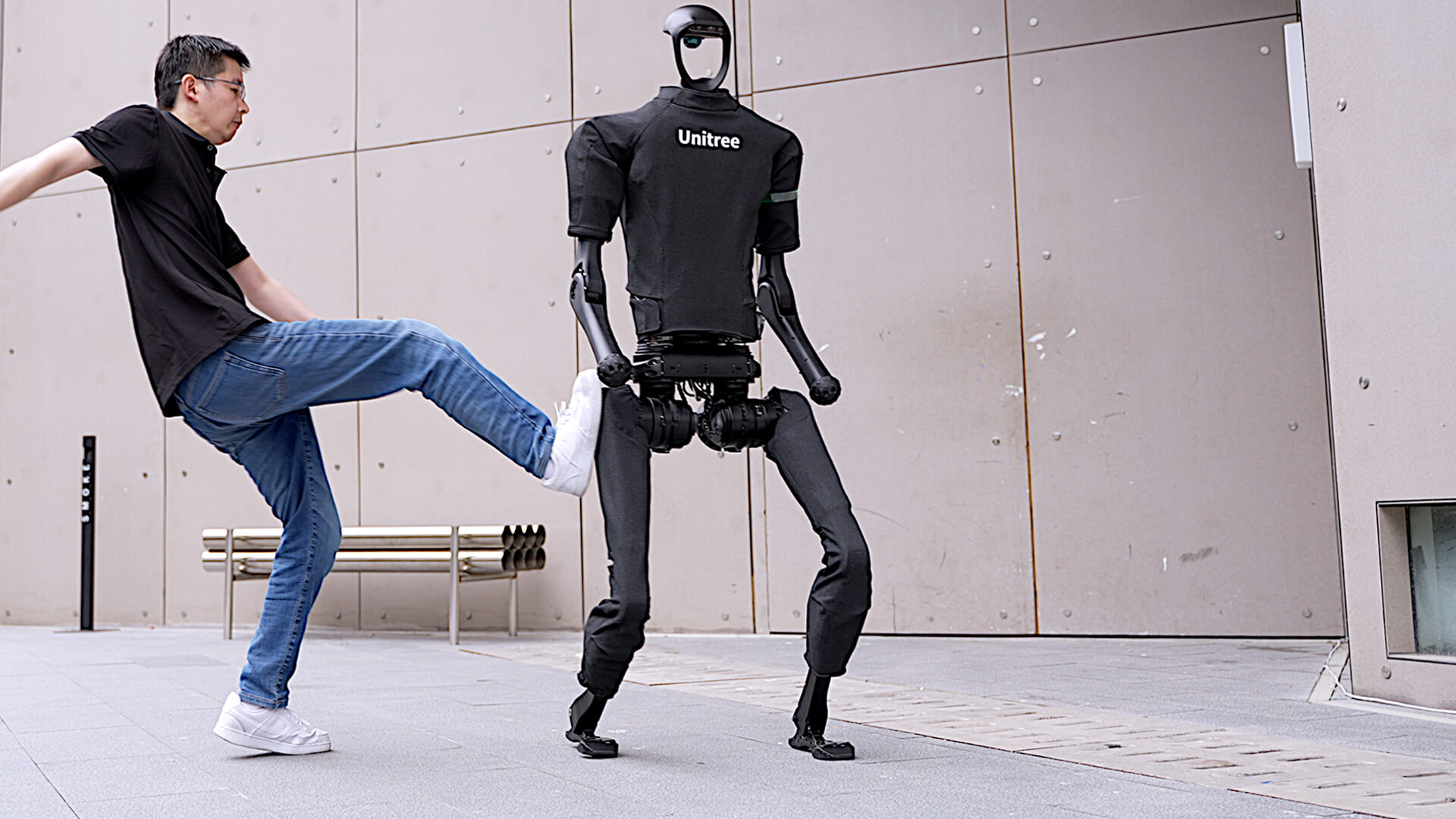
The ability for a bipedal robot to quickly regain its footing after a fall is crucial for its real-world viability. Traditional humanoid robots often struggle with stability and require complex maneuvers and considerable time to stand up, sometimes even needing external assistance. Unitree's H1, however, demonstrates a remarkable level of dynamic balance and torque control, allowing it to react to unexpected disturbances and recover with human-like speed and agility.
Internet Analysis & Industry Perspectives:
Online discussions surrounding this breakthrough highlight several key takeaways:
- Enhanced Environmental Adaptability: Robotics experts on various forums emphasize that this rapid recovery ability is essential for humanoid robots to navigate complex, uneven, and obstacle-filled real-world environments. It suggests a move beyond carefully controlled laboratory settings towards robots capable of operating in more unpredictable spaces.
- A Step Closer to Practical Applications: Analysts point out that the robustness to handle falls is a critical requirement for many potential applications, including logistics, healthcare assistance, and industrial maintenance. The H1's demonstration addresses a significant hurdle in the path to commercialization.
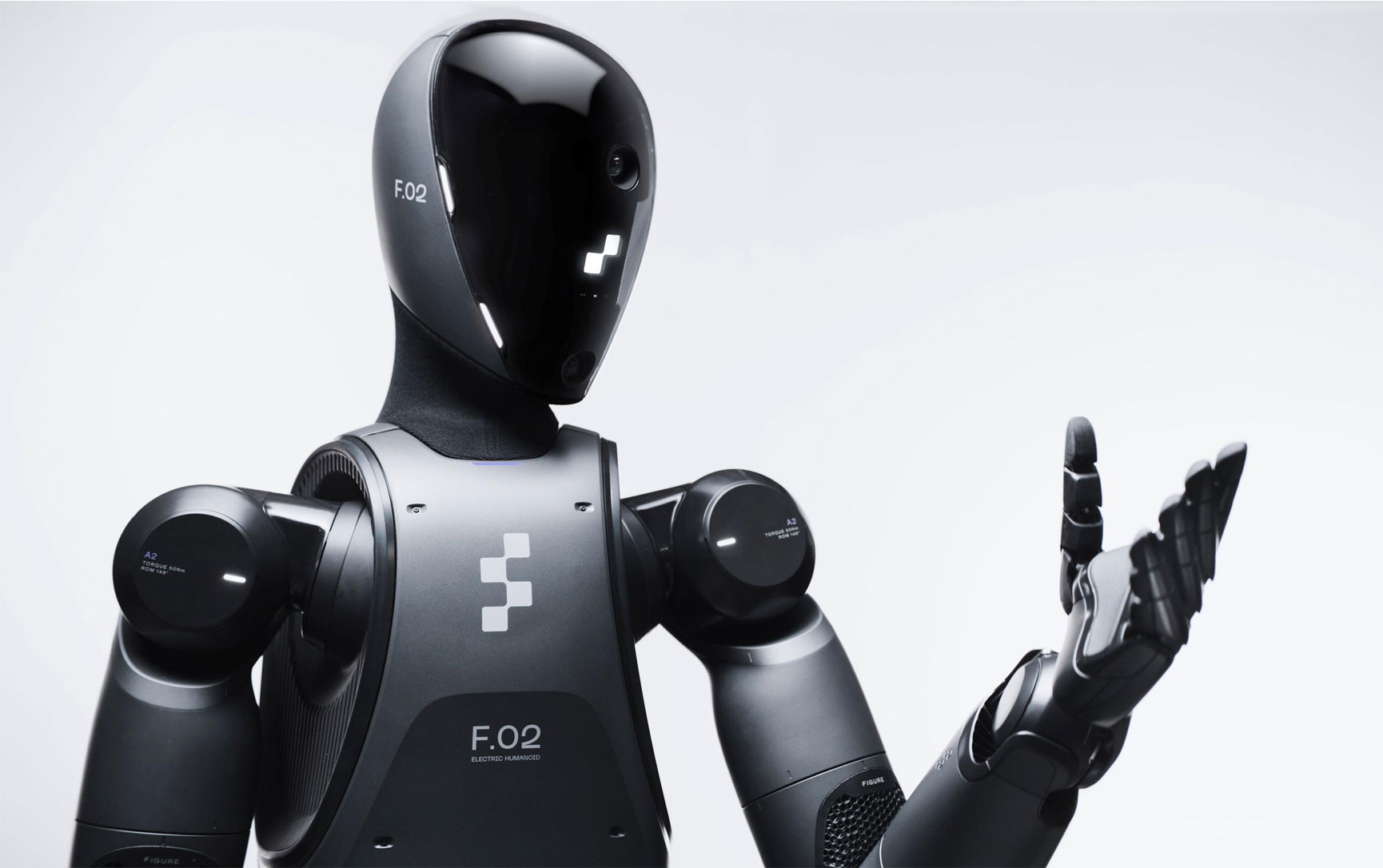
- Competitive Edge: Unitree's achievement is seen by many as a significant step forward for Chinese robotics, positioning them as strong contenders in the global race to develop advanced humanoid technology. Comparisons are being drawn to other leading robotics companies, with many noting the impressive speed and efficiency of the H1's recovery.
- Underlying Technology: Discussions also delve into the likely underlying technologies enabling this feat, including advanced sensor systems, sophisticated algorithms for balance control and force distribution, and powerful, lightweight actuators capable of delivering the necessary torque for such rapid movement.
Our Take:
Unitree's "one-second stand-up" is more than just an impressive visual showcase; it's a tangible demonstration of the progress being made in humanoid robot technology. This capability significantly enhances the robot's potential for real-world interaction and marks a departure from the more delicate and less resilient robots of the past. As these robots become more adept at handling dynamic situations, their potential for integration into various aspects of our lives grows exponentially. The rapid pace of development in this field suggests that the era of capable and adaptable humanoid robots may be closer than many anticipated.
Now Playing: Unitree's H1 Humanoid Robot Achieves "One-Second Stand-Up," Marking a Leap in Robotics
- Unitree Robotics
- H1 robot
- humanoid robot
- World Robot Conference 2025
- robotics breakthrough
- dynamic control
- robot recovery
- AI
- China robotics