Astronomers Discover Colossal Black Hole 36 Billion Times the Mass of the Sun
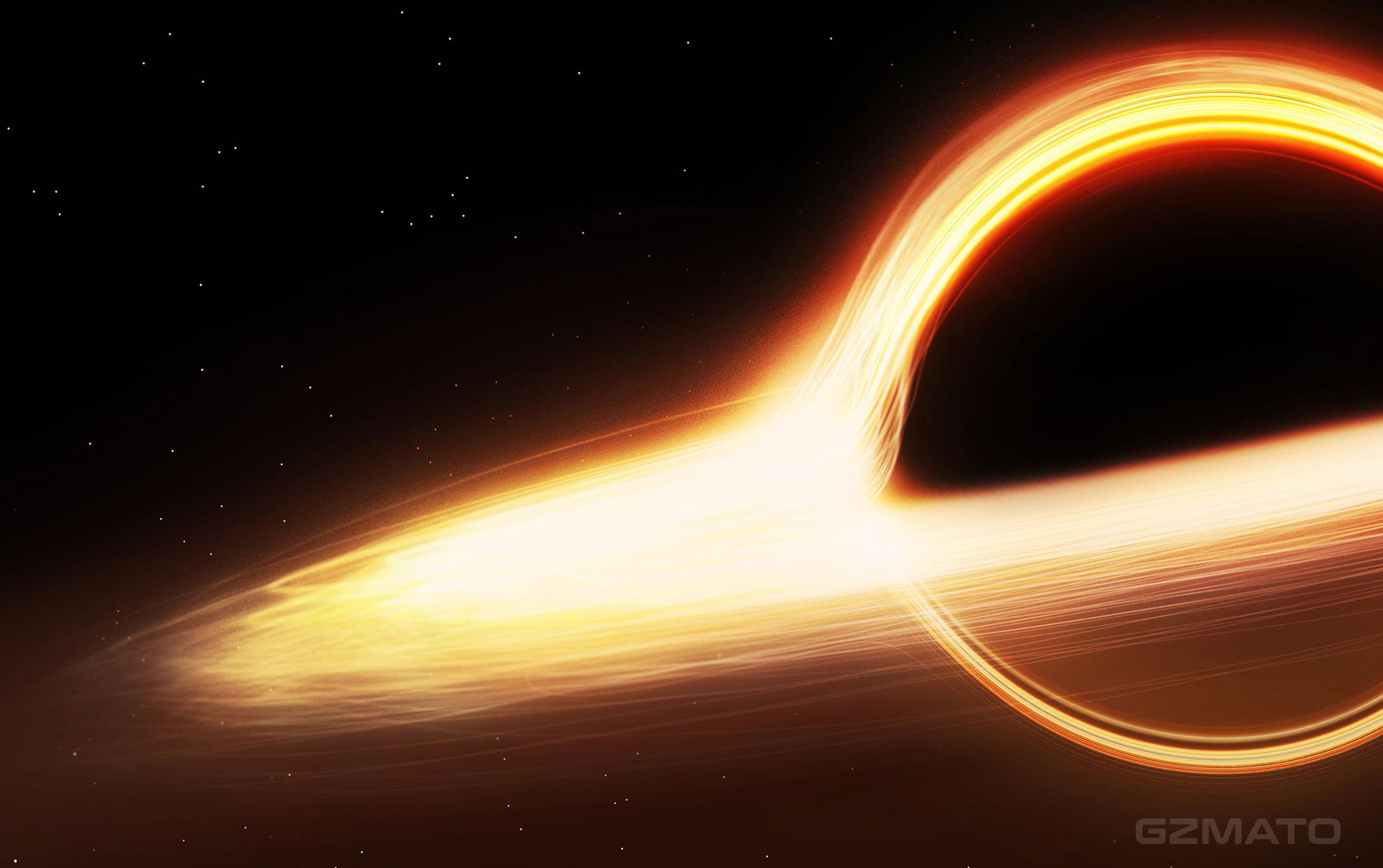
In a stunning breakthrough that pushes the boundaries of our cosmic understanding, a team of international astronomers has discovered a black hole with an estimated mass of 36 billion suns. The finding, published in the Monthly Notices of the Royal Astronomical Society, reveals one of the largest black holes ever observed and offers new insights into how these cosmic giants grow.
This colossal black hole resides at the center of a massive galaxy located approximately 5 billion light-years from Earth. Its sheer size is staggering; it is roughly 10,000 times larger than Sagittarius A*, the supermassive black hole at the center of our own Milky Way galaxy. The discovery was made by a team from the University of Portsmouth and Brazil's Federal University of Santa Catarina.
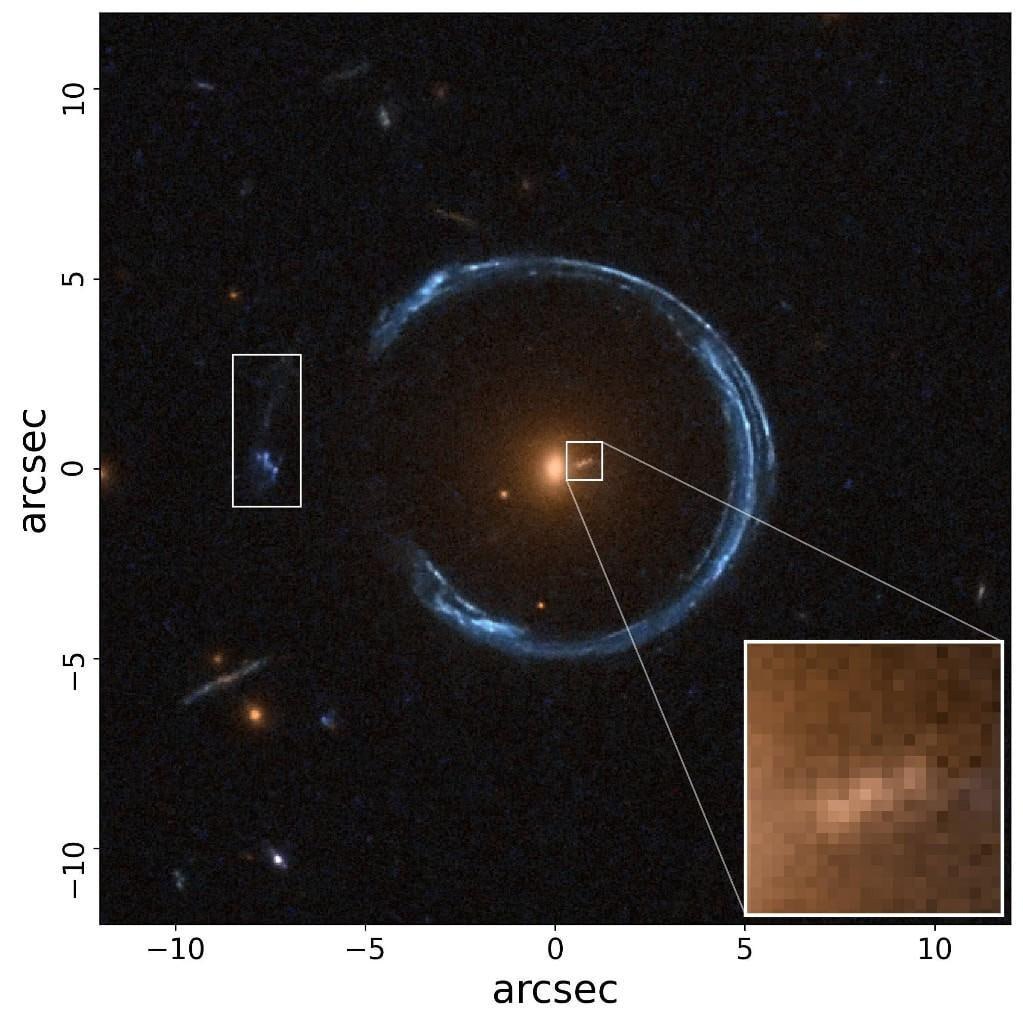
The black hole was found using a phenomenon known as gravitational lensing. Since the black hole is dormant and not actively consuming matter, it does not emit light. Instead, the team used the black hole's immense gravity, which warps spacetime, to act as a powerful lens. By analyzing how the light from a more distant galaxy was bent into a giant arc (dubbed the "Cosmic Horseshoe"), scientists were able to precisely calculate the mass of the black hole responsible for the distortion.
The discovery of a black hole this massive is significant because its size is approaching the theoretical upper limit for black holes. Its existence provides critical data for theoretical models of how galaxies and their central black holes co-evolve and grow to such incredible scales. It also highlights the power of indirect observation methods like gravitational lensing, which are becoming invaluable tools for modern astronomy.


- supermassive black hole
- gravitational lensing
- 36 billion solar masses
- astronomy
- black hole discovery
- cosmic horseshoe
- space news