The Universal Danger: Why Your USB-C Port is Not as Simple as It Looks
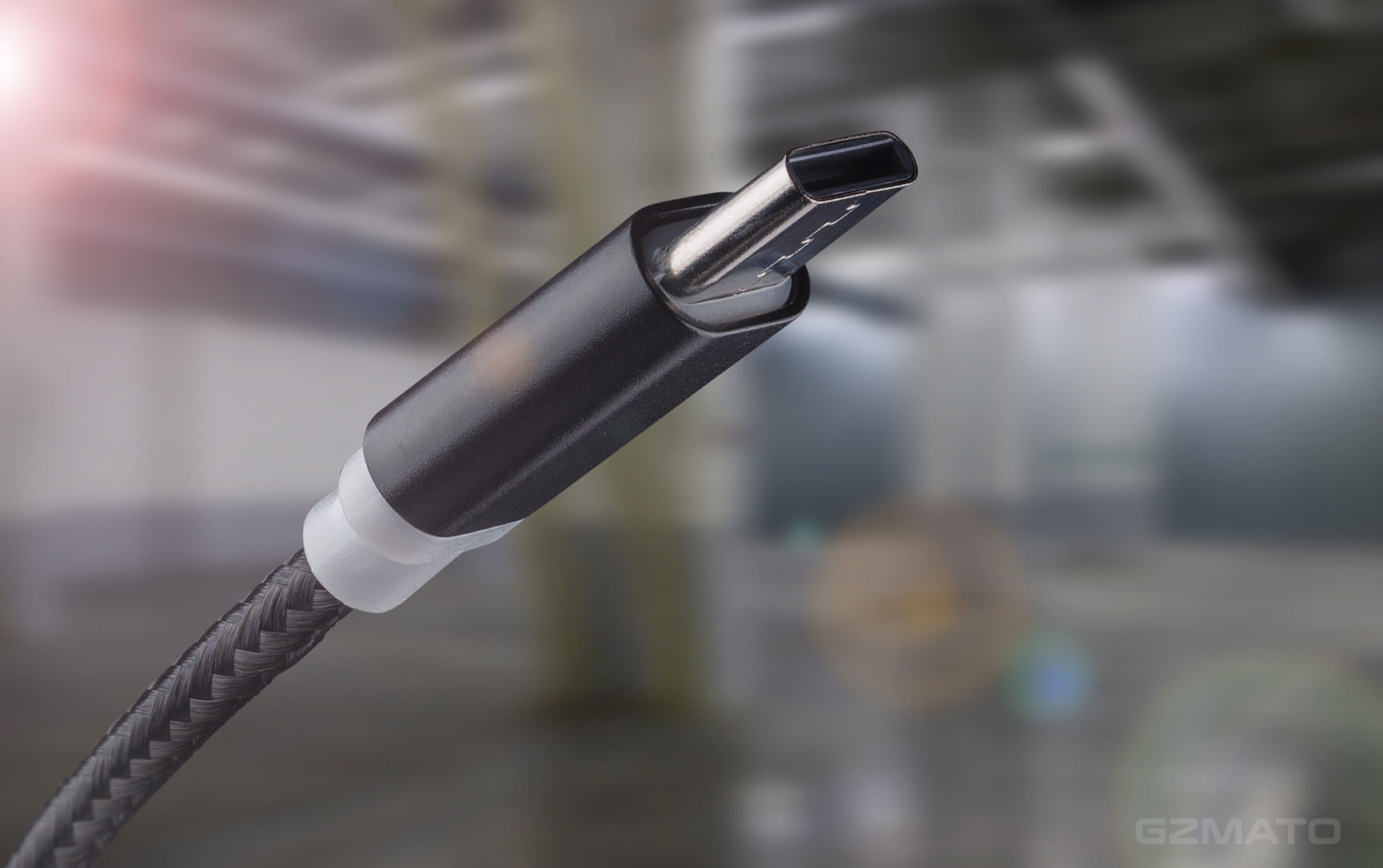
The shift to USB-C (or Type-C) has been hailed as a victory for simplicity. One reversible port now handles charging, data transfer, and video output across smartphones, laptops, and tablets. It's the unifying standard we’ve all wished for.
Yet, this supposed universality hides a dangerous truth: a universal port does not mean a universal standard. Using the wrong charger or a cheap cable with your device can do more than just slow down charging—it can potentially fry your phone’s motherboard or power management unit (PMIC).
This isn't an urban legend; it's a technical reality rooted in the complexity of modern power delivery protocols. Here is a breakdown of why this happens and how you can protect your valuable electronics.
1. The Power Delivery (PD) Protocol: The Hidden Conversation
Traditional charging was simple: 5 volts went in. Modern USB-C charging is a highly sophisticated dialogue, governed by the USB Power Delivery (USB PD) protocol.
When you connect a device to a charger, three components—the charger, the cable, and the device—must perform a rapid "handshake" before any high power is delivered.
-
The Negotiation: The device and charger negotiate the maximum safe voltage and amperage. Only after confirming the highest common safe ground (e.g., 9V at 3A, or 20V at 5A) will the charger ramp up the power.
-
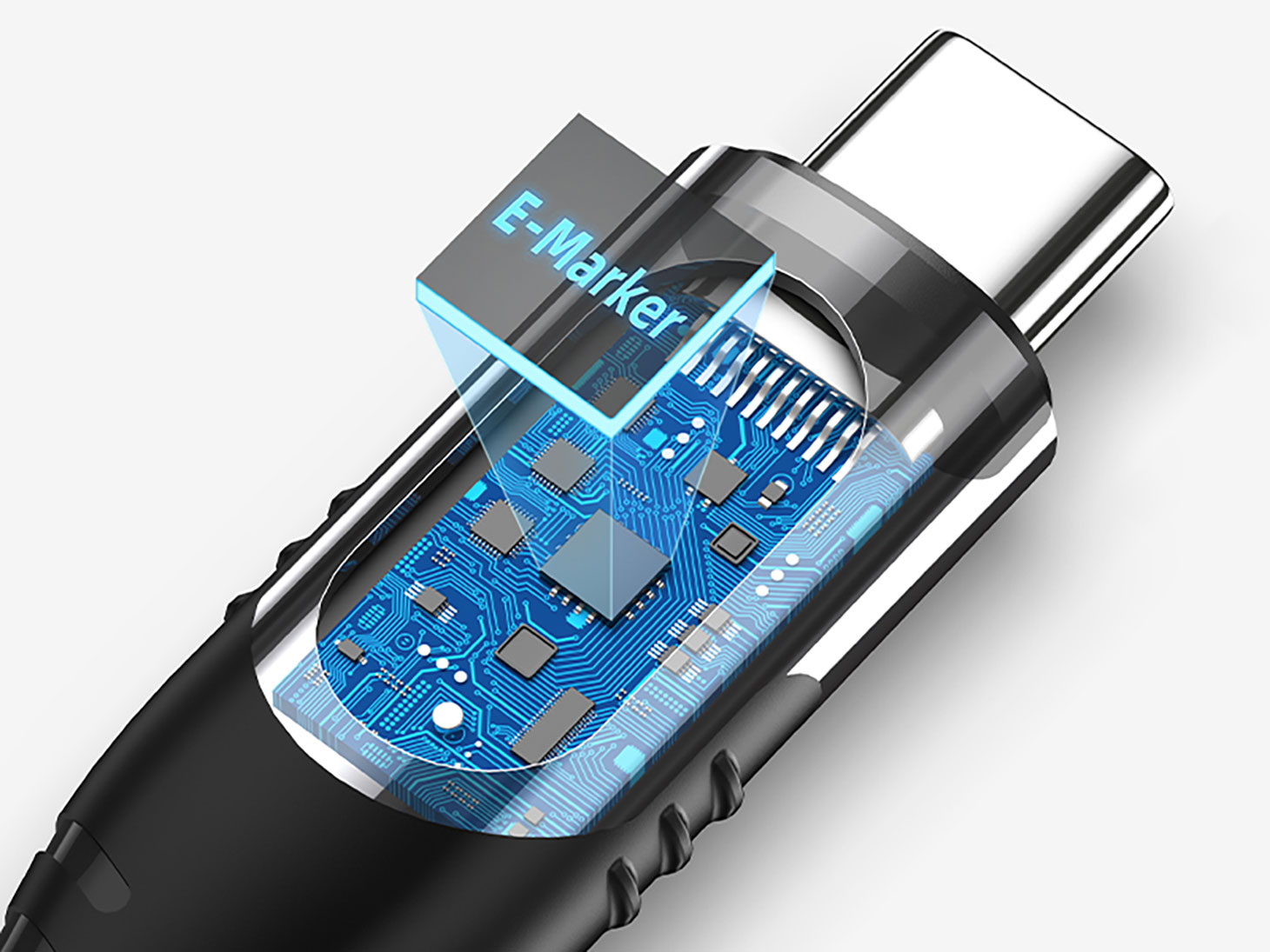
The Gatekeeper (E-Marker Chip): All high-quality, high-wattage USB-C cables must contain an E-Marker chip. This chip is the cable’s ID card, informing the charger and device exactly how much power and data throughput the physical wires inside the cable can safely handle.
The Danger: When this sophisticated handshake fails or is compromised, the charger might fall back to an unsafe default, or worse, the cable itself cannot handle the power requested, leading to rapid heat build-up and component failure.
2. The Three Common Failure Points
Most hardware damage occurs due to one of these three avoidable factors:
A. The Fake E-Marker Chip
This is the most common and silent killer. Low-cost, non-certified cables often contain either a faulty or non-existent E-Marker chip.
- The Lie: A fake E-Marker might lie to the charger, claiming it supports 100W, when the wires inside are thin, poorly soldered, and only safely capable of 30W.
- The Result: When the charger outputs 100W, the cable immediately overheats. This heat can melt the plastic, damage the delicate USB-C port pins, and in the worst case, send a damaging power spike directly into your device’s PMIC (Power Management Integrated Circuit).
B. The Private Protocol Conflict
While USB PD is the standard, brands like Xiaomi, OPPO, and Huawei use high-speed private protocols (e.g., beyond the standard PPS, or Programmable Power Supply) to achieve ultra-fast charging (120W+).
- The Conflict: If you use a high-wattage charger designed for Brand A’s 150W private protocol to charge a Brand B phone, the charger attempts to start its high-speed proprietary process. If the negotiation fails due to incompatibility, a poorly designed charger might fail to safely fall back to the universal PD standard, instead sending a sudden, unstable burst of current that exceeds the phone’s safe limits.
- The Consequence: This electrical shock instantly damages the tiny, crucial capacitors and resistors within the PMIC, effectively bricking the phone’s charging capability or, in extreme cases, the entire main board.
C. Physical Damage and Debris
The USB-C port has 24 pins packed into a tiny space.
- The Short Circuit Risk: Lint, dust, or moisture trapped inside the port can bridge the high-voltage pins (VBUS) and the ground pins.
- The Breakdown: When you plug the charger in, even the basic 5V initial current meant for negotiation can instantly cause a short. The resulting uncontrolled current flow will burn out the connector’s internal pins and the attached PMIC on the device.
3. How to Protect Your Devices
To navigate the complex world of USB-C safely, adhere to these simple, practical rules:
- Demand Certification: Only purchase cables that are explicitly labeled with USB-IF Certification or are official manufacturer-branded for high-power usage (60W or higher). The small price difference is your insurance policy.
- Match the Ecosystem for Fast Charging: For any device that supports proprietary "super-fast" charging (e.g., 65W, 100W, 150W), always use the original charger and cable provided by the manufacturer.
- Inspect Your Ports: Before plugging in, take a quick look inside the port with a flashlight. If you see dust, lint, or debris, use a plastic toothpick or a puff of air to gently clean it out. Never use metal objects.
- Use Low-Power Chargers for Small Devices: If you are charging earbuds, smartwatches, or other small accessories, avoid plugging them into a massive 140W laptop charger unless you are certain both the charger and the cable are fully compliant with safe low-power PD standards. It reduces the chance of unnecessary high-voltage negotiation attempts.
The USB-C port is a technological marvel that offers incredible convenience, but with high power comes high responsibility. Stay informed and choose your cables wisely.


- USB-C danger
- Type-C short circuit
- USB PD protocol
- E-Marker chip
- phone mainboard burn
- charging safety
- fast charging risk