The Display Revolution: Apple’s Massive OLED Strategy is Finally Underway
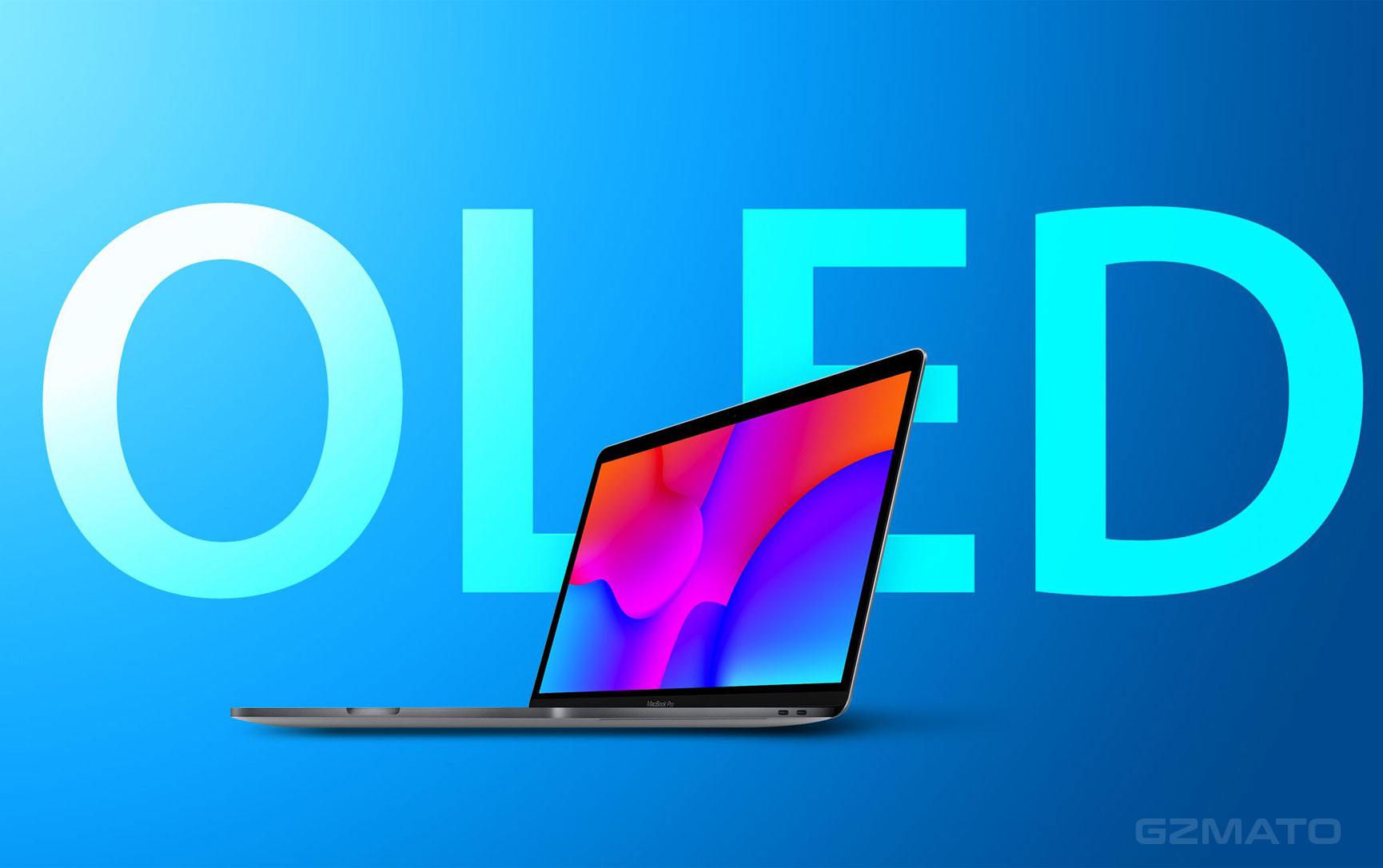
For years, the best display technology from Apple—perfect blacks, stunning contrast, and vibrant color—has been reserved for its top-tier devices: the iPhone, the Apple Watch, and, most recently, the iPad Pro. But a new, highly reliable report suggests that era of exclusivity is ending. Apple is preparing a multi-year, strategic push to bring OLED screens to nearly its entire lineup, including the MacBook Air, iPad Air, and, surprisingly, a completely redesigned iPad mini.
However, if you’re hoping for this graphical leap anytime soon, you’ll need to settle in for a long wait.
The Smallest Tablet Gets the Biggest Upgrade
The most immediate and radical change appears to be centered on the often-overlooked iPad mini. This small device is reportedly first in line for the OLED switch, potentially debuting as early as 2026.
The upgrade isn't just about display quality; the report points to a fundamental redesign focused on durability. Apple is reportedly exploring a new water-resistant design for the iPad mini. The key feature of this new approach involves a speaker system using vibration technology that allows the company to remove traditional speaker holes where water usually enters.
This is a starkly different, and arguably more comprehensive, approach than the current iPhone design, which relies on gaskets and adhesives to manage water intrusion. The new design signals that the iPad mini might evolve into a highly rugged, premium portable tool.
This technological jump comes with an inevitable cost: the new OLED iPad mini is expected to see a price increase of roughly $100, pushing its starting price from $499 to around $599.
The MacBooks: A Long-Term Vision
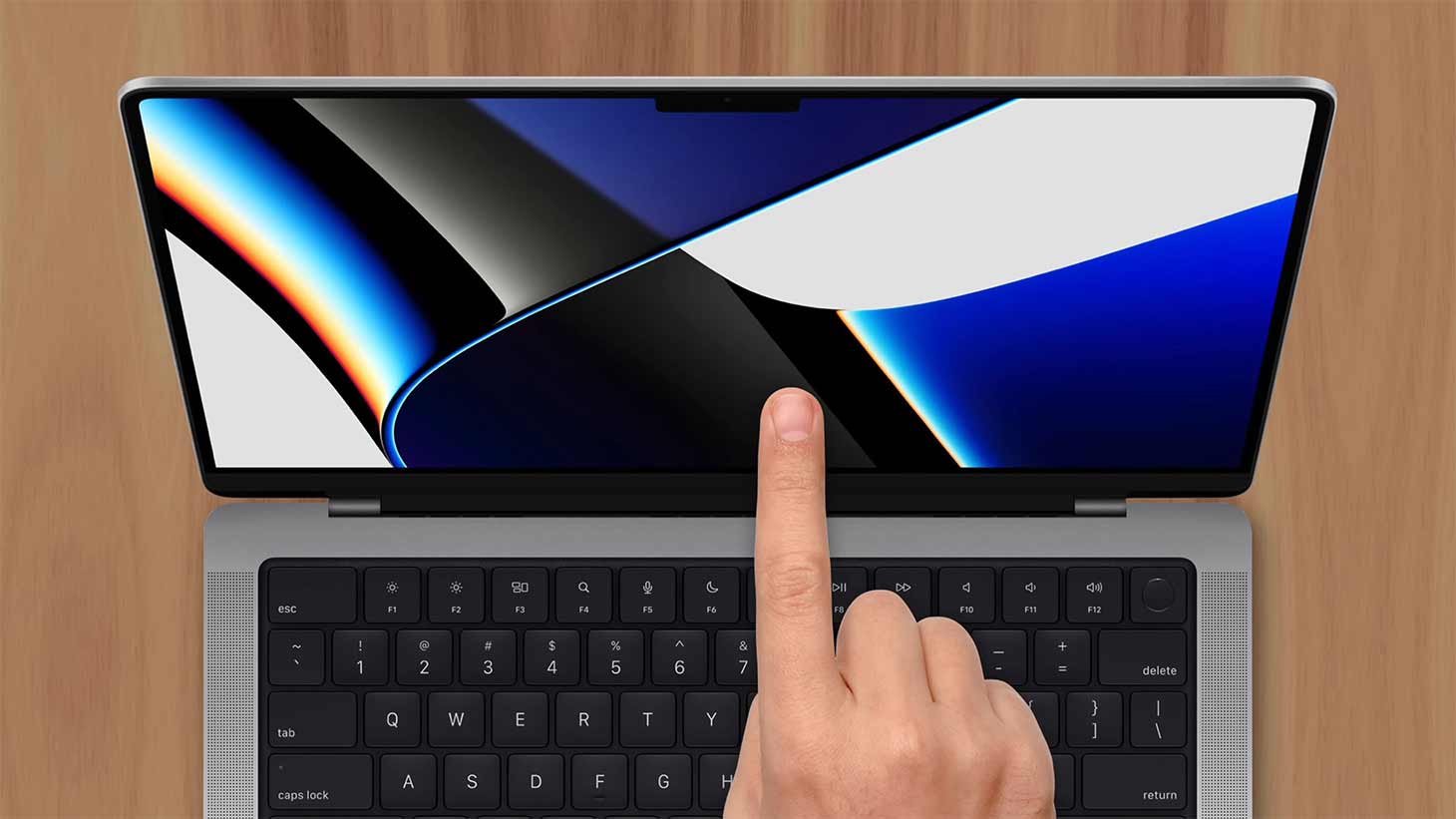
For Mac enthusiasts awaiting the visual brilliance of an OLED desktop experience, the waiting game is much longer and more complex due to the company's chip timeline.
While the current, newly announced M5 chip has already landed in the latest iPad Pro and Vision Pro, it won't be the chip paired with the first OLED MacBooks.
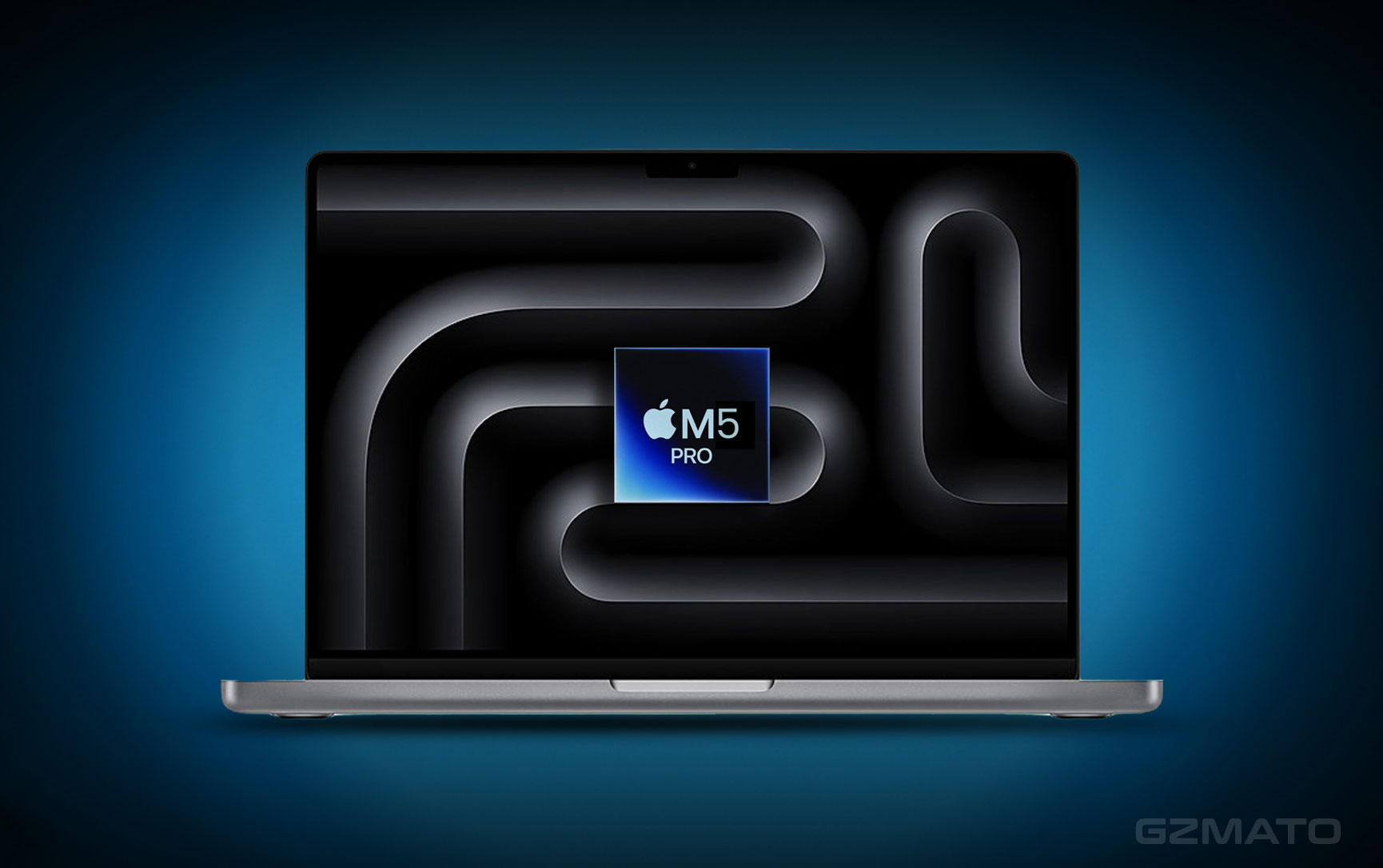
The report clarifies that the MacBook Pro will first receive the M5 Pro and M5 Max chip update using existing display technology. The true OLED transition for the professional notebooks will be held back until the M6 Pro and M6 Max chips arrive, likely sometime in 2027. This indicates Apple is taking its time to engineer the perfect combination of next-generation silicon and next-generation display technology for its highest-end laptops.
The wait is even more substantial for the fan-favorite MacBook Air. After receiving its expected M5 chip refresh this spring, the Air series is not predicted to get the OLED screen until 2028 at the earliest.
The Mid-Range Lineup
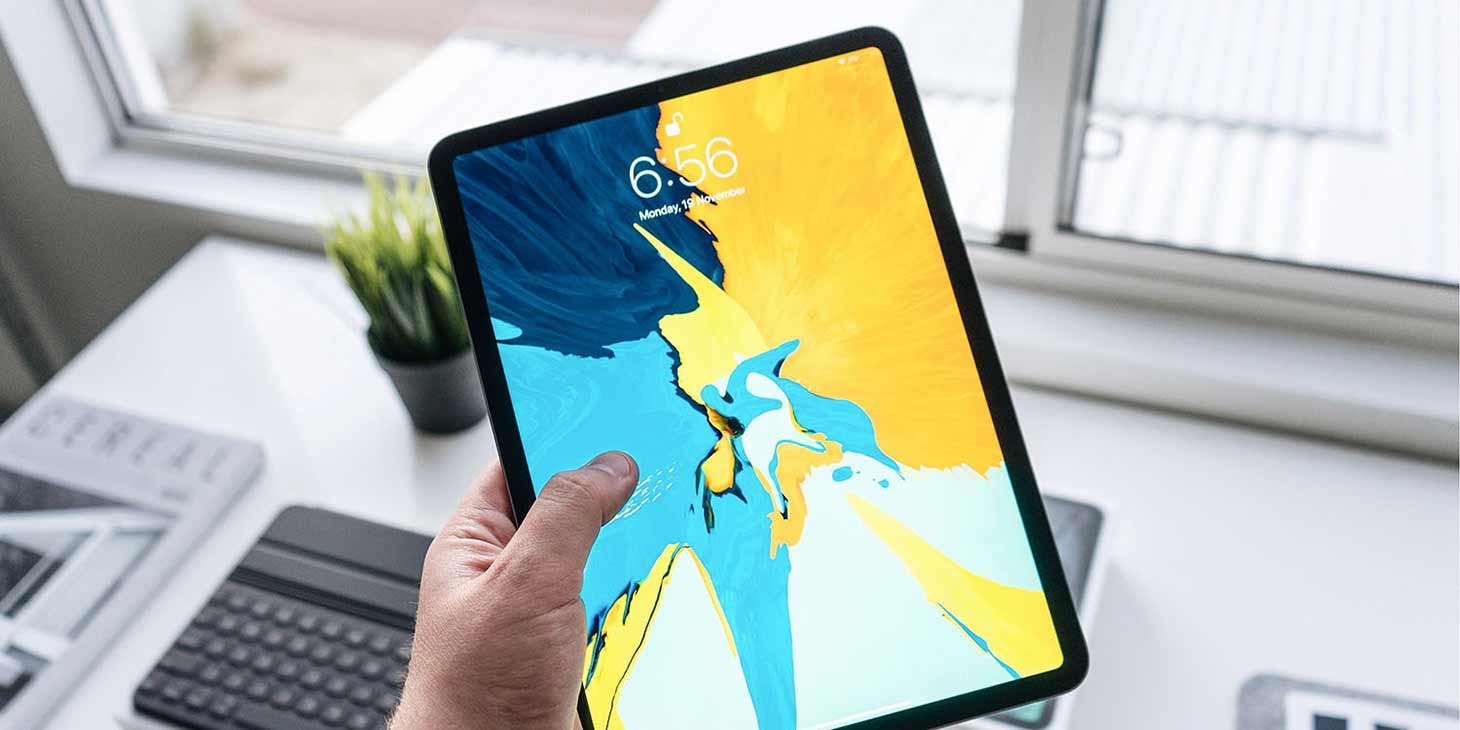
The iPad Air will also be part of the OLED wave, helping it bridge the gap between the entry-level iPad and the iPad Pro. While a timeline is less concrete, the price increase seen in the iPad mini may also foreshadow a similar jump for the Air model, maintaining a healthy price separation between the Air and the Pro tiers.
Finally, the report notes that the entry-level iPad will, for the foreseeable future, remain on current display technology. This makes perfect sense, as Apple will need a competitive, low-cost model to serve the education and budget-conscious consumer markets.
This display overhaul is a testament to Apple’s commitment to visual quality, but it requires patience. The biggest changes—the rugged, OLED iPad mini—are coming soonest, while the Mac world waits for the M6 generation to usher in its own brilliant display era.


- Apple
- OLED
- iPad mini
- MacBook Air
- iPad Air
- M6 Pro
- 2027
- 2028
- water-resistant
- display upgrade