Your Guide to macOS 16: Key Features and What You Need to Know

Apple's next major macOS update, widely expected to be macOS 16 (the official name will be unveiled at WWDC 2025!), is just around the corner. While we'll have to wait until June for the full details, rumors and reports suggest this could be one of the most significant Mac updates in years. Here's a breakdown of the key topics that are generating buzz and what your clients should be most excited about:
The Big Redesign: A Fresh Look for the Mac
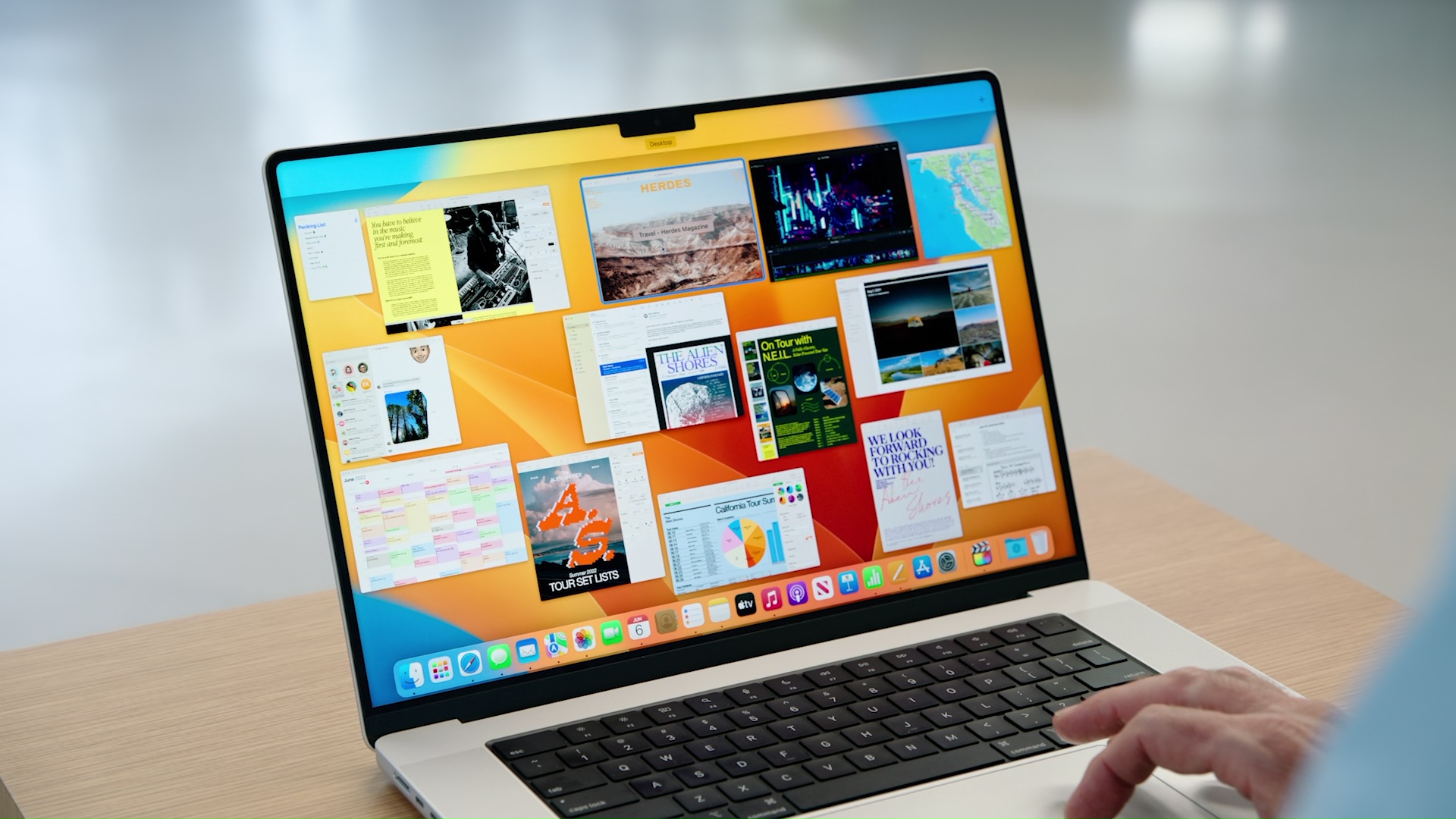
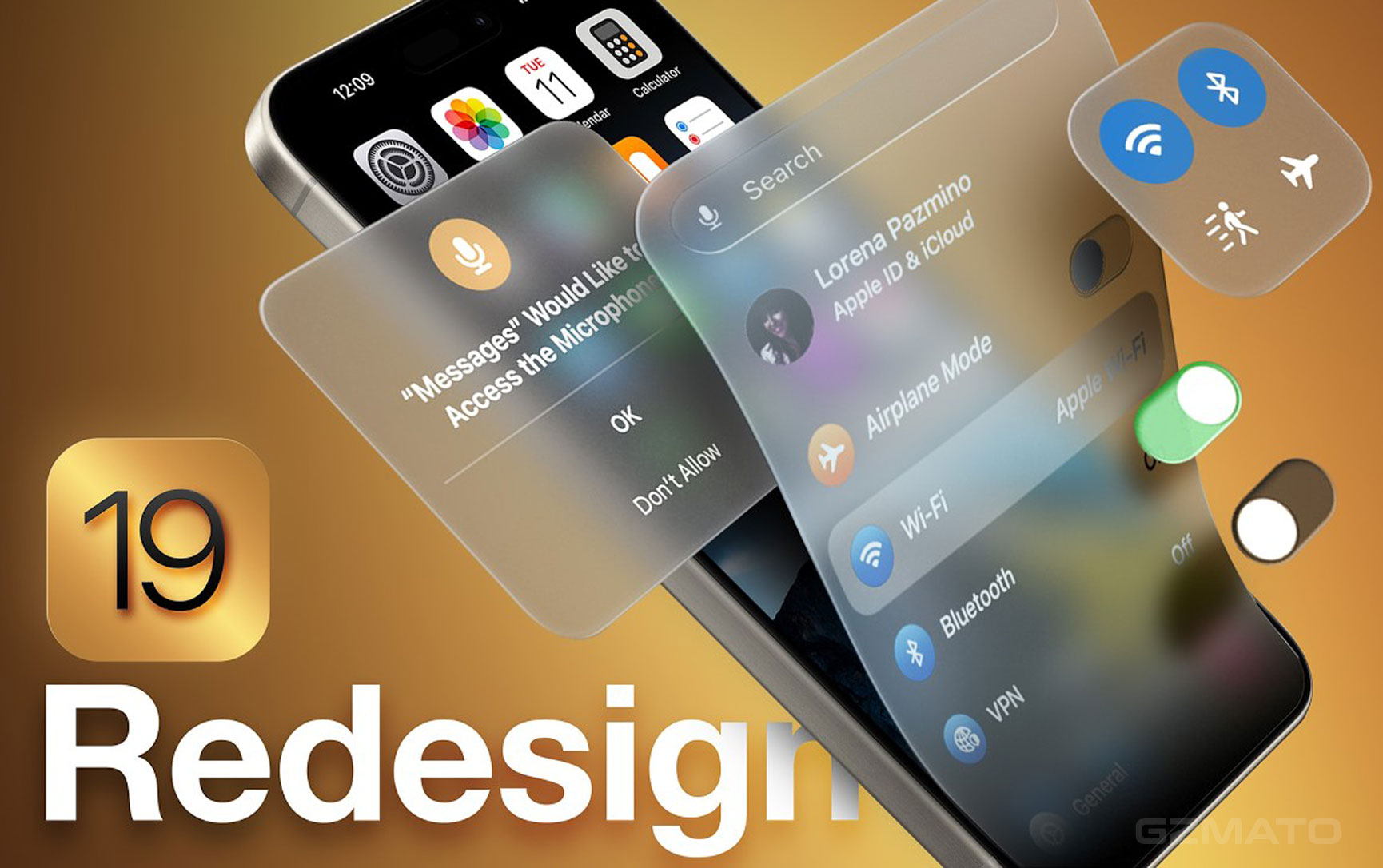
This is arguably the most talked-about aspect of macOS 16. Reports indicate a major visual overhaul, the most significant since macOS Big Sur in 2020. What does this mean for your clients?
- A More Consistent Apple Ecosystem: The redesign is said to be inspired by visionOS, aiming for a more cohesive and unified look across iPhone, iPad, and Mac. This could make switching between devices even more seamless.
- Modernized Interface: Expect changes to icons, menus, apps, windows, and system buttons. This could lead to a more streamlined and visually appealing user experience.
- Possible Hint at Touchscreen Macs? While Apple has historically pushed back on this, the rumored "larger touch targets and more spacing" have reignited speculation about future touchscreen-enabled Macs. It's a fun topic to consider, even if it's just speculation.
Why it matters to your clients: A fresh, modern look can make the Mac feel new again, and the consistency across devices could be a big selling point for those already invested in the Apple ecosystem.
Deeper Apple Intelligence Integration: Smarter, More Capable Macs
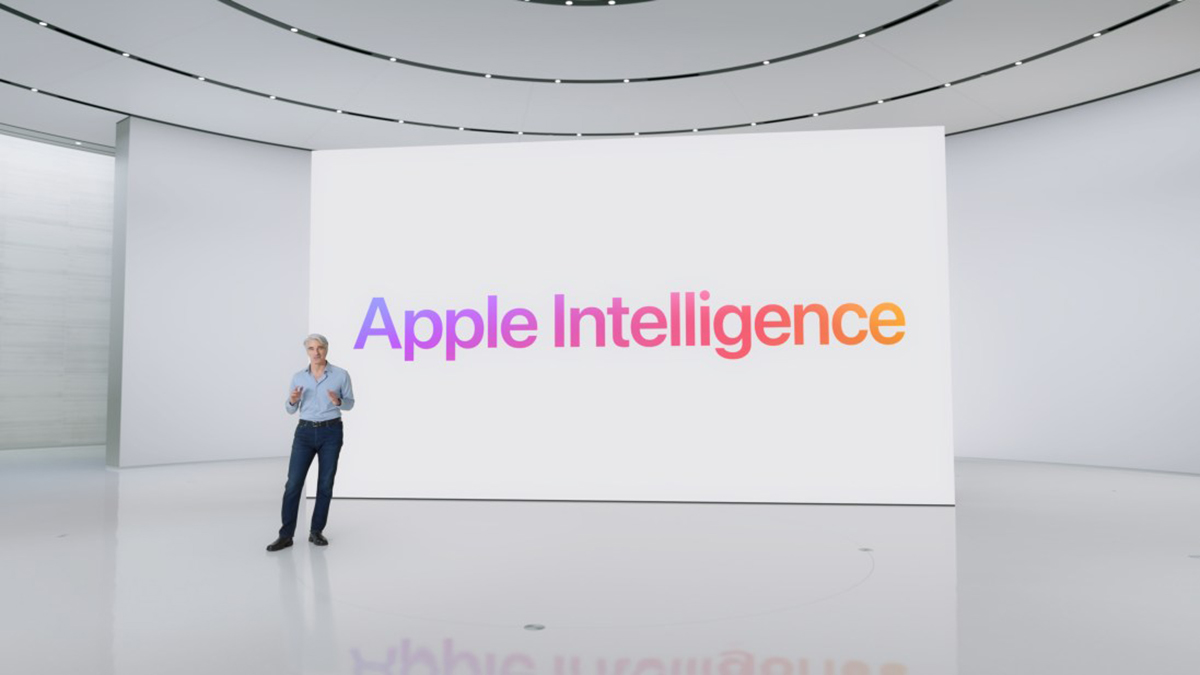
Apple is continuing its push into AI, and macOS 16 will be a key platform for these advancements. While some of the most advanced AI features might roll out gradually, expect the groundwork to be laid.
- Smarter Siri: The biggest AI focus is a more natural and capable Siri, powered by advanced large language models (LLMs). This could transform Siri from a basic voice assistant into a more conversational and helpful tool for everyday tasks. Imagine Siri understanding more complex requests and maintaining context in conversations.
- Enhanced Productivity Tools: Expect AI to supercharge built-in apps. This could include smarter Spotlight suggestions, intelligent email sorting, and predictive actions in Finder.
- Creative AI Features: We might see new AI capabilities for image generation (think "Genmoji" or "Image Playground") and video editing, making creative tasks easier and more accessible.
Why it matters to your clients: AI can significantly improve workflow and make common tasks much more efficient. A smarter Siri could truly change how people interact with their Macs.
Accessibility Takes Center Stage: Empowering More Users
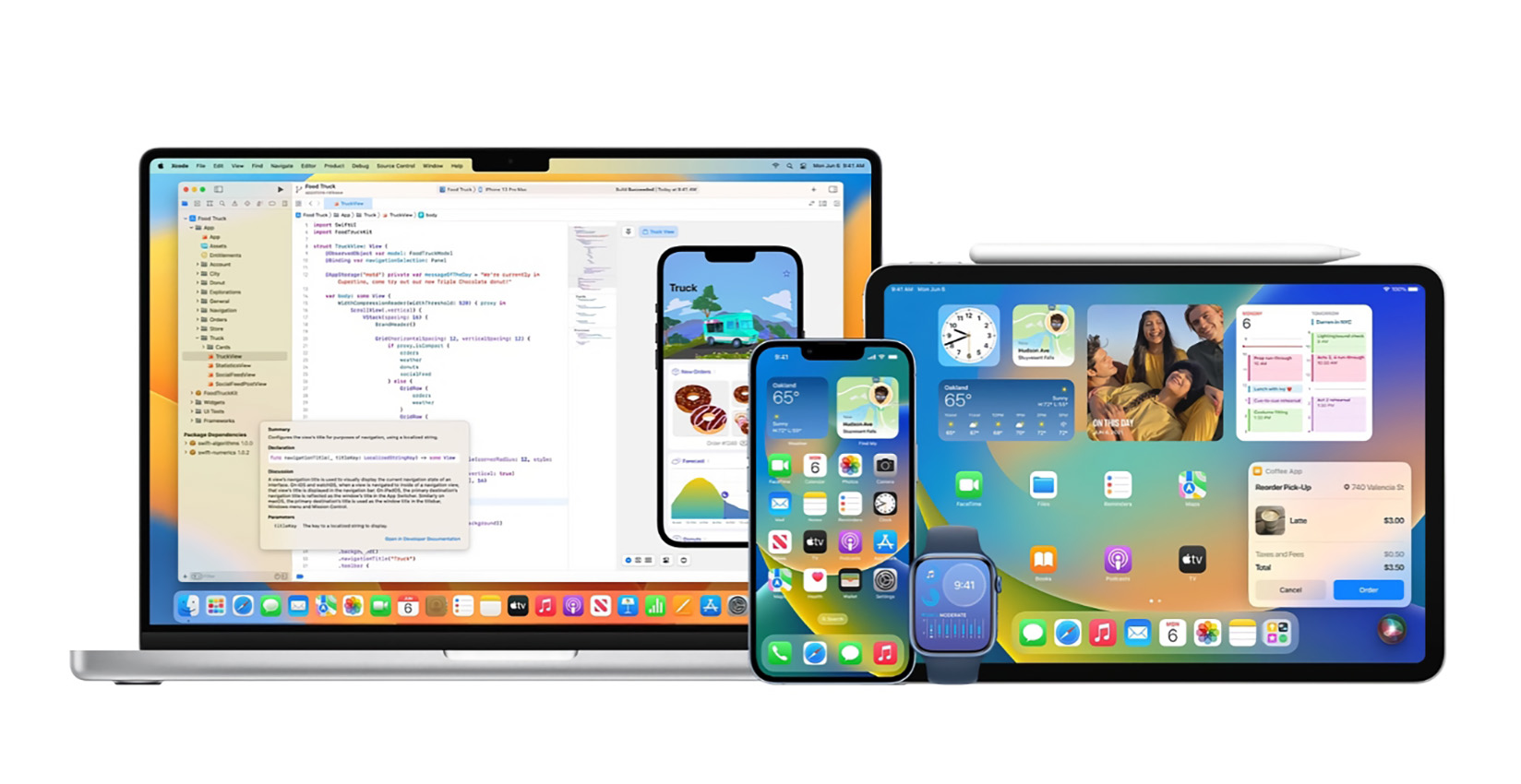
Apple consistently delivers on accessibility, and macOS 16 is expected to bring a host of new features that benefit a wider range of users.
- Magnifier for Mac: A significant addition that could connect to external cameras to magnify surroundings, aiding users with vision impairments.
- Braille Access Enhancements: Improved system-wide support for braille, including note-taking, transcribing, and app launching.
- Accessibility Nutrition Labels on the App Store: A helpful feature that will allow users to quickly see which accessibility features an app supports before downloading.
- Vehicle Motion Cues for Mac: Originally for iOS, this feature can reduce motion sickness by displaying animated dots on screen that respond to vehicle movement, a boon for those who work on the go.
Why it matters to your clients: These features demonstrate Apple's commitment to inclusivity, making the Mac a more welcoming and functional device for everyone.
Compatibility Check: Will Older Macs Make the Cut?
The transition to Apple Silicon has been a major focus, and macOS 16 is widely predicted to potentially drop support for more older Intel Macs.
- Apple Silicon Focus: Expect macOS 16 to be heavily optimized for Apple Silicon chips (M1, M2, M3, and beyond).
- Potential End of Intel Support: While not confirmed, many analysts believe macOS 16 could be the version that fully phases out support for a significant number of Intel-based Macs, especially older models. This is an important consideration for clients still using older hardware.
Why it matters to your clients: This is a crucial topic for any client with an older Mac, as it will determine if they can update to the latest OS and take advantage of new features. It also creates a potential sales opportunity for new Apple Silicon Macs!
-
 -4%
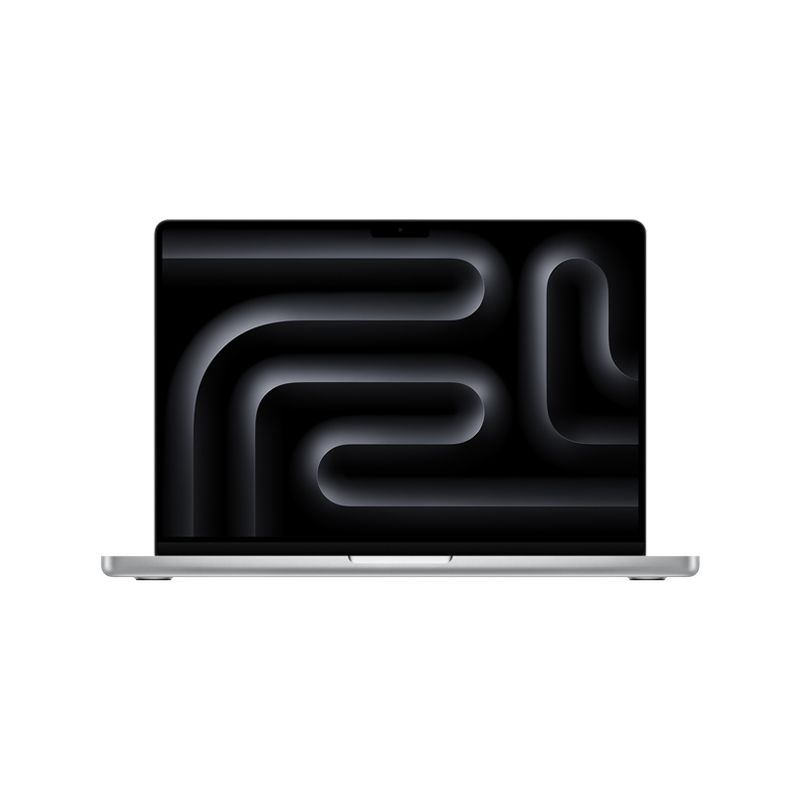
MacBook Pro 14-inch 512GB SSD - Apple M4 Pro chip 12-Core CPU - 16-Core GPU - 24GB Memory - Built for Apple IntellegenceAs low as $2,291.03 Regular Price $2,386.67
-4%
MacBook Pro 14-inch 512GB SSD - Apple M4 Pro chip 12-Core CPU - 16-Core GPU - 24GB Memory - Built for Apple IntellegenceAs low as $2,291.03 Regular Price $2,386.67 -
-4%
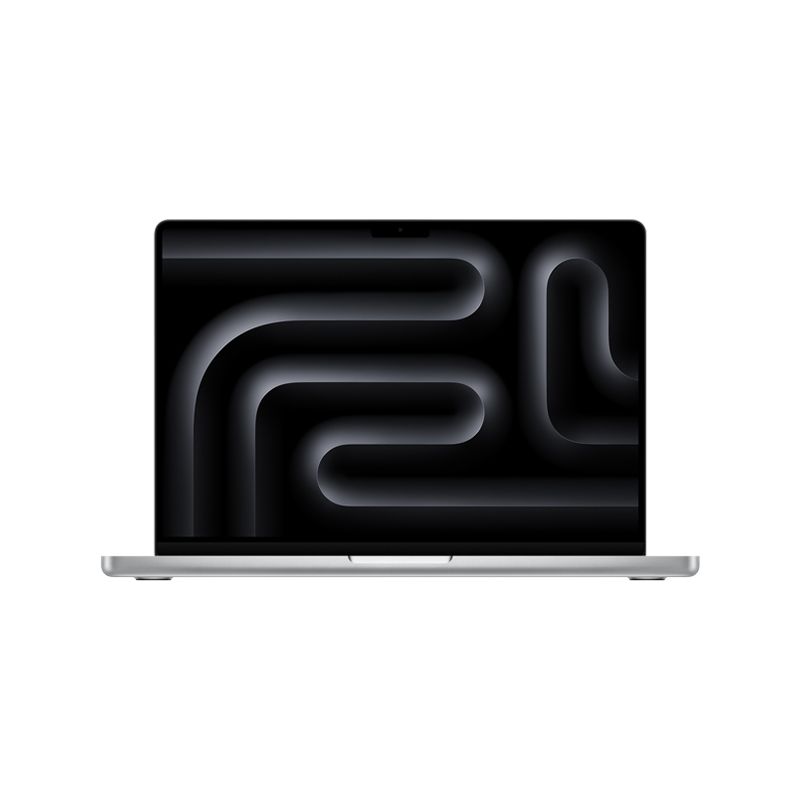
MacBook Pro 14-inch 1TB SSD - Apple M4 Max chip 14-Core CPU - 32-Core GPU - 36GB Memory - Built for Apple IntellegenceAs low as $3,654.82 Regular Price $3,790.71
-
-4%
MacBook Pro 16-inch 512B SSD - Apple M4 Pro chip 14-Core CPU - 20-Core GPU - Built for Apple IntellegenceAs low as $2,700.17 Regular Price $2,808.00
-
-4%
MacBook Pro 16-inch 1TB SSD - Apple M4 Max chip 14-Core CPU - 32-Core GPU - 36GB Memory - Built for Apple IntellegenceAs low as $3,791.20 Regular Price $3,931.85
-
-3%
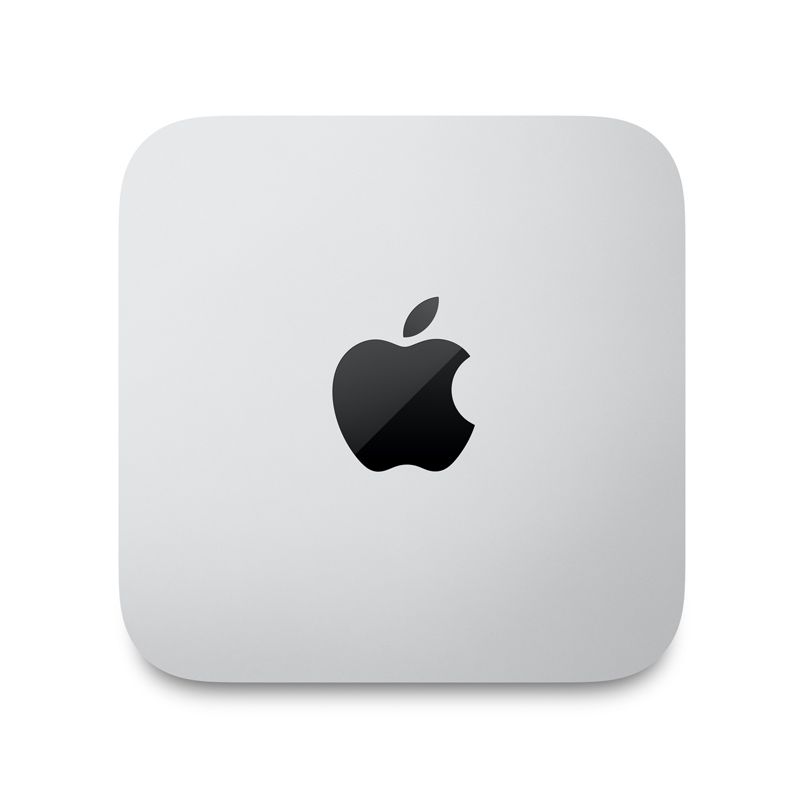
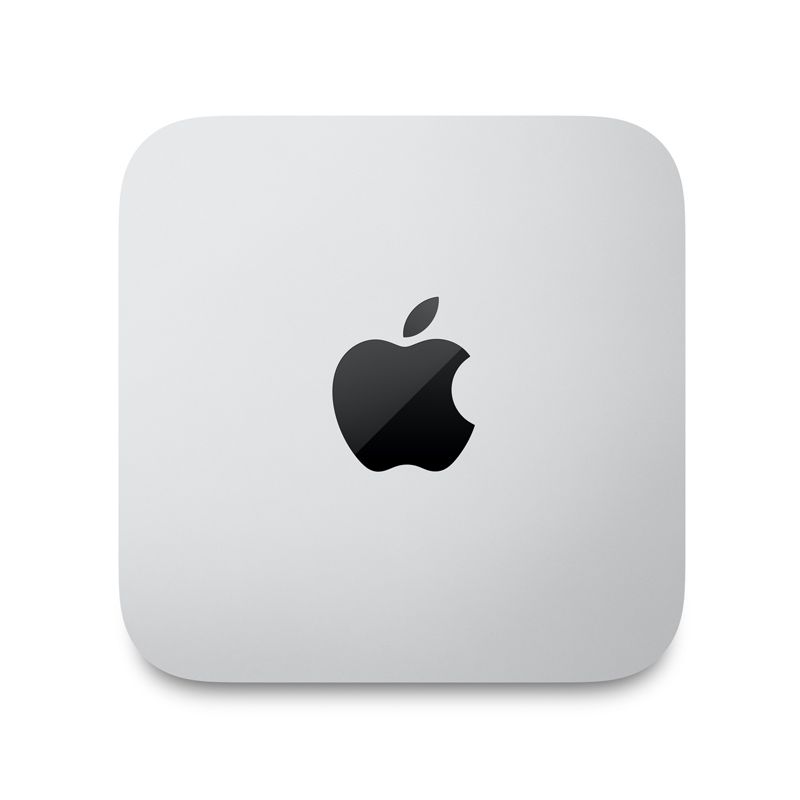
Apple - Mac mini Desktop - M4 chip - 512GB SSD - 10-Core-CPU - 10-Core-GPU - Built for Apple Intelligence - SilverAs low as $813.00 Regular Price $841.28
-
-4%
Apple - MacBook Pro 16" Laptop - M3 Pro ChipAs low as $2,619.85 Regular Price $2,736.62
-
-23%
Apple - MacBook Pro 16" Laptop - M3 Max Chip 128GB Unified Memory 8TB SSD Storage - SilverSpecial Price $5,934.00 Regular Price $7,727.99














- macOS 16
- Apple
- Mac update
- new macOS
- Apple Intelligence
- AI
- Mac redesign
- visionOS
- accessibility features
- Mac compatibility
- WWDC 2025
- M1
- M2
- M3
- Apple Silicon
- Siri
- operating system