AI Chatbots Get Personal: The Dawn of "Remembering" AI
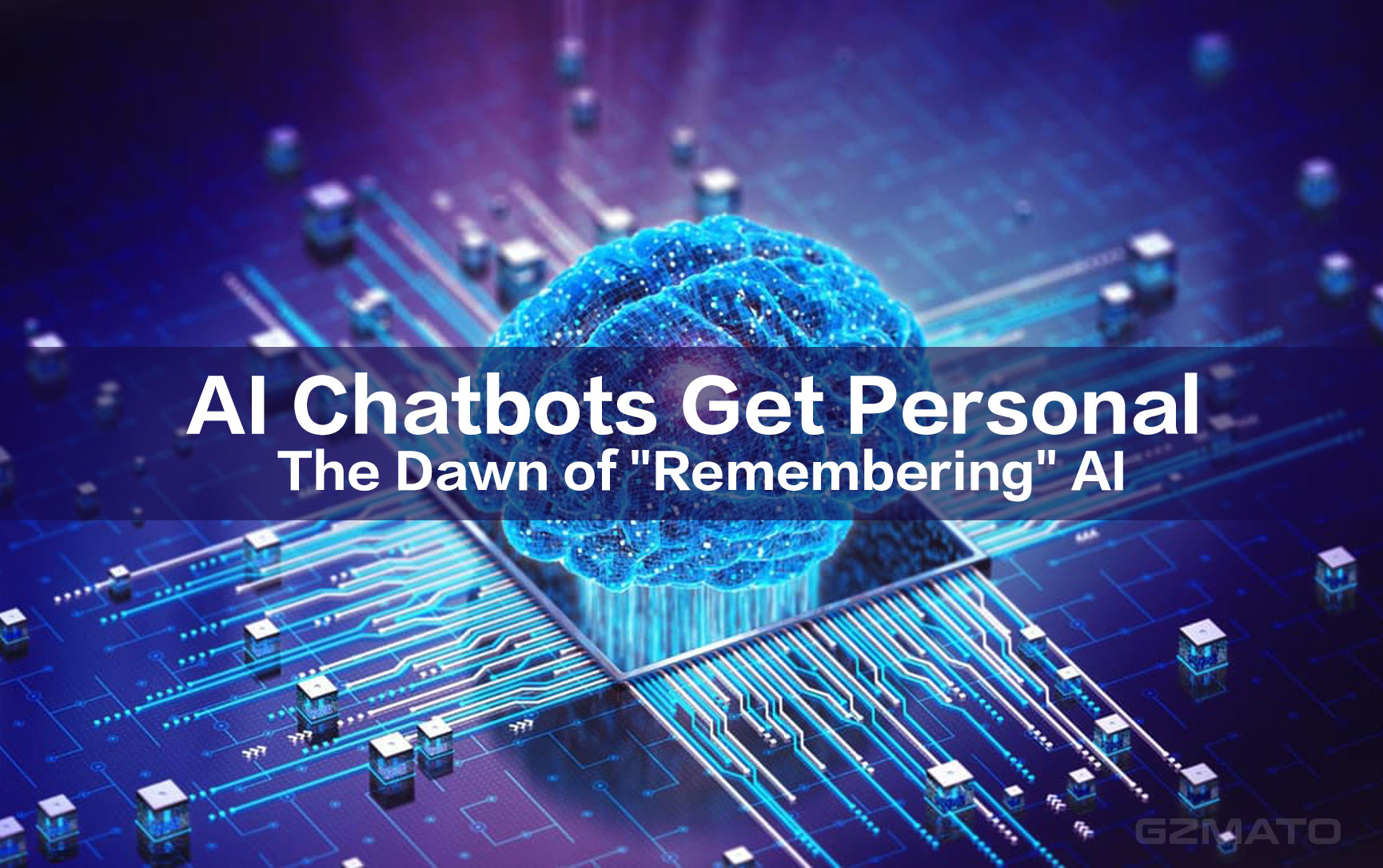
The landscape of artificial intelligence is rapidly evolving, moving beyond mere information retrieval and text generation towards more nuanced and personalized interactions. A significant development on this front is the emergence of "personalized memory" in AI chatbots, a feature that promises to transform how we interact with these digital companions. Leading the charge, Google's Gemini AI is reportedly testing this groundbreaking functionality, signaling a major shift in the way we think about and utilize AI.
What is Personalized Memory?
Traditional AI chatbots operate in a largely stateless environment, treating each interaction as a fresh start. While they can retain context within a single conversation, they generally don't remember past exchanges or user preferences across multiple sessions. "Personalized memory" aims to change this by allowing the AI to learn and retain information about individual users over time.
Imagine an AI that recalls your dietary restrictions when suggesting recipes, your preferred writing style when helping you draft emails, or even your expressed interests when recommending news articles. This is the promise of personalized memory. Gemini AI's implementation is rumored to allow users to explicitly save information they want the AI to remember, creating a personal knowledge base that the chatbot can draw upon in future conversations. This could include everything from your favorite sports teams and hobbies to details about your family and work routines.
Overcoming the Technological Hurdles
Implementing personalized memory in AI is not without its challenges.
- Privacy Concerns: Storing and utilizing personal information raises significant privacy issues. Developers must ensure robust data security measures and provide users with granular control over what the AI remembers and how that information is used. Transparency and user consent will be paramount.
- Accuracy and Consistency: Ensuring the AI's "memory" is accurate and consistently applied across different interactions is a complex technical task. Avoiding errors and biases in the recalled information will be crucial for user trust.
- Scalability and Efficiency: Managing personalized memories for millions of users requires scalable and efficient data storage and retrieval systems.
The Future of Personalized AI
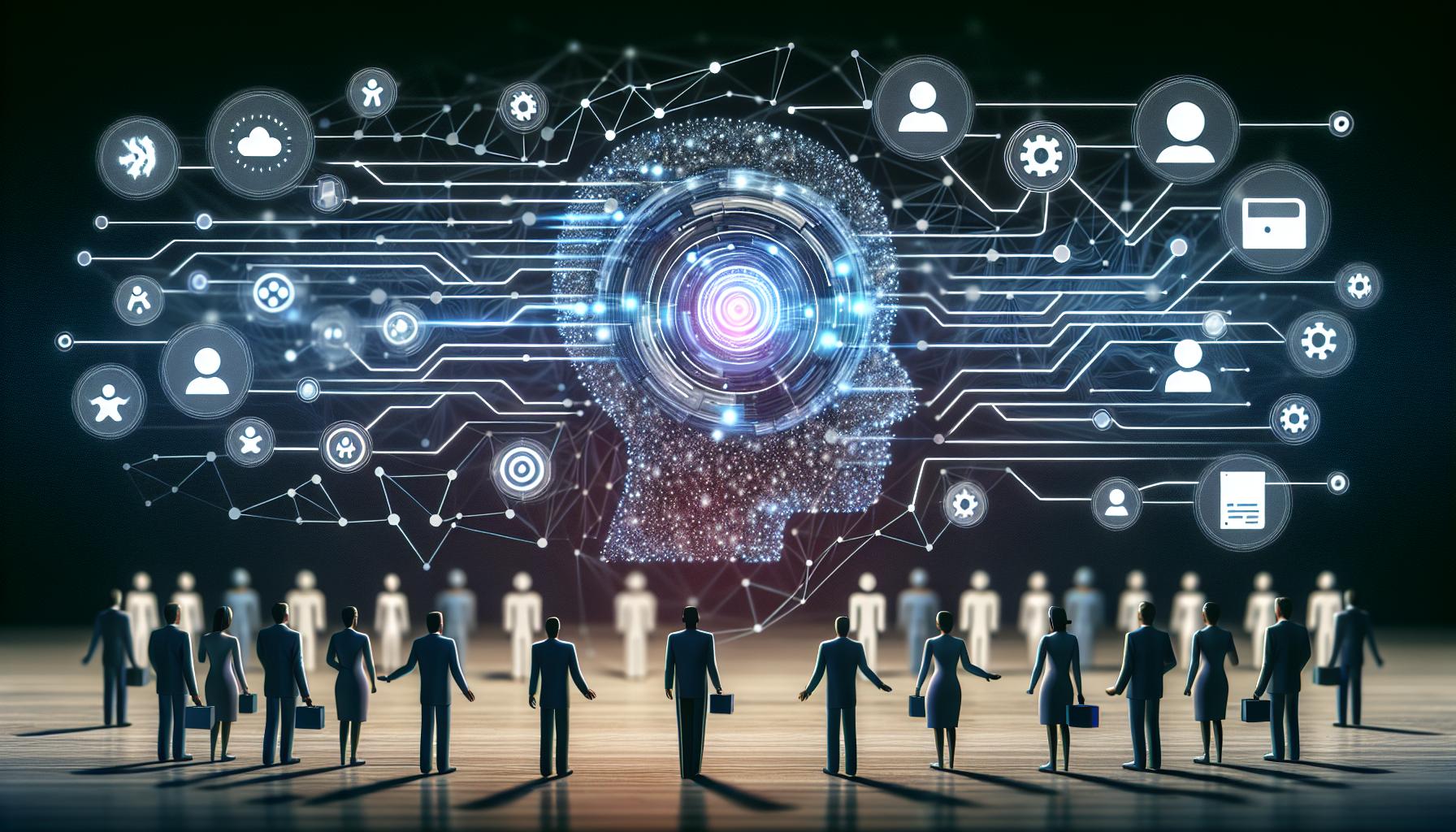
Despite these challenges, the potential applications of personalized AI are vast and transformative.
- Smarter Assistance: AI assistants will become significantly more helpful by understanding individual needs and preferences, offering tailored recommendations and automating tasks more effectively.
- Enhanced Learning: Personalized AI tutors could adapt to a student's learning style and track their progress over time, providing more effective and engaging educational experiences.
- Proactive Support: AI could anticipate user needs based on past interactions and provide proactive support in areas like health management, smart home automation, and customer service.
- More Human-Like Interaction: By remembering past conversations and user context, AI chatbots can engage in more natural, fluid, and human-like interactions, fostering a sense of rapport and understanding.
Conclusion
The development of personalized memory in AI chatbots like Google's Gemini marks an exciting step towards creating truly intelligent and user-centric digital companions. As AI evolves from a generic tool to a personalized partner, it has the potential to revolutionize the way we live, work, and interact with technology. While challenges related to privacy and accuracy remain, the future of AI is undoubtedly becoming more personal, promising a new era of intuitive and adaptive digital experiences.
- AI chatbot
- personalized memory
- Google Gemini
- AI evolution
- future of AI
- AI personalization
- natural language processing
- AI assistants