The Future of Delivery: The Pros, Cons, and Solutions of Drone Logistics
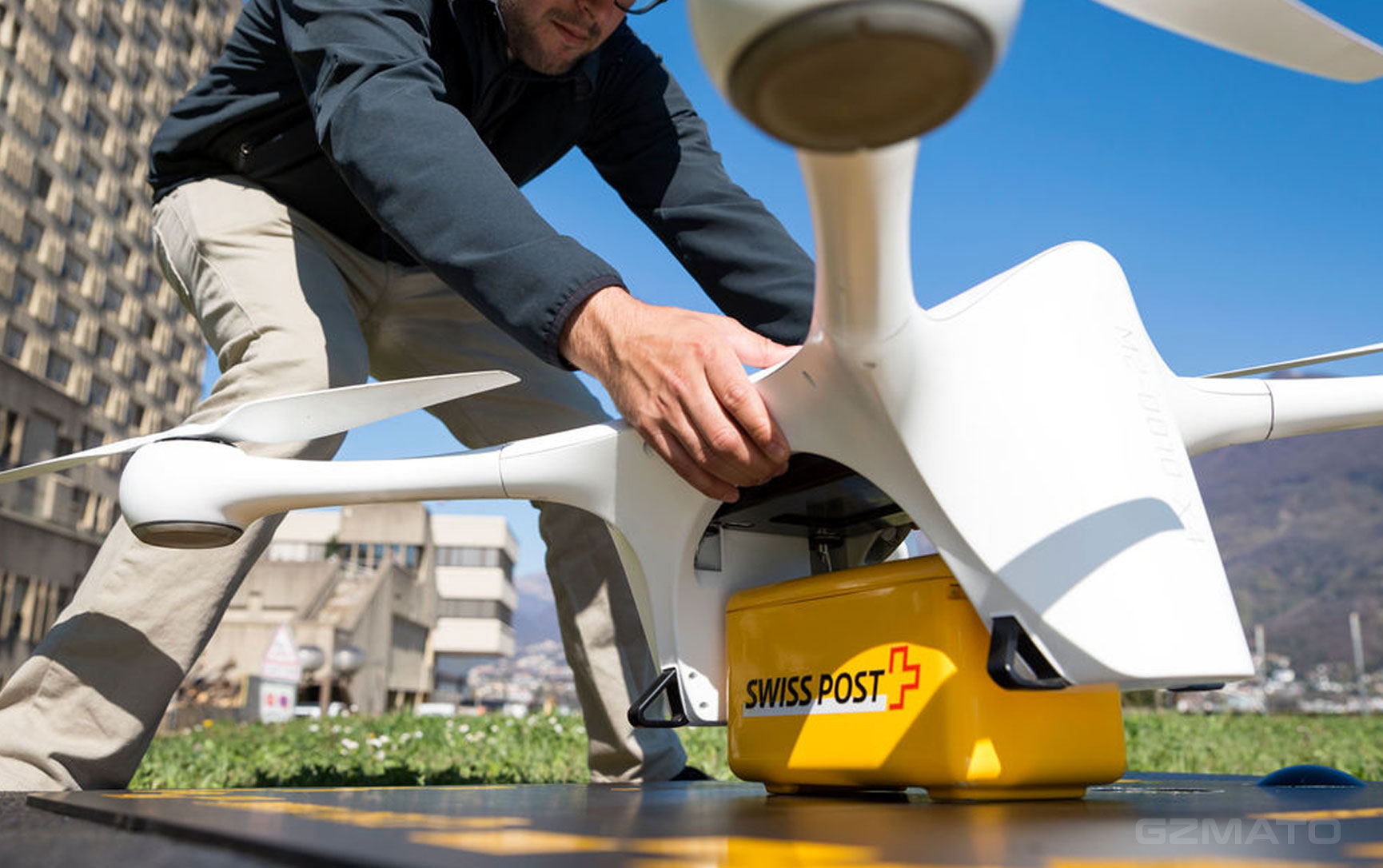
Drone delivery is no longer a futuristic concept; it's a rapidly evolving reality. As companies like Amazon and others secure key regulatory approvals, the vision of a sky filled with autonomous couriers is closer than ever. But while the technology promises unprecedented efficiency, its widespread adoption faces significant hurdles. Here is a breakdown of the advantages, the major challenges, and the innovative solutions poised to make drone delivery a viable part of our daily lives.
The Pros: Why Drones Are the Future
The appeal of drone delivery is undeniable, driven by several key advantages that outperform traditional logistics:
- Speed and Efficiency: Drones take the most direct route from point A to point B, flying over traffic congestion and physical obstacles. This can drastically cut delivery times, particularly in urban areas where ground-based couriers are slowed down by traffic.
- Environmental Benefits: As electric vehicles, delivery drones produce zero carbon emissions. Shifting deliveries from a fleet of gasoline-powered trucks to quiet, battery-powered drones represents a significant step towards more sustainable logistics.
- Reduced Labor Costs: While the initial investment in drone technology is high, a single operator can monitor a fleet of autonomous drones. Over time, this can lead to substantial reductions in labor costs per delivery.
- Accessibility: Drones can access remote or difficult-to-reach locations that are challenging for traditional delivery vehicles, such as rural areas or homes separated by rivers and mountains.

The Cons & Key Challenges
Despite the clear advantages, the path to large-scale drone delivery is fraught with challenges that need to be addressed before it can become a mainstream service.
- Complex Regulatory Hurdles: The world's airspace is a highly regulated environment. Integrating thousands of autonomous vehicles into low-altitude airspace requires a new framework for air traffic control, collision avoidance, and standardized safety protocols, which vary widely by region and country.
- Safety and Privacy Concerns: The risk of a drone malfunctioning and falling to the ground is a serious liability, especially in densely populated areas. Additionally, drones equipped with cameras raise privacy concerns among the public.
- Noise Pollution: The humming noise generated by drones can be a significant nuisance in residential areas. A fleet of drones operating simultaneously could lead to widespread noise pollution.
- The "Last-Mile" Problem in Dense Urban Areas: While drones excel at point-to-point flights, delivering to a high-rise apartment building or a secure gated community presents a major logistical challenge that technology has yet to fully solve.
Effective Solutions & What’s Next
To overcome these challenges, companies are not just refining drone hardware; they are reimagining the entire logistics model:
- Standardized Airspace Management: The development of a coordinated low-altitude air traffic control system is essential. This would involve designated drone flight paths, no-fly zones, and a system for managing drone density and preventing mid-air collisions.
- The "Hub-and-Spoke" Model: For high-density urban areas, the most promising solution is a hybrid model. Drones handle the fast, efficient "trunk" delivery from a central hub to a designated drop-off point in a community. The final "last mile" is then completed by a human courier or a secure automated delivery locker. This balances the drone's speed with the human's ability to navigate complex urban environments.
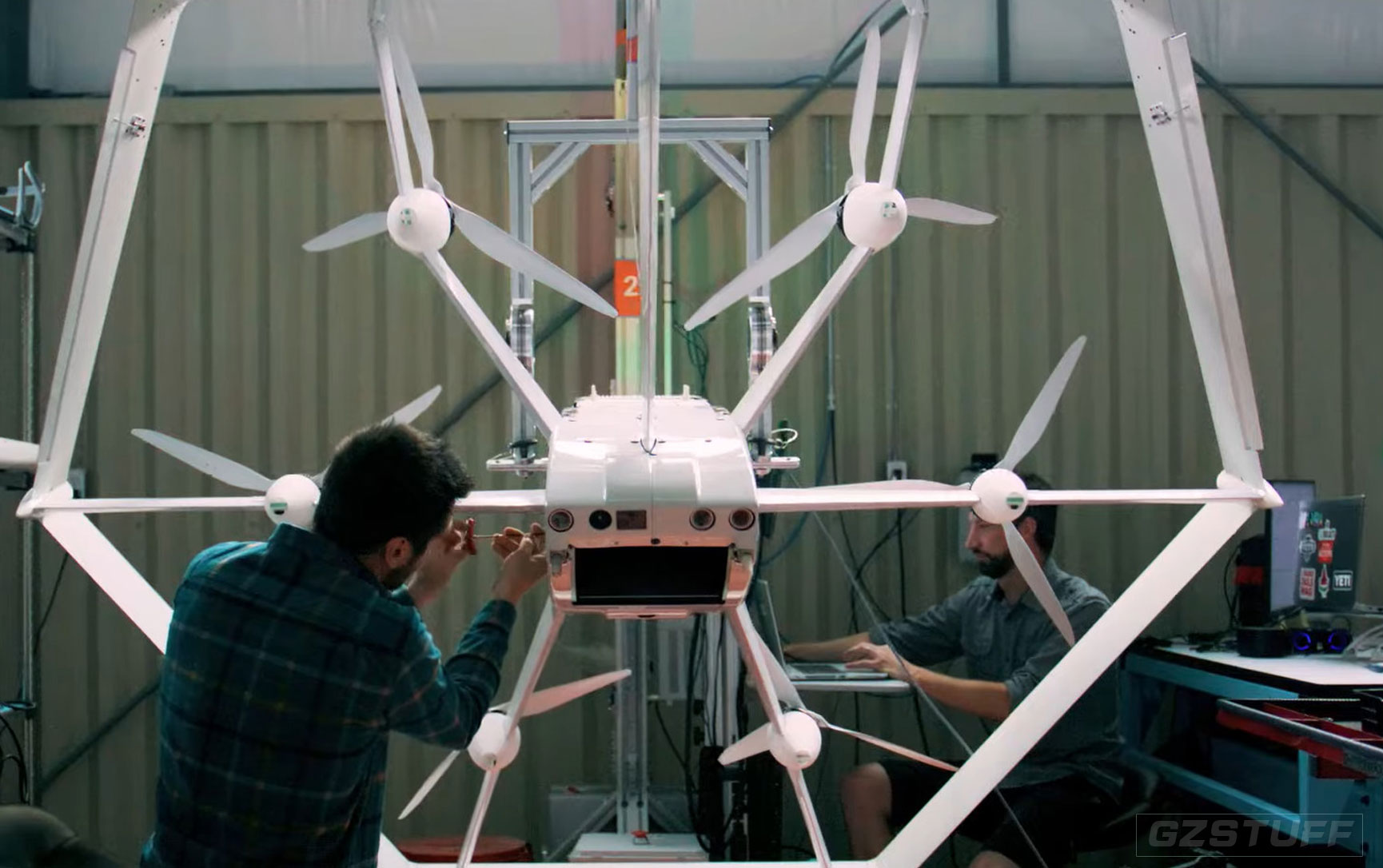
- Technological Innovations: Companies are investing heavily in technologies that directly address the cons. This includes designing quieter drones with more efficient propellers, developing more robust navigation systems, and integrating safety features like parachutes for emergency landings.
Ultimately, drone delivery is a testament to technological ambition. While the challenges are real, the immense potential for speed, efficiency, and sustainability is driving relentless innovation. The future of delivery will likely be a blend of drones, traditional couriers, and advanced automation, all working together to create a smarter, faster, and greener logistics network.
- drone delivery
- drone logistics
- Prime Air
- automated delivery
- last-mile delivery
- drone pros and cons
- sustainable logistics
- future of delivery