Alipay AI Payments: 300 Million Transactions and the Future of AI Commerce
Alipay AI Payments: 300 Million Transactions and a New Era
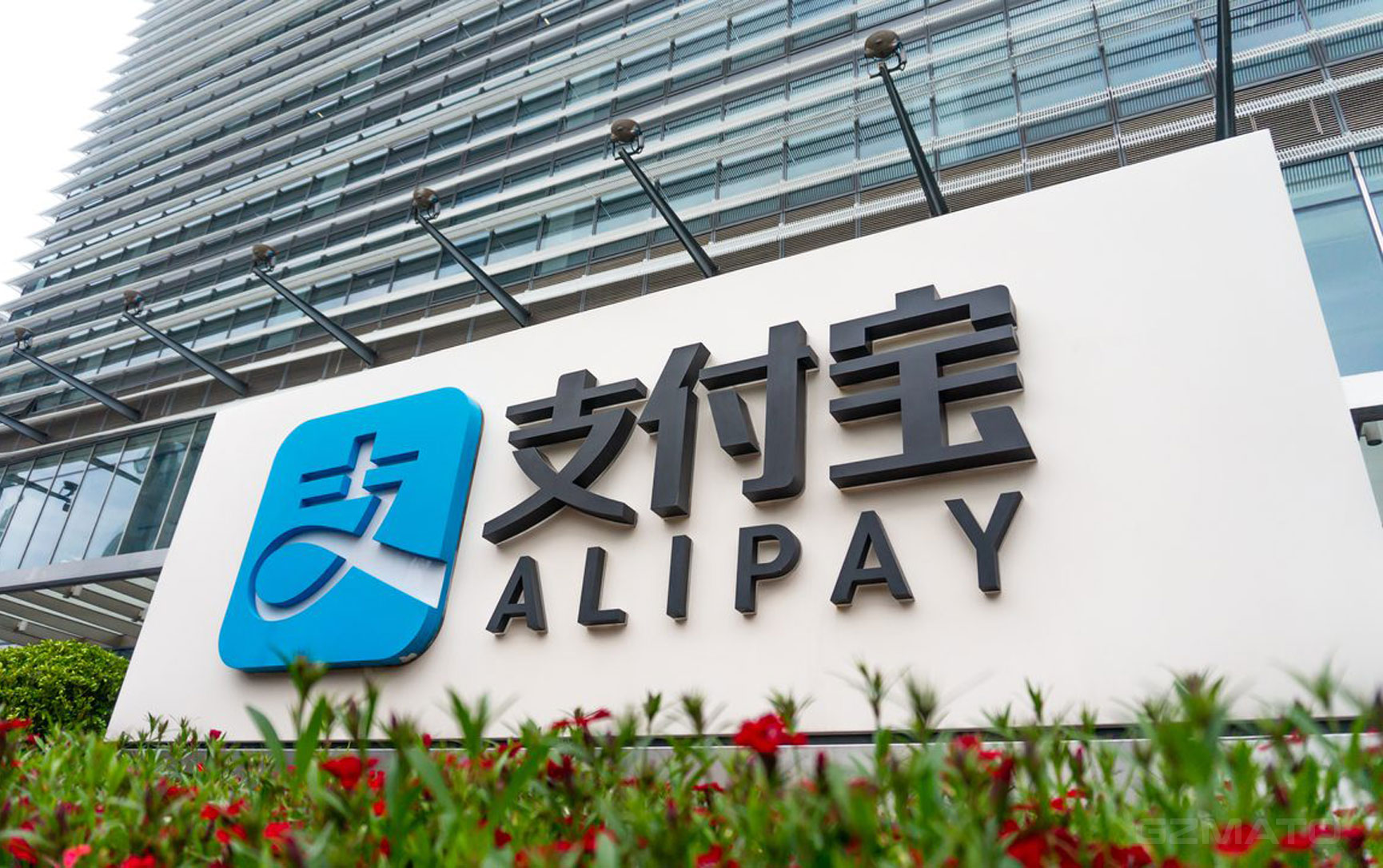
On May 30, 2026 — the 10th National Science and Technology Workers' Day in China — Alipay made a significant announcement: its AI payment system has processed 300 million transactions and now supports 95% of general AI agent frameworks. This makes Alipay the world's first large-scale commercial AI-native payment infrastructure .
Alipay also launched two new products: Token Pay and the AI Wallet. These represent the third major evolution in digital payments, following quick pay (2010) and scan-to-pay (2011).
300 Million Transactions: The Scale of AI Payment
The 300 million transaction milestone is not a trial or a pilot. It represents real-world usage across a wide range of scenarios.
| Metric | Value |
|---|---|
| Total AI Payment Volume | 300 million+ transactions |
| Supported AI Agent Frameworks | 95% of general AI agent frameworks |
| Launch Date | May 30, 2026 |
| Positioning | World's first large-scale AI-native payment infrastructure |
Alipay's AI payment system allows AI agents to make payments on behalf of users. For example, an AI agent can order coffee, book travel, or subscribe to services — all without the user needing to open a payment app or confirm each transaction manually .
Token Pay and AI Wallet: Two Key Innovations
Alipay introduced two new products that form the backbone of AI-native payments:
Token Pay is a new payment method designed specifically for AI agents. Instead of requiring users to authorize each transaction, AI agents can use a secure token to complete payments. Tokens can have preset limits, expiration dates, and spending rules .
For example, a user could give their travel booking agent a token with a $500 limit, valid for 7 days, restricted to airline and hotel merchants. The agent can then book flights and hotels automatically within these parameters.
The AI Wallet is a digital wallet that AI agents can access directly. It can hold funds, manage tokens, and track spending. Users can set budgets, approve or reject transactions, and monitor agent spending in real-time .
Multiple AI agents can connect to the same wallet, each with different permissions. A grocery-ordering agent might have a $200 monthly budget, while a travel agent might have per-trip budgets.
How AI Payments Actually Work
The AI payment process involves several steps that happen seamlessly:
| Step | Description |
|---|---|
| 1. User Authorization | User grants an AI agent permission to act on their behalf, including spending limits and rules |
| 2. Agent Action | AI agent identifies a need (e.g., coffee is low, flight price dropped) and initiates a purchase |
| 3. Token Authentication | Agent presents a token to Alipay's payment infrastructure |
| 4. Rule Check | System checks spending limits, merchant restrictions, and other rules |
| 5. Transaction Completion | Payment is processed and confirmed; user receives notification |
Importantly, users can set different permission levels. For high-value or unusual transactions, the system can require explicit user approval. For routine, low-value purchases (like coffee or ride-sharing), the agent can operate autonomously .
Use Cases: Where AI Payments Are Being Used
Alipay's AI payment system is already being used across multiple scenarios:
| Category | Examples |
|---|---|
| Daily Convenience | Coffee subscriptions, grocery restocking, ride-hailing, parking fees |
| Travel | Flight and hotel booking, itinerary changes, lounge access |
| Digital Services | SaaS subscriptions, cloud storage, streaming services |
| Smart Home | Energy top-ups, appliance consumables, maintenance services |
E-commerce platforms, ride-hailing apps, food delivery services, and subscription businesses have already integrated with Alipay's AI payment system .
Global Impact: A Model for Other Markets
Alipay's AI payment infrastructure is not just for China. The company has designed the system with global expansion in mind. Token Pay and the AI Wallet framework are compatible with multiple payment networks and regulatory regimes .
The 95% support for general AI agent frameworks means that developers building AI agents anywhere in the world can integrate with Alipay's payment system. This could accelerate AI commerce globally.
For AI agents to truly serve users, they need the ability to transact. Without payment infrastructure, agents can recommend but cannot act. Alipay's system provides the missing piece — a secure, scalable way for AI agents to complete purchases on behalf of users .
This could unlock new business models: AI agents that negotiate prices, find deals, and complete purchases automatically. Subscription services that agents can manage and optimize. Smart homes that reorder supplies without human intervention.
Key Takeaways
- 300 million AI payment transactions have been processed through Alipay's system
- 95% of general AI agent frameworks are now supported
- Token Pay allows AI agents to make secure payments within preset limits and rules
- AI Wallet gives users visibility and control over agent spending
- Use cases include daily convenience, travel, digital services, and smart home automation
- Global implications — this infrastructure could accelerate AI commerce worldwide
- Alipay positions this as the third major evolution in digital payments, following quick pay (2010) and scan-to-pay (2011)
Stay Connected with Gzmato
Fast Chargers | USB-C Cables | Screen Protectors | Wireless Chargers | Power Banks | Travel Adapters
Special Offer: Use code TECH2026 for discount on your first order!
Shop Tech Accessories →Sources & Methodology (as of May 30, 2026):
- Alipay official announcement — AI payment milestone and product launch
- 财经网 (Caijing.com.cn) — Coverage of Alipay's AI payment announcement
- Multiple Chinese tech news outlets — Additional reporting and analysis
- Alipay
- AI payment
- Token Pay
- AI Wallet
- AI agent payment
- digital payment
- Alipay AI
- autonomous transactions