China-Switzerland FTA Upgrade: What It Means for Cross-Border Sellers
China-Switzerland FTA Upgrade: What It Means for Cross-Border Sellers
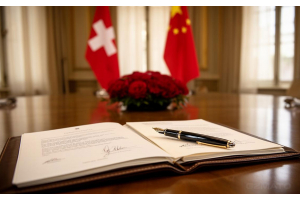
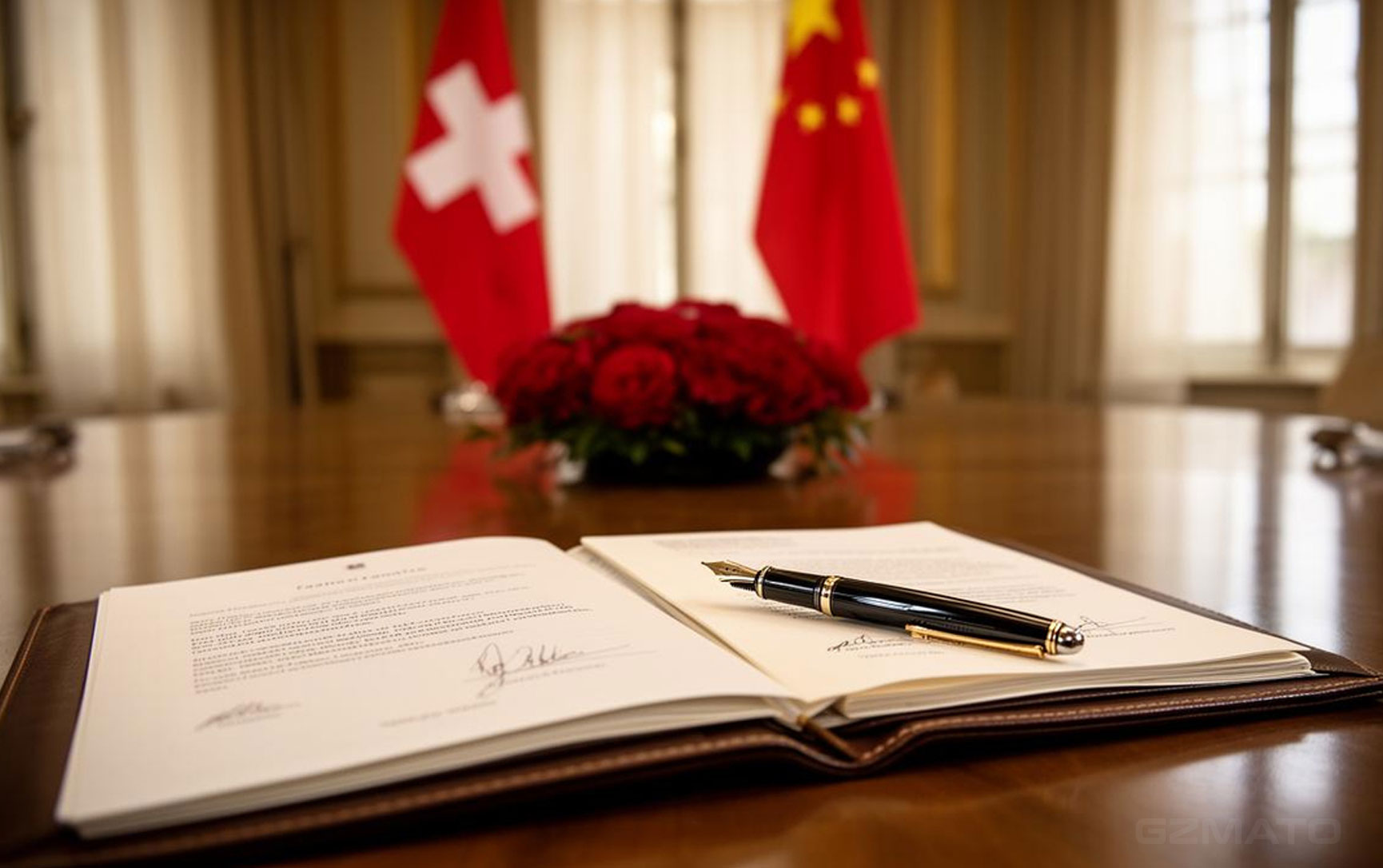
November 3, 2026 — On October 30, China and Switzerland signed a protocol upgrading their free trade agreement, originally signed in 2013 as China's first FTA with a continental European country [citation:1][citation:4]. The headline number is striking: zero-tariff products will cover over 99% of bilateral trade value, up from 53.6% under the original agreement [citation:3].
But for cross-border sellers on Gzmato, the more important question is not the headline. It is: which specific changes affect your costs, your logistics, and your product selection? This article breaks down the upgrade from a seller's perspective, not a diplomat's.
Zero Tariffs on 99% of Trade: Who Actually Benefits
The tariff reductions are real, but they are not evenly distributed across product categories. Here is what changes for specific goods.
| Direction | Key Products | What Changes |
|---|---|---|
| Switzerland → China | Watches, machinery, pharmaceuticals, coffee, cheese | Gradual elimination of remaining tariffs; Swiss watches and coffee will see tariffs reduced to zero over 5–10 year transition periods [citation:1][citation:4] |
| China → Switzerland | Oil seeds, vegetable oils, pet food, certain agricultural products | Switzerland opens agricultural market further; these products enter at more favorable tariff rates [citation:1][citation:4] |
If you source Swiss-made components (precision instruments, watch parts, specialty machinery) or sell Chinese agricultural products to European buyers, your landed cost structure may improve. However, the tariff reductions are phased—some immediate, some over 5 to 10 years. Do not assume immediate savings; check the specific tariff schedule for your product code once the protocol enters into force.
The Rule Change That Matters More Than Tariffs
For sellers with complex supply chains, the tariff cuts are secondary to what changed in the rules of origin.
Under the original FTA, products generally had to be shipped directly between China and Switzerland, and processing in third countries could disqualify them from preferential treatment. The upgrade changes this: qualifying products can be processed in third countries, and shipping routes no longer need to be direct between China and Switzerland [citation:2].
Digital Trade and Source Code: A First for China
The upgrade adds a dedicated digital trade chapter, and one provision stands out: China has included a source code protection clause in a bilateral FTA for the first time [citation:1].
The chapter also commits both sides to:
- Not imposing customs duties on electronic transmissions
- Strengthening personal information protection
- Fully digitalizing customs clearance to reduce transaction costs
- Cooperating on AI and electronic bills of lading [citation:1]
For sellers selling digital products, software, or SaaS tools across borders, this provides a clearer legal framework. For physical goods sellers, the digitalized customs clearance commitment means faster, less paperwork-heavy clearance between the two countries.
Practical Takeaways for Gzmato Sellers
This agreement will not affect every seller on Gzmato equally. Here is how to assess whether it matters to you.
| Your Situation | What to Watch |
|---|---|
| You source Swiss-made components or finished goods | Check the tariff schedule for your specific HS code. Watch parts, precision instruments, and specialty machinery may see gradual tariff elimination. Factor the 5–10 year phase-in into your cost planning. |
| You sell Chinese agricultural products or pet food to Europe | Switzerland's agricultural market opening creates a niche opportunity. Swiss tariffs on these products will be more favorable than before. |
| You have multi-country supply chains | The revised rules of origin are the biggest win. If your products involve processing in third countries, review whether you now qualify for preferential treatment. |
| You sell digital products or services | The digital trade chapter provides clearer rules. The source code protection clause is notable for software companies concerned about IP exposure. |
| You sell only China→US or China→Southeast Asia | This agreement has limited direct impact on your current operations. It is relevant only if you are considering European market expansion. |
Key Takeaways
| # | What You Need to Know |
|---|---|
| 1 | Zero-tariff coverage rises from 53.6% to over 99% of bilateral trade value, with nearly 300 additional tariff lines cut [citation:3][citation:1]. |
| 2 | Swiss watches, coffee, machinery, and pharmaceuticals gain better access to China; Chinese pet food, vegetable oils, and oil seeds gain better access to Switzerland [citation:1][citation:4]. |
| 3 | Rules of origin relaxed: third-country processing and non-direct shipping no longer disqualify products from preferential treatment [citation:2]. |
| 4 | Digital trade chapter added, including China's first FTA source code protection clause and commitments on paperless trade [citation:1]. |
| 5 | The upgrade requires domestic approval in both countries before taking effect. Do not expect immediate changes at the border. |
| 6 | Not all sellers are affected. If you source from or sell to Switzerland, or have multi-country supply chains, this matters. If your business is purely China-US or China-ASEAN, the direct impact is minimal. |
- China Switzerland FTA
- China Switzerland free trade agreement
- FTA upgrade 2026
- zero tariff Switzerland
- rules of origin third country
- digital trade source code
- Gzmato