EU's New 2026 Rules: Why Black Friday Prep is Down 65%
EU's New 2026 Rules: Why Black Friday Prep is Down 65%
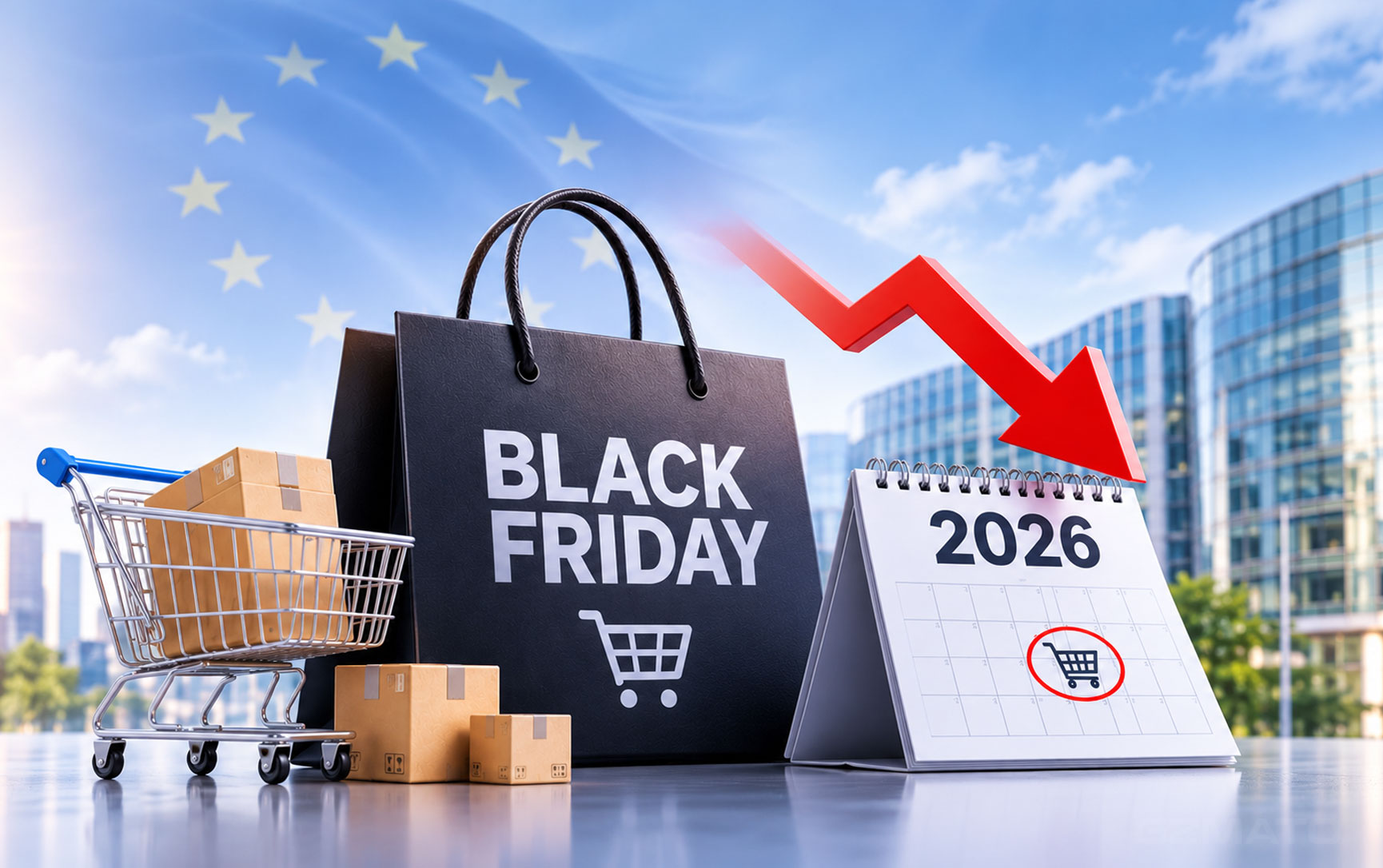
November 4, 2026 — Black Friday is just three weeks away (November 27). Usually, cross-border sellers in Shenzhen and Yiwu are in the final, frantic stage of shipping inventory to Europe. This year, the warehouses are unusually quiet.
Data from major logistics hubs shows that seller stocking volumes for Europe have dropped by 50% to 65% year-over-year. Some Yiwu sellers have cut their overseas warehouse SKUs from 41 to 33, shipping only 35% of last year's volume. This is not because European demand has crashed. It is because the economics of direct-to-consumer (D2C) shipping to the EU fundamentally changed on November 1, 2026.
The Math: Why Direct Shipping No Longer Works
To understand why sellers are slashing their inventory, you have to look at the new cost structure of a single parcel. Let's take a common item: a €15 accessory.
| Cost Breakdown | Before Nov 1, 2026 | Under New 2026 Rules |
|---|---|---|
| Product Price | €15.00 | €15.00 |
| EU Customs Duty | €0 (Under €150 exemption) | €3.00 (Fixed low-value duty) |
| EU Handling Fee | €0 | €2.00 (Per category) |
| PID Compliance Cost | €0 | Data entry/management costs |
| Total Hard Fees | €0 | €5.00 (33% of product value!) |
Adding €5 in mandatory fees to a €15 product means you either eat the loss or raise the price to €20. If you raise the price, you lose the price advantage that low-ticket D2C sellers rely on. If you eat the loss, you are running a charity, not a business.
The Reality: How Sellers Are Adapting
The drop in stocking volumes is a rational reaction to this new math. Sellers are pivoting in two main ways:
- Abandoning low-ticket SKUs: Items priced under €20 are being removed from direct-mail campaigns. The margin cannot support the fixed EU fees.
- Consolidating inventory: Instead of spreading risk across dozens of small SKUs, sellers are focusing their capital on a few high-margin "hero" products that can justify the logistics costs.
When you ship a bulk pallet of goods to an EU overseas warehouse, customs clearance is handled at the B2B level (not per individual consumer parcel). This means you bypass the new per-item PID fees and the €2 handling charge on consumer deliveries. The margin is protected, and delivery to the EU buyer is faster.
Your 3-Step Action Plan (and the Domestic Safety Net)
If you are staring at your Black Friday inventory and wondering what to do, here is the pragmatic path forward.
Step 1: Recalculate Your D2C Costs Today
Run the numbers on your top 10 SKUs. If the new fixed fees push your landed cost beyond a viable margin, pause the direct-mail ads for those products immediately. Do not wait until Black Friday week to realize you are losing money on every sale.
Step 2: Pivot to Overseas Warehouses for Q1 2027
It is likely too late to ship a massive volume of goods to overseas warehouses for Black Friday by sea (which takes 30-40 days). However, you can air-freight a small batch of high-margin items now. More importantly, start planning your Q1 2027 inventory strategy around bulk overseas warehousing.
Step 3: Know Your Domestic Safety Net
The EU is tightening the rules, but China is simultaneously providing a cushion for when things go wrong. If an overseas buyer returns a product, you don't have to abandon it in Europe. Under the new domestic policies, if you return exported e-commerce goods within 6 months, you can exempt import duties and VAT, and you can use any customs port nationwide for the return.
This means you can test new SKUs or ship inventory to Europe with less fear. If the market rejects the product, you can bring it back home affordably, rather than writing it off as a total loss.
Key Takeaways
| # | What You Need to Know Before Black Friday |
|---|---|
| 1 | EU rules changed on Nov 1: The €3 low-value duty and €2 handling fee make direct-mail low-ticket items unprofitable. |
| 2 | Stocking volumes are down 50–65%: Sellers are cutting low-margin SKUs to avoid a Black Friday bloodbath. |
| 3 | Overseas warehouses are the new standard: Bulk clearing goods via B2B channels bypasses the per-item consumer fees. |
| 4 | Your pricing strategy must change: If you are selling a €15 item, adding €5 in fees means a 33% cost increase. Recalculate your margins today. |
| 5 | Focus on high-margin "hero" SKUs: Spreading thin capital across dozens of cheap products will result in losses. |
| 6 | China's return policy is your safety net: If goods fail in Europe, the 6-month return tax exemption and nationwide return ports make it cheaper to bring them back. |
Tell us your average order value and product category, and we'll help you calculate the new EU cost structure. Find the most profitable path for your cross-border business. Chat with us or open a request.


- EU customs rules 2026
- Black Friday cross-border sales
- EU parcel handling fee
- PID declaration
- overseas warehouse EU
- China return tax exemption
- Gzmato