Dolby Atmos Height Channels Guide: In-Ceiling vs Design Speakers (HiVi vs B&O)

- Dolby Atmos Height Channels: The Ultimate Buyer's Guide
- Why You Need Dedicated Height Channels
- HiVi Aura Star: The Installation-Ready Choice
- HiVi Aura Star: Technical Specifications
- Why HiVi Aura? Key Advantages Over Design-First Speakers
- Alternative: Design-First Speakers (When You Cannot Install)
- Quick Comparison: Installation vs Statement Piece
- Installation Tips & Considerations
- Final Verdict: Which Path Should You Choose?
- Shop Audio Gear at Gzmato
April 27, 2026 – Dolby Atmos has transformed home theater. But the magic of rain falling from above and helicopters circling overhead requires proper height channels — and that means deciding between in-ceiling speakers or visible statement pieces. Here's how to choose.
Dolby Atmos Height Channels: The Ultimate Buyer's Guide
A true Dolby Atmos system has two types of speakers: ear-level (front, center, surround) and overhead "height" channels that create the immersive dome of sound. The height channels are arguably the most important for the "wow factor" — they're what make Atmos different from traditional surround sound.
But installing height channels presents a fundamental choice: cut into your ceiling for invisible, optimized sound — or use visible speakers that bounce sound or sit high on walls. This guide compares both approaches using real-world products available in 2026.
Why You Need Dedicated Height Channels
The Problem with "Bouncy House" Height Channels
Some soundbars and speakers claim "Dolby Atmos" using up-firing drivers that bounce sound off your ceiling. This only works if you have a flat, low (under 8ft), reflective ceiling with no obstacles — and even then, it's a vague approximation of overhead sound.
The Solution: Dedicated Height Channels
Speakers mounted in or on your ceiling project sound directly down toward the listening position. You hear rain falling exactly above you, not somewhere near the ceiling. For true Atmos immersion, there is no substitute.
HiVi Aura Star: The Installation-Ready Choice
On April 26, 2026, HiVi launched the Aura Star Series — a premium in-ceiling speaker designed specifically for home theater height channels and whole-home audio. Unlike design-focused speakers that prioritize looks over placement, the Aura disappears into your ceiling while delivering reference-grade sound quality.
HiVi has been a respected OEM driver manufacturer for decades; their engineering expertise translates directly into performance. The Aura series is their direct-to-consumer architectural line, priced to compete with premium Western brands but leveraging HiVi's manufacturing scale.
Key differentiators for home theater:
- 8" woofer — Moves significantly more air than 6.5" competitors, delivering chest-thumping bass for overhead explosions
- Aimable tweeter — High frequencies can be directed toward the listening position, critical for precise Atmos object placement
- Painterable grille — Flush-mount design disappears completely into any ceiling color
- 150W peak power handling — Compatible with standard AV receivers (Denon, Marantz, Yamaha, Onkyo)
- ~$400-600 per speaker — Approximately 1/5 to 1/3 the price of a single B&O statement speaker, making multi-speaker arrays affordable
Best for: New construction or renovation projects where ceiling access is available. Four Aura speakers in a 7.1.4 configuration cost less than one B&O A9 while delivering vastly superior Atmos immersion.
HiVi Aura Star: Technical Specifications
| Specification | HiVi Aura Star | Why It Matters |
|---|---|---|
| Type | In-ceiling / Architectural | Disappears into ceiling — invisible |
| Woofer | 8" (203mm) | Deeper, more impactful bass than 6.5" |
| Tweeter | Aimable soft dome | Direct high frequencies toward listening position |
| Power Handling | 150W peak | Works with standard AV receivers |
| Frequency Response | 45Hz – 20kHz | Covers full musical and cinematic range |
| Impedance | 8 ohms | Standard for AV receivers |
| Cutout Diameter | ~9.5" (242mm) | Requires joist spacing check |
| Mounting Depth | ~4.5" (115mm) | Verify ceiling cavity depth |
Why HiVi Aura? Key Advantages Over Design-First Speakers
1. Optimized for Dolby Atmos Specification
In-ceiling placement is what Dolby themselves recommend for height channels. You aren't "making do" — you're following the reference design.
2. Dramatically Lower Cost for Multi-Speaker Setups
A 7.1.4 Atmos system needs 4 height channels. Four HiVi Aura speakers (~$1,600-2,400) cost less than one B&O Beosound A9 (~$3,999). You could build a full 11-channel system (ear-level + height) for the price of two B&O statement pieces.
3. Truly Invisible
HiVi Aura disappears once installed. Design speakers like B&O A9 or Beosound 2 are meant to be seen — they're sculptures. If you want the speaker to vanish, in-ceiling is the only option.
4. Professional Integration Ready
Work with standard gauge wire (14/2) and 8-ohm impedance. Compatible with all major AV receiver brands. No wireless pairing issues, no battery charging, no app dependency.
Alternative: Design-First Speakers (When You Cannot Install)
In-ceiling speakers aren't for everyone. If you rent, have shallow ceilings, or simply don't want to cut holes, design-forward wireless speakers offer a different kind of value — they become part of your decor while filling your home with music.
Quick Comparison: Installation vs Statement Piece
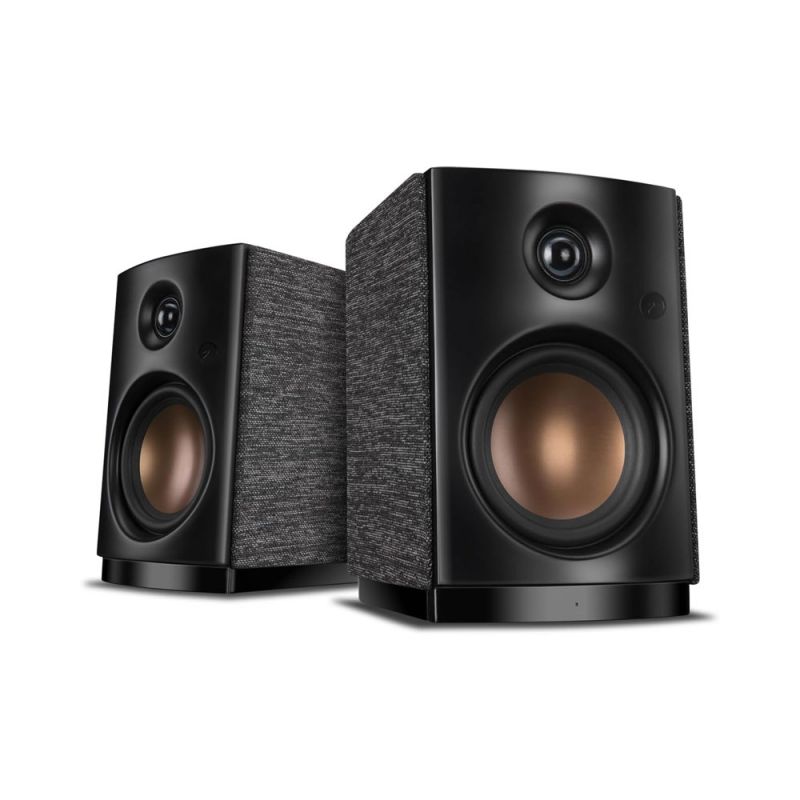
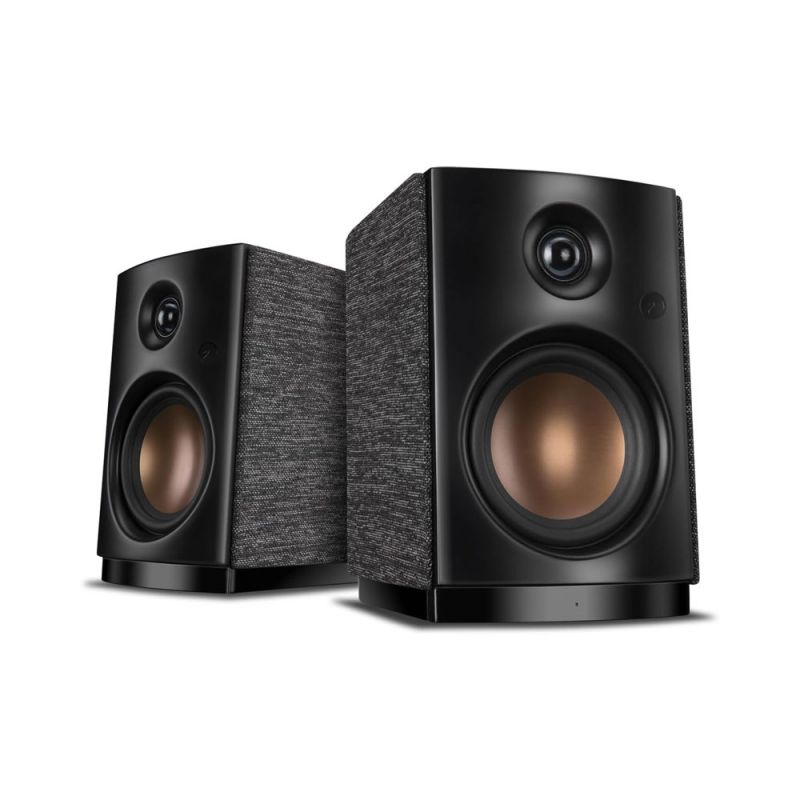
HiVi Aura Star
- In-ceiling — completely invisible
- Requires professional install
- Optimized for Dolby Atmos height channels
- 150W handling, 8" woofer
- Painterable grille
- Multi-speaker arrays cost effective
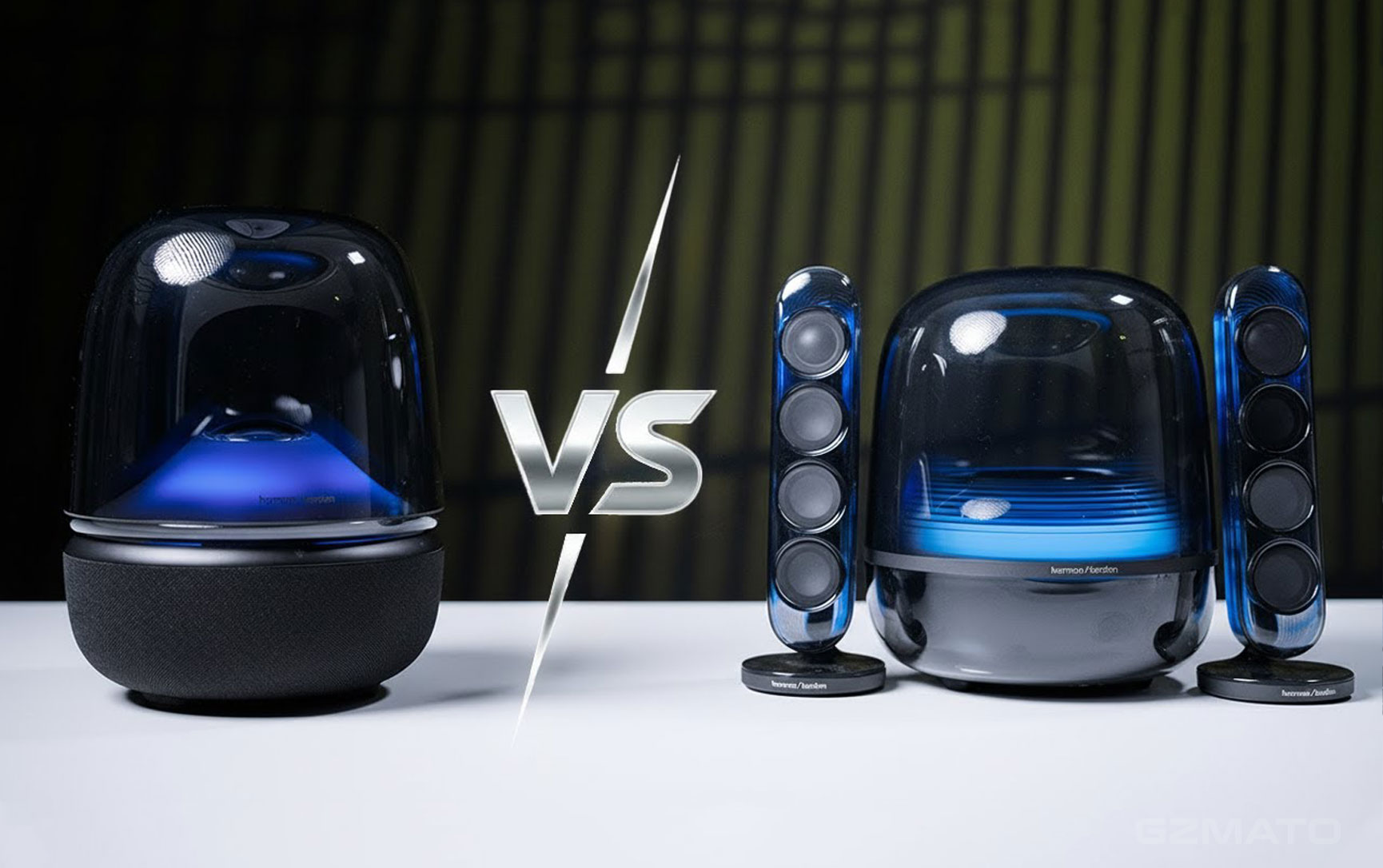
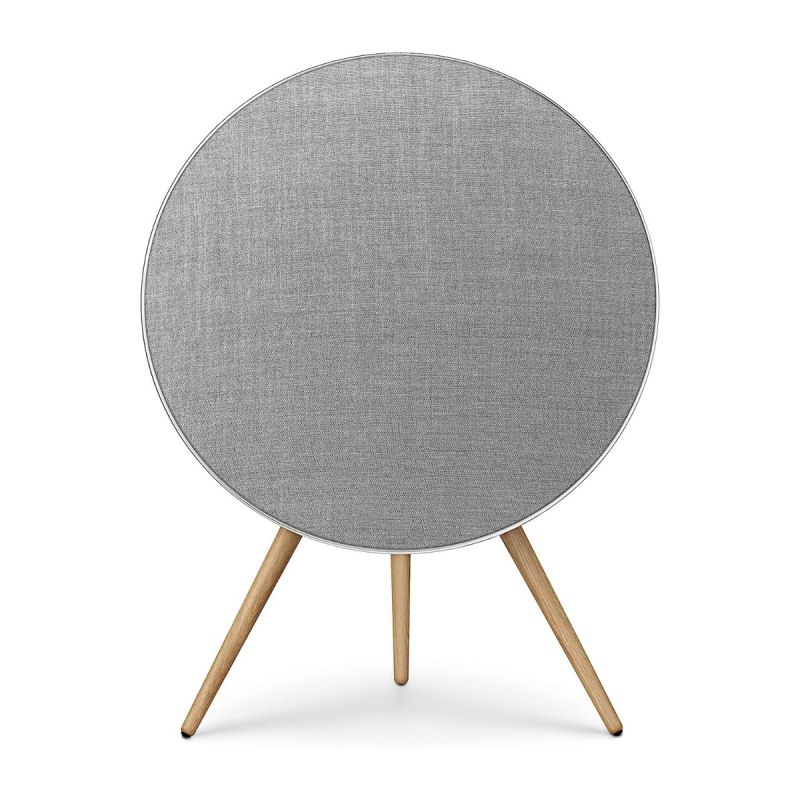
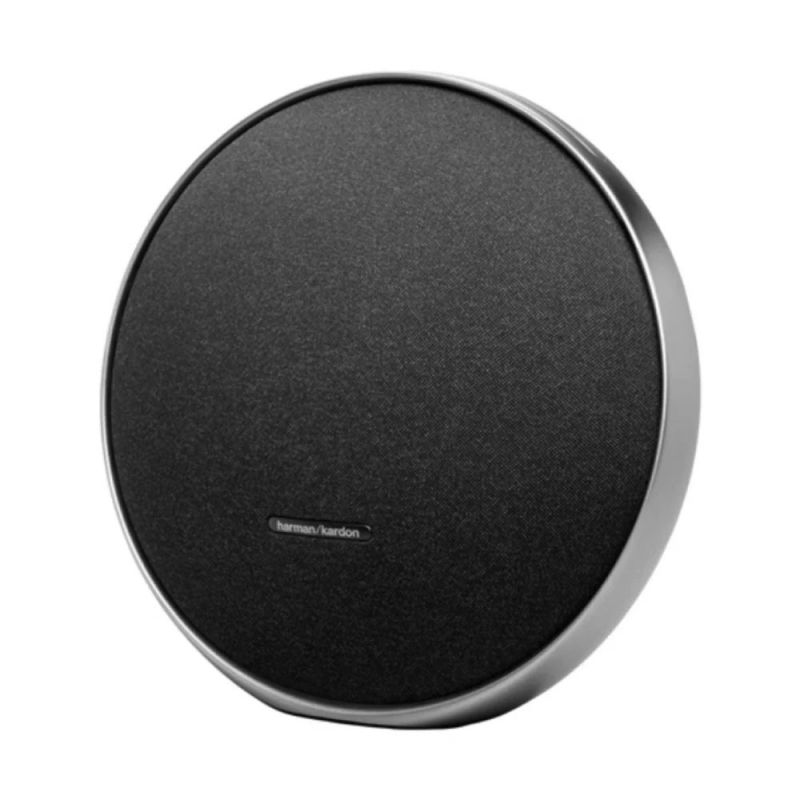
Bang & Olufsen Beosound A9 (5th Gen)
- Iconic circle — design statement
- Plug-and-play
- 1,500W peak power
- Active Room Compensation
- Multiroom via Chromecast/AirPlay 2
- Best for large living spaces
Bang & Olufsen Beosound 2 (3rd Gen)
- 360° conical — 4.1kg aluminum
- Acoustic Lens Technology
- 105W power, 10-60 m² rooms
- Multiroom via Chromecast/AirPlay 2
- Great for minimalist interiors
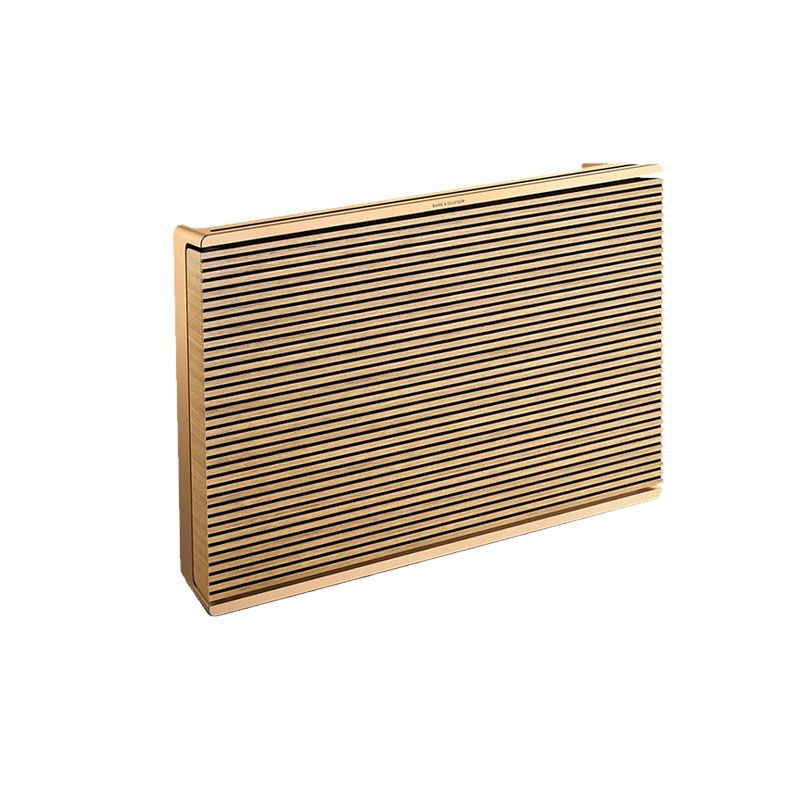
Bang & Olufsen Beosound Level
- Portable — 16 hours battery
- IP54 water/dust resistant
- Position-dependent sound staging
- Modular with replaceable battery
- Can stand upright or lay flat
- Best for flexible placement
Installation Tips & Considerations
✓ New Construction: Have your builder pre-wire speaker locations before drywall — dramatically cheaper and cleaner than retrofitting.
✓ Retrofit Requirements: Ensure you can access the space above (attic) or use a ceiling plate to fish wires. Cutout template included with speakers; use a drywall saw.
✓ Wire Specification: Use CL2-rated 14-gauge wire for runs under 50 feet; 12-gauge for longer runs or higher power.
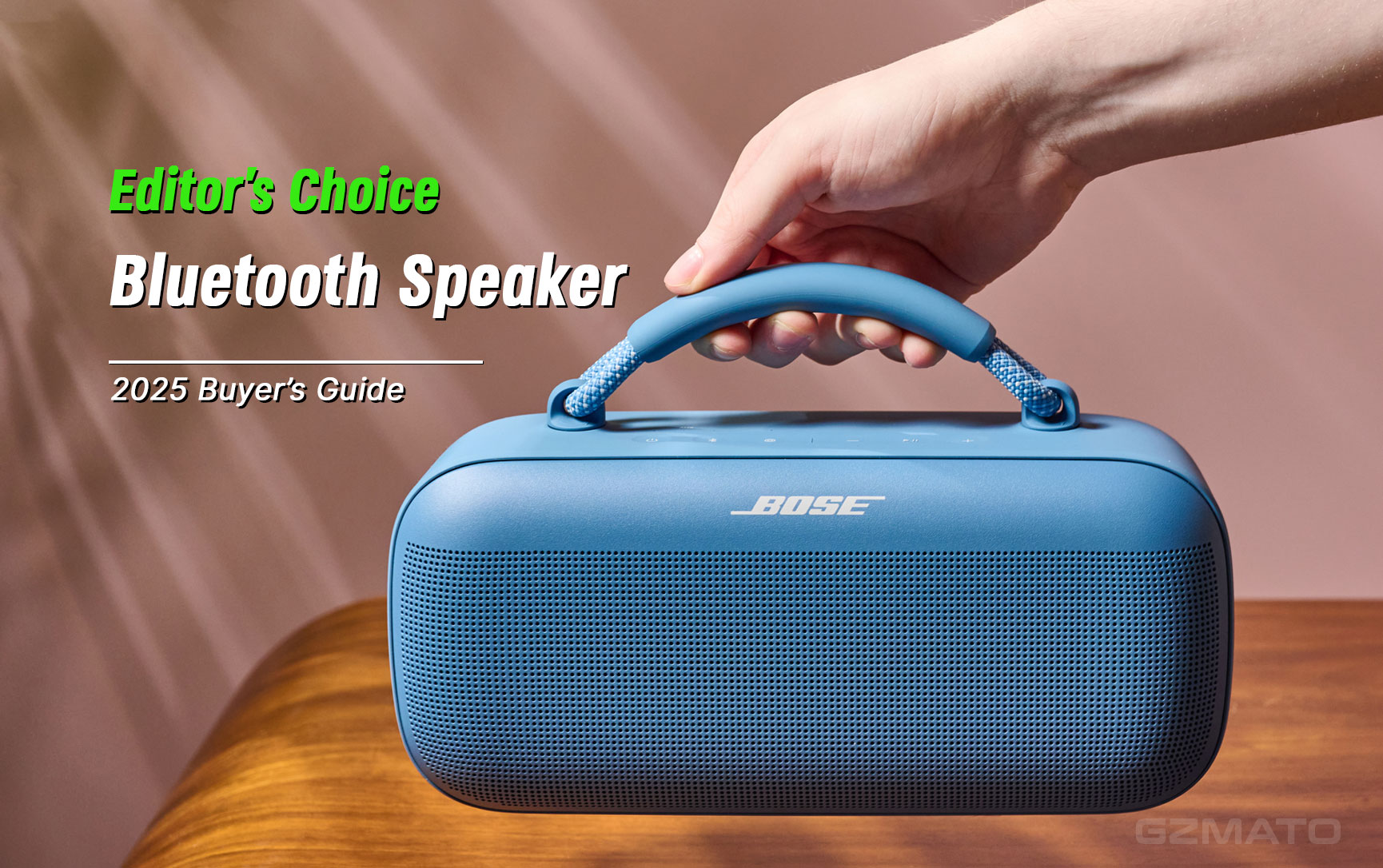
✗ Not for Apartments/Rentals: In-ceiling installation requires permanent modification. Consider Beosound Level for portable use or Beosound 2 for non-permanent placement.
✗ Professional Recommended: While DIY possible, a certified integrator ensures proper placement, phasing, and calibration.
Final Verdict: Which Path Should You Choose?
Choose In-Ceiling (HiVi Aura Star) if:
- You own your home and can modify the ceiling
- You're building a dedicated home theater with 5.1.4 or 7.1.4 Atmos
- You want speakers to completely disappear
- You need four height channels and want cost-effective performance
- You have or plan to buy a standard AV receiver (Denon, Marantz, etc.)
Choose Design-First (Bang & Olufsen) if:
- You rent or cannot modify your ceiling
- You view speakers as art objects — you want them seen
- You prioritize multi-room wireless streaming over home theater precision
- You want plug-and-play with no installation
- You value brand heritage and resale value
Choose based on your living situation and priorities. If you're building a home theater from scratch, start with in-ceiling heights. If you're furnishing a living room and want music throughout, start with B&O. Both are excellent — just optimized for different goals.
Shop Audio Gear at Gzmato
In-Ceiling Speakers | Wireless Multiroom | Bluetooth Speakers | Home Theater | Scandinavian Design
Special Offer: Use code AUDIO15 for 15% off your first speaker purchase
Shop All Speakers at Gzmato →Data Sources & Methodology (as of April 27, 2026):
- HiVi official Aura Star product announcement (April 26, 2026)
- Dolby Atmos specification guidelines for height channel placement
- Bang & Olufsen official specifications via authorized retailer listings
- Rosenberry Rooms expert testing of architectural speakers (April 2026)
- HomeCineSolutions installation best practices
-
 -6%
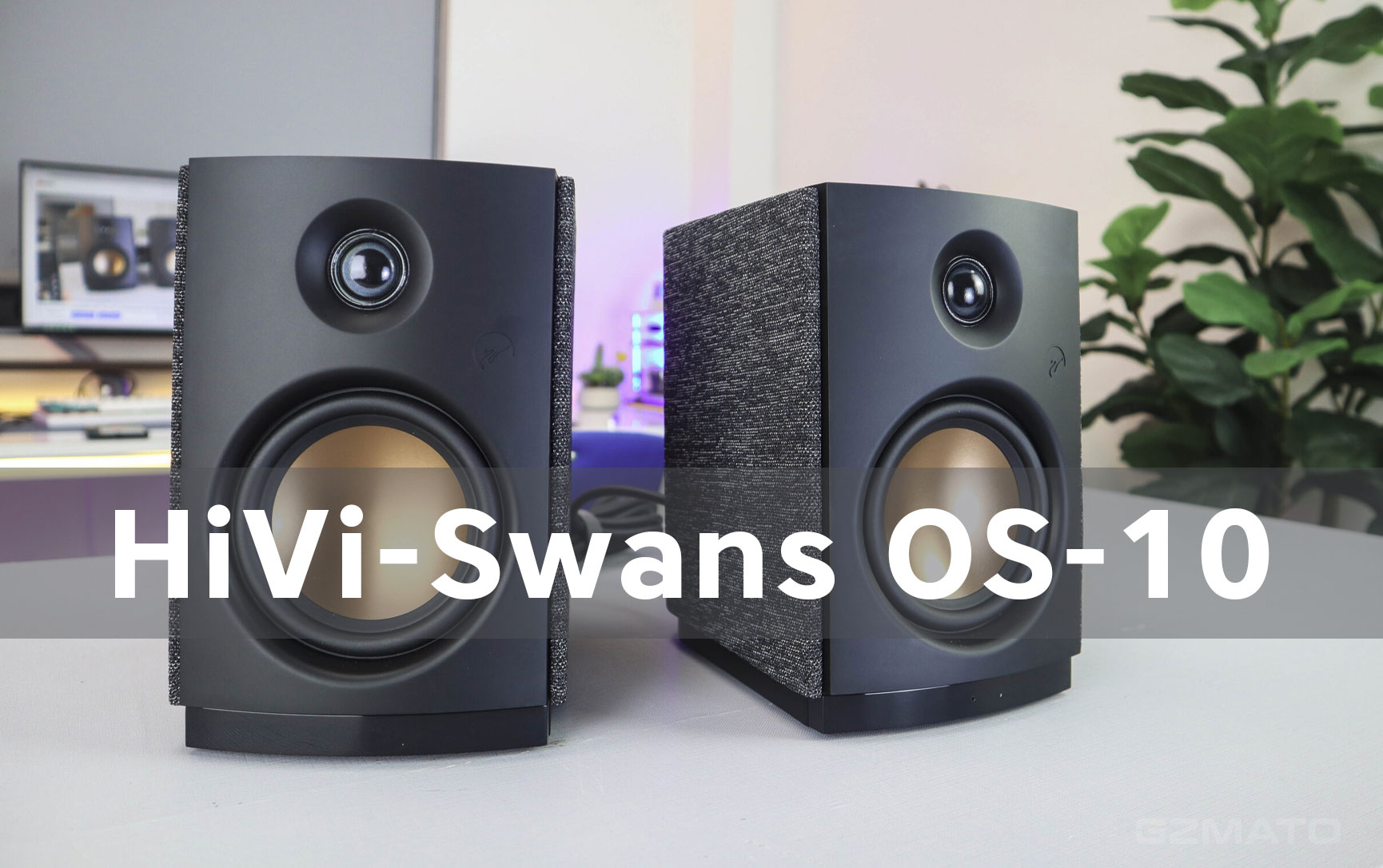
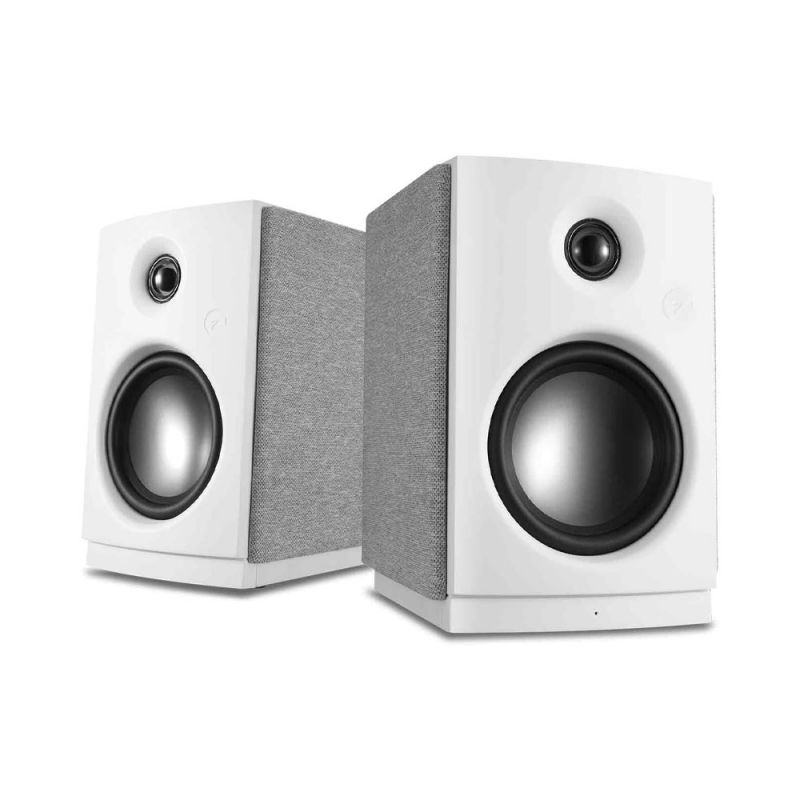
HiVi-Swans OS-10 HiFi Stereo Speakers - WhiteSpecial Price $169.99 Regular Price $179.99
-6%
HiVi-Swans OS-10 HiFi Stereo Speakers - WhiteSpecial Price $169.99 Regular Price $179.99 -
-6%
HiVi-Swans OS-10 HiFi Stereo Speakers - BlackSpecial Price $169.99 Regular Price $179.99
-
-27%
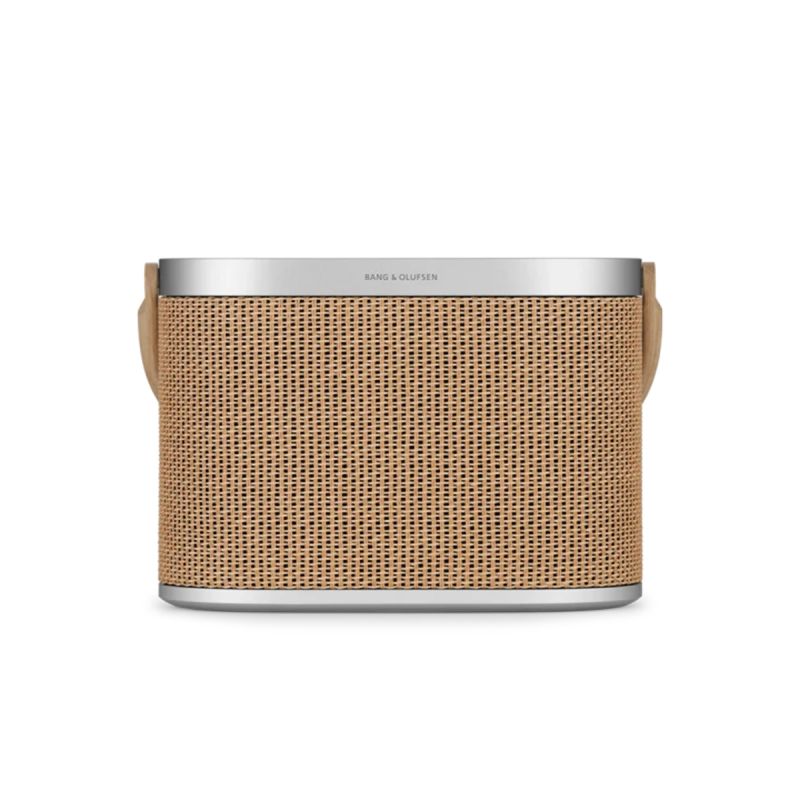
Bang & Olufsen Beosound A5 Powerful Portable Speaker - Nordic WeaveSpecial Price $1,099.00 Regular Price $1,499.00
-
-
-40%
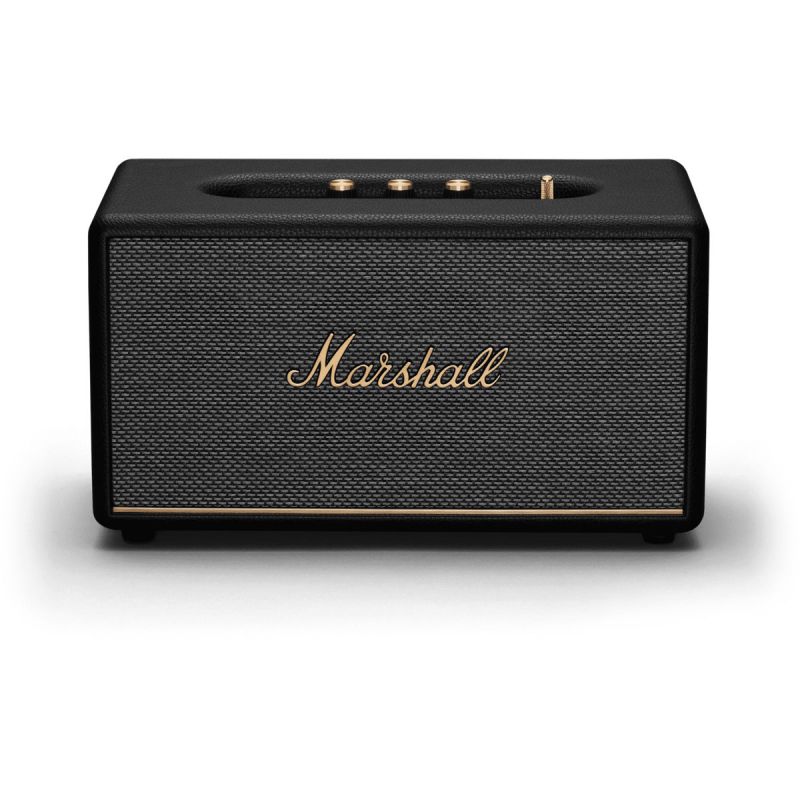
Marshall Stanmore III Bluetooth Wireless SpeakerAs low as $299.99 Regular Price $499.00
-
- Dolby Atmos height channels
- in-ceiling speakers
- HiVi Aura Star
- Bang & Olufsen comparison
- home theater installation
- Beosound A9
- Beosound 2
- Beosound Level