The Rise of Glass Storage A Breakthrough for Data Preservation
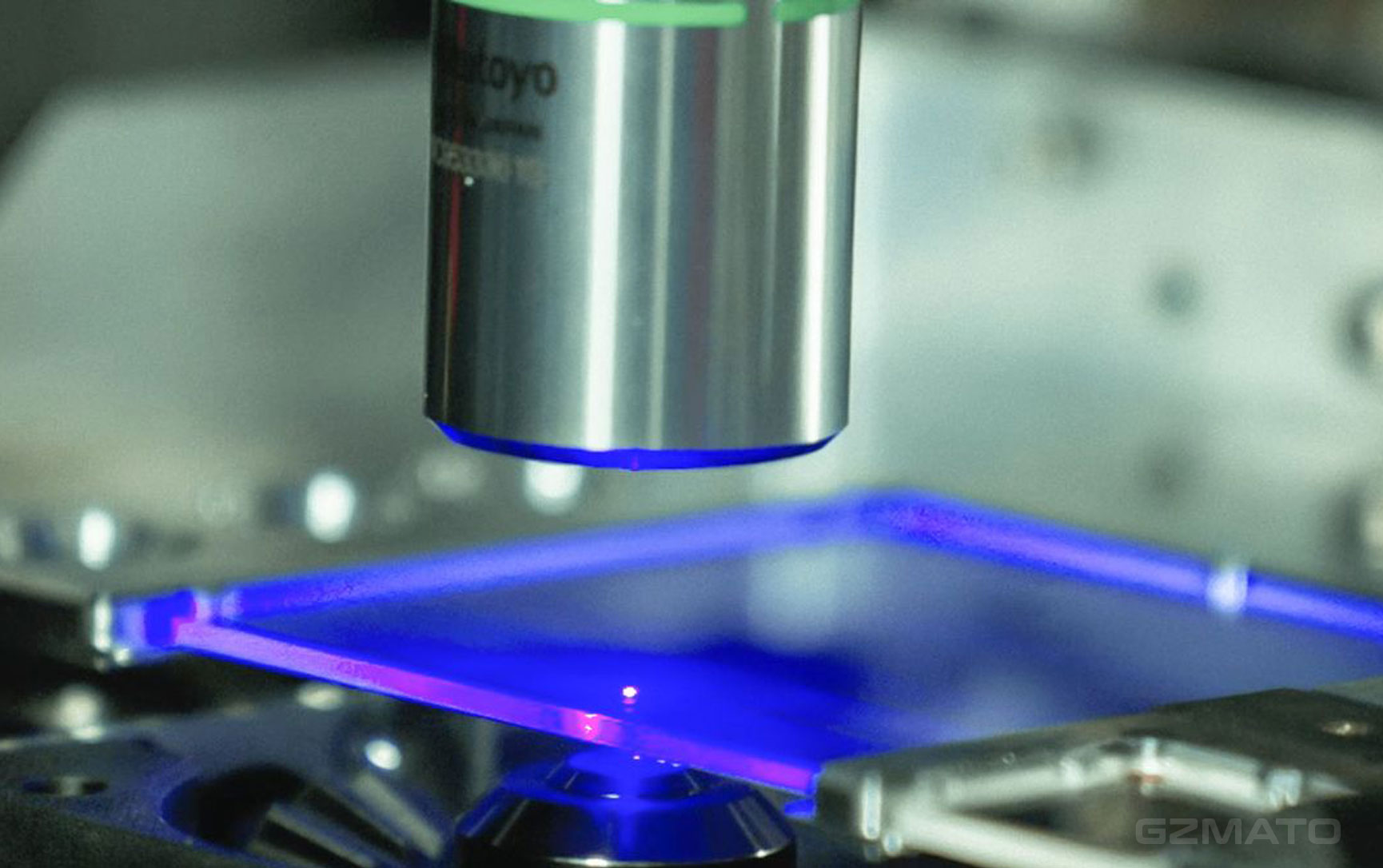
The future of data storage may be as old as civilization itself—glass. While magnetic hard drives and flash memory have dominated the digital age, a new frontier is emerging. Scientists and tech giants are developing a groundbreaking technology that could store vast amounts of data on a piece of glass, a breakthrough with the potential to preserve information for millennia.
This revolutionary concept, often referred to as Project Silica by Microsoft, relies on advanced laser technology to write data in three dimensions on blocks of quartz glass. Unlike traditional hard drives that store data magnetically on a spinning platter, or SSDs that use electrical charges, this new method etches information as a series of microscopic grooves and layers within the glass itself. The result is a storage medium with unparalleled durability and longevity. A single glass platter can withstand extreme temperatures, boiling water, and electromagnetic pulses, all while preserving data for hundreds or even thousands of years.
The true promise of glass storage lies in its applications for long-term archiving and massive data centers. In a world where data is growing exponentially, companies face a massive challenge in preserving digital history. Existing storage solutions, like hard drives and magnetic tapes, have a limited lifespan and require constant energy for climate-controlled storage and data migration. Glass storage, however, is a "write once, read many" solution that is virtually indestructible and requires no power to maintain. This makes it an ideal candidate for cold storage—archiving data that is not frequently accessed but must be preserved forever.
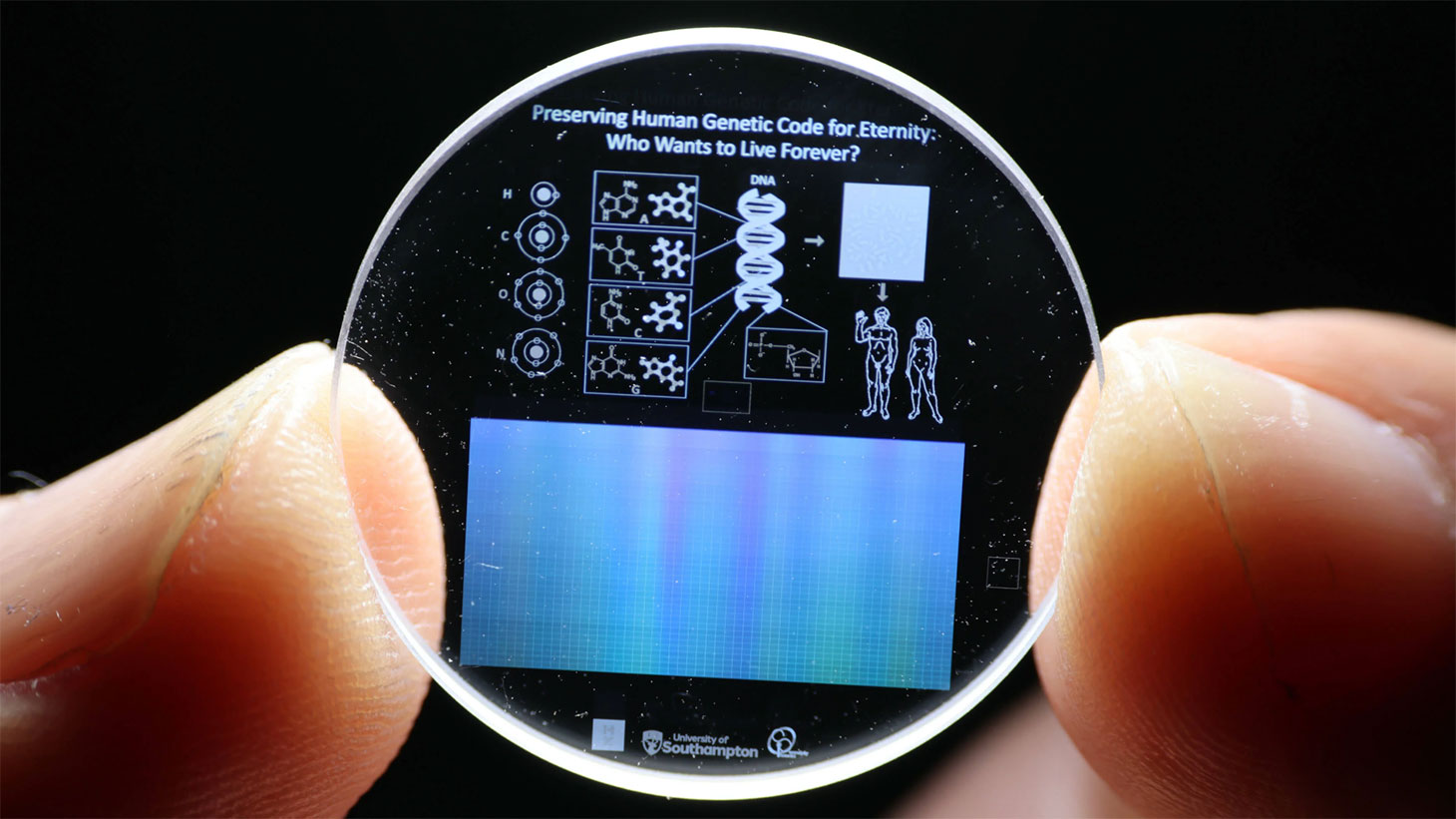
While the technology is not yet ready for consumer devices like laptops or phones, its development represents a significant leap forward. Major players like Microsoft have already proven the concept by successfully storing classics like the movie Superman on a small piece of glass. Research into similar 5D storage technology is also underway, promising to pack petabytes of data onto a single disc. The focus today is on a future where historical records, scientific discoveries, and cultural archives can be stored safely and permanently.
Glass storage is not just a new type of hard drive; it's a completely new paradigm for how we think about data preservation. By moving beyond fragile and temporary media, this technology promises a future where humanity's knowledge can outlast us, providing a stable, reliable record of our digital age for generations to come.

- glass storage
- Project Silica
- Microsoft
- 5D storage
- data preservation
- hard drive technology
- tech breakthrough
- future of storage
- glass hard drive