Google's Ironwood TPU: The AI Chip Powerhouse Set to Challenge Nvidia's Dominance
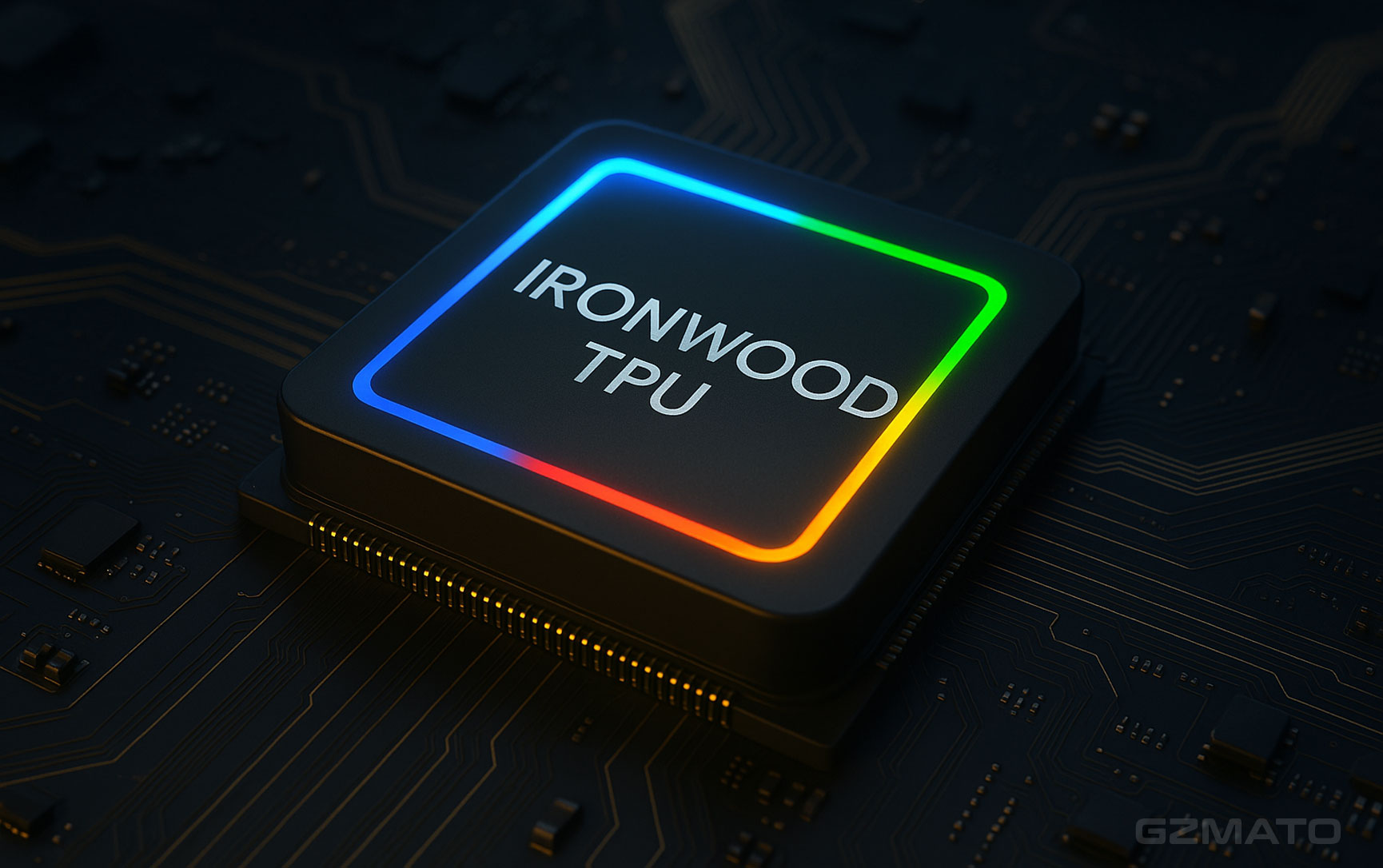
In the relentless arms race of AI hardware, Google is flexing its silicon muscles with Ironwood, its seventh-generation Tensor Processing Unit (TPU). Unveiled on Thursday, this beast of a chip promises to obliterate data bottlenecks for the most demanding AI workloads, delivering over four times the speed of its predecessor. As generative AI models balloon in size and complexity, Ironwood arrives not just as an upgrade, but as a direct shot across the bow of Nvidia's GPU empire.
Google's announcement comes amid surging demand for AI infrastructure, with the company reporting a whopping 34% year-over-year jump in Q3 cloud revenue to $15.15 billion. Major clients are already lining up, and AI darling Anthropic has committed to deploying up to a million Ironwood TPUs to supercharge its Claude language model. With public availability rolling out in the coming weeks—following an April testing phase—this could reshape how enterprises scale their AI ambitions.
A Leap in AI Hardware: Breaking Down Ironwood's Specs
Ironwood isn't just faster—it's a paradigm shift in scalability. Google engineers have interconnected up to 9,216 chips within a single pod, creating a seamless fabric for training massive models, powering real-time chatbots, and deploying AI agents at unprecedented scale. This architecture tackles the "data bottlenecks" that have plagued even the largest setups, allowing customers to run and expand the most data-hungry models without compromise.
At its core, Ironwood builds on a decade of TPU evolution, honed specifically for inferential tasks and "mixture of experts" architectures that power today's frontier models. Priced competitively and optimized for efficiency, these custom ASICs (application-specific integrated circuits) sidestep the power-hungry generalism of GPUs, offering a trifecta of advantages: lower costs, superior performance per watt, and tailored acceleration for machine learning pipelines.
As Alphabet CEO Sundar Pichai noted during a recent earnings call, "We are seeing substantial demand for our AI infrastructure products, including TPU-based and GPU-based solutions. It is one of the key drivers of our growth over the past year, and I think on a going-forward basis, I think we continue to see very strong demand, and we are investing to meet that." Google's upping its capital expenditure forecast to $93 billion this year, underscoring the bet on Ironwood as a cornerstone of its cloud dominance.
The Anthropic Power Play and Broader Ecosystem Ties
No launch is complete without star power, and Ironwood's got it in spades. Anthropic, the AI safety-focused startup behind Claude, inked a multi-billion-dollar cloud deal with Google earlier this year—now supercharged by this TPU rollout. By tapping into a million units, Anthropic aims to push its models to new heights, from enterprise analytics to creative tools, all while leveraging Google's hyperscale infrastructure.
This partnership isn't isolated; it's part of Google's aggressive cloud push, where it's signed more billion-dollar deals in the first nine months of 2025 than in the prior two years combined. Upgrades to Google Cloud mean cheaper, faster, and more flexible AI services for everyone from startups to Fortune 500s, blurring the lines between TPU exclusivity and broader accessibility.
Nvidia in the Crosshairs: Custom Silicon vs. the GPU Goliath
For years, Nvidia has ruled AI hardware with its versatile GPUs, powering everything from OpenAI's GPTs to Meta's Llama. But as models demand hyperspecialized compute, custom chips like Google's TPUs are gaining ground. Ironwood's efficiency edge could erode Nvidia's near-monopoly, especially as rivals like Amazon (with Trainium), Microsoft (Azure Cobalt), and even Meta invest in bespoke silicon.
The stakes? A projected $200 billion AI chip market by 2027, where margins are fat and supply chains are strained. Google's move signals a multipolar future: while GPUs remain the Swiss Army knife, TPUs could become the scalpel for precision AI at scale. Early adopters report tangible wins in cost savings and energy use, potentially tipping the scales in the cloud wars.
What We Thought: Powering the AI Frontier
Ironwood feels like Google's mic-drop in the hardware hustle—a reminder that innovation thrives on specialization. We think this could democratize high-end AI, making mega-scale models accessible without Nvidia's premium price tag, but it also intensifies the infrastructure arms race. What we take away is excitement for efficiency gains that could curb AI's environmental footprint, balanced against the risk of further vendor lock-in.
What's your read on Ironwood? Will it dethrone Nvidia, or just carve out a niche? Hit the comments with your predictions—we're all ears for the silicon showdown!
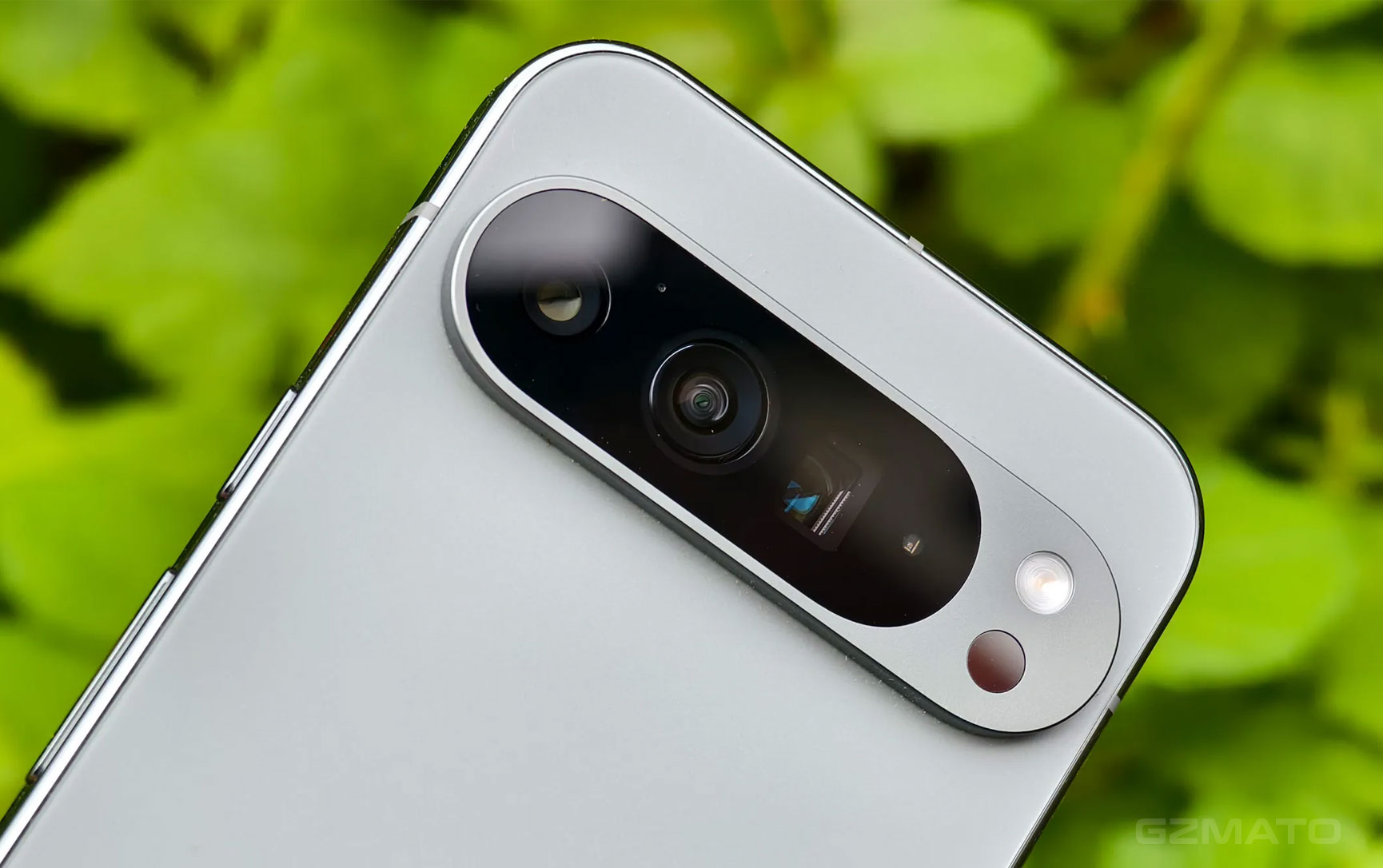

- Google Ironwood TPU
- seventh-generation TPU
- AI chip
- Nvidia competition
- Anthropic Claude
- AI infrastructure
- custom silicon