AI Could Disrupt the Web's Advertising Model: Warnings from Tim Berners-Lee
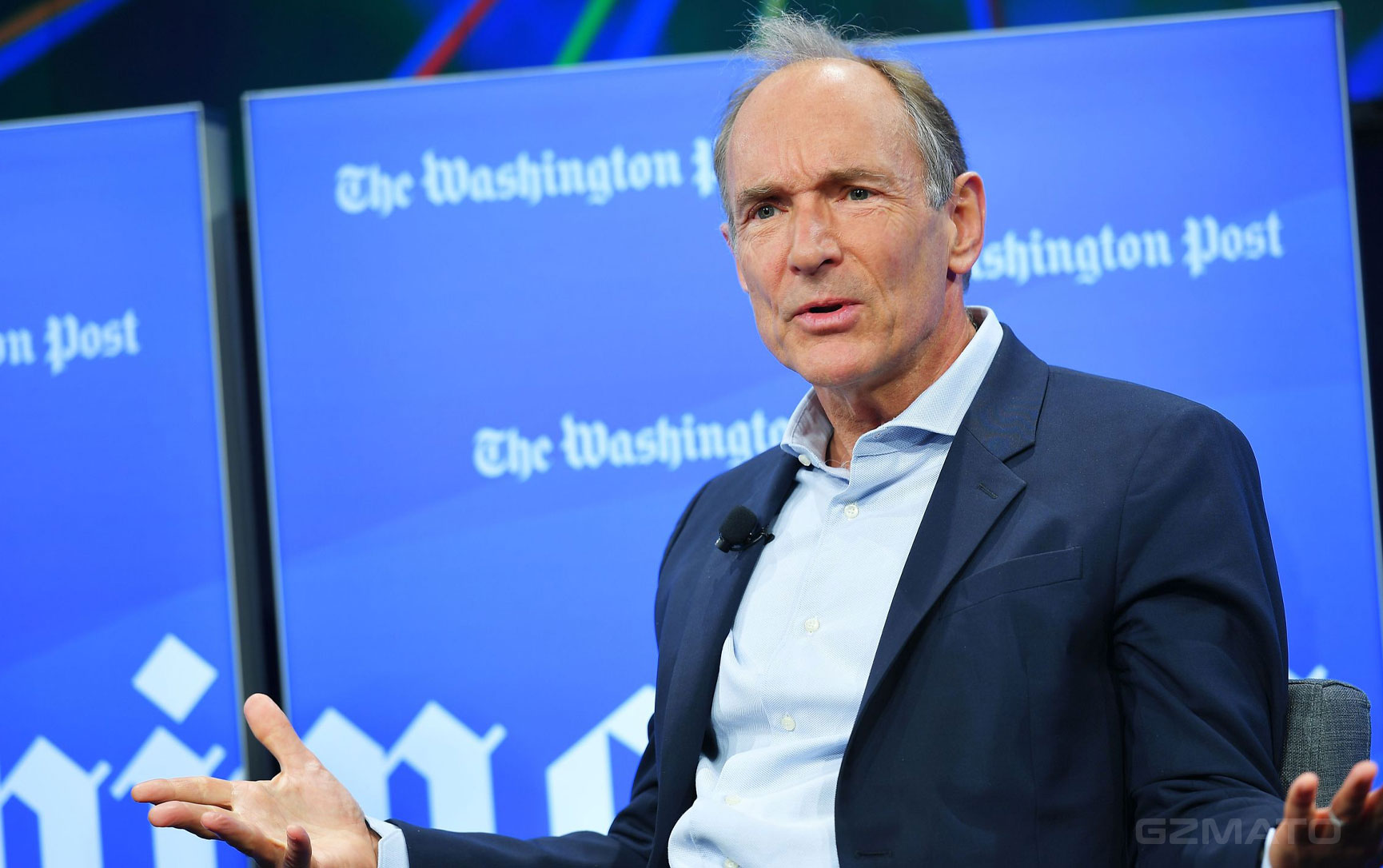
The World Wide Web, as we know it, has been fundamentally shaped by advertising. From targeted ads on search engines to sponsored content on social media, this model has generated billions in revenue for tech giants like Google and Meta. But according to Sir Tim Berners-Lee, the inventor of the Web, the rise of generative artificial intelligence (AI) could spell the end of this era.
At the Financial Times' Future of AI Summit in London, Berners-Lee expressed concerns that large language models (LLMs) might soon become the primary consumers of online content, bypassing human users altogether. He explained that if AI agents read webpages and then deliver synthesized information directly to users, the ad-based ecosystem could crumble. "The whole business model of the web based on advertising will start to crumble," he warned, highlighting how ads rely on actual human eyeballs on pages, not machines scraping data.
The Current Web Advertising Landscape
To understand the potential disruption, let's break down how the web's economy works today. Advertising dominates, with programmatic ads, display banners, and search-based promotions forming the backbone. In 2024, global digital ad spending exceeded $600 billion, much of it funneled through platforms that track user behavior to serve personalized content.
This model thrives on human interaction: page views, clicks, and engagement metrics drive revenue. Publishers create content to attract visitors, and advertisers pay to reach them. However, generative AI flips this script. Tools like ChatGPT or advanced search assistants can ingest vast amounts of web data, process it, and output answers without users ever visiting the original sites. As Berners-Lee noted, if models replace humans as the main "readers," ad impressions plummet, starving content creators of income.
How AI Agents Could Accelerate the Shift
Generative AI isn't just a tool; it's evolving into an intermediary. Imagine asking an AI for recipe ideas, news summaries, or product reviews—instead of clicking through to websites, the AI compiles and generates responses on the fly. This reduces traffic to source sites, as seen in early trends where AI-powered search features keep users within the ecosystem of companies like Google.
The implications are profound:
- For Publishers and Content Creators: Reduced visibility means lower ad revenue, potentially leading to paywalls, subscriptions, or even closures. Independent sites might struggle the most, while big players adapt with AI integrations.
- For Tech Giants: Companies reliant on ad dollars, such as Meta and Google, face threats to their multibillion-dollar empires. Berners-Lee specifically called out this risk, suggesting AI could "fatally wound" their models.
- For Users: On the positive side, faster, more efficient information access. But it raises questions about accuracy, bias in AI outputs, and the erosion of diverse voices if smaller sites vanish.
Berners-Lee's vision aligns with broader discussions in his recent memoir, where he advocates for a more intentional web focused on user control rather than attention-grabbing ads. He envisions a shift from "attention" economies to "intention" ones, where value comes from meaningful interactions, not endless scrolling.
Potential Pathways Forward
If AI does dismantle ads, what replaces it? Alternatives could include:
- Subscription Models: Direct payments for premium content, as seen with platforms like Substack or Patreon.
- Micropayments and Web3: Blockchain-enabled micro-transactions for individual articles or data access.
- AI Licensing Deals: Websites could license content to AI models, creating new revenue streams.
- Regulatory Interventions: Governments might step in to ensure fair compensation for data usage, similar to ongoing debates around AI training on copyrighted material.
While disruptive, this could democratize the web further, echoing Berners-Lee's original gift of the Web as a public domain resource in 1993. However, without adaptation, the open internet risks becoming more closed, dominated by a few AI gatekeepers.
What We Thought: Our Takeaways
Berners-Lee's warning feels prescient in an era where AI is already reshaping search and content discovery. We think this could be a wake-up call for innovation—pushing the web toward sustainability beyond ads. What we take away is optimism tempered with caution: AI might end exploitative tracking, but it demands new ethical frameworks to preserve the web's openness.
What do you think? Could AI liberate us from ads, or will it concentrate power further? Share your ideas in the comments below—we'd love to hear your perspectives and spark a discussion!
- Tim Berners-Lee
- generative AI
- web advertising
- internet economy
- AI disruption
- large language models
- digital ads