The AI Era is Here: Google’s Pixel 10 Lineup Puts Gemini at the Core of Mobile Hardware
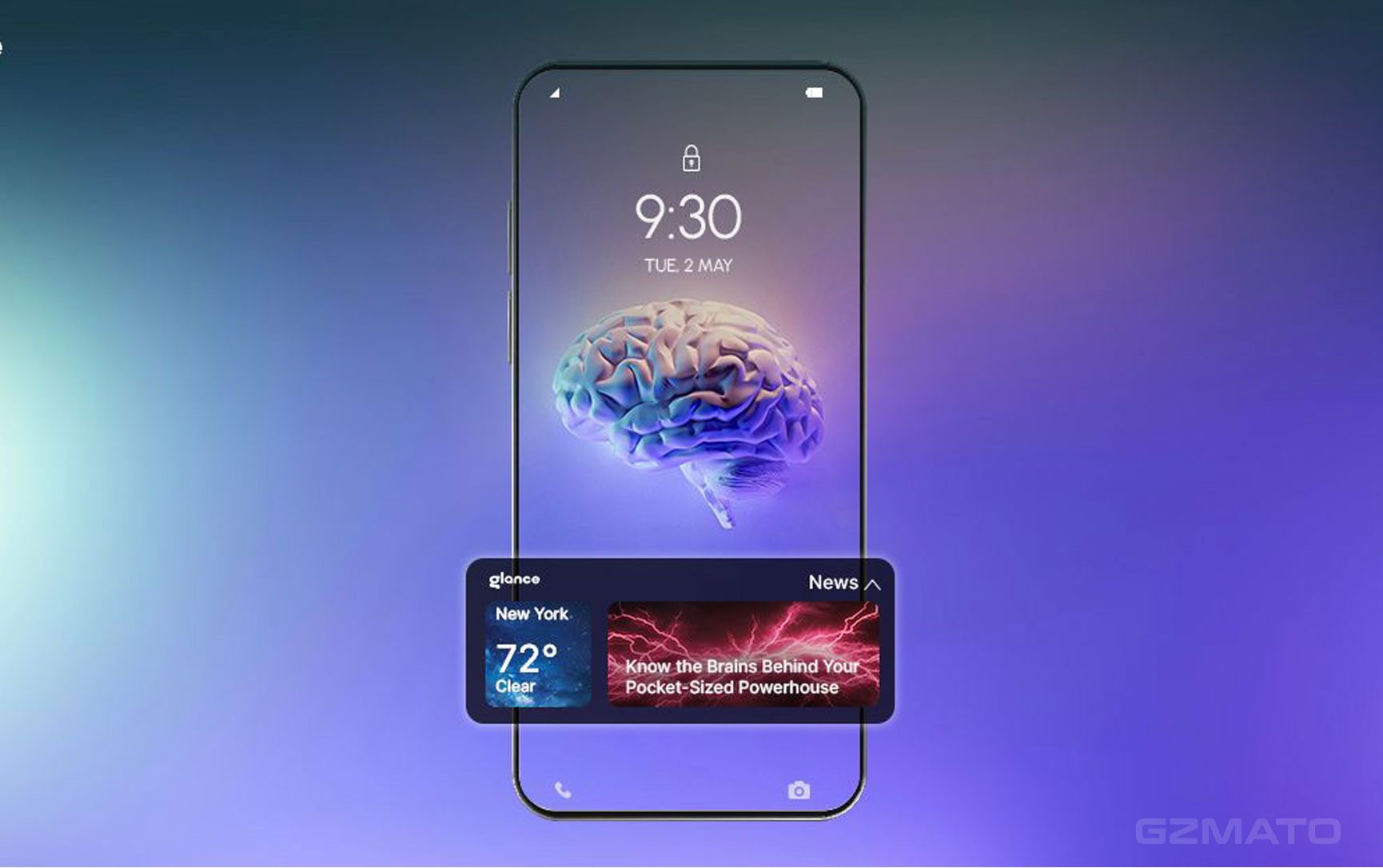
The "Made by Google 2025" event, now a staple in the fall technology calendar, served as the formal unveiling of the company's next-generation hardware lineup. More than just a collection of new devices, the announcements—led by the Pixel 10 series and the improved Pixel 10 Pro Fold—cemented Google’s commitment to an "AI-First" ecosystem, where the Gemini model is the fundamental operating system layer.
The core message is clear: the future of helpful computing isn't just a powerful chip, but a unified hardware platform built around the Gemini AI to deliver seamless, proactive intelligence across the phone, watch, and home.
The Star of the Show: The Pixel 10 Pro Fold
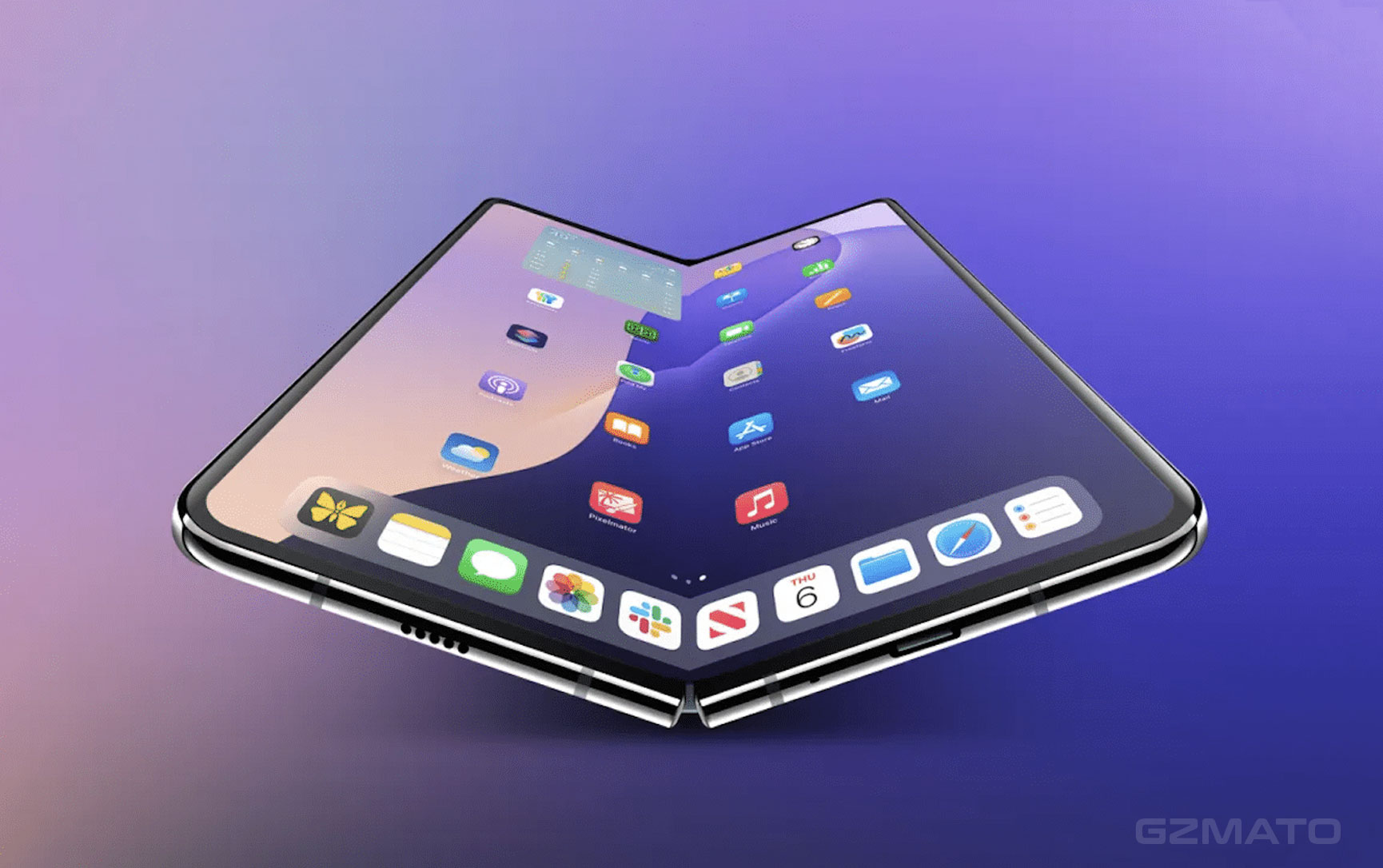
While iterative updates were expected for the standard Pixel 10 and 10 Pro, the most notable hardware achievement came with the Pixel 10 Pro Fold. Google directly addressed the primary durability concerns that have plagued the foldable market since its inception.
- IP68 Rating Confirmed: The new foldable is one of the first in the segment to carry an official IP68 rating for water and dust resistance. This breakthrough is a significant differentiator, positioning the Pro Fold as a truly premium, all-weather flagship capable of withstanding real-world use without the fragility concerns typically associated with folding screens and complex hinge mechanisms.
- Dual-Display Excellence: The device maintains a standard-sized external display and unfolds into a massive 8-inch inner OLED panel, built for fluid multitasking, heavily assisted by Gemini’s context-aware suggestions.
The New Engine: Tensor G5 and On-Device Intelligence
The performance foundation for the entire lineup is the new Google Tensor G5 system-on-a-chip (SoC). While specific benchmark comparisons to Qualcomm or Apple’s latest chips are pending, the G5’s focus is undeniably on accelerating AI tasks.
- Gemini Live: This is the flagship software feature enabled by the G5. It allows users to interact with the Gemini assistant in a more natural, fluid manner—conversations can be interrupted, follow-up questions are contextually understood, and the interaction feels less like a command-line interface and more like talking to a deeply informed human assistant.
- Proactive Assistance: The G5 allows for constant, low-power processing of sensor data, enabling the devices to offer timely, proactive help. This extends to the new Pixel Watch 4, which can now use AI to detect missed workouts and automatically give the user credit, or even use its pulse detection to alert emergency services.
Ecosystem Synergy: The Pixel Watch 4 and Gemini for Home
The event underscored that the Pixel family is an integrated ecosystem, not just a collection of disparate products.
- Pixel Watch 4: The new watch received a physical redesign, featuring a sleek domed display and reportedly major improvements to battery life—a critical weak point in previous generations. Its deep integration with Gemini now makes the watch a comprehensive health coach and safety device.
- Gemini for Home: Google announced a dedicated Gemini for Home early access program. This update replaces the reliance on rigid, specific commands with free-flowing dialogue. Users can now tell their Google Home speaker things like, "Lock the doors and turn off the lights at bedtime," or ask for complex, multi-step automations in natural language. This moves smart homes from being a set of scheduled tasks to a genuinely helpful, conversational environment.
Conclusion: A Decade of Pixel Culminates in AI Utility
The launch of the Pixel 10 series marks a significant pivot from the early days of Google hardware. The focus is no longer just on computational photography—it is on computational utility. By investing heavily in the durability of the Pro Fold and embedding the high-context, conversational power of Gemini across all devices, Google is positioning its 2025 hardware as the most cohesive and genuinely intelligent mobile ecosystem available today.
- Pixel 10
- Pixel 10 Pro Fold
- Made by Google 2025
- Gemini Live
- Tensor G5
- IP68 Foldable
- AI-First Hardware