iPhone Duo Crackgate: The Real Cause Is Finally Revealed
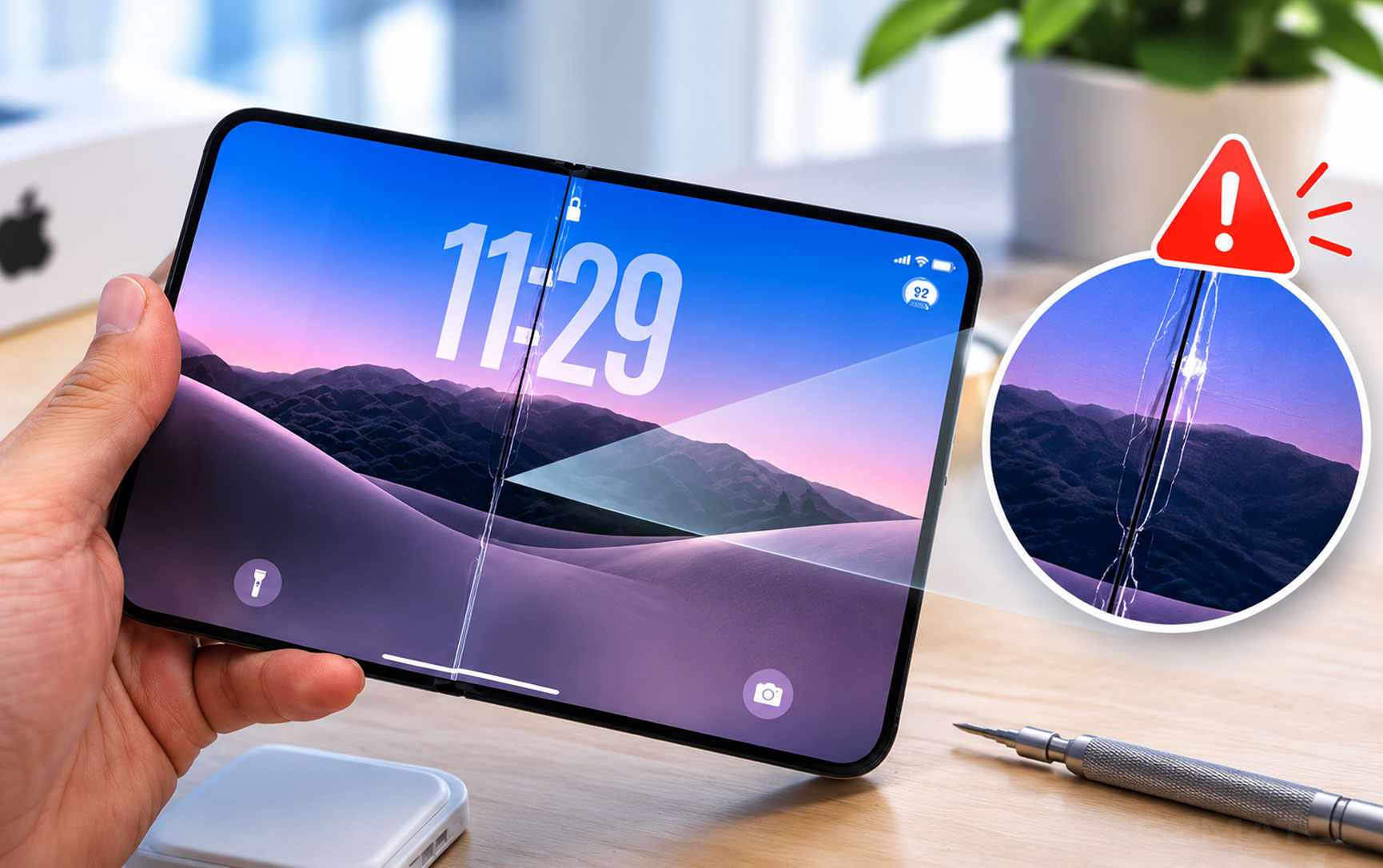
iPhone Duo Crackgate: The Real Cause Is Finally Revealed
November 8, 2026 — The "Crackgate" controversy surrounding the iPhone Duo has been a cloud over Apple's first foldable launch. For weeks, users and analysts speculated about whether the cracks were a design flaw, a manufacturing defect, or a rushed production issue.
Today, prominent leaker @Kang published a report on Weibo that finally pins the blame: the root cause is a material defect from one specific supplier. Out of the two main suppliers providing hinge components, one delivered faulty materials that led to the screen failures . This is a critical update for anyone who already owns a Duo, or is considering buying one.
The Root Cause: A Supplier Material Defect
According to the report by @Kang, the investigation into the cracked screens has concluded that the issue is not a design failure, but a material failure.
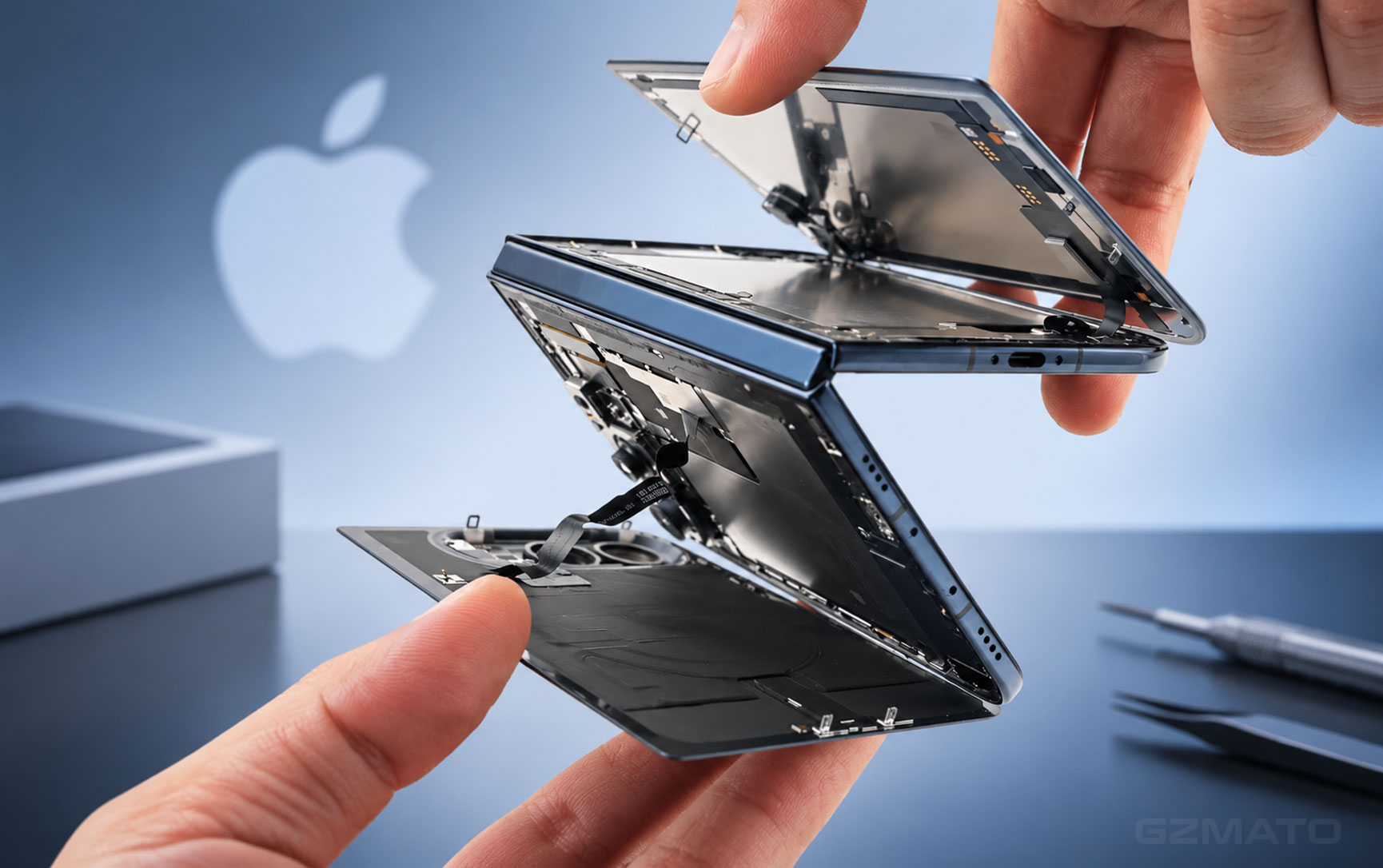
The iPhone Duo's hinge assembly involves several key suppliers, including Amphenol, Shin Zu Shing, and Fine M-Tec. The report indicates that one of the two primary hinge suppliers provided defective raw materials. This resulted in a specific batch of devices having weak structural integrity at the fold, which eventually causes the inner screen to crack under normal folding pressure .
Fine M-Tec, one of the suppliers involved in the hinge/metal support plates, issued a public statement on October 26 denying that the quality issue was related to defects in its supplied components . This suggests that the blame may fall on the other unnamed supplier, or on a downstream integration issue. Apple has not officially named the supplier at fault.
There were also rumors that Foxconn employees claimed Apple had lowered quality control (QC) standards to meet production targets. However, a source close to the iPhone Duo supply chain told media outlet Jiemian News that Apple did not take such measures . Apple's official stance remains that the issue only affects a very small number of units.
The Serial Number Game: How Apple Is Tracking Affected Units
The most practical takeaway from today's report is that Apple knows exactly which devices are at risk. According to @Kang, Apple can identify the affected batches using the device serial number.
However, there are two big unknowns right now:
- Is there a public lookup tool? Apple has not yet announced whether it will allow users to check their serial number online to see if their device is in the "danger batch."
- Will there be a proactive recall? Apple is not currently issuing a formal recall. Instead, it is handling this as a "case-by-case" replacement under AppleCare. If your screen cracks, they will replace it. But they are not proactively reaching out to owners of potentially affected units to swap them before the cracks appear.
Should You Buy an iPhone Duo Now?
The new information about the supplier defect changes the risk calculation, but it does not make the Duo a bad product. Here is how to think about it.
| Your Situation | Recommendation |
|---|---|
| You are buying a brand-new iPhone Duo | It's safer to buy direct from Apple or a major authorized retailer. If a crack occurs, you have a clear path to a free replacement via AppleCare. The newer the production batch, the less likely it is to have the faulty material. |
| You are buying a used iPhone Duo | Be careful. The warranty is tied to the device, not the owner, but if the previous owner bought it through a gray market or unverified channel, getting a replacement might be harder. Verify the seller's return policy. |
| You are heavily invested in the Apple ecosystem | The risk is manageable. Even if the screen cracks, Apple is replacing them quickly. The bigger frustration is the downtime and the hassle of setting up a new device, not the financial loss. |
| You are on the fence | Wait. Give Apple a few more weeks to see if they open a public serial number checker. If they do, you can verify before you buy. |
Key Takeaways
| # | What You Need to Know About the Crackgate Update |
|---|---|
| 1 | The root cause is a supplier material defect, not a design flaw. One of the two primary hinge suppliers provided faulty raw materials. |
| 2 | Apple can track affected units via serial numbers. It is unclear if they will open a public lookup tool for consumers. |
| 3 | No proactive recall has been announced. Apple is replacing cracked screens through AppleCare on a case-by-case basis. |
| 4 | Fine M-Tec denies responsibility. The supplier publicly stated that its components are not the source of the defect. |
| 5 | Apple denies lowering QC standards. Supply chain sources refute claims that Apple rushed production and lowered testing standards to meet demand. |
| 6 | Buying new from authorized channels is safer. The newer the batch, the less likely it is affected. You also have a clear path for warranty replacement. |
| 7 | Waiting for a public serial checker is the safest bet. If Apple releases a tool, you can verify your device's batch before committing. |
iPhone Duo | iPhone 18 Pro | Cases & Accessories | Chargers
Special Offer: Use code TECH2026 for a discount on your first order!
Shop iPhones at GzmatoTell us your concerns and budget, and we'll help you weigh the risks of buying new, buying used, or waiting for a batch checker. Chat with us or open a request.

- iPhone Duo Crackgate
- iPhone Duo screen cracking
- iPhone Duo supplier defect
- iPhone Duo serial number
- iPhone Duo recall
- Gzmato