The APEC Effect: How a Shenzhen Seller's Day Mirrors Asia-Pacific Trade
The APEC Effect: How a Shenzhen Seller's Day Mirrors Asia-Pacific Trade
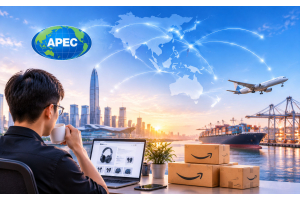
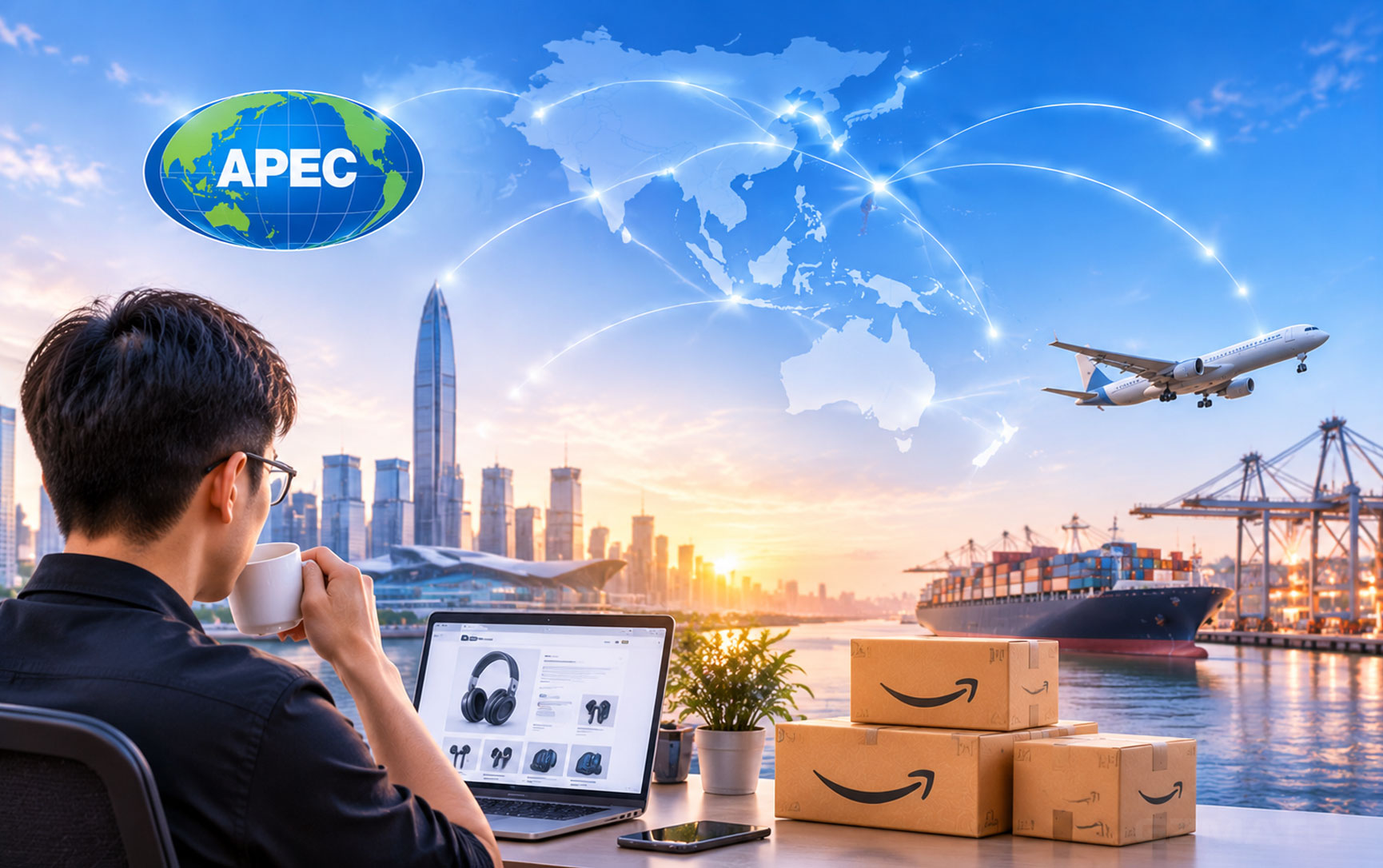
November 7, 2026 — This morning, CCTV aired a special report titled "APEC's Shenzhen Appointment: Shenzhen Cross-Border E-Commerce — Asia-Pacific Cooperation in Every Order." The segment highlighted Shenzhen's role as the host city for the upcoming APEC meetings and how its cross-border e-commerce ecosystem has become a showcase for regional integration.
For most people, APEC and RCEP are abstract concepts—summits, agreements, and bureaucratic documents. But for the tens of thousands of cross-border sellers in Shenzhen, these frameworks are not abstract. They are the reason a product can be designed in Nanshan, assembled in Vietnam, and delivered to an Australian customer without a tariff nightmare. Shenzhen is no longer just a factory; it is the super-brain of the Asia-Pacific supply chain.
24 Hours in the Life of a Shenzhen Cross-Border Seller
To understand how APEC cooperation actually works, look at the daily operations of a typical Shenzhen-based brand (let's call it a smart home device company).
- Morning (Shenzhen): The R&D team in Nanshan finalizes a new firmware update for their smart pet feeder. The design is finalized, and the software is tested locally.
- Noon (Japan & South Korea): The procurement team places orders for high-precision micro-motors from Japan and premium OLED display panels from South Korea.
- Afternoon (Vietnam): The assembly factory in Vietnam receives the components and begins final assembly. The production line is fast, and labor costs remain highly competitive.
- Evening (Australia): Finished goods are shipped from Shenzhen ports to Australian warehouses. Because the products meet the RCEP "Regional Value Content" threshold, they enter Australia with zero tariffs.
This is the reality of modern trade. A single product touches five different countries. Without APEC's push for digitalized customs clearance and RCEP's tariff reductions, this kind of multi-country supply chain would be too expensive and too slow to be viable.
The Chemistry of RCEP and APEC
Why does this cross-border model work so well? It is the result of two overlapping frameworks.
| Framework | What It Actually Does for a Seller |
|---|---|
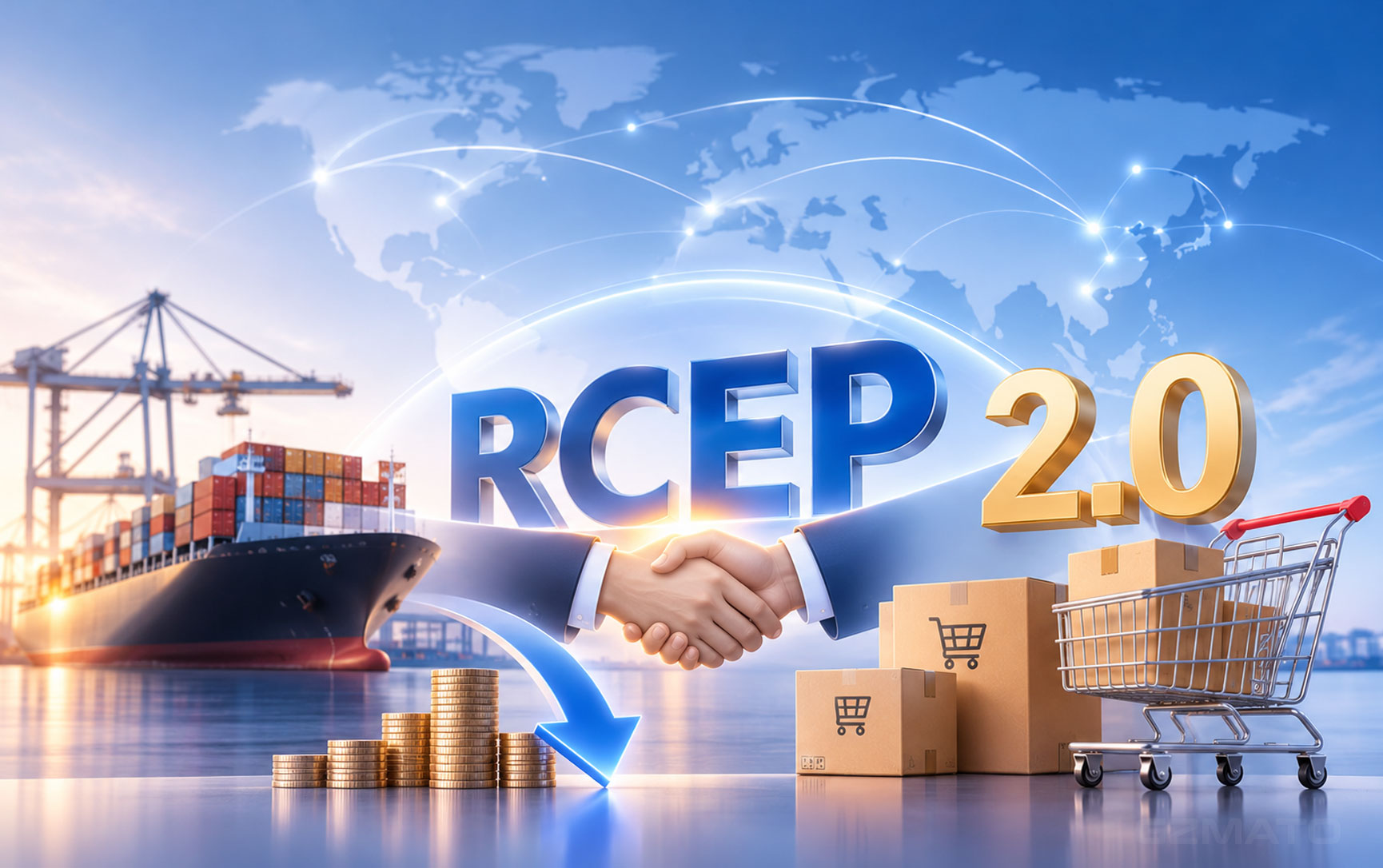
| RCEP (Regional Comprehensive Economic Partnership) | Reduces tariffs and allows "regional accumulation." As long as 40% of a product's value is created within RCEP member countries, it enters member markets duty-free. (Read our full breakdown of RCEP rules here.) |
| APEC (Asia-Pacific Economic Cooperation) | Streamlines customs procedures, promotes digital trade, and builds logistics infrastructure. It ensures that a package crossing borders doesn't get stuck in customs for weeks. |
If these frameworks did not exist, the Shenzhen seller described above would face heavy tariffs on the Japanese motors and Korean panels, as well as high tariffs when entering Australia. Customs clearance would require mountains of paperwork. The end price to the consumer would be 30% to 50% higher. Regional integration is what makes cross-border e-commerce profitable.
What This Means for Small and Medium Sellers
The APEC showcase is more than a media event; it is a roadmap for how to survive in a competitive global market. Here is what Gzmato sellers should take away:
- Stop thinking of yourself as just a "Chinese exporter." You are an "Asia-Pacific supply chain integrator." Your competitive advantage comes from sourcing the best materials from the region and leveraging the most efficient assembly hubs.
- Leverage RCEP compliance. If you are selling to Japan, Australia, or ASEAN countries, ensure your products meet the origin criteria. The 40% regional value rule can significantly reduce your landed costs.
- Focus on high-value manufacturing. Leave the low-margin, labor-intensive assembly to countries with lower labor costs. Keep your R&D, branding, and high-end manufacturing in Shenzhen.
Key Takeaways
| # | What You Need to Know |
|---|---|
| 1 | APEC and RCEP have transformed Shenzhen into a regional supply chain hub. It is no longer just a manufacturing base, but a center for cross-border coordination. |
| 2 | A single product can now involve five countries. Design in China, parts from Japan/Korea, assembly in Vietnam, and sales to Australia are all economically viable. |
| 3 | RCEP reduces tariffs through "regional accumulation." If 40% of the value is created in member countries, goods move duty-free. |
| 4 | APEC streamlines customs and logistics. Digitalization makes cross-border shipping faster and less paperwork-intensive. |
| 5 | Without these frameworks, the cost of the final product would be much higher. The synergy between APEC and RCEP makes the current e-commerce model profitable. |
| 6 | Sellers must adopt an "integrator" mindset. Do not try to make everything in one place. Use the Asia-Pacific region as a resource pool to build higher-quality products at lower costs. |
Tell us your product category and current sourcing strategy, and we can help you explore RCEP cost optimization or connect you with regional resources. Chat with us or open a request.

- APEC Shenzhen
- Shenzhen cross-border e-commerce
- RCEP supply chain
- Asia-Pacific trade
- regional accumulation rule
- Gzmato