The End of the Non-Touch MacBook Pro? What Gurman's Prediction Means for Buyers
The End of the Non-Touch MacBook Pro?
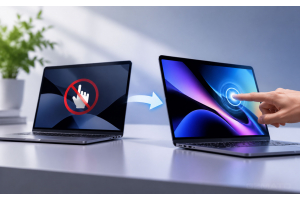
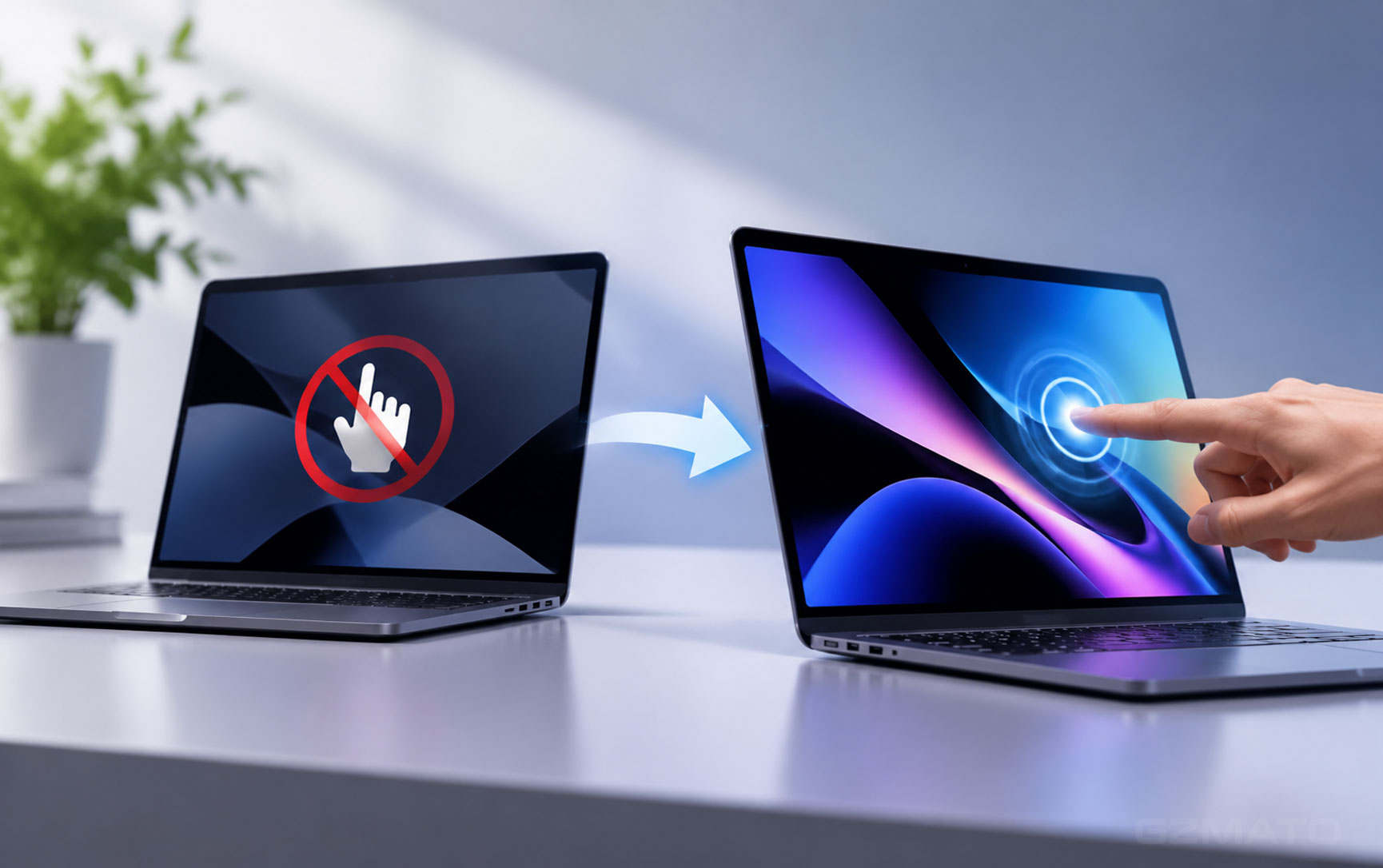
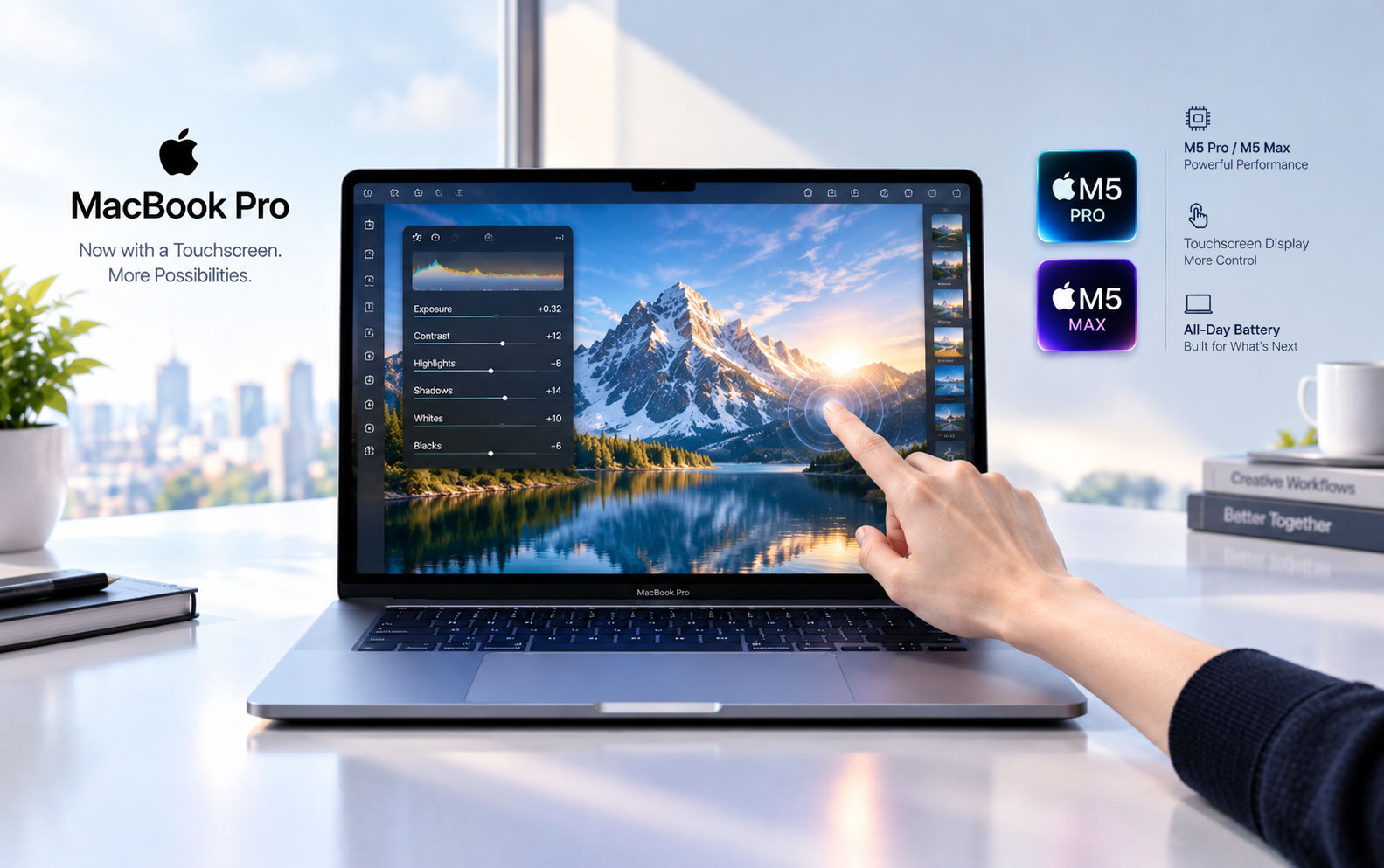
November 3, 2026 — When Apple introduced the touchscreen MacBook Pro with OLED and Dynamic Island, it kept the old non-touch models around. The $400 premium for the new design was steep, but buyers at least had a choice: pay more for the new tech, or save money on the proven design. According to Bloomberg's Mark Gurman, that choice may not last long.
In a recent post on X, Gurman shared a prediction that cuts to the core of Apple's Mac product strategy. The non-touch versions are sticking around for now, but he would be "surprised" if Apple keeps developing two separate high-end MacBook Pro lines for much longer. His conclusion: "Convergence seems inevitable."
Apple is charging $400 extra for touch, OLED and Dynamic Island on the new MacBook Pro. The non-touch versions are sticking around for now, but I’d be surprised if Apple keeps developing two separate high-end MacBook Pro lines for much longer. Convergence seems inevitable.
— Mark Gurman (@markgurman) November 1, 2026
What Gurman Actually Said
To understand the weight of Gurman's claim, it helps to separate what is confirmed from what is predicted.
Confirmed: Apple currently sells two separate high-end lines—the non-touch M5 Pro/Max models and the new touchscreen OLED models. The touchscreen version carries a $400 premium. Both use the same M5 Pro/Max chips, so the price difference is entirely about the display, design, and touch input.
Predicted: Gurman expects Apple to phase out the dual-line strategy. The engineering, supply chain, and marketing costs of maintaining two distinct high-end chassis are substantial. With the price gap at only $400, the non-touch line's value proposition weakens over time. When the next generation arrives—likely the M7 Pro/Max in 2027—Apple will probably consolidate to a single high-end design: touchscreen OLED.
Apple has done this before. When the Retina display arrived, it started as a premium option and eventually became standard across the line. When the Touch Bar launched, it was exclusive to the Pro line and later phased out entirely. Apple tends to treat major design changes as premium options first, then makes them standard once the supply chain matures and costs come down. The touchscreen OLED display is following the same trajectory.
The Current Reality: Two Lines, One Price Gap
For anyone buying today, the practical difference between the two high-end lines is smaller than the marketing suggests.
| Feature | Non-Touch (M5 Pro) | Touchscreen (M5 Pro) |
|---|---|---|
| Starting Price | $2,199 | $2,899 |
| Processor | M5 Pro | M5 Pro |
| Display | Liquid Retina XDR (mini-LED) | PROLED XDR (Tandem OLED) |
| Touch | No | Yes |
| Dynamic Island | No | Yes |
| Weight (14-inch) | ~1.60 kg | 1.38 kg |
| Glowing Apple Logo | No | Yes |
The performance difference is essentially zero—same chip, same memory options. The $700 premium (in the US) buys you the OLED panel, touch input, a lighter chassis, the Dynamic Island, and the retro glowing logo. For some buyers, that's worth it. For others, the non-touch model is a smarter financial choice.
The Long-Term Risk for Non-Touch Buyers
Here's where Gurman's prediction matters for your wallet. If Apple consolidates to a single high-end line in 2027 or 2028, what happens to the non-touch M5 Pro/Max you buy today?
- Resale value: If the next generation of high-end MacBook Pros is touch-only, the non-touch models become the "old design." Historically, Apple products with a discontinued design language depreciate faster than those that match the current flagship look.
- Software features: macOS is gradually adding touch-friendly interactions (larger hit targets, gesture support). Future macOS versions may be optimized for the touchscreen hardware. Non-touch models will still work, but they may miss out on UI refinements designed for touch.
- Accessories and ecosystem: If the high-end line moves to a thinner, lighter chassis with a different hinge design, accessories (cases, docks, stands) will be designed for the new form factor. The old chassis will still work with existing accessories, but new products will target the touchscreen design.
Should You Buy Now or Wait?
| Your Situation | Recommendation |
|---|---|
| You need a Mac now and want the best value | Buy the non-touch M5 Pro. It is $700 cheaper, has the same chip, and the mini-LED display is excellent. Accept that it may be the last non-touch high-end MacBook Pro. |
| You care about resale value and longevity | Buy the touchscreen model. If Apple converges to touch-only in 2027, the touchscreen M5 Pro will look like the "current" design, not a deprecated one. |
| You want OLED, touch, or a lighter laptop | Buy the touchscreen model. The display and weight improvements are real, and the $400–$700 premium buys you a genuinely better physical experience. |
| You can wait until 2027 | Wait. The M7 Pro/Max generation will likely clarify Apple's long-term direction. If the high-end line becomes touch-only, you'll get the converged design at a more mature stage. |
| You just bought a non-touch M5 Pro | Don't panic. It's still an excellent machine. Gurman's prediction is about future product lines, not about your current device becoming obsolete tomorrow. |
Key Takeaways
| # | What You Need to Know |
|---|---|
| 1 | Gurman predicts Apple will soon merge the high-end MacBook Pro lines. The non-touch M5 Pro/Max models are likely the last of their kind. |
| 2 | The $400 premium buys OLED, touch, Dynamic Island, and a lighter chassis — not a faster chip. The M5 Pro chip is identical in both models. |
| 3 | Convergence is Apple's pattern. Retina, Touch Bar, and other design changes started as premium options and eventually became standard (or were phased out). |
| 4 | Non-touch buyers face long-term resale and design risk. If the next high-end line is touch-only, the current non-touch design will depreciate faster. |
| 5 | But the non-touch M5 Pro is not a bad purchase. It is cheaper, has the same chip, and the mini-LED display is still excellent. The risk is about future-proofing, not current performance. |
| 6 | The touchscreen model is the safer long-term choice. If you plan to keep the laptop for 4+ years and care about matching the future flagship design, the $400 premium is worth it. |
| 7 | If you can wait until 2027, wait. The M7 Pro/Max generation will clarify whether Apple truly goes touch-only at the high end. |
- Mark Gurman on X — "Convergence seems inevitable" (November 1, 2026)
- Bloomberg Power On — Full analysis of the MacBook Pro product line future
- Apple Official Website — Current MacBook Pro specifications and pricing
- Gzmato Blog — MacBook Pro Buying Guide: M6 vs. M5 Pro vs. Touchscreen OLED
MacBook Pro M5 | MacBook Pro Touch OLED | MacBook Air | Accessories
Special Offer: Use code TECH2026 for a discount on your first order!
Shop Macs at GzmatoTell us how long you plan to keep your laptop and what you use it for, and we'll help you pick the configuration that makes the most sense for your budget and future needs. Chat with us or open a request.
- MacBook Pro convergence
- Mark Gurman MacBook Pro
- non-touch MacBook Pro ending
- touchscreen MacBook Pro future
- M5 Pro vs touchscreen OLED
- MacBook Pro buying guide
- Gzmato