Tea and Heart Health: What a 480,000-Person Study Reveals

Tea and Heart Health: What a 480,000-Person Study Reveals
November 1, 2026 — For millions of people, tea is a daily ritual. It wakes you up, settles your stomach after a meal, and provides a moment of calm. But beyond the comfort, a massive new study published in the Journal of Internal Medicine has quantified exactly how regular tea drinking affects cardiovascular health.
Researchers followed nearly 486,000 adults in China for an average of nine years. The finding: habitual tea drinkers had an 11% lower risk of developing cardiovascular disease compared to those who didn't drink tea regularly. The study also uncovered specific details about which tea, how strong, and how hot you should drink it.
The Five Key Findings
The study went beyond a simple "tea yes or no" question. It analyzed type, strength, temperature, and quantity.
| Factor | What the Study Found |
|---|---|
| Tea Type | Black tea showed the most consistent protective association across all cardiovascular disease subtypes, followed by green tea. |
| Temperature | Warm or room-temperature tea was linked to lower risk. Burning hot tea was associated with a 16% higher risk. |
| Strength | Moderate-strength tea was associated with the lowest risk. Very strong tea showed a notably weaker protective effect. |
| Quantity | The optimal range was 6–8 cups per day of moderate-strength tea. The relationship followed a U-shaped curve—too little or too much reduced the benefit. |
| Lifestyle Combination | Regular tea + no smoking + high physical activity = 45.2% lower risk. |
The study's "6–8 cups" refers to standard servings, not large mugs. For reference, health authorities generally recommend 5–10 grams of tea leaves per day for healthy adults. You don't need to force yourself to hit the upper range—any regular tea consumption showed benefit.
Two Ways Tea Becomes Harmful
The study identified two specific habits that reverse tea's protective effects.
2. Burning Hot Tea (烫茶): Drinking tea above approximately 65°C was associated with a 16% higher cardiovascular risk. Separately, a large UK study of nearly 1 million adults found that drinking "very hot" beverages was linked to a threefold increase in esophageal squamous cell carcinoma risk, likely due to repeated thermal injury to the esophagus. The World Health Organization's cancer agency classifies beverages above 65°C as "probably carcinogenic."
Let your tea cool for a few minutes before drinking. The benefit comes from the tea itself, not from scalding your throat.
Which Tea Is Right for You?
The study focused on cardiovascular outcomes, but different teas have different properties. Here is a practical guide based on the research and expert recommendations cited.
| Tea Type | Key Characteristics | Best For |
|---|---|---|
| Black Tea | Fully fermented, mild on the stomach. Contains theaflavins and thearubigins. | Cardiovascular protection (strongest evidence in this study); people with sensitive stomachs or "cold" constitutions. |
| Green Tea | Unfermented, highest in catechins (antioxidants). More stimulating. | Antioxidant benefits; mild hypertension management (some observational evidence). Avoid on an empty stomach if you have gastric sensitivity. |
| White Tea | Minimally processed, aged white tea becomes milder over time. | Blood sugar management (polyphenols may slow carbohydrate breakdown); those who prefer a gentler, less bitter taste. |
| Oolong Tea | Semi-fermented, between green and black. | Aiding digestion after oily meals; people with elevated blood lipids. |
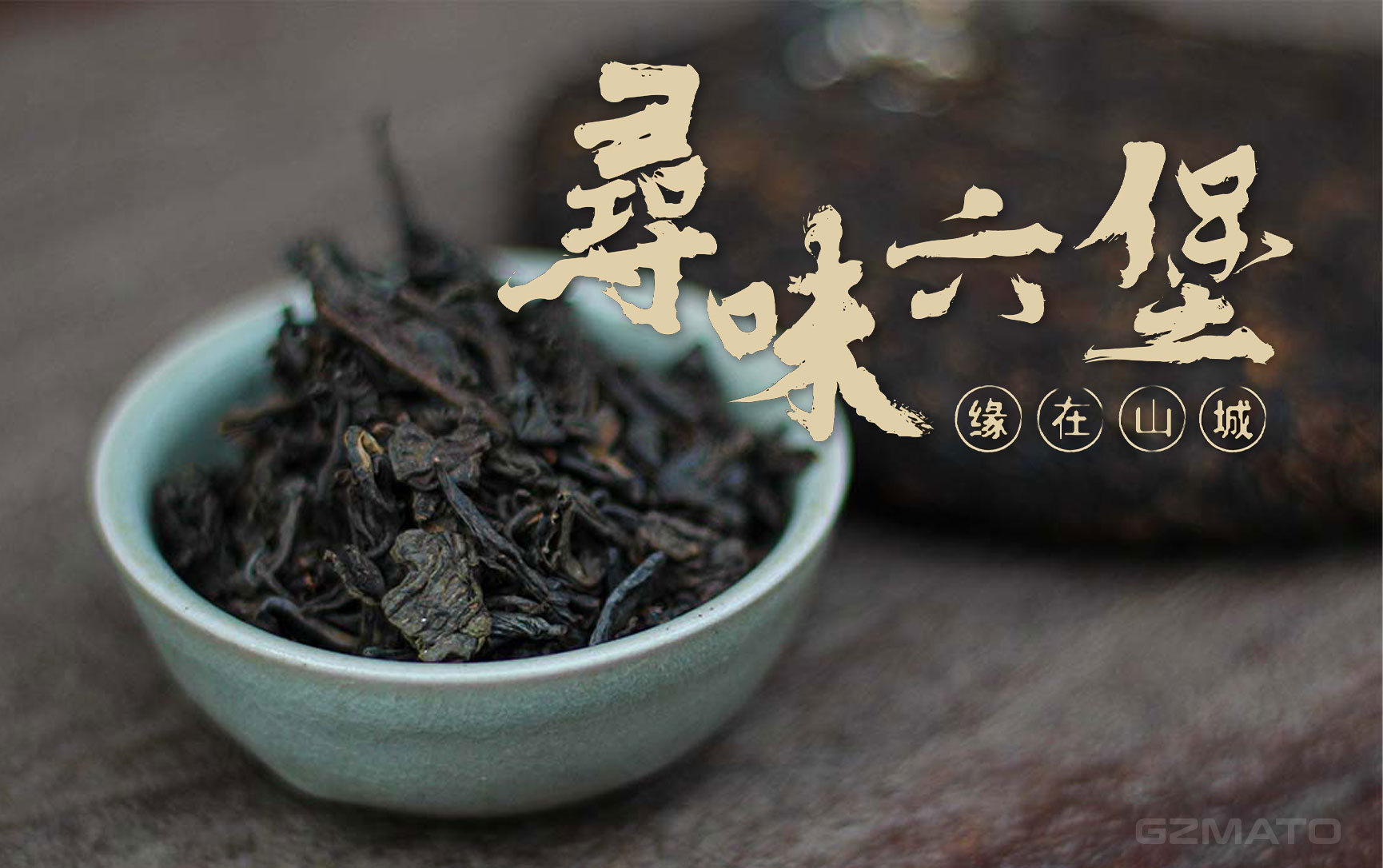
| Dark Tea (Pu-erh) | Post-fermented, contains tea brown pigments (theabrownins). | Lipid management (preliminary evidence); those who enjoy earthy, aged flavors. |
There is no single "healthiest" tea. Black tea showed the most consistent cardiovascular benefit in this study, but green tea, white tea, and oolong all have their own merits. The best tea is the one you enjoy drinking regularly—at a moderate strength and a safe temperature.
Key Takeaways
| # | What You Need to Know About Tea and Heart Health |
|---|---|
| 1 | Regular tea drinking is linked to an 11% lower cardiovascular risk — based on a 9-year study of 486,000 Chinese adults. |
| 2 | Black tea showed the most consistent benefit across cardiovascular disease subtypes, followed by green tea. |
| 3 | Warm tea is protective; burning hot tea is harmful — very hot tea was associated with a 16% higher cardiovascular risk and a threefold increase in esophageal cancer risk. |
| 4 | Moderate strength is optimal — very strong tea loses its protective effect and may cause side effects from excess caffeine. |
| 5 | 6–8 cups per day is the observed optimal range, but any regular consumption shows benefit. 5–10 grams of tea leaves daily is a reasonable target. |
| 6 | The lifestyle combination matters most — regular tea + no smoking + high physical activity = 45% lower risk. |
| 7 | Tea is not a substitute for medical treatment — if you have cardiovascular disease or risk factors, continue prescribed medications and consult your doctor. |
Looking for High-Quality Tea?

Discover the rich heritage of Sanhe (三鹤) Liupao Tea, direct from China's premier time-honored tea factory in Wuzhou, Guangxi.
Authentic Dark Tea | Direct from Wuzhou | Premium Aging Potential
Whether you are a tea enthusiast looking to experience authentic Chinese dark tea or a business seeking reliable wholesale sourcing, we've got you covered.
Explore Sanhe Liupao Tea Collection →- Journal of Internal Medicine — Habitual tea consumption and cardiovascular disease risk (doi:10.1111/joim.70172)
- Health Times (健康时报) — Detailed breakdown of the five key findings, tea types, and expert recommendations
- University of Oxford — Hot drinks and oesophageal cancer risk in ~1 million UK adults
- Prevention — Cardiologist commentary on the cardiovascular findings


- tea heart health
- tea cardiovascular risk
- black tea benefits
- green tea heart
- how much tea to drink
- Sanhe Liupao tea
- buy dark tea
- Gzmato