SLMs and RAG: The Next Evolution of Enterprise AI
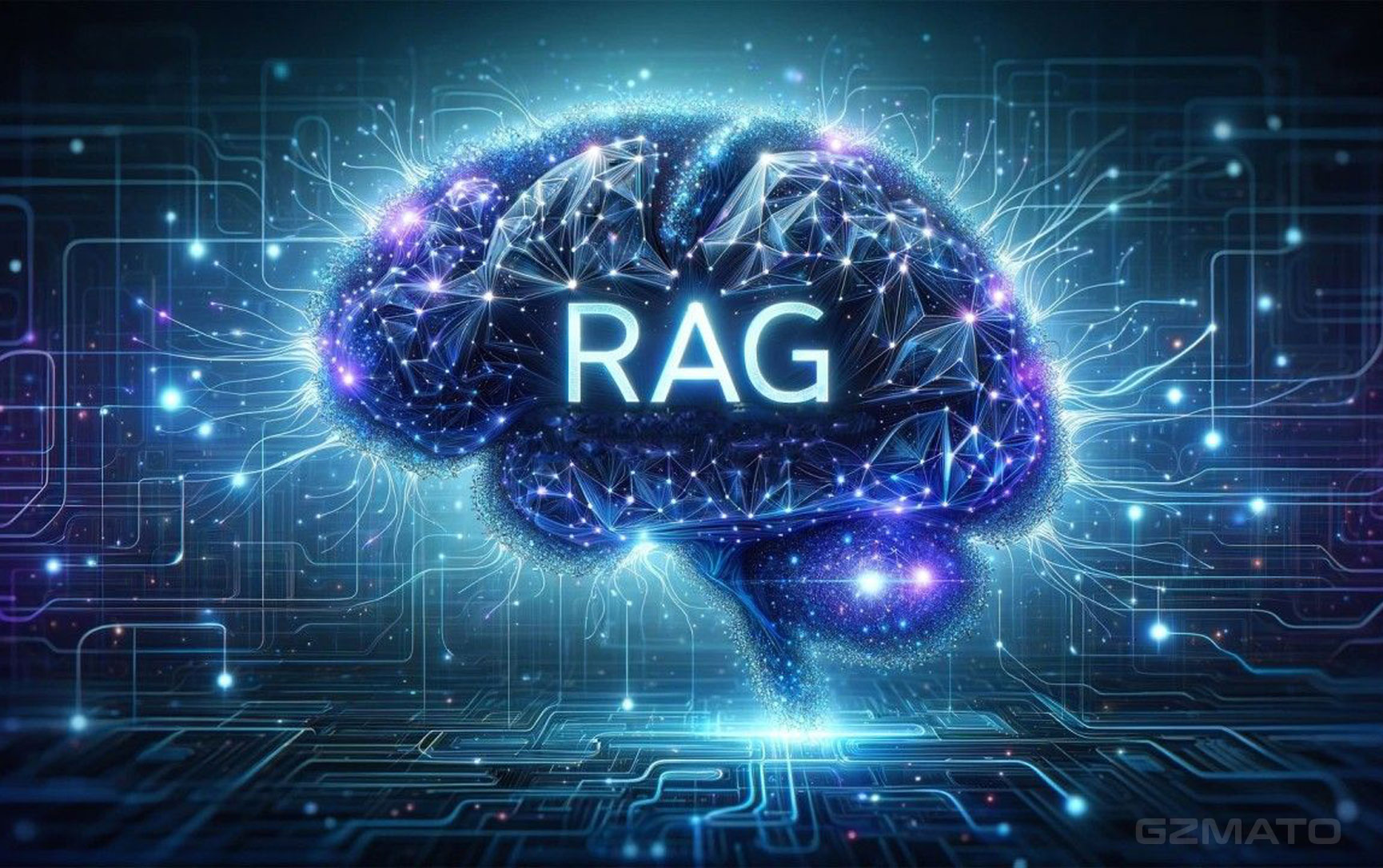
The enterprise adoption of Generative AI is moving past proof-of-concept and into production, driven by the need for efficiency and data privacy. The industry is currently witnessing a significant shift: a pivot from relying solely on monolithic Large Language Models (LLMs) towards utilizing specialized Small Language Models (SLMs) in combination with Retrieval-Augmented Generation (RAG) architectures. This hybrid approach promises faster, cheaper, and more precise AI applications, fundamentally reshaping how companies build their knowledge solutions.
This article explores the core advantages of this SLM-RAG synergy and its implications for modern enterprise technology strategy.
1. The SLM Advantage: Efficiency, Cost, and Speed
SLMs, typically models with parameter counts between 1 billion and 10 billion, are not intended to replace foundational LLMs, but rather to optimize specific tasks within the RAG pipeline. Their smaller size offers three critical advantages in production environments:
- Reduced Latency: Inference time is drastically reduced, enabling near real-time responses necessary for customer-facing applications and high-frequency trading systems.
- Lower Operational Costs: Running SLMs requires significantly less computational power (fewer GPUs or TPUs), lowering cloud compute bills by up to 80% compared to models like GPT-4 or Gemini Ultra.
- Edge Deployment: SLMs can be effectively deployed on local, on-premise, or even edge devices, a requirement for industries like manufacturing, telecommunications, and field operations where data sovereignty is paramount.
2. RAG Optimization: Specialization and Pre-Processing
In a refined RAG pipeline, the workload is intelligently split. The massive LLM handles complex, high-level reasoning, while SLMs are deployed for critical pre- and post-processing steps:
| RAG Component | SLM Role | Benefit to Output Quality |
|---|---|---|
| Query Transformation | Rewriting ambiguous user queries into precise search terms for the vector database. | Up to 25% improvement in retrieval relevance (Recall). |
| Context Re-ranking | Filtering and scoring the top N retrieved documents for relevance before feeding them to the main LLM. | Significantly reduces hallucination risk by eliminating spurious context. |
| Response Quality Check | Fact-checking the final output against the source documents. | Ensures the final answer is fully grounded and compliant. |
By leveraging fine-tuned SLMs for these specialized tasks, the overall RAG system becomes more robust and less prone to injecting irrelevant or contradictory information.
3. The Regulatory and Privacy Imperative
Data governance and compliance are driving the need for smaller, localized models. Unlike public cloud LLMs, SLMs deployed via RAG on a company's private cloud or internal network offer a critical privacy guarantee:
- Zero Data Movement: Sensitive, proprietary, or regulated data never leaves the corporate network to train or perform inference on the main model.
- Auditability: Because the entire process—from retrieval to generation—is executed within a controlled environment, auditing the data flow and ensuring regulatory compliance (e.g., GDPR, HIPAA) is vastly simplified.
- Custom Security Layers: It allows organizations to embed custom security and moderation layers directly into the model's environment, tailored to their specific risk profile.
Summary and Next Steps
Conclusion Summary:
The integration of SLMs into RAG is not just a performance tweak; it is the blueprint for scalable, cost-effective, and private enterprise AI. This architecture transforms AI applications from expensive, centralized experiments into efficient, localized business solutions.
Suggestions for Follow-up:
Would you like to explore the specific technical challenges of setting up a multi-model RAG pipeline, particularly concerning data chunking strategies for vector databases, or should we focus on a comparative cost analysis between SLM and LLM inference for a typical 100,000-query daily workload?


- SLM
- RAG
- Small Language Models
- Enterprise AI
- LLM
- Generative AI
- MLOps