
EU's AI Act Takes Effect: How Big Tech's Reprieve Could Reshape Global Regulation in 2025
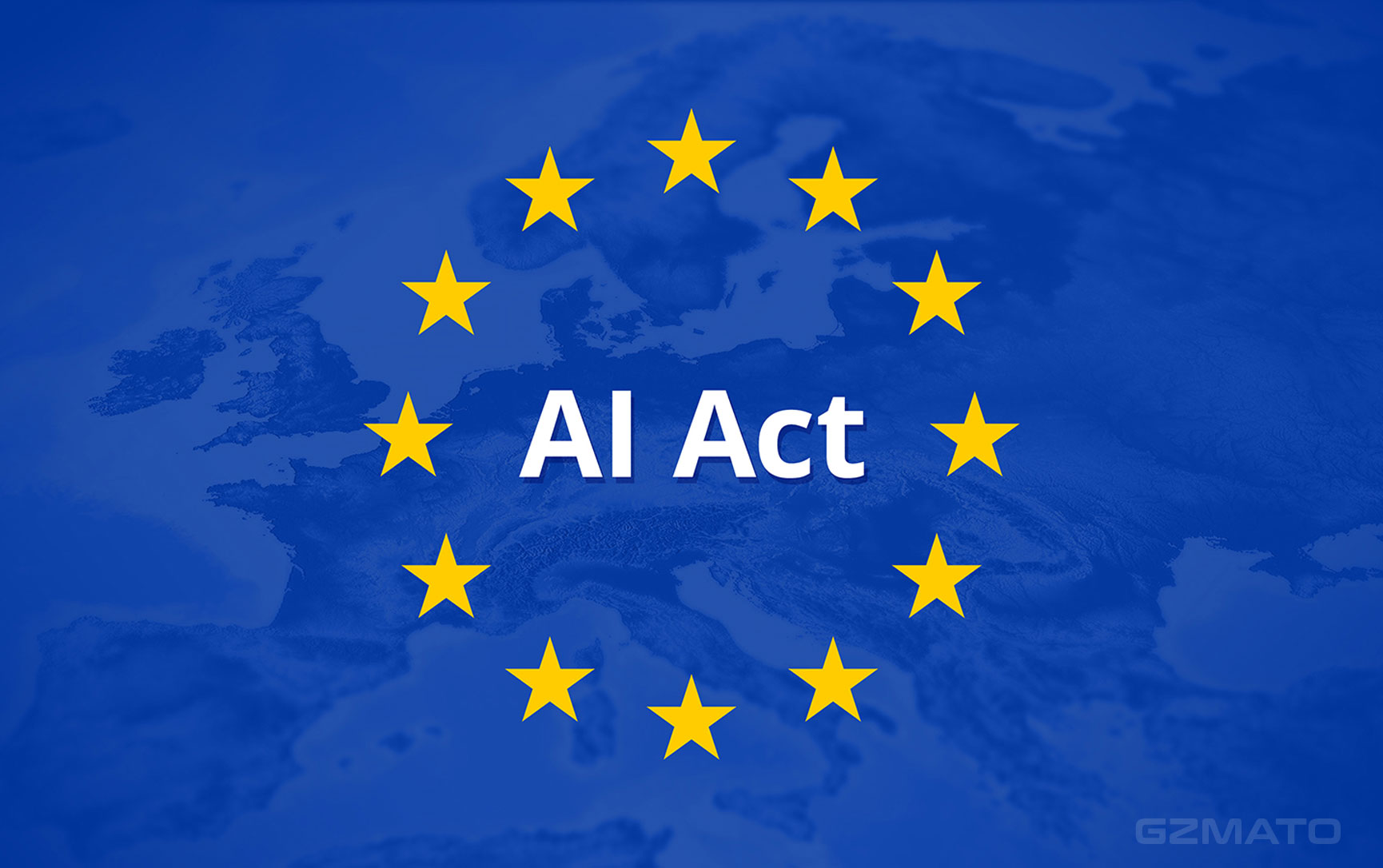
The EU's landmark AI Act officially kicked in on November 2, 2025, marking the world's first comprehensive AI law. But a leaked EU document suggests Big Tech might get a breather: proposed easings could delay high-risk AI rules for two years, sparking debate on whether it's a pragmatic pivot or regulatory retreat. As the U.S. and China watch closely, this could set the global tone for AI governance, balancing innovation with safety.
The Act classifies AI by risk: "unacceptable" systems (e.g., social scoring) banned immediately, while "high-risk" ones (facial recognition, hiring tools) face audits. Fines up to €35 million or 7% of revenue loom for violators. The document, seen by Reuters, proposes exemptions for startups and extensions for compliance, potentially softening the blow for companies like OpenAI and Meta.
The Leaked Document: What's Changing?
Sources say the EU Commission is mulling adjustments amid industry pushback. Key proposals:
| Change | Details | Impact |
|---|---|---|
| Delay for High-Risk AI | 2-year grace period for audits | Gives firms time to adapt, but critics say it weakens safeguards |
| Startup Exemptions | Smaller AI devs skip full reporting | Boosts EU innovation, but risks uneven enforcement |
| General-Purpose AI | Lighter rules for models like GPT | Aligns with U.S. flexibility, easing global compliance |
The tweaks come after lobbying from the AI Alliance, but privacy advocates like NOYB warn it could "gut the Act's teeth."
Global Ripple: U.S. Lags, China Races Ahead
The EU leads, but the U.S. remains fragmented—Biden's 2023 executive order pushes voluntary guidelines, while states like California eye their own laws. China, meanwhile, enforces strict AI rules but prioritizes state tech like Baidu's Ernie, blending censorship with supremacy.
For businesses: EU compliance could become a "gold standard", pressuring global firms. Consumers? Better transparency on AI decisions, from loan approvals to job screenings.
As Commission VP Margrethe Vestager noted, "AI must serve people, not the other way around." But with elections looming, will politics dilute the law?
What We Thought: A Reprieve or Retreat?
The easings are pragmatic—rushing rules risks stifling Europe's AI edge. But it underscores the tension: innovation vs. ethics. We're optimistic: even softened, the Act forces accountability. Watch for U.S. responses—could spark a transatlantic standard.
Important: This is based on leaked documents and official statements as of November 2025. Final rules may change.


- EU AI Act 2025
- AI regulation Europe
- Big Tech AI exemptions
- high-risk AI rules
- global AI governance










Your view?
Smart flexibility or too lenient? Comment below!