Tesla Cybercab: No Steering Wheel, No Pedals — Now on the Road, Coming to China
- Tesla Cybercab: No Steering Wheel, No Pedals — Now on the Road
- Austin Launch: 45 Cybercabs Begin Operations
- China Debut: Beijing, Shanghai — Mid-September
- Inside the Cybercab: A Cabin Without a Driver
- The Economics: $0.20 Per Mile — One-Tenth of Today's Costs
- The Waymo Rivalry: 45 vs. 4,000
- Key Takeaways
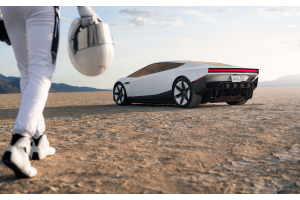
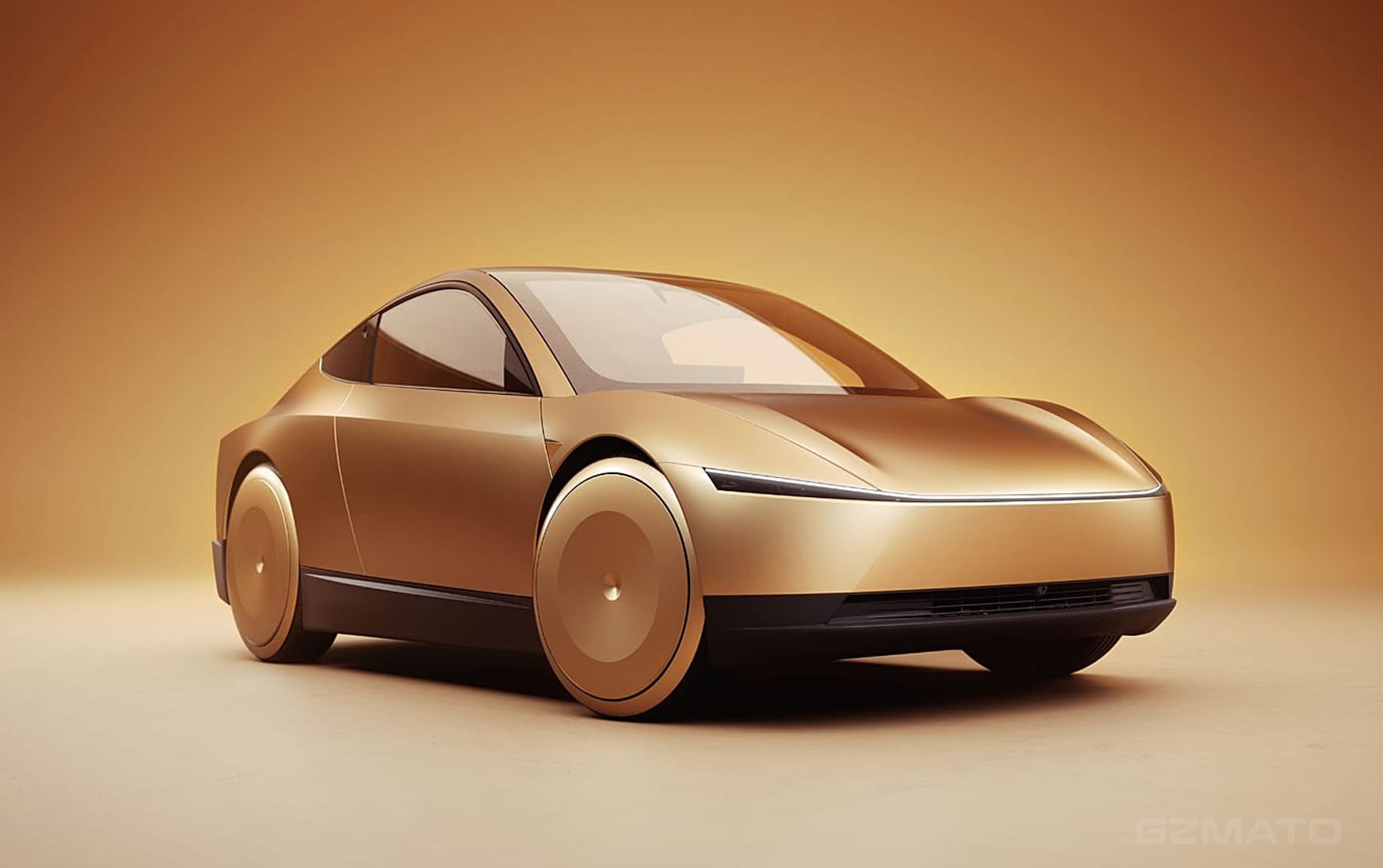
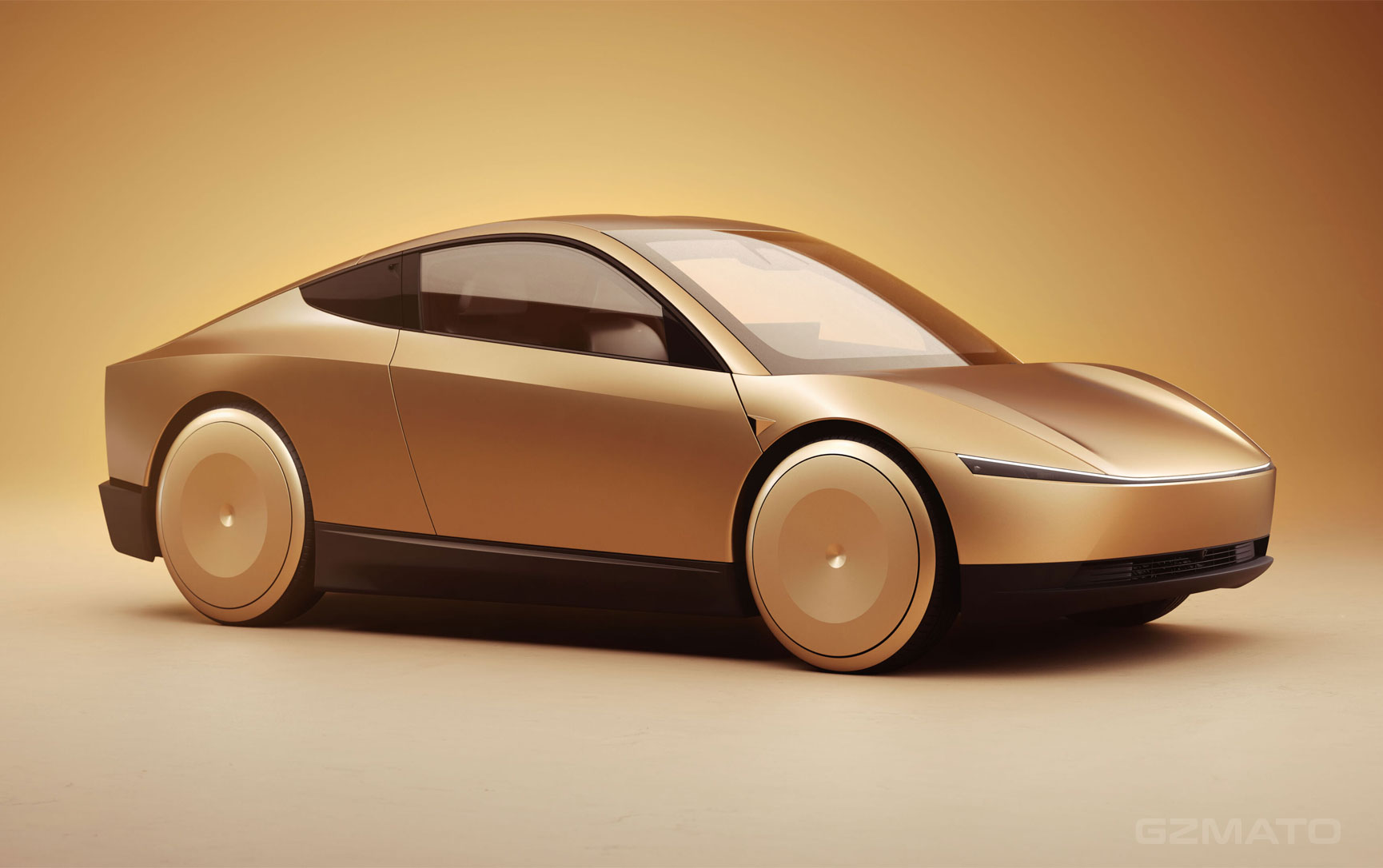
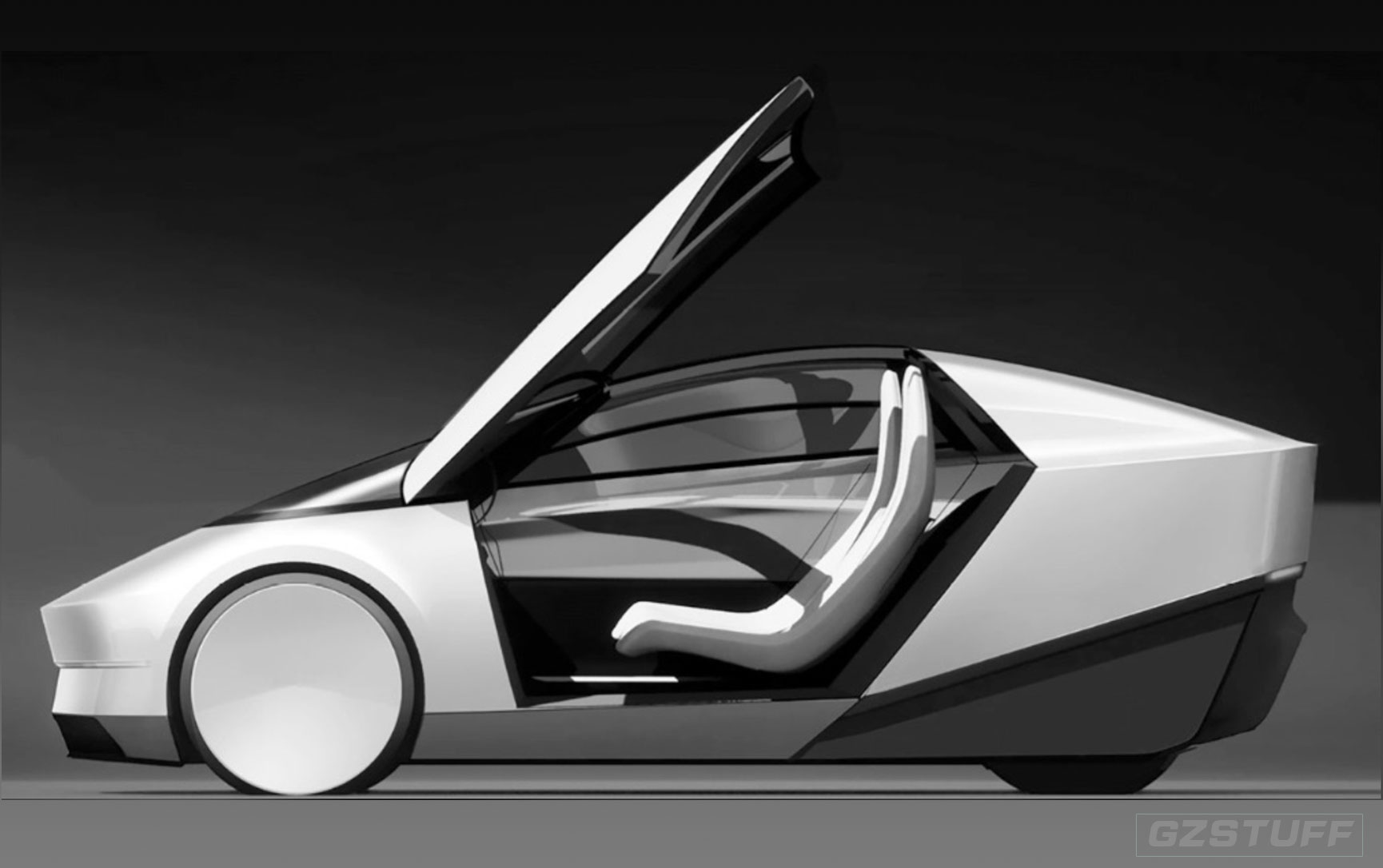
September 3, 2026 — A two-seat, gold-colored vehicle with no steering wheel, no pedals, and no rearview mirrors rolled onto the streets of Austin, Texas. It's called the Cybercab — and Tesla is betting it will redefine urban transportation .
After 18 months of development — from concept in October 2024 to mass production in April 2026 — the Cybercab is now operational in limited areas of Austin, making it the first purpose-built, fully autonomous vehicle with no manual controls available for public ride-hailing service .
And it's coming to China — as a showpiece, not a product launch. Tesla confirmed that the Cybercab will go on public display in Beijing, Shanghai, and several other cities starting in mid-September .
Austin Launch: 45 Cybercabs Begin Operations
Tesla officially announced the Cybercab's commercial deployment on September 3, with vehicles operating in limited areas of Austin . The company had registered 38 Cybercabs in August, bringing the total fleet to 45 vehicles .
Prior to the launch, the Cybercabs had been used primarily for employee test rides. Now, they're available to the public in Austin's limited service area . Passengers can request a ride through Tesla's app; the system assigns a vehicle based on availability and passenger count .
The Cybercab is built on Tesla's "Unboxed" manufacturing process, which allows different subassemblies to be produced in parallel before final assembly. Elon Musk has said the long-term production goal is to roll one vehicle off the line every 5 to 10 seconds .
Rather than assembling vehicles on a single production line, Tesla's "Unboxed" method builds subassemblies — like the Cybercab's battery pack and chassis — in parallel before final assembly. This approach reduces manufacturing complexity and could eventually cut production costs by up to 50% compared to traditional automotive manufacturing .
China Debut: Beijing, Shanghai — Mid-September
Tesla has confirmed that the Cybercab will make its Chinese public debut in mid-September, with displays planned in Beijing, Shanghai, and several other cities . This marks the first time the vehicle will be shown to the Chinese public .
The company emphasized that the events are "intended solely to showcase the vehicle's design and technology" . They do not involve Cybercab sales in China or indicate that Tesla plans to launch commercial robotaxi operations in the country .
China's regulatory framework for fully autonomous vehicles — particularly those without steering wheels — remains under development. Tesla's Cybercab would require specific approvals from multiple agencies before any commercial deployment could occur. The mid-September displays appear to be a preliminary step in building public awareness and engaging with regulators.
Inside the Cybercab: A Cabin Without a Driver
The Cybercab is not a modified Model 3 — it's a purpose-built vehicle designed from the ground up for driverless operation .
The vehicle uses Tesla's camera-only vision system, relying on an end-to-end neural network to make driving decisions. It does not use LiDAR or high-definition maps .
A passenger emergency stop button is available, though Tesla notes that this will cause the vehicle to pull over safely — not stop immediately in traffic .
The Economics: $0.20 Per Mile — One-Tenth of Today's Costs
Tesla's long-term cost target for Cybercab operations is $0.20 per mile — approximately one-tenth of the industry average .
That's about $0.12 per kilometer (roughly 0.8 RMB) at scale . For comparison, traditional ride-hailing services typically cost over $2 per mile .
The cost advantage comes from multiple factors:
- No driver — labor is eliminated from the cost structure
- Two-seat design — fewer seats means less weight and lower energy consumption
- High utilization — the Cybercab is designed to run continuously, unlike most private vehicles that sit parked 95% of the time
- Unboxed manufacturing — reduced production costs
- Wireless charging and automated cleaning — reduced maintenance overhead
Those $0.20/mile cost figures are long-term targets, not today's operating costs. With only 45 Cybercabs in service, Tesla is still in the early validation phase. The real economic case depends on scaling to thousands — or hundreds of thousands — of vehicles.
The Waymo Rivalry: 45 vs. 4,000
The Cybercab launch puts Tesla's autonomous vehicle strategy directly into competition with Waymo, which currently operates more than 4,000 driverless vehicles across 14 US cities and processes over 500,000 paid rides per week .
But the comparison isn't straightforward:
Morgan Stanley analysts set a $400 price target on Tesla stock ahead of the launch, noting that "if the event includes a meaningful rollout of unsupervised vehicles, we expect the stock to regain momentum" . Tesla shares rose more than 5% on September 3 following the announcement .
Key Takeaways
- 证券时报 / 人民财讯 — Cybercab Austin operations confirmed, China debut mid-September, no sales/commercial operations in China
- 腾讯新闻 / e公司 — Tesla domestic debut details, display cities, exhibition purpose
- CnEVPost — Fleet size (45 Cybercabs), specs, China debut, "Unboxed" manufacturing, cost targets
- 新华网 / 网易 — Cybercab announcement from Xinhua, no steering wheel/pedals, 45 vehicles registered, passenger emergency stop button
- 上游新闻 — Economics, Waymo comparison (4,000 vehicles, 500K weekly rides), vehicle cost advantage, cost per kilometer
- Edgen — Tesla vs Waymo comparison, 200+ unsupervised Model Y robotaxis, Morgan Stanley $400 PT, Pew/Gallup surveys, regulatory context
- NDTV Profit — Cybercab launch specifics, camera-only sensor suite, 380,000 unsupervised miles, safety concerns
- Tesla Cybercab
- robotaxi
- Austin launch
- self-driving taxi
- no steering wheel
- FSD
- Tesla China
- Beijing display
- Shanghai display
- Gzmato