The Ultimate Headphone Buyer's Guide 2024: Find Your Perfect Pair

Choosing the right pair of headphones can be a daunting task with so many different styles, features, and price points available. This comprehensive buyer’s guide will walk you through the key factors to consider when selecting headphones in 2024, so you can make an informed decision that fits your needs, preferences, and budget.
1. Key Types of Headphones
Headphones come in various designs, each suited for different use cases. Here's a quick overview:
- Over-Ear (Circumaural): Large, cushioned ear cups that fully cover the ears. Great for comfort, immersive sound, and noise isolation.
- On-Ear (Supra-aural): Smaller ear cups that sit on top of the ears. More compact and portable than over-ear models but may not be as comfortable for long sessions.
- In-Ear (Earbuds): Compact, portable, and ideal for exercising or commuting. They sit inside the ear canal, offering great noise isolation but can be less comfortable over long periods.
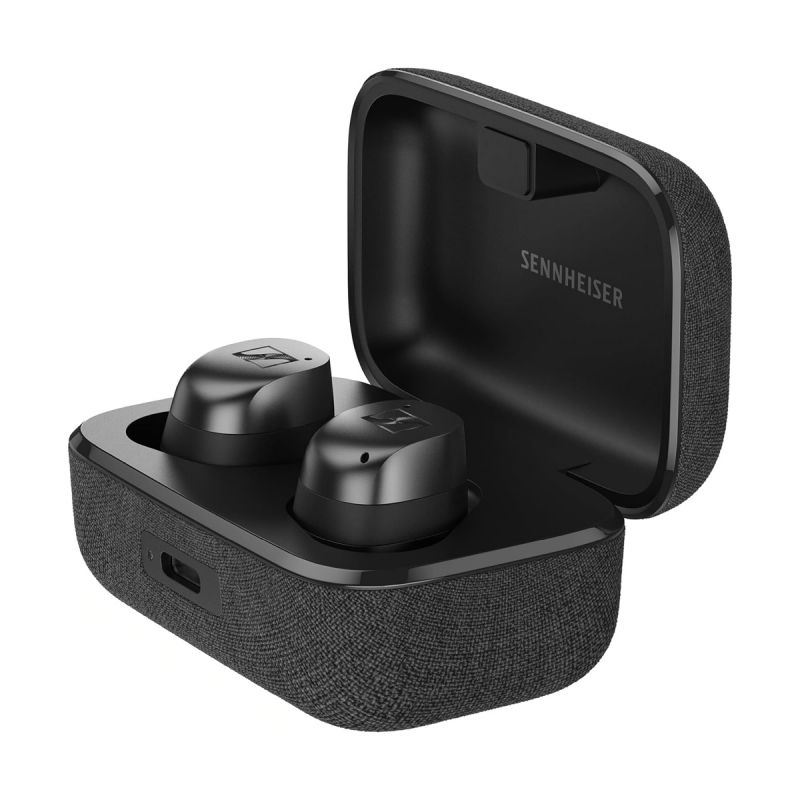
- True Wireless Earbuds (TWS): Completely wireless, with no cables at all. These are perfect for people who value portability and convenience. They come in a variety of styles, including sports, active noise-canceling, and premium sound.
- Open-Back vs. Closed-Back:
-
- Open-back headphones allow sound to flow in and out of the ear cups, creating a more natural, spacious sound, but they offer less noise isolation.
- Closed-back headphones isolate sound better, which is ideal for noisy environments or when you don’t want sound leaking out.
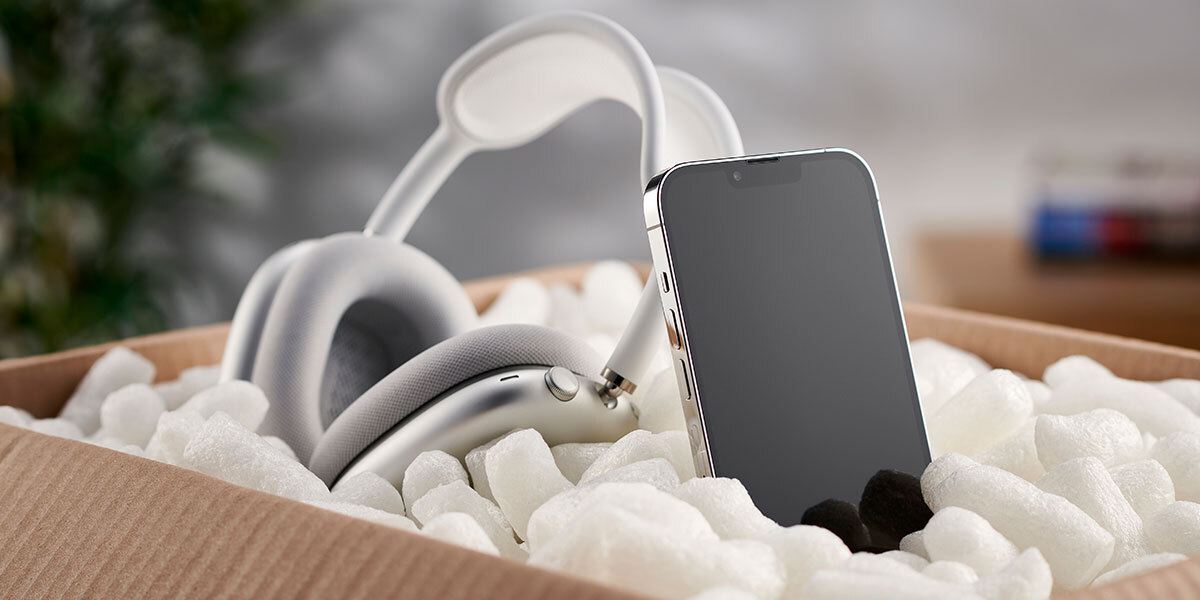
2. Important Factors to Consider
Sound Quality
- Frequency Response: The range of tones the headphones can reproduce. A wider range (e.g., 20Hz to 20kHz) is ideal for listening to different types of music, but the perceived quality will depend on other factors like tuning and driver quality.
- Drivers: The internal components that produce sound. Larger drivers (e.g., 40mm, 50mm) tend to provide richer bass and a fuller sound, but the tuning is just as important.
- Impedance: Low-impedance headphones (32 ohms) work well with mobile devices, while higher-impedance models (100 ohms+) need more powerful sources (e.g., amps, high-end audio players) to perform optimally.
- Soundstage and Imaging: This refers to how the headphones place sound in a 3D space. Open-back headphones typically offer a better soundstage, which is great for audiophiles and immersive music or gaming.
Comfort and Fit
- Ear Cushions and Padding: Look for soft memory foam or plush ear cushions that fit snugly but not too tightly. Over-ear headphones should enclose the ears fully, while on-ear models should not put too much pressure on the ears.
- Adjustability: Headbands should be adjustable to accommodate different head sizes.
- Weight: Lighter headphones tend to be more comfortable over long periods, especially for travelers or runners.
Noise Cancellation
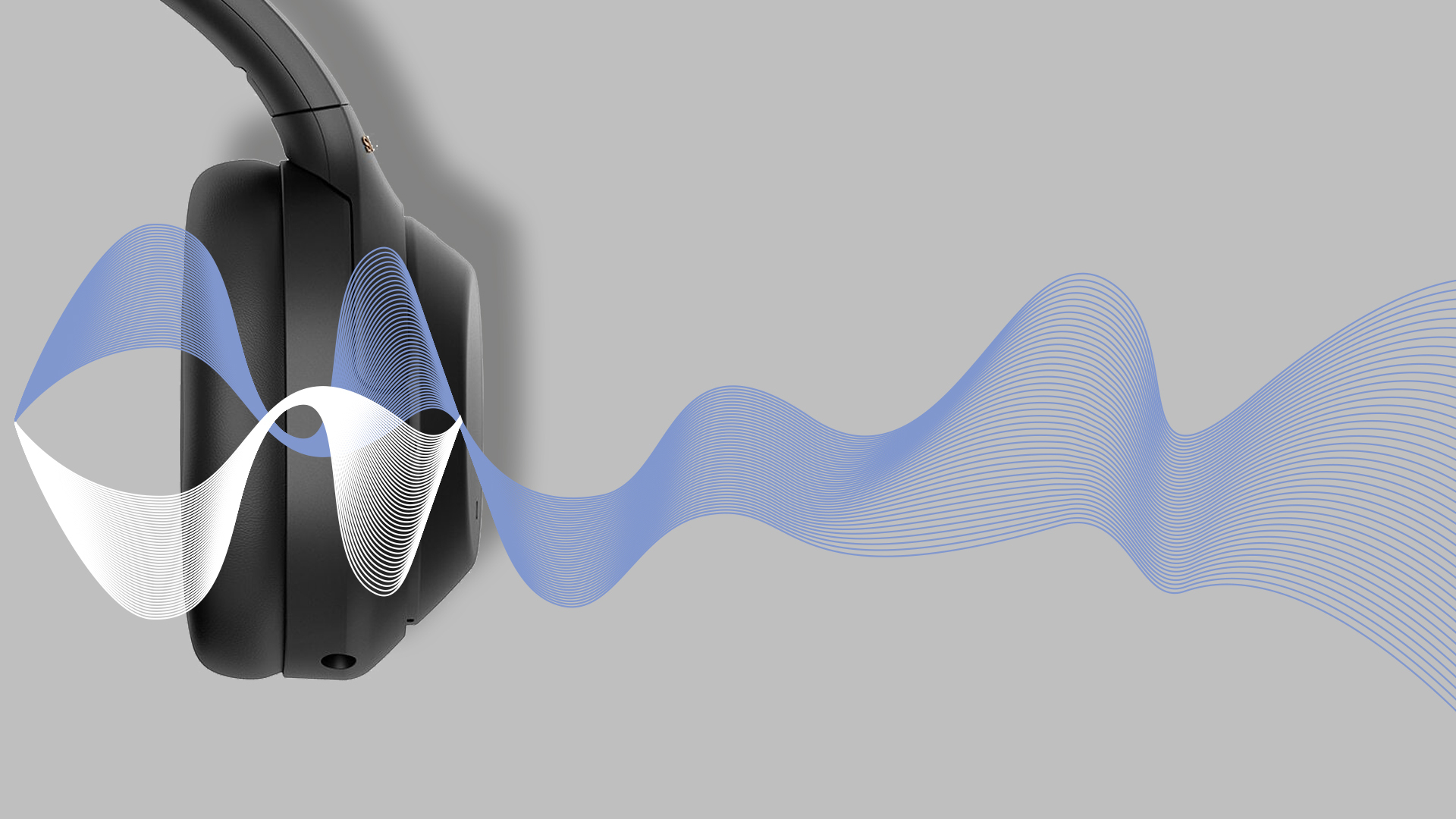
- Active Noise Cancelling (ANC): These headphones use microphones to pick up ambient noise and create opposing sound waves to cancel it out. Ideal for travel or noisy environments like the office.
- Passive Noise Isolation: Achieved by the physical design of the headphones (e.g., over-ear cups) that block out external sound. Not as effective as ANC, but still great for reducing distractions.
- Hybrid ANC: A combination of both active and passive noise isolation, offering a more effective solution in a wider range of environments.
Connectivity
- Wired vs. Wireless:
- Wired headphones tend to provide better sound quality and don't need charging, but they can be less convenient for on-the-go use.
- Wireless headphones are more versatile, with Bluetooth as the standard for connectivity, offering freedom from cables.
- Bluetooth Version: Bluetooth 5.0 or later offers better range, faster pairing, and improved audio quality. Many high-end models also support aptX or LDAC for higher-quality audio over Bluetooth.
- Battery Life: Wireless headphones can have significantly varying battery life. Top models can last 20-40 hours on a full charge, with some supporting fast charging (e.g., 15 minutes of charging for 2 hours of use).
- USB-C vs. Micro-USB: USB-C is becoming the industry standard for charging due to its faster charging speeds and reversibility.
Additional Features
- Touch Controls: Some high-end wireless headphones feature touch-sensitive surfaces for volume control, track navigation, and calls.
- Voice Assistants: Many modern headphones come with built-in support for voice assistants like Siri, Google Assistant, or Alexa, allowing hands-free control.
- Sweat/Water Resistance: If you're a runner, gym-goer, or traveler, look for an IPX-rated pair (IPX4 or higher) for water and sweat resistance.
- App Integration: Some premium headphones offer apps for sound customization, like EQ settings or noise-canceling adjustments.
3. Top Headphone Picks for 2024
Best Overall Headphones:
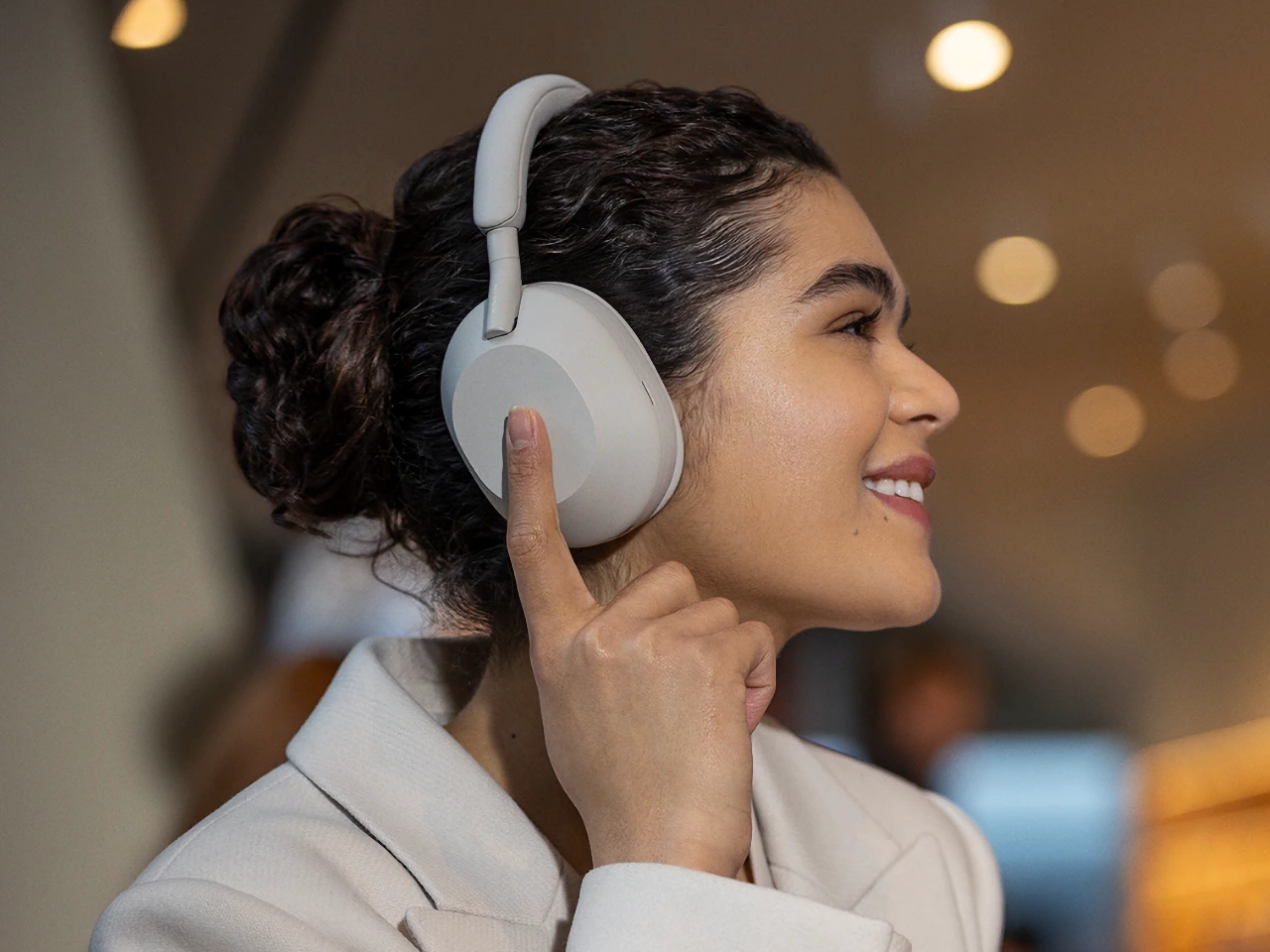
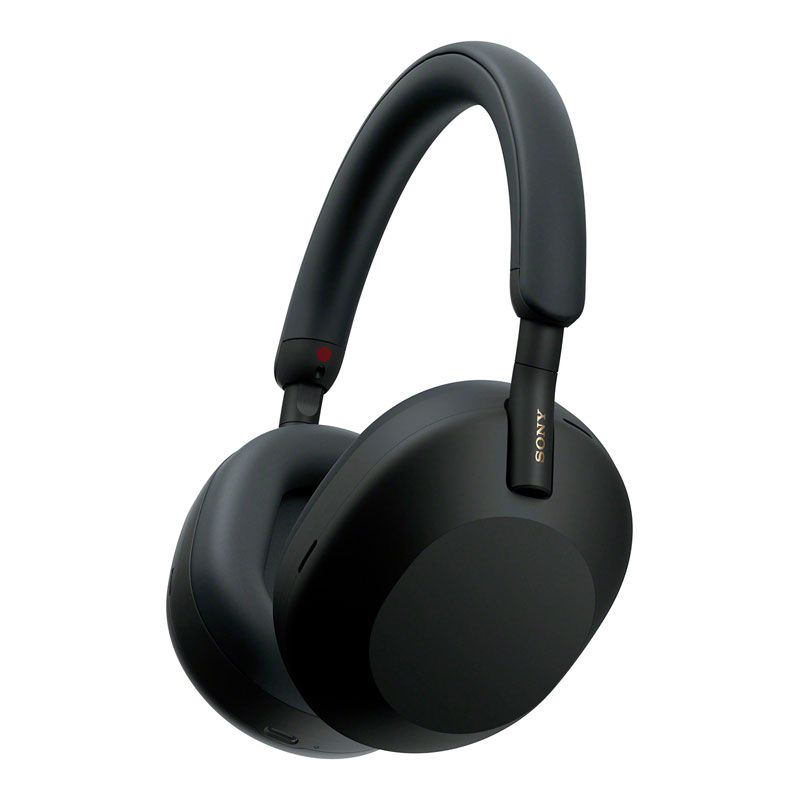
Sony WH-1000XM5 (Over-Ear)
- Industry-leading noise cancellation
- Superb sound quality with customizable EQ
- Comfortable fit for long listening sessions
- 30+ hours of battery life
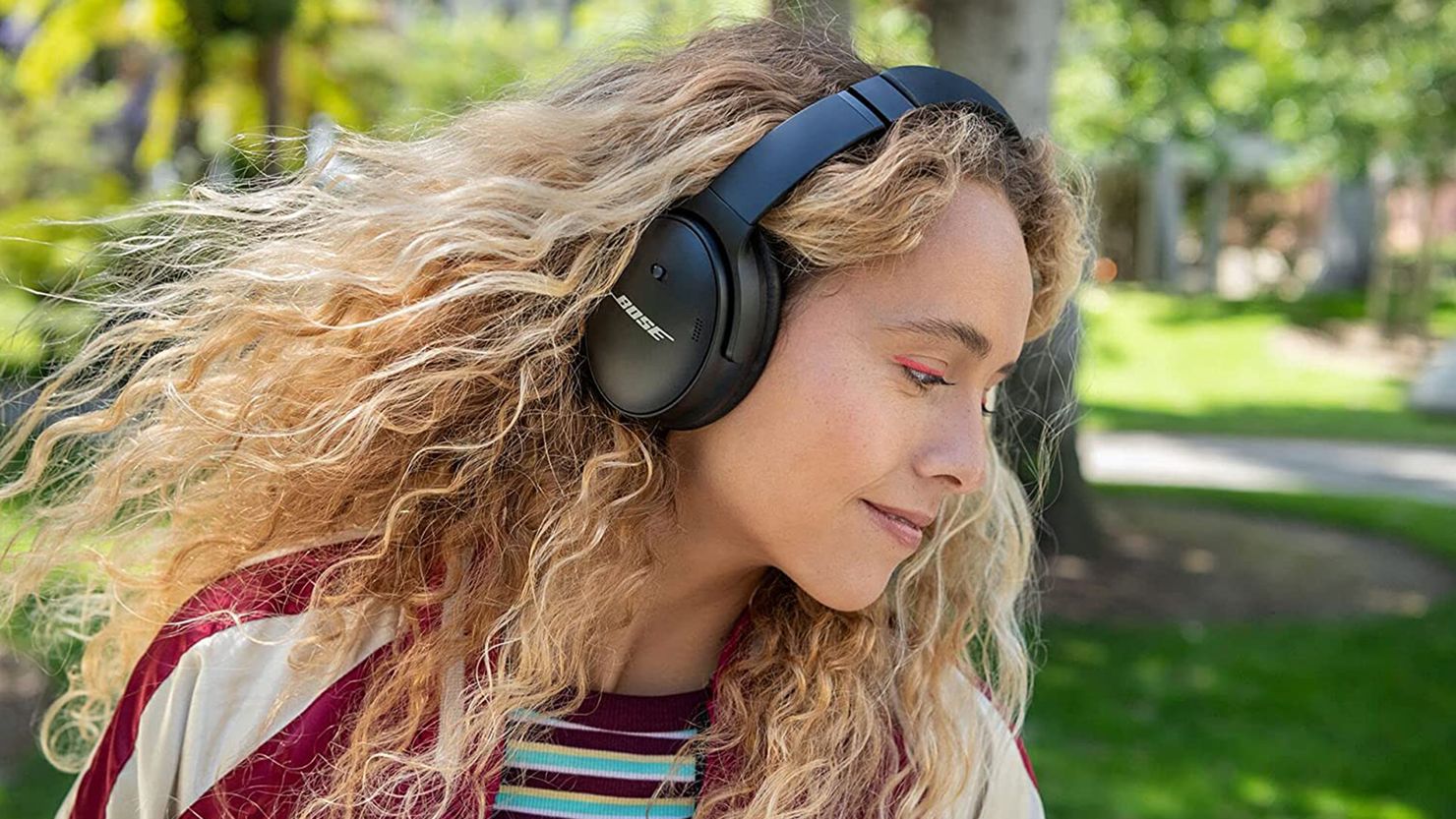
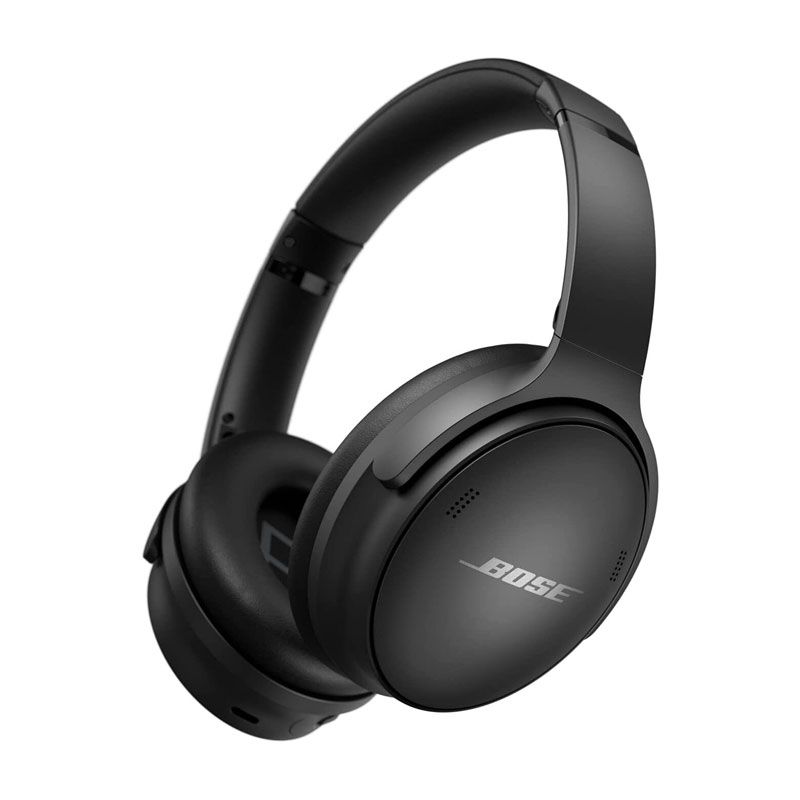
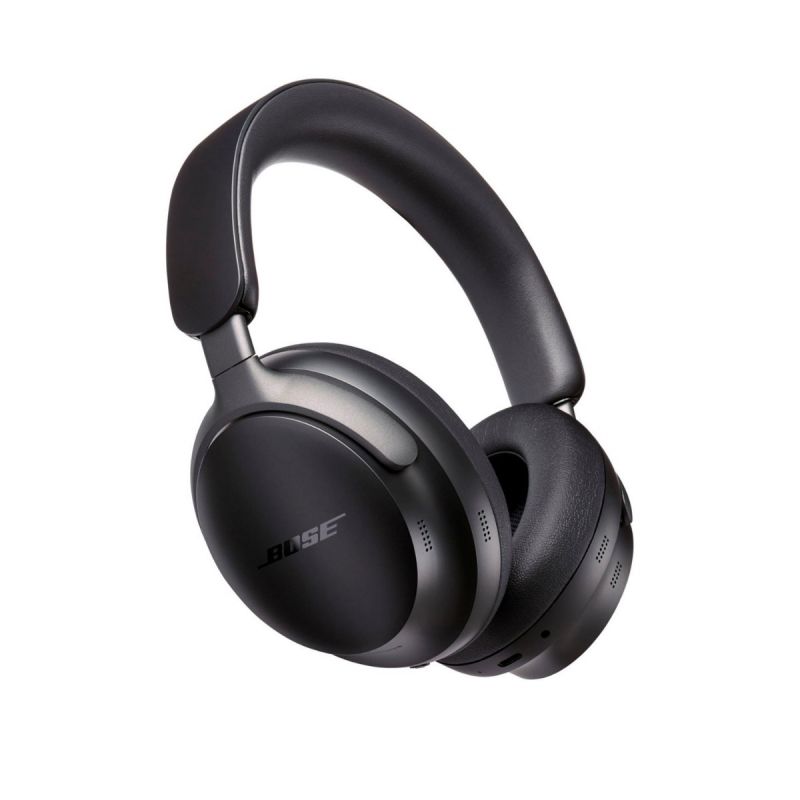
Bose QuietComfort 45 (Over-Ear)
- Excellent noise cancellation
- Balanced, natural sound signature
- Lightweight and extremely comfortable
- Long battery life
Best for Audiophiles:
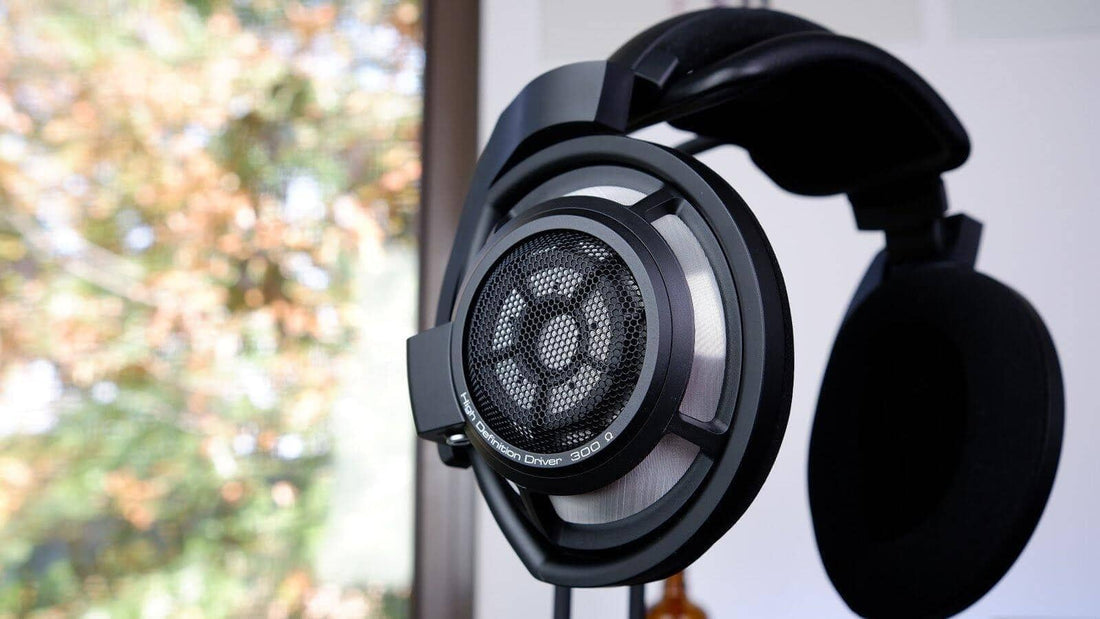
Sennheiser HD800S (Over-Ear, Open-Back)
- Exceptional soundstage and clarity
- Expensive, but highly detailed sound
- Not portable, requires a good DAC/amp setup
Focal Utopia (Over-Ear, Open-Back)
- Detailed, expansive sound with a rich bass response
- Extremely comfortable
- Very high price point (luxury)
Best Noise-Canceling Headphones:
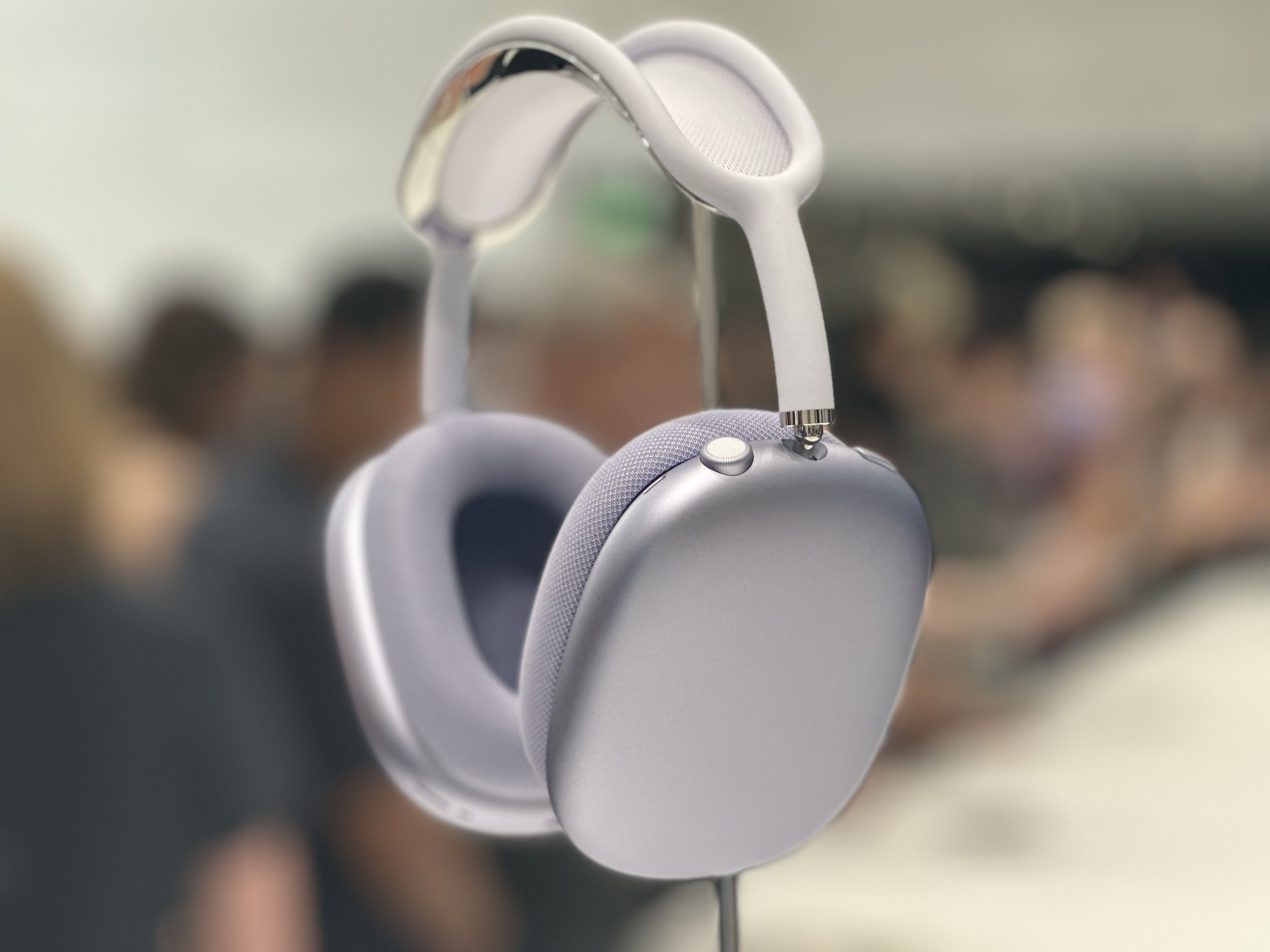
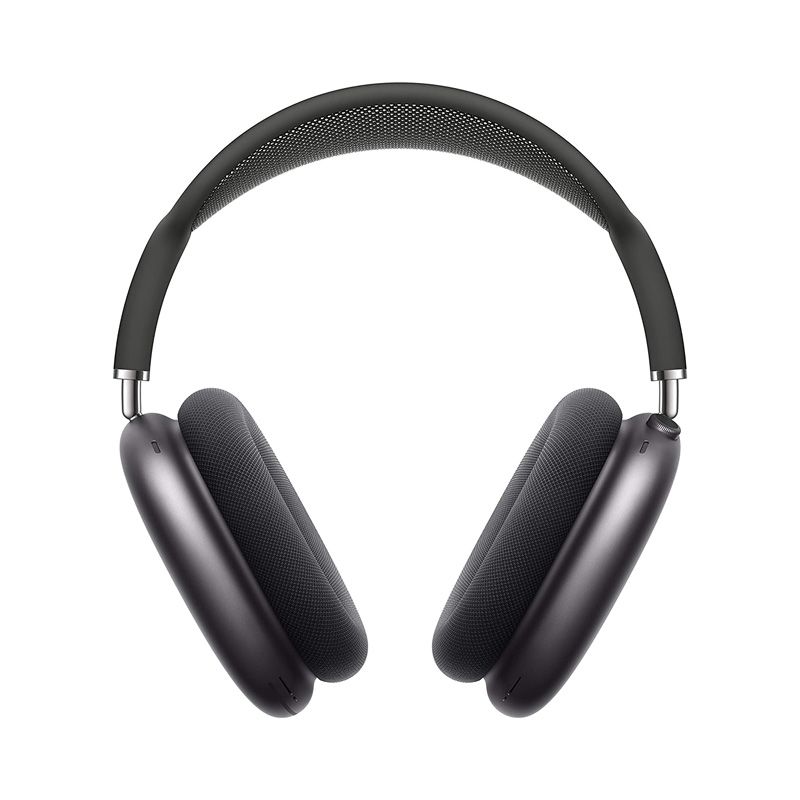
Apple AirPods Max (Over-Ear, Wireless)
- Best-in-class noise cancellation
- Apple ecosystem integration
- Excellent sound quality
- Heavy, expensive
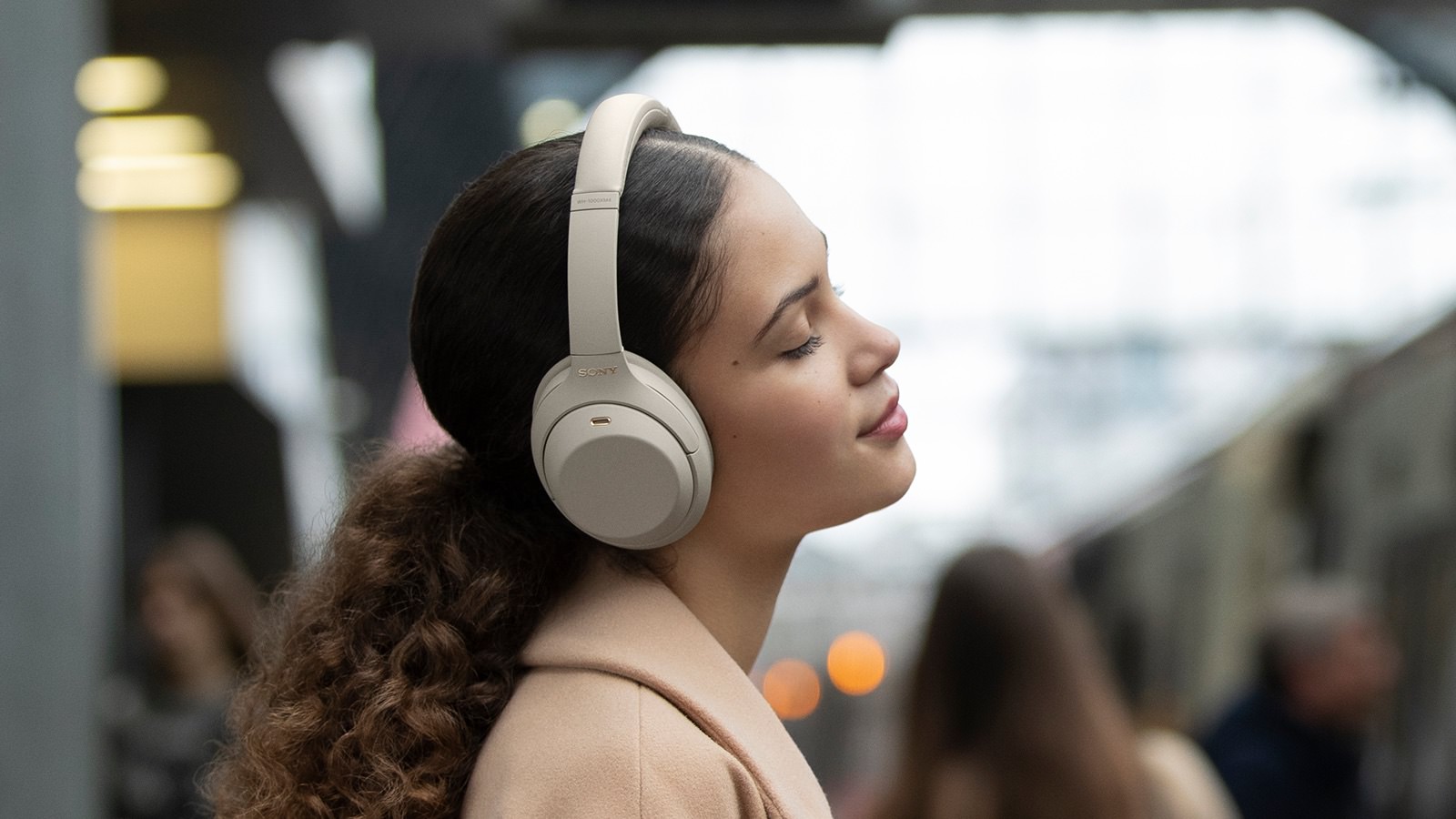
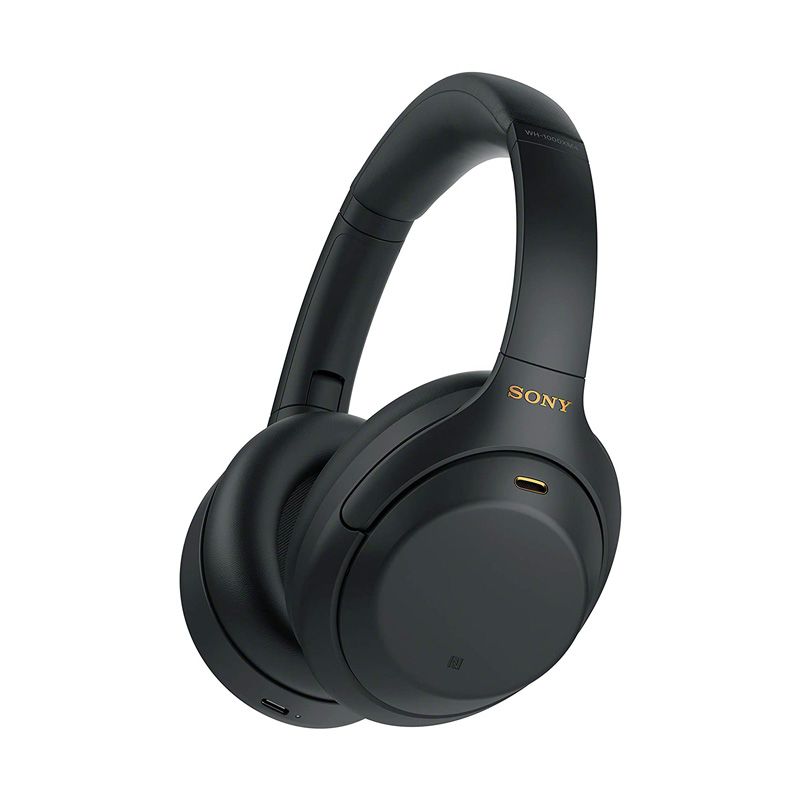
Sony WH-1000XM4 (Over-Ear, Wireless)
- Top-tier ANC performance
- Comfortable, long-lasting battery
- Highly customizable sound via app
Best True Wireless Earbuds:
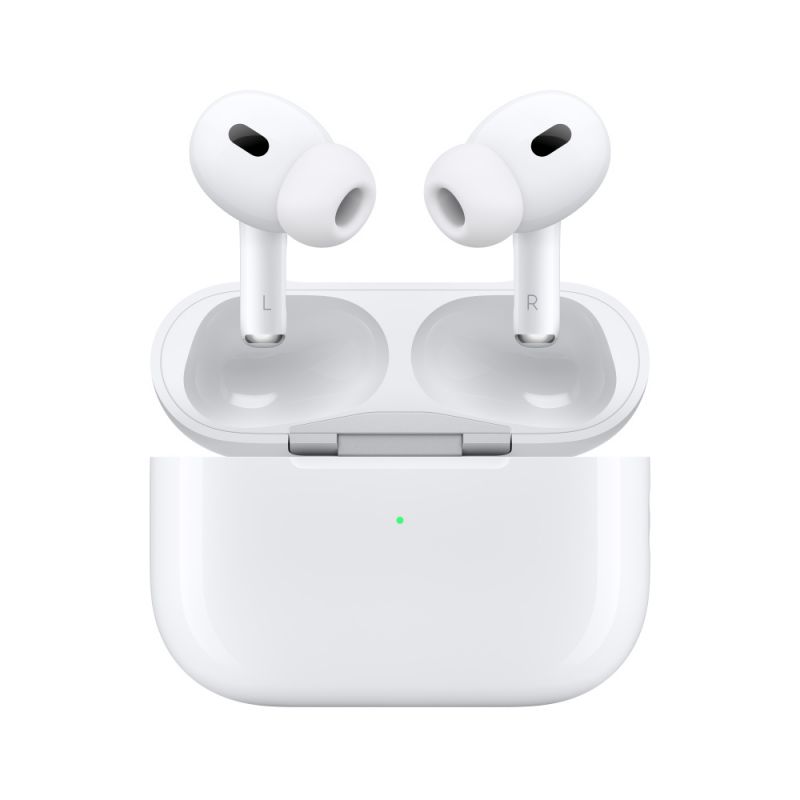
Apple AirPods Pro 2 (TWS)
- Active noise cancellation and transparency mode
- Excellent sound quality and bass response
- Compact and lightweight design
- Seamless integration with Apple devices
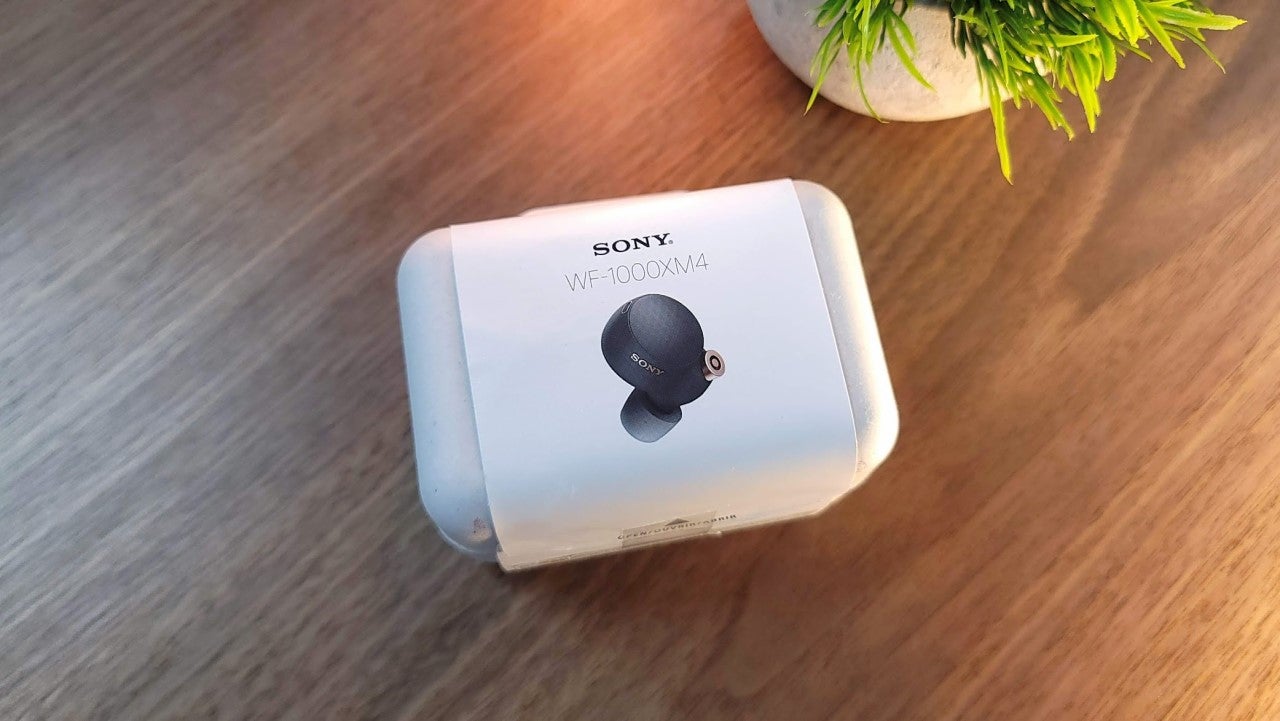
Sony WF-1000XM4 (TWS)
- Best-in-class sound quality and ANC
- Compact, lightweight design
- 8 hours of battery life with ANC on
Best Budget Headphones:
Anker Soundcore Life Q30 (Over-Ear)
- Solid ANC for the price
- Good sound quality
- Comfortable for long listening sessions
- Affordable
JBL Tune 125TWS (True Wireless)
- Good value for money
- Solid sound quality and reliable Bluetooth connection
- Decent battery life at an affordable price
4. Final Tips for Choosing the Right Headphones
- Purpose: Are you using the headphones for travel, work, sports, or home listening? Your intended use will heavily influence your choice.
- Budget: Set a price range and look for headphones that give the best value within your budget. Higher-end models often come with better sound and features, but budget models can still offer good quality for everyday use.
- Sound Preferences: Some people prefer bass-heavy sound, while others want a more neutral or treble-focused sound. Look for headphones that match your preferences, and if you can, try them before you buy.
- Brand Reputation: Brands like Sony, Bose, Sennheiser, and Apple have a reputation for high-quality headphones, but newer brands like Anker, Jabra, and Soundcore offer great value too.
By considering these key factors—sound quality, comfort, features, and intended use—you can narrow down your options and find the best headphones for your needs in 2024. Happy listening! Please contact us before your purchase if any questions you need to know.


-
 -41%
Bose QuietComfort 45 Bluetooth Wireless Noise Cancelling HeadphonesAs low as $236.61 Regular Price $399.00
-41%
Bose QuietComfort 45 Bluetooth Wireless Noise Cancelling HeadphonesAs low as $236.61 Regular Price $399.00 -
-21%
Sony WH-1000XM5 Wireless Industry Leading Noise Canceling HeadphonesAs low as $314.99 Regular Price $399.00
-
-36%
Sony WH-1000XM4 Noise Canceling Overhead HeadphonesSpecial Price $220.99 Regular Price $348.00
-
-7%
AirPods Pro (2nd generation) with USB-C MagSafe Charging CaseSpecial Price $233.58 Regular Price $249.99
-
-12%
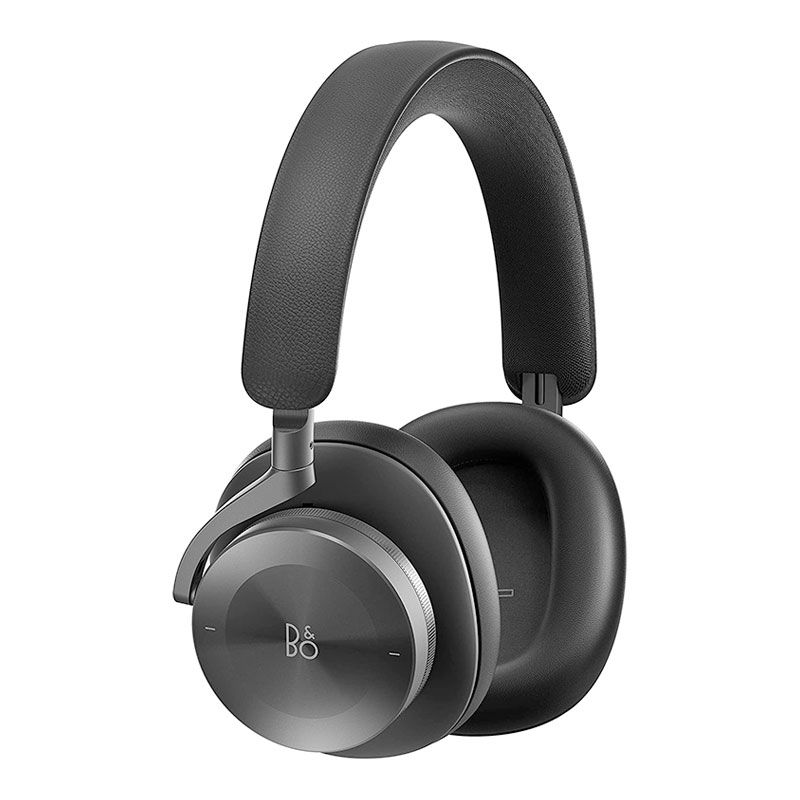
Bang & Olufsen Beoplay H95 Premium Comfortable Wireless Active Noise Cancelling (ANC) Over-Ear Headphones with Protective Carrying CaseAs low as $899.00 Regular Price $1,019.00
-
-14%
New Apple AirPods Max - Space GraySpecial Price $549.00 Regular Price $638.00
-
- headphone buyer's guide
- best headphones 2024
- noise canceling headphones
- wireless headphones
- over-ear headphones
- true wireless earbuds
- audiophile headphones
- best sound quality headphones
- headphones for running
- best budget headphones