AirPods Pro 3: Is Live Translation a Killer Feature, or Just a Glimpse of Apple Intelligence?
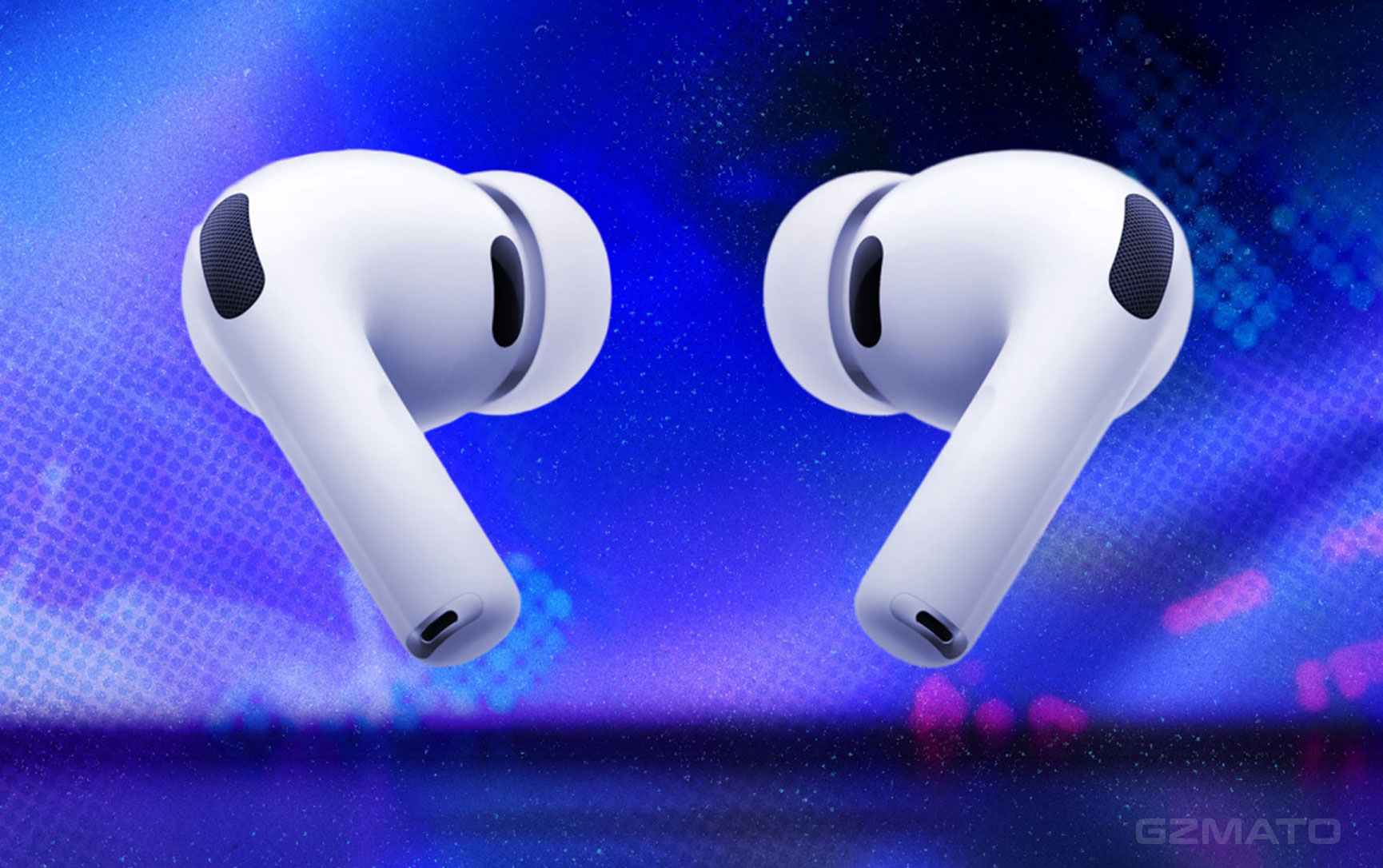
The launch of the AirPods Pro 3 generated significant buzz, largely driven by one headline-grabbing feature: Live Translation. This new capability promises to revolutionize on-the-go communication by providing real-time, in-ear translations. But an analysis of the fine print reveals that this feature is less about the new earbuds and more about Apple’s broader strategy.
The Allure of Live Translation
For most users, the promise of seamless, real-time translation is a dream come true. The idea of communicating across a language barrier without fumbling with a phone and a speaker is a powerful one.
"Live translation through the AirPods is brilliant. It makes so much sense. Finally, a wearable tech feature that feels like something out of a sci-fi movie." — Tech Forum User
User Concerns: The Missing Link
However, the excitement has been tempered by a key detail that has become the main point of discussion online: the feature's reliance on a new iPhone.
"Wait, so I need an iPhone 15 Pro or newer just to use the new translation feature on the AirPods Pro 3? What’s the point of upgrading the earbuds then?" — Social Media Commenter
This dependency addresses a core user concern: the value of the upgrade. For the Live Translation feature to work, the powerful Apple Intelligence engine must be running on a compatible iPhone.
The Real Debate: A Glimpse of Apple Intelligence
This isn't an AirPods feature; it's a showcase for Apple's new AI platform. By making the Live Translation feature available to older AirPods models (Pro 2 and AirPods 4) via a software update, Apple is sending a clear message: the earbuds are simply the conduit for the intelligence powered by the new A19 chip.
"This is a classic Apple move. They're using the AirPods as a Trojan horse to get us to upgrade our iPhones. The real product here isn't the headphones; it's Apple Intelligence and the new hardware that powers it." — Consumer Tech Analyst
This strategy shifts the user's focus from a hardware upgrade for a peripheral device to a compelling software-driven reason to buy the most profitable product in Apple’s lineup: the iPhone.
Who Should Upgrade? A User-Needs Analysis
When considering an upgrade, your decision should be based on your existing devices, not just the new translation feature.
- You Should Upgrade If: You are an iPhone user with very old AirPods (pre-Pro 2) and prioritize best-in-class noise cancellation, spatial audio, and sound quality.
- You Can Wait If: You already own AirPods Pro 2 or AirPods 4. Since the Live Translation feature will be available on your device via a software update, there is no pressing reason to upgrade. Your current AirPods will be more than capable of handling the new functionality.
Our Take
The AirPods Pro 3 are a remarkable piece of hardware, but the most innovative feature is a direct result of Apple’s broader AI strategy. The Live Translation capability is not a reason to upgrade your earbuds, but a compelling reason to consider upgrading your iPhone. This strategic move shows Apple is committed to integrating its new AI platform across its ecosystem, making the AirPods a perfect gateway to its next-generation intelligence.
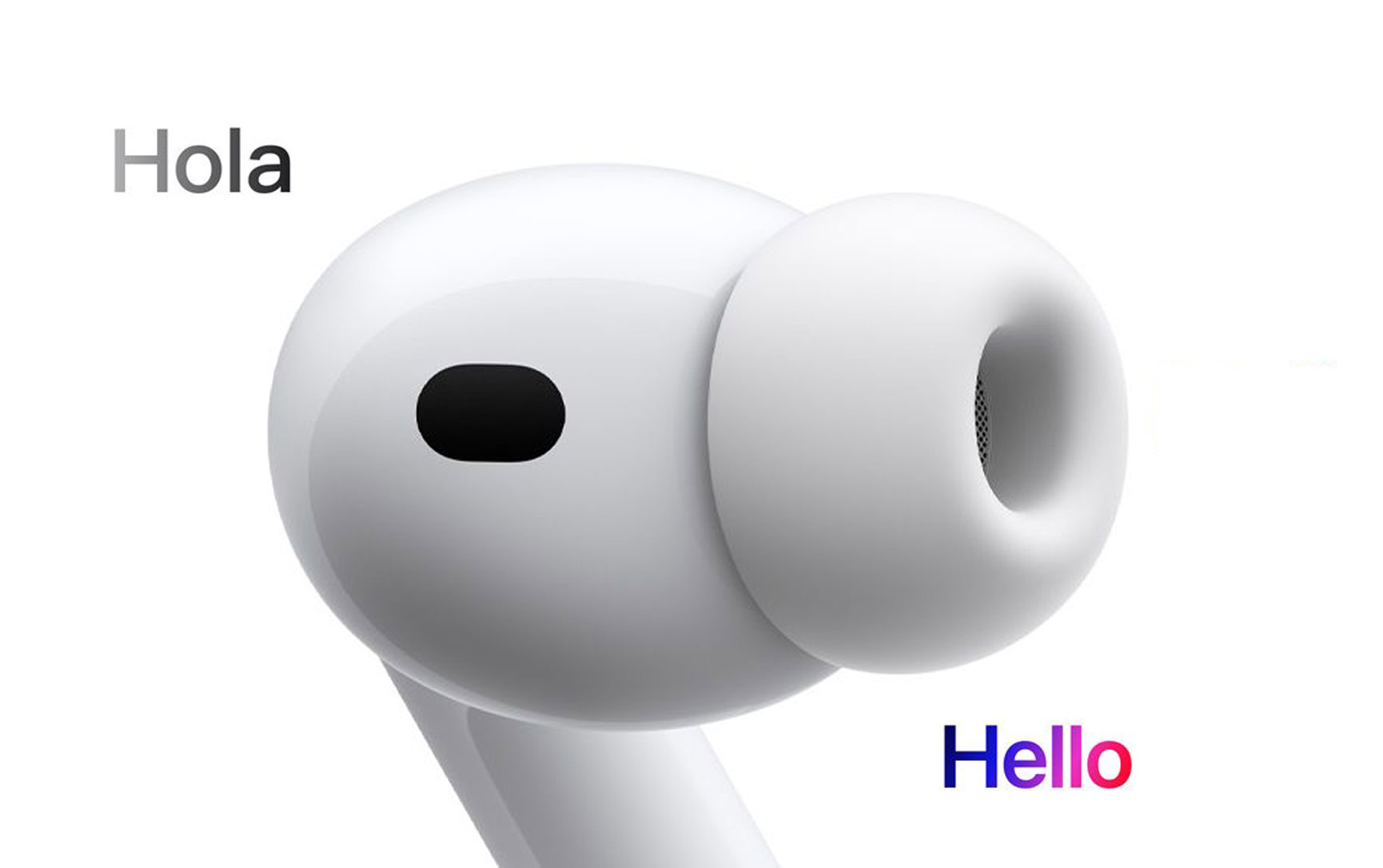
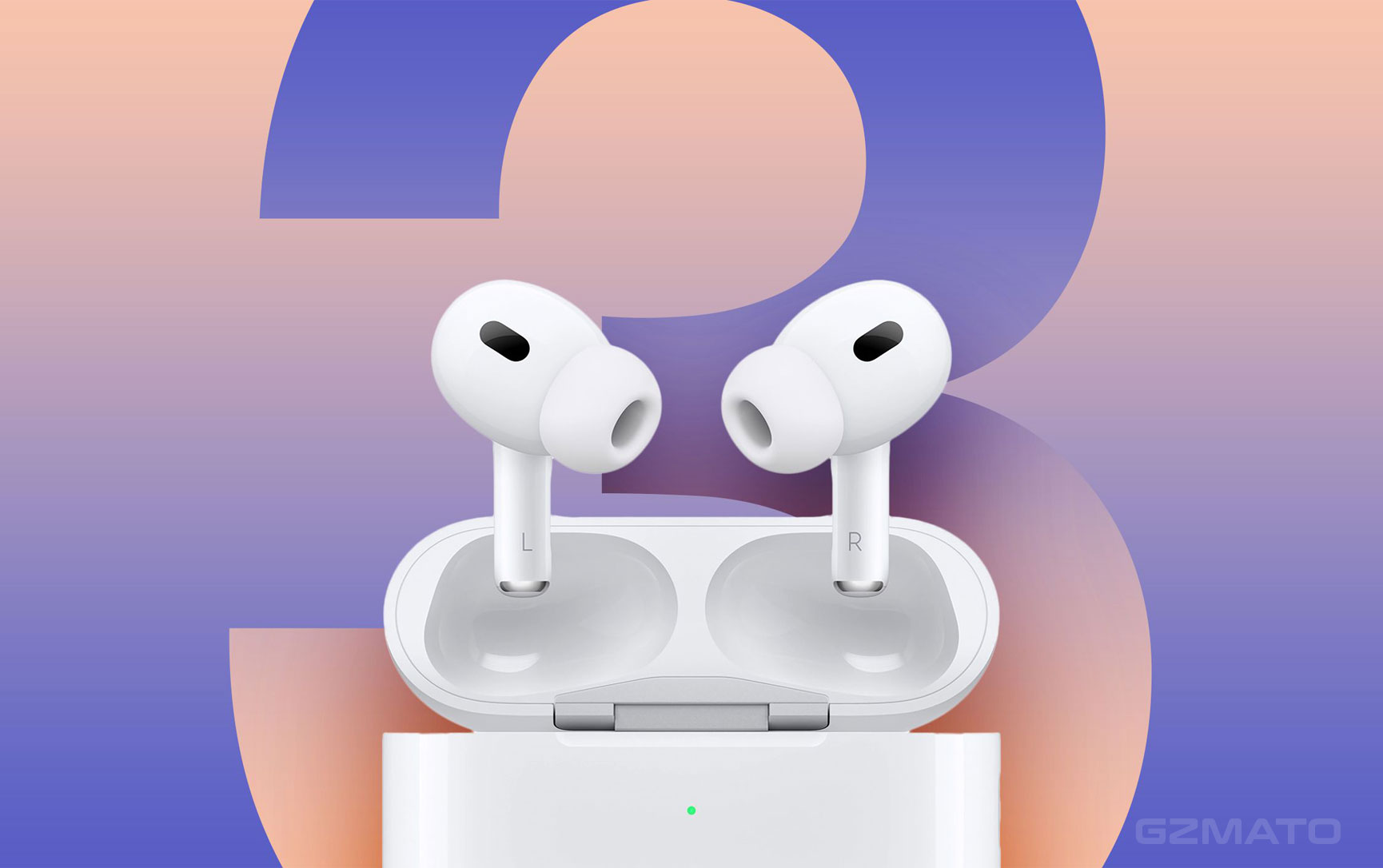

- AirPods Pro 3
- Live Translation
- Apple Intelligence
- Apple Watch
- AirPods Pro 2
- iPhone 15 Pro
- S11 chip