Amazon Acquires Globalstar for $11.57 Billion: What It Means for Apple iPhone Satellite & Starlink Competition
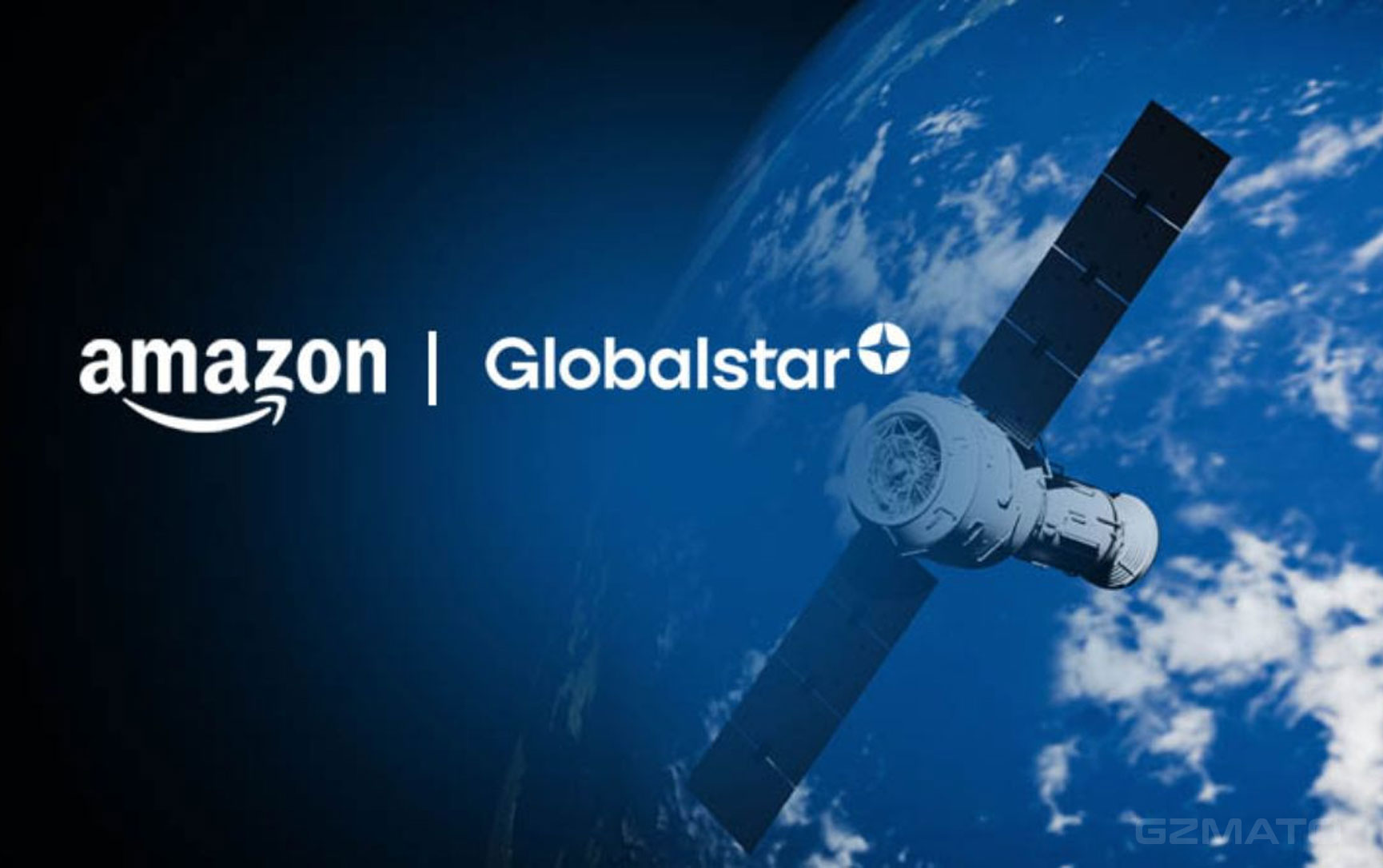
April 16, 2026 – Amazon has agreed to acquire satellite operator Globalstar in an $11.57 billion deal announced on April 14. The move significantly strengthens Amazon’s satellite ambitions and secures long-term satellite connectivity for Apple devices.
Amazon Acquires Globalstar for $11.57 Billion: What It Means for Apple iPhone Satellite & Starlink Competition
Amazon is making a major push into the satellite connectivity space. On April 14, 2026, the company announced it will acquire Globalstar in a deal valued at approximately $11.57 billion. This acquisition adds existing satellites, spectrum licenses, and infrastructure to Amazon’s growing Amazon Leo network (formerly Project Kuiper), while also positioning Amazon as Apple’s primary satellite partner for future iPhone and Apple Watch features.
Deal Details and Timeline
Under the agreement, Globalstar shareholders can choose to receive either $90 per share in cash or a portion of Amazon common stock (capped at $90 per share). The deal includes Globalstar’s satellite fleet, operations, and mobile satellite services (MSS) spectrum. The transaction is expected to close in 2027, subject to regulatory approvals and certain operational milestones.
What It Means for Apple iPhone & Apple Watch
Amazon and Apple have signed a separate long-term agreement that makes Amazon Leo the primary satellite service provider for current and future iPhone and Apple Watch models. This includes Emergency SOS via satellite, messaging, Find My, and roadside assistance.
For now, existing Globalstar-powered services on iPhone 14 and later models will continue uninterrupted. Apple previously invested in Globalstar to expand satellite capabilities, and the new deal ensures continuity while opening the door for enhanced future features using Amazon’s larger Leo constellation.
Amazon Leo vs SpaceX Starlink
The acquisition is widely seen as Amazon’s strongest move yet to compete with Elon Musk’s Starlink. By integrating Globalstar’s direct-to-device (D2D) capabilities, Amazon Leo can offer cellular connectivity directly to smartphones without additional hardware, accelerating its timeline for consumer services.
Amazon plans to launch enhanced services by 2028, working with mobile network operators to extend coverage to remote areas worldwide.
Broader Industry Implications
This deal highlights the intensifying race in satellite-based connectivity. Key implications include:
- Faster rollout of direct-to-device satellite internet
- Increased competition for SpaceX Starlink in both broadband and mobile connectivity
- Potential for improved satellite features on consumer devices like iPhones
- Growing importance of spectrum licenses and existing satellite infrastructure
Final Verdict
Amazon’s $11.57 billion acquisition of Globalstar is a bold and strategic move that instantly boosts its satellite capabilities and solidifies its partnership with Apple. While the deal won’t change current iPhone satellite functionality in the short term, it sets the stage for more advanced connectivity in the coming years and intensifies the competition with Starlink.
Shop Satellite & iPhone Accessories at Gzmato
Premium MagSafe cases, tempered glass protectors, fast chargers, and outdoor gear perfect for remote adventures
Special Offer: Use code GZSPACE26 for 10% off!
Shop iPhone & Outdoor Gear Now →Data Sources & Methodology (as of April 16, 2026):
- Official Amazon announcement (April 14, 2026)
- Reuters, Bloomberg, TechCrunch, and The Verge reports
- Statements from Amazon, Apple, and Globalstar
- Industry analysis on satellite connectivity and direct-to-device services
- Amazon Globalstar acquisition 2026
- Amazon Leo satellite
- Apple iPhone satellite
- Globalstar deal
- Amazon vs Starlink
- direct-to-device satellite