

Apple’s reported decision to halt the iPhone Air’s 2026 refresh signals a pragmatic retreat from a flawed design compromise. This move, analyzed alongside Sir Tim Berners-Lee’s warning about AI disrupting the web economy, underscores a major industry trend: a new premium is being placed on functionality and utility, not just form.
Apple’s Air Delay: A Necessary Pivot Before the Foldable Era
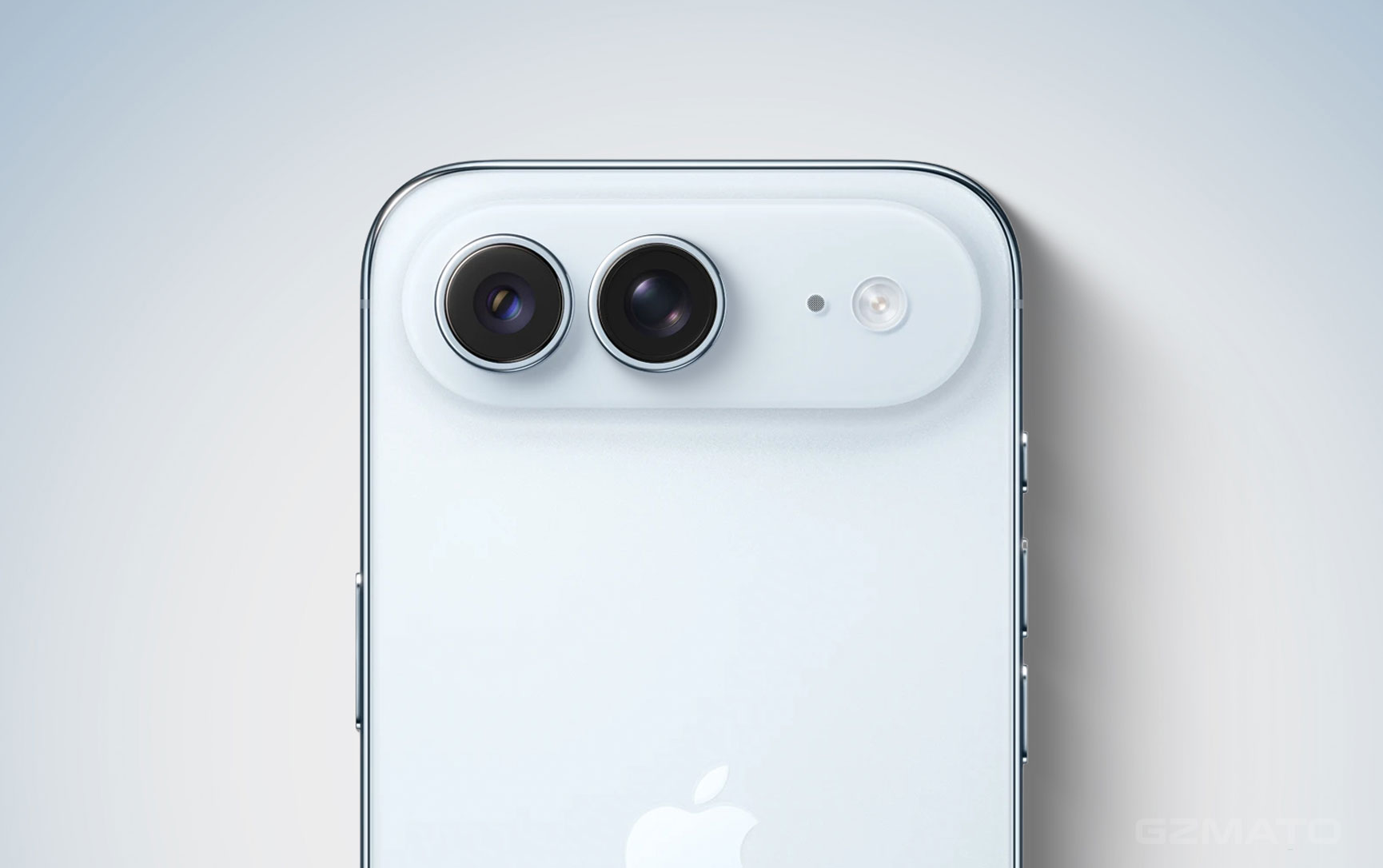
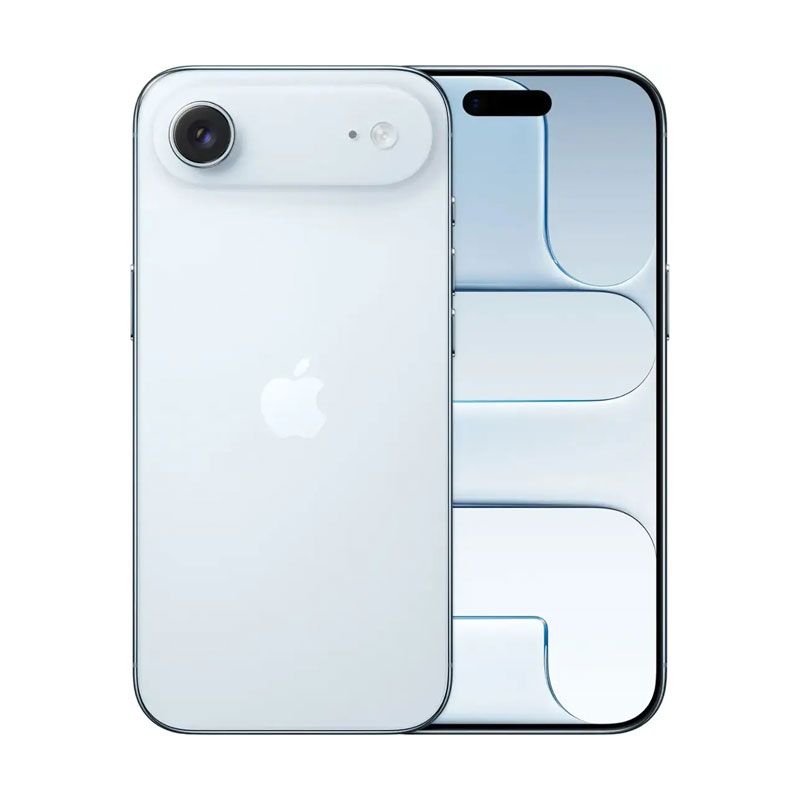
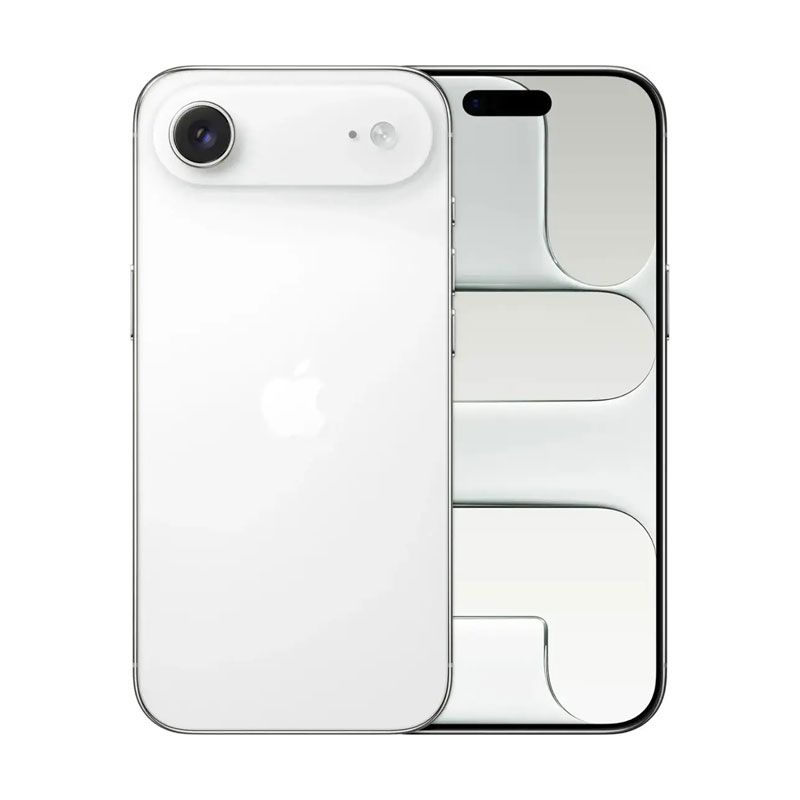
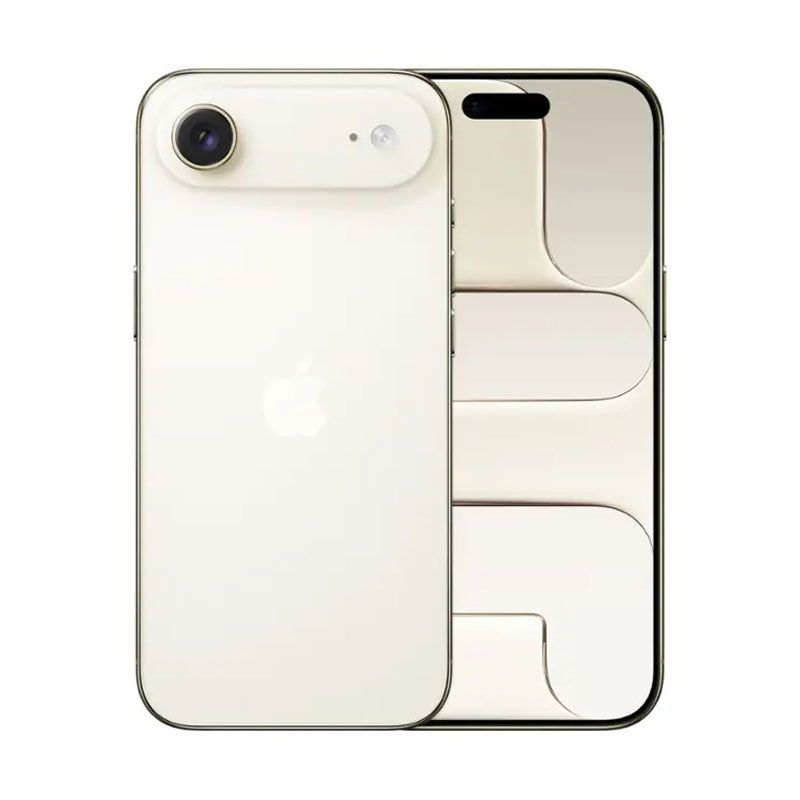
Apple is reportedly abandoning its planned 2026 refresh for the iPhone Air's successor, which analysts informally refer to as the iPhone Air 2. The original iPhone Air, which launched just two months ago in September 2025 as a super-slim flagship, prioritized extreme thinness (around 5.6mm thick) at the expense of crucial user features like battery capacity and a multi-lens camera system, and is already believed to have faced market underperformance. While the iPhone Air's future appears dim, its demise may serve as a vital, if expensive, market lesson for Apple as it prepares for the debut of the Foldable iPhone, widely rumored to launch around 2026.
The Lesson from the Air: Utility Over Vanity
The iPhone Air was arguably Apple’s engineering experiment to test the limits of component miniaturization and consumer tolerance for design compromises. The goal was likely to master the super-thin structure necessary for a foldable device, which requires two halves to stack together without becoming prohibitively thick.
The negative market reaction provides an unequivocal answer: Premium users will not accept a major trade-off in utility (battery/camera) for a marginal gain in form (thinness).
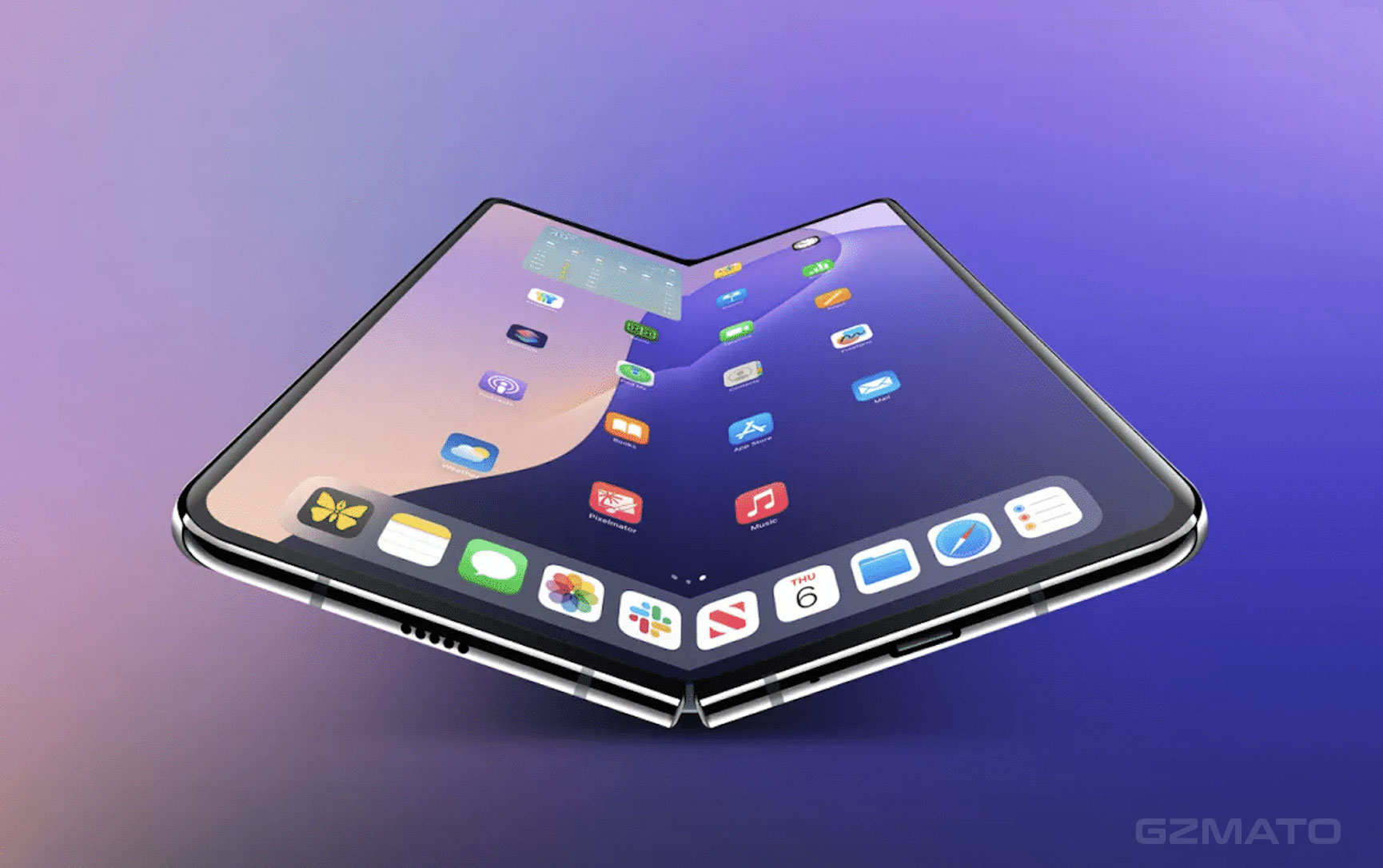
As Bloomberg’s Mark Gurman and other analysts have suggested, the Foldable iPhone is expected to look like "two iPhone Airs" joined by a hinge. The original iPhone Air’s failure is essentially a pre-mortem for the planned iPhone Air 2 and the Foldable project, forcing Apple to address the following before its high-stakes entry into the folding market:
- Solve the Battery: The Foldable iPhone must not inherit the Air's Achilles' heel. It must achieve sufficient power density to support a large, foldable screen without making the device bulky.
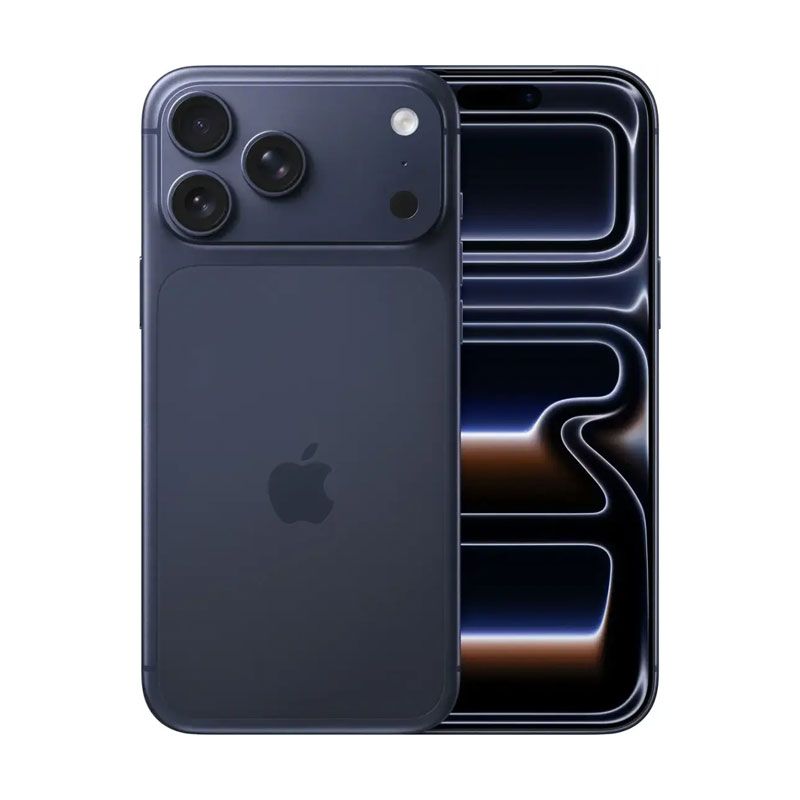
- Optimize the Camera: Foldable devices often suffer from compromised camera systems due to space constraints. Apple now knows it cannot afford to downgrade this core function from its Pro-level standards.
The delay of the Air refresh is therefore a pragmatic pivot. Apple is clearing its calendar and re-allocating resources to ensure the Foldable iPhone is perceived as a functional *upgrade* rather than a beautiful but compromised novelty.
The Broader Context: Berners-Lee and the Premium on Function
This strategic retreat by Apple aligns perfectly with the recent stark warning from Sir Tim Berners-Lee, the inventor of the World Wide Web.
Speaking at the *FT Future of AI Summit*, Berners-Lee cautioned that the rise of Generative AI (Large Language Models) threatens to "break" the internet's ad-supported business model. His logic is simple: if AI models consume and summarize all web content, people will stop visiting websites, and the ad revenue that sustains content creation will vanish.
The common thread between these two stories is the crisis of utility:
- For Apple: The iPhone Air failed because its form offered low utility (poor battery life) relative to its high price.
- For the Web: The ad model is threatened because AI offers high utility (summarized answers) that bypasses the content creator's monetization structure.
In both the hardware and digital spheres, the market is quickly moving to favor the most direct route to useful information or function, punishing structures that complicate or diminish that core utility.
Our Perspective
What We Thought
The iPhone Air delay is not a sign of weakness in Apple's long-term vision, but a sign of its discipline. The Air tested a hypothesis ("Can we sell ultra-thin design at a premium?"), and the answer was a clear "No." This harsh feedback is invaluable for the next generation of products.
What We Take Away
We believe the Foldable iPhone remains on track for a 2026 debut, but its design mandate has been solidified: it must be thin, but not at the expense of a full-day battery and a Pro-level camera. The company will use the lessons from the Air’s market failure and the delay of the iPhone Air 2 to engineer a device that provides true, *uncompromised* utility, justifying its rumored $2,000+ price tag.
Sources: Bloomberg's Mark Gurman, The Information, FT Future of AI Summit, analyst reports (as of November 2025).






- iPhone Air 2 Delay
- Foldable iPhone
- Apple Strategy
- Tim Berners-Lee
- Generative AI
- Thin Design
- Utility
- Product Compromise










Did the iPhone Air teach Apple the right lesson?
What is the one essential feature the Foldable iPhone absolutely *must* nail to be a success?