CATL's 1500km Battery: Game Changer or Just Hype? (2026 Analysis)
- CATL's 1500km Battery: Game Changer or Just Hype?
- What Is the Kirin Condensed Battery?
- Key Specs: The Numbers That Matter
- From Aircraft to Cars: The Aviation Connection
- CATL vs BYD vs Tesla: How They Stack Up
- The Fine Print: What You Need to Know
- Verdict: Game Changer or Hype?
- Shop EV Accessories at Gzmato
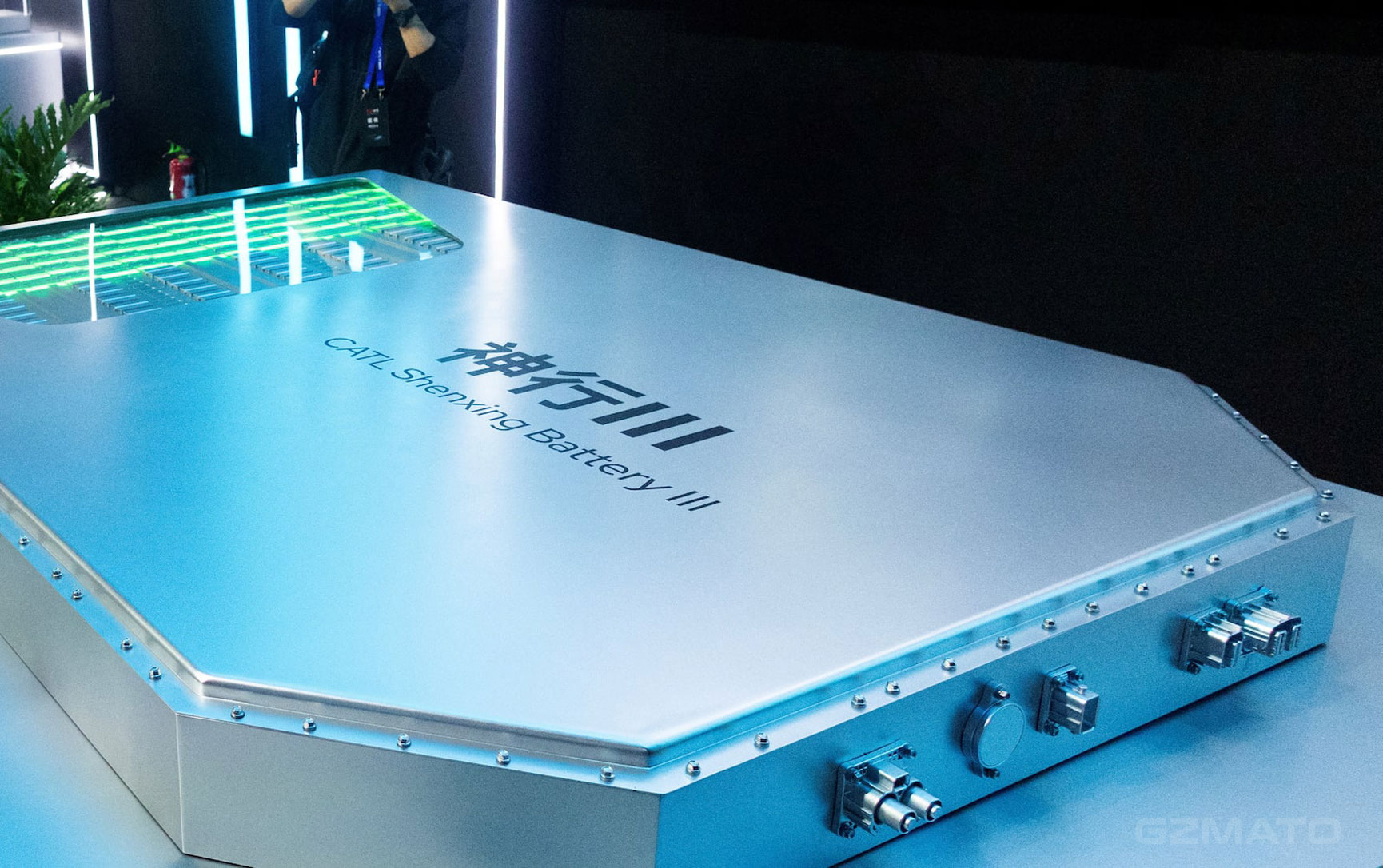
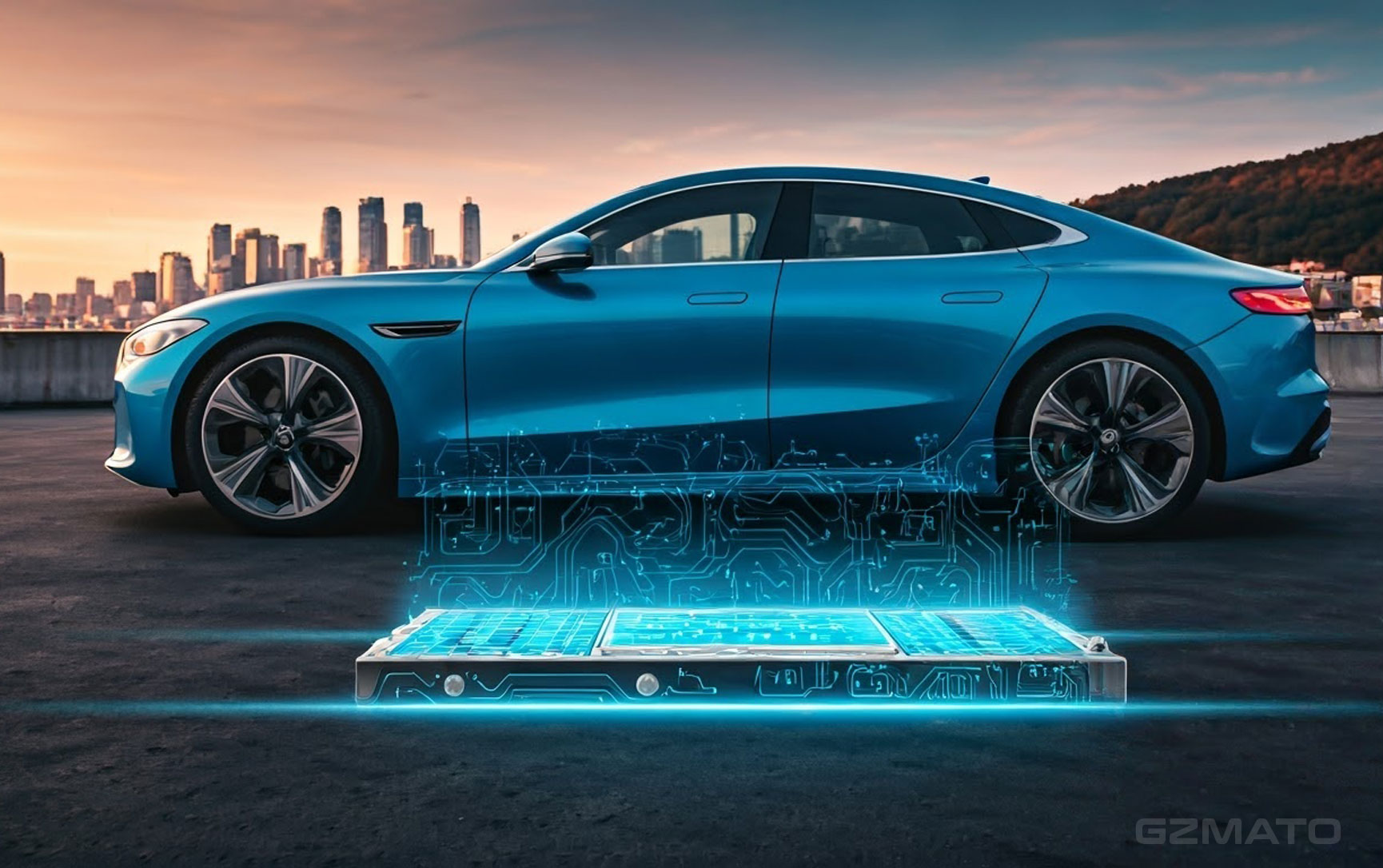
April 22, 2026 – CATL just dropped what might be the biggest battery breakthrough in years. At its Super Tech Day in Beijing on April 21, the world's largest EV battery maker unveiled the Kirin Condensed Battery – a power pack that promises 1,500 kilometers (932 miles) of range on a single charge [citation:1].
CATL's 1500km Battery: Game Changer or Just Hype?
Let's address the elephant in the room: 1,500 km range sounds almost too good to be true. For context, the average EV today delivers 400-600 km per charge . A typical Beijing driver covers about 800 km per month [citation:2]. In theory, this battery could power a car for nearly two months without plugging in.
But before you cancel your gas station loyalty card, let's separate fact from fiction. Here's what CATL actually announced, what the numbers mean, and whether this technology will make it into your next car anytime soon.
What Is the Kirin Condensed Battery?
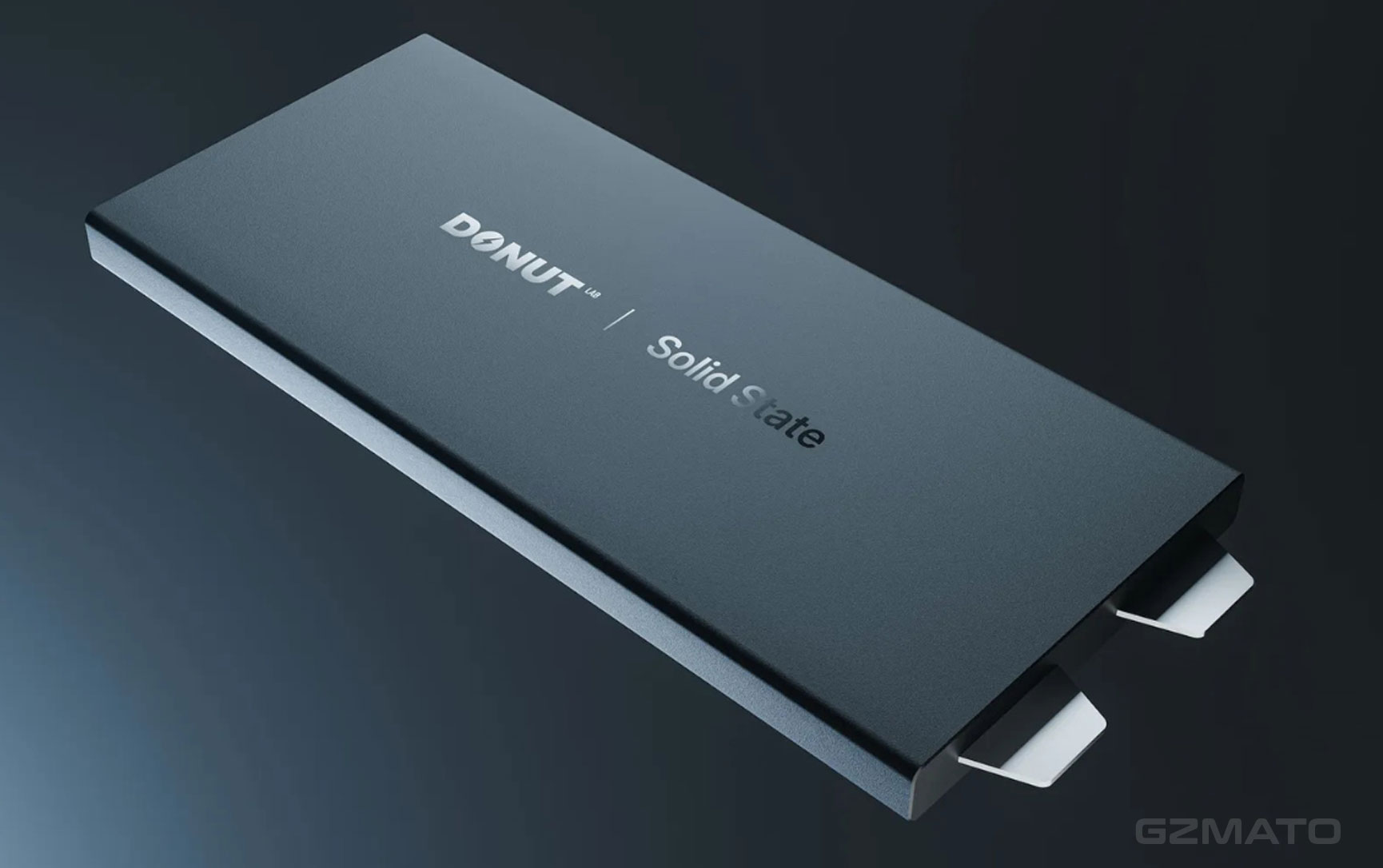
The Kirin Condensed Battery is CATL's latest flagship product, unveiled alongside five other major battery technologies on April 21 [citation:1]. The name "condensed" refers to the electrolyte – it's not fully liquid like traditional batteries, nor fully solid like next-generation solid-state batteries. It's a semi-solid or gel-state electrolyte that sits between the two [citation:2].
- Liquid batteries (current standard) – High performance, but flammable electrolyte
- Condensed batteries (CATL's new tech) – Semi-solid, "no liquid to leak, no liquid to burn" [citation:1]
- Solid-state batteries (future goal) – Highest safety, but mass production remains difficult [citation:2]
What makes this battery special is its origin story. The condensed electrolyte technology was originally developed for aviation applications – specifically, electric aircraft. It has already completed test flights on a 4-ton commercial aircraft and is moving to 8-ton aircraft validation [citation:5]. Now, for the first time, CATL is bringing this aerospace-grade technology down to passenger cars [citation:1].
Key Specs: The Numbers That Matter
| Specification | Kirin Condensed Battery | vs Standard Battery |
|---|---|---|
| Weight Energy Density | 350 Wh/kg | 2x LFP, 75% higher than NCM [citation:2] |
| Volume Energy Density | 760 Wh/L | Industry-leading [citation:1] |
| Car Range | 1,500 km (sedan) / 1,000+ km (SUV) | 3x average EV today [citation:2] |
| Battery Pack Weight | Under 650 kg | 400 kg lighter than LFP for same range [citation:2] |
| Safety | "No liquid to leak, no liquid to burn" | Condensed electrolyte eliminates fire risk [citation:1] |
What Does 350 Wh/kg Actually Mean?
Energy density is the single most important metric for EV batteries. It determines how far you can go with a given weight of battery. Here's how CATL's new battery compares to current technology [citation:2]:
- LFP (Lithium Iron Phosphate) – 140-180 Wh/kg. Used in entry-level EVs. Safe and cheap, but heavy.
- NCM (Nickel-Cobalt-Manganese) – 200-250 Wh/kg. Used in premium EVs. Higher performance, but more expensive.
- Kirin Condensed – 350 Wh/kg. 2x LFP, 75% higher than NCM.
In practical terms: a 650 kg Kirin Condensed battery pack delivers the same range as a 1,050 kg LFP battery pack. That's a 400 kg weight saving – roughly the weight of five adult passengers [citation:2].
Aviation-Grade Titanium Casing
CATL also introduced another first: aviation-grade titanium alloy for the battery casing. Compared to standard aluminum casings [citation:7]:
- 60% thinner – More space for active materials
- 30% lighter – Improved vehicle efficiency
- 3x stronger – Better crash protection
- +20 Wh/kg – Additional energy density from the casing alone
From Aircraft to Cars: The Aviation Connection
This isn't just marketing spin. The condensed electrolyte technology has genuine aerospace credentials [citation:5]:
- 2023: CATL first unveiled condensed battery technology with 500 Wh/kg at the cell level, targeting electric aviation [citation:2]
- Completed: Test flights on 4-ton commercial aircraft
- In progress: Validation on 8+ ton commercial aircraft
- April 21, 2026: First application in passenger vehicles
Why does this matter? Aviation has the strictest safety requirements of any transportation mode. A technology that passes aircraft certification is arguably over-engineered for cars – which bodes well for safety and reliability [citation:9].
CATL vs BYD vs Tesla: How They Stack Up
| Company | Latest Battery | Energy Density | Range Claim |
|---|---|---|---|
| CATL | Kirin Condensed | 350 Wh/kg | 1,500 km |
| BYD | Blade 2.0 | ~210 Wh/kg | ~800 km |
| Tesla (4680) | Current generation | ~230 Wh/kg | ~700 km (Model S) |
| LG Energy | NCMA pouch | ~250 Wh/kg | ~600 km |
CATL's 350 Wh/kg stands head and shoulders above current competitors. However, it's worth noting that energy density isn't everything – cost, charging speed, and cycle life matter just as much for mass adoption.
The Fine Print: What You Need to Know
1. Mass Production Timeline Is Unclear
While CATL announced that its sodium-ion battery will reach mass production in Q4 2026 [citation:3], the company did not specify a production timeline for the Kirin Condensed battery. Given its aviation-grade components (including titanium casing), initial costs will likely be high [citation:10].
2. This Is Still a NCM-Based Battery
The Kirin Condensed battery uses a high-nickel cathode and silicon-carbon anode – meaning it contains cobalt and nickel. These materials are expensive and subject to supply chain volatility. The cost will be significantly higher than LFP batteries [citation:7].
3. Charging Infrastructure Still Lags
Even if your car can go 1,500 km, you'll still need to charge it eventually. CATL also announced plans for 4,000 "ultra-fast charging + battery swapping" integrated stations by the end of 2026 [citation:10]. But 4,000 stations is a fraction of the 170,000+ gas stations in China.
4. Cold Weather Performance
CATL's press event focused on energy density, not cold-weather performance. The company's new sodium battery was highlighted for extreme cold capability (-40°C, 90% capacity retention) [citation:3], but similar data wasn't provided for the Kirin Condensed battery.
Verdict: Game Changer or Hype?
The Balanced Take:
The Kirin Condensed battery is a genuine engineering breakthrough – 350 Wh/kg at mass production scale is unprecedented. The aviation pedigree adds credibility, and the "no liquid to leak, no liquid to burn" safety claim addresses a real consumer concern [citation:9].
However, the 1,500 km range is not an imminent reality for most buyers. Without a production timeline or cost estimate, it's impossible to say when – or if – this technology will reach affordable EVs.
Think of it this way: CATL has shown us what's possible. But "possible" and "available in your next car at a reasonable price" are two very different things.
Bottom line for different audiences:
- For EV shoppers today – Don't wait. Current 600-800 km EVs are already excellent. The Kirin Condensed battery won't be in affordable cars for years.
- For tech enthusiasts – This is genuinely exciting. 350 Wh/kg is a milestone that validates the roadmap to solid-state batteries.
- For investors – CATL's technology leadership is clear. The company's 47.7% domestic market share isn't accidental [citation:6].
- For skeptics – Healthy skepticism is warranted until we see production timelines and real-world test data.
Stay Charged with Gzmato
Whether you're driving today's EVs or planning for tomorrow, we've got the gear you need:
Level 2 Chargers | Portable Charging Cables | Adapters & Connectors | Charging Stations | EV Maintenance Tools
Ready to upgrade your EV setup? Use code EVREADY15 for 15% off your first purchase
Shop EV Accessories Now →Sources (as of April 22, 2026): CATL Super Tech Day official announcements, Xinhua News, 36Kr, The Paper, 21st Century Business Herald, CNET,光明网. CATL holds 47.7% of China's EV battery market as of Q1 2026 [citation:6].
- CATL
- Kirin Condensed Battery
- 1500km range
- EV battery 2026
- 350 Wh/kg
- condensed electrolyte
- CATL vs BYD
- electric vehicle battery