A Culinary Journey Through China: Must-Try Dishes During Your 240-Hour Visa-Free Stay
China is not only a land of breathtaking landscapes and ancient wonders but also a paradise for food lovers. With its rich culinary traditions and diverse regional cuisines, China offers an unforgettable gastronomic experience. As you explore the country during your 240-hour visa-free stay, make sure to indulge in these iconic Chinese dishes. From spicy Sichuan flavors to delicate Cantonese dim sum, here’s a guide to the must-try foods in China.
Why Chinese Food is a Must-Try
Chinese cuisine is one of the most diverse in the world, with each region boasting its own unique flavors, ingredients, and cooking techniques. Whether you’re a fan of spicy, sweet, savory, or umami, there’s something for everyone. Plus, food is an integral part of Chinese culture, so trying these dishes will give you a deeper understanding of the country’s traditions and way of life.
Famous Chinese Dishes to Try
1. Peking Duck (北京烤鸭)
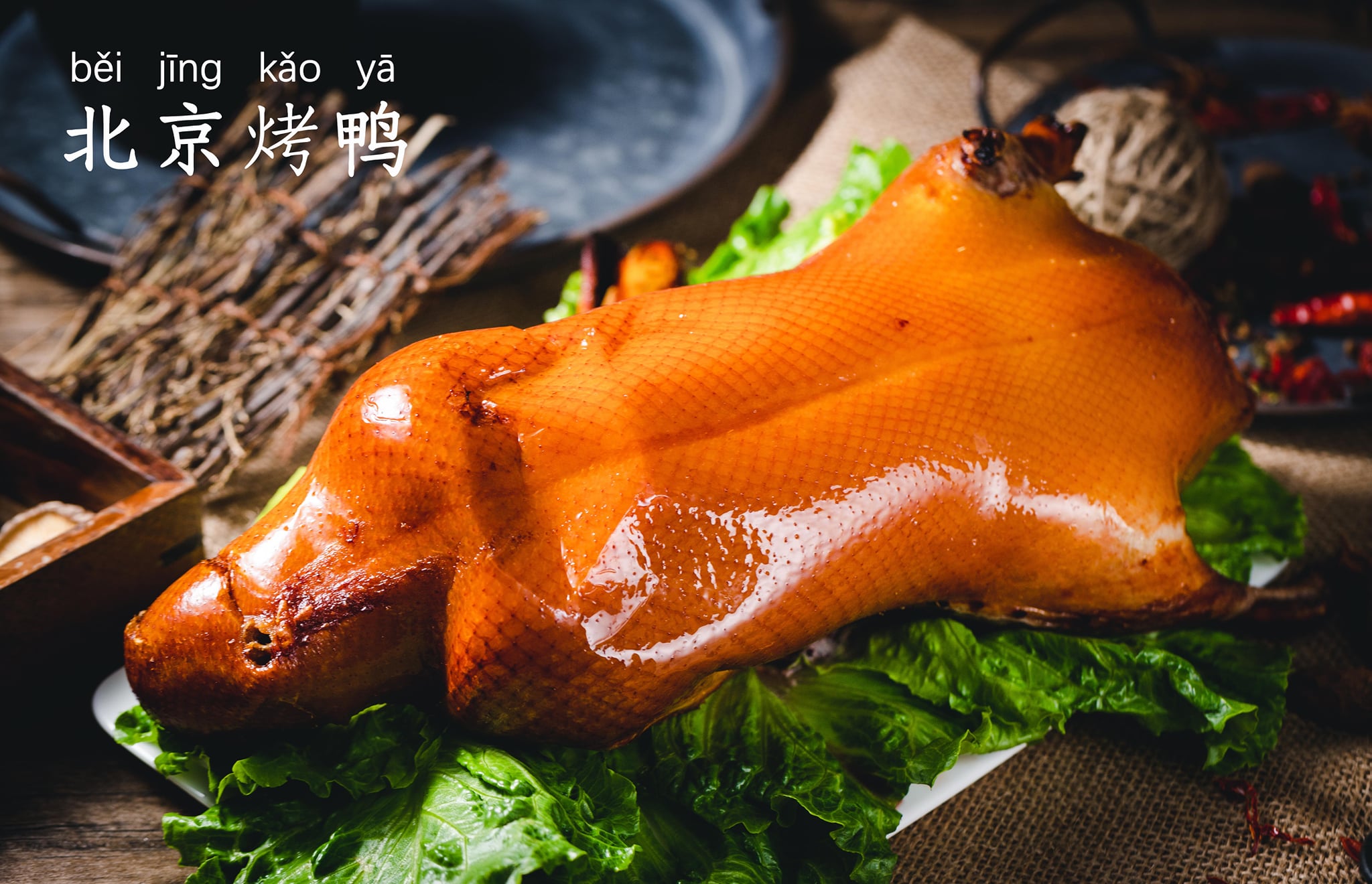
- Origin: Beijing
- What It Is: A crispy, roasted duck dish served with thin pancakes, hoisin sauce, and scallions.
- Where to Try: Quanjude or Da Dong in Beijing.
- Best Paired With: A bowl of duck soup made from the bones.
- Fun Fact: Peking Duck has been a staple of Chinese imperial cuisine since the Ming Dynasty.
2. Xiaolongbao (小笼包) – Soup Dumplings
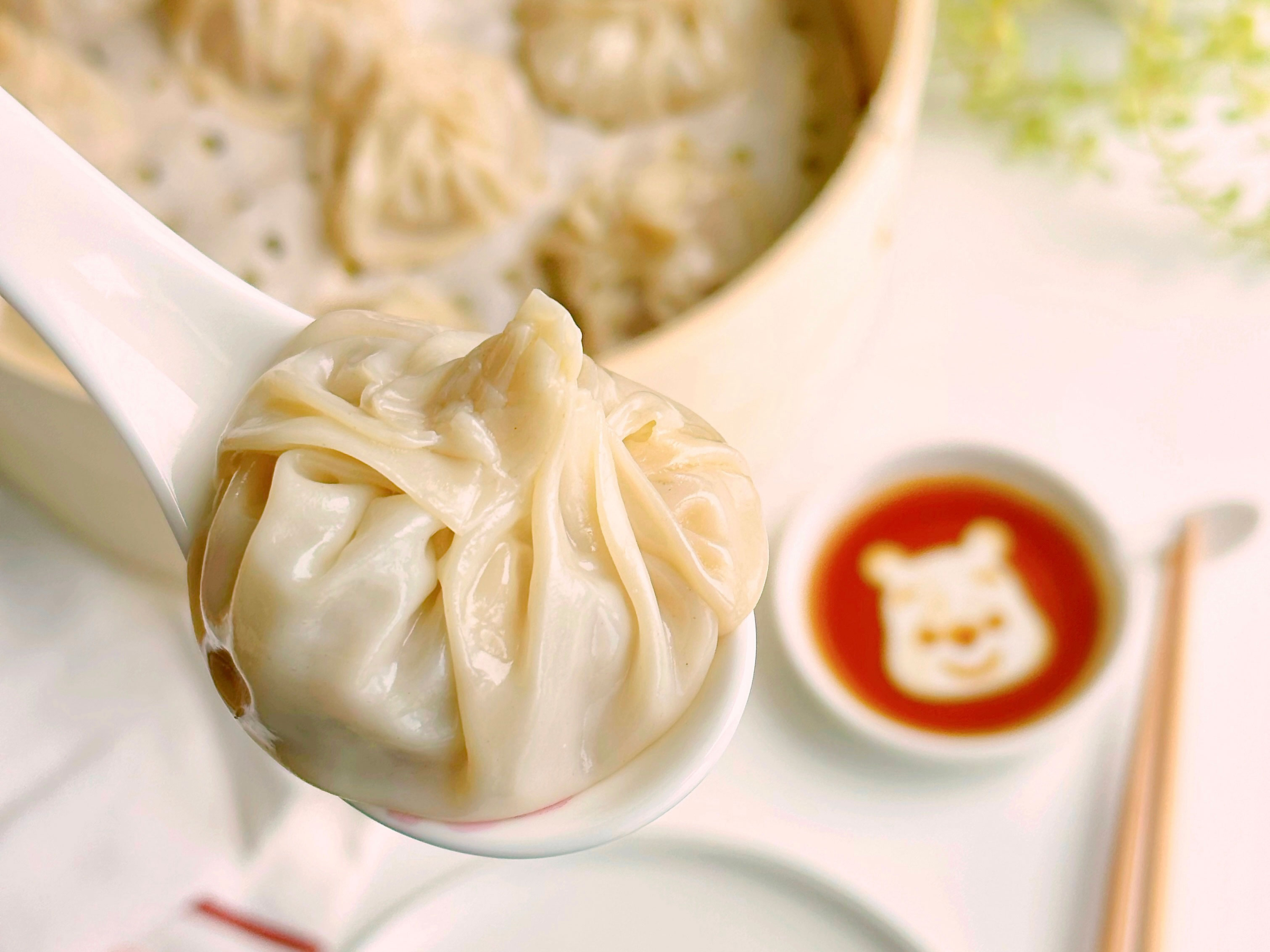
- Origin: Shanghai
- What It Is: Steamed dumplings filled with pork and a burst of hot, flavorful soup.
- Where to Try: Din Tai Fung (available in many cities) or Jia Jia Tang Bao in Shanghai.
- Pro Tip: Dip the dumplings in black vinegar and ginger for an extra kick.
3. Hot Pot (火锅)
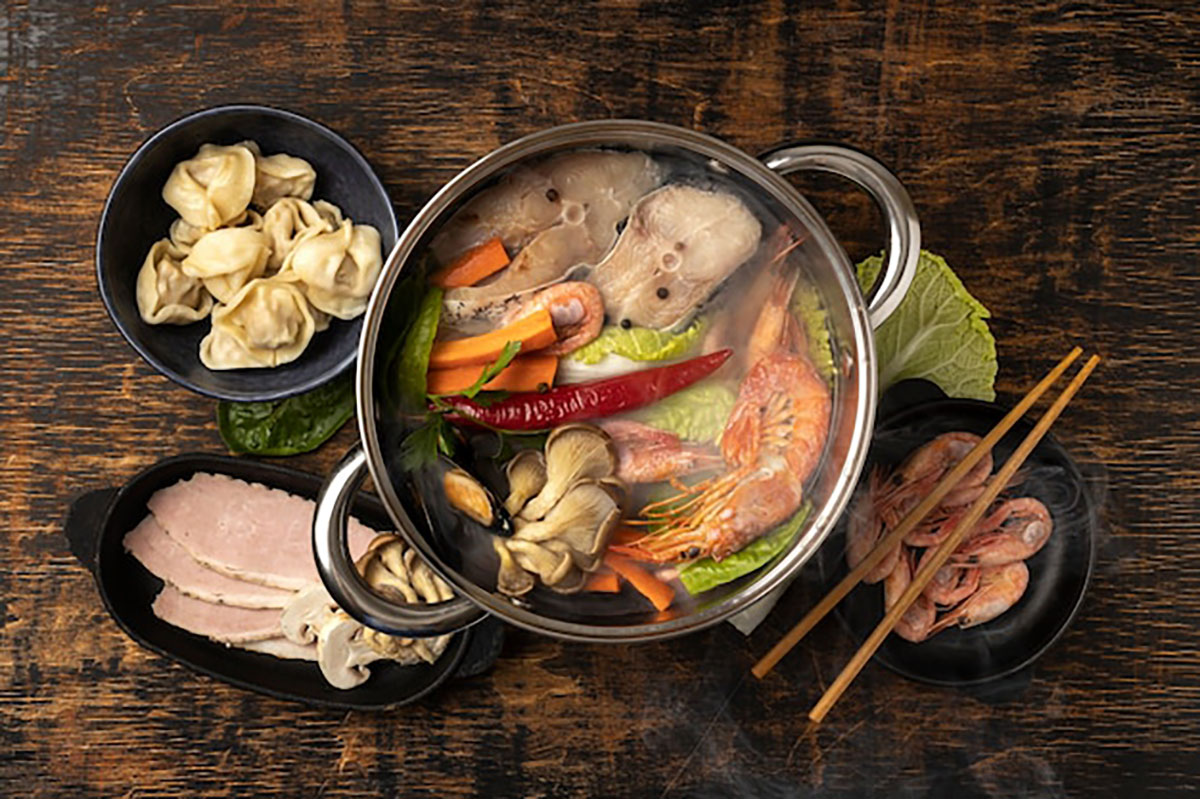
- Origin: Sichuan and Chongqing
- What It Is: A communal meal where diners cook raw ingredients (meat, vegetables, tofu) in a simmering pot of spicy broth.
- Where to Try: Haidilao (a popular chain) or local hot pot restaurants in Chengdu or Chongqing.
- Best Paired With: A cold beer or a glass of iced plum juice to balance the spice.
4. Kung Pao Chicken (宫保鸡丁)
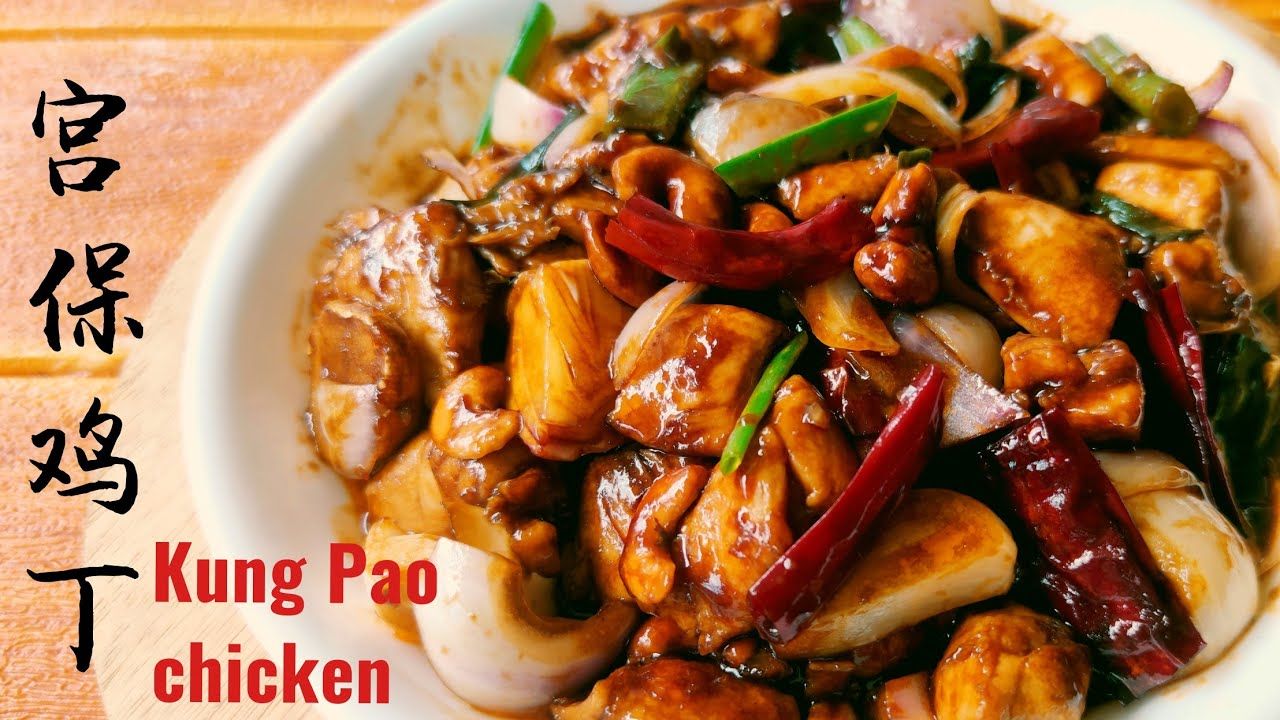
- Origin: Sichuan Province
- What It Is: Stir-fried chicken with peanuts, vegetables, and chili peppers in a sweet and spicy sauce.
- Where to Try: Any Sichuan restaurant, especially in Chengdu.
- Fun Fact: This dish is named after a Qing Dynasty official, Ding Baozhen, who loved spicy food.
5. Dim Sum (点心)
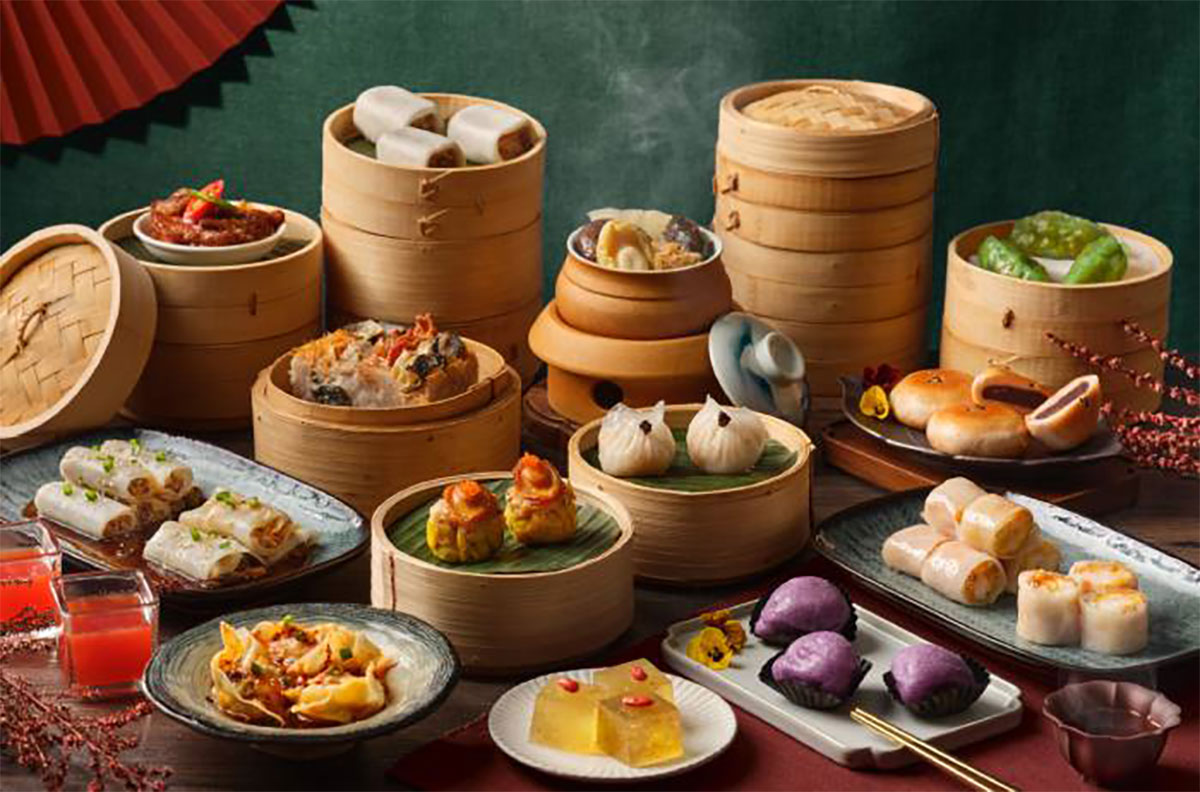
- Origin: Guangdong Province (Cantonese cuisine)
- What It Is: A variety of small dishes, including dumplings, buns, and rolls, typically served with tea.
- Where to Try: Tim Ho Wan (Hong Kong) or Lian Xiang Lou in Guangzhou.
- Must-Try Dishes: Har Gow (shrimp dumplings), Char Siu Bao (barbecue pork buns), and Cheung Fun (rice noodle rolls).
6. Mapo Tofu (麻婆豆腐)
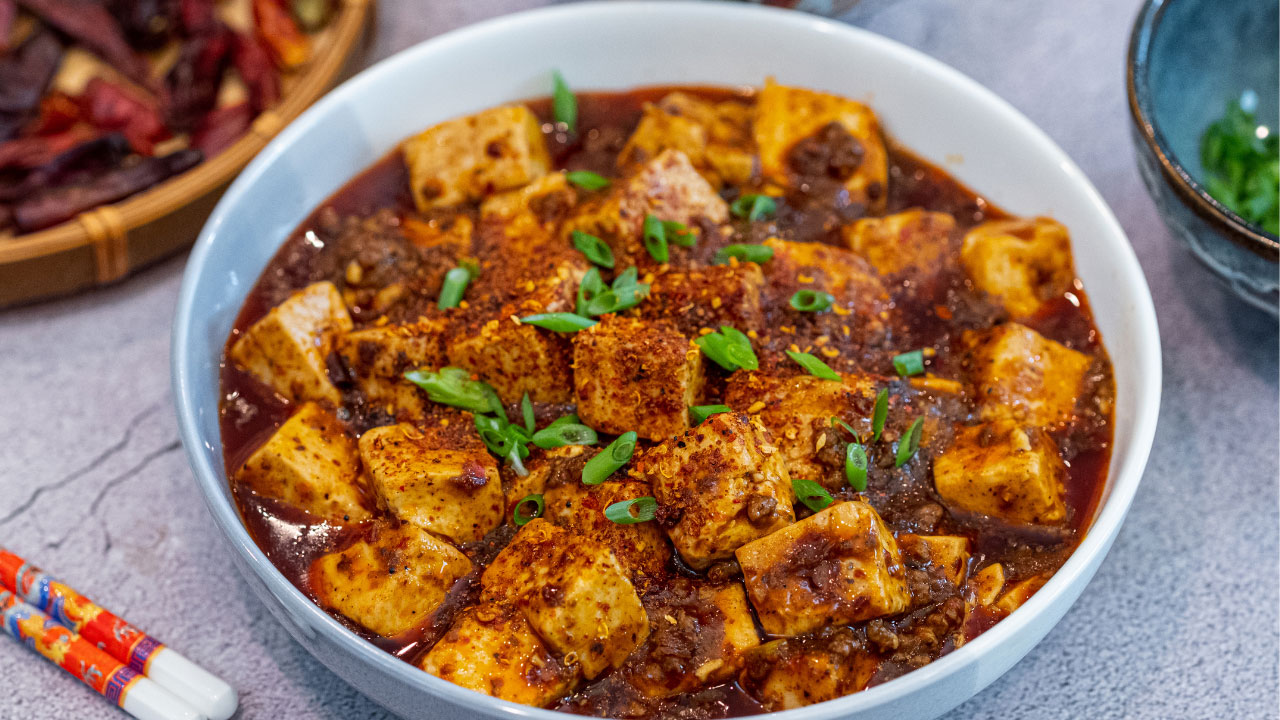
- Origin: Sichuan Province
- What It Is: Soft tofu cooked in a spicy, numbing sauce made with Sichuan peppercorns and chili oil.
- Where to Try: Chen Mapo Tofu in Chengdu.
- Pro Tip: Pair it with a bowl of steamed rice to balance the heat.
7. Biang Biang Noodles (Biang Biang面)
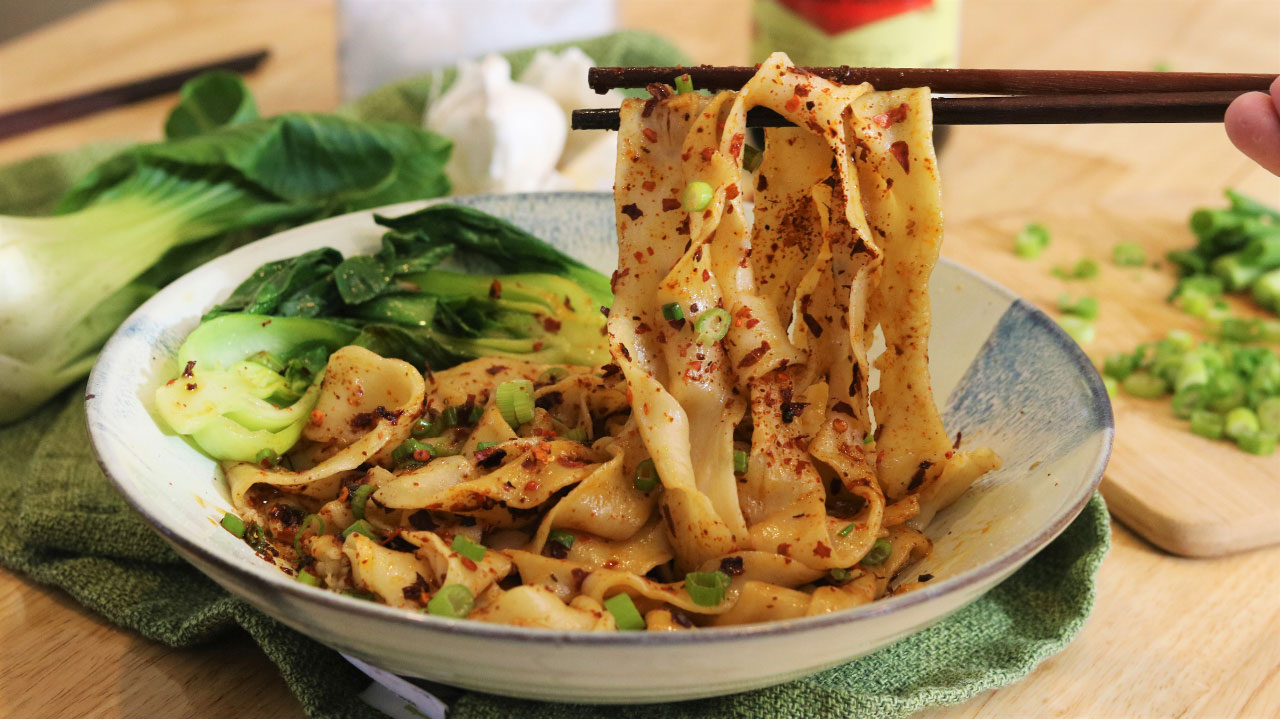
- Origin: Shaanxi Province
- What It Is: Thick, hand-pulled noodles served with chili oil, garlic, and vegetables or meat.
- Where to Try: Local noodle shops in Xi’an.
- Fun Fact: The name “Biang” comes from the sound of the noodles being slapped against the counter during preparation.
8. Char Siu (叉烧) – Cantonese Barbecue Pork
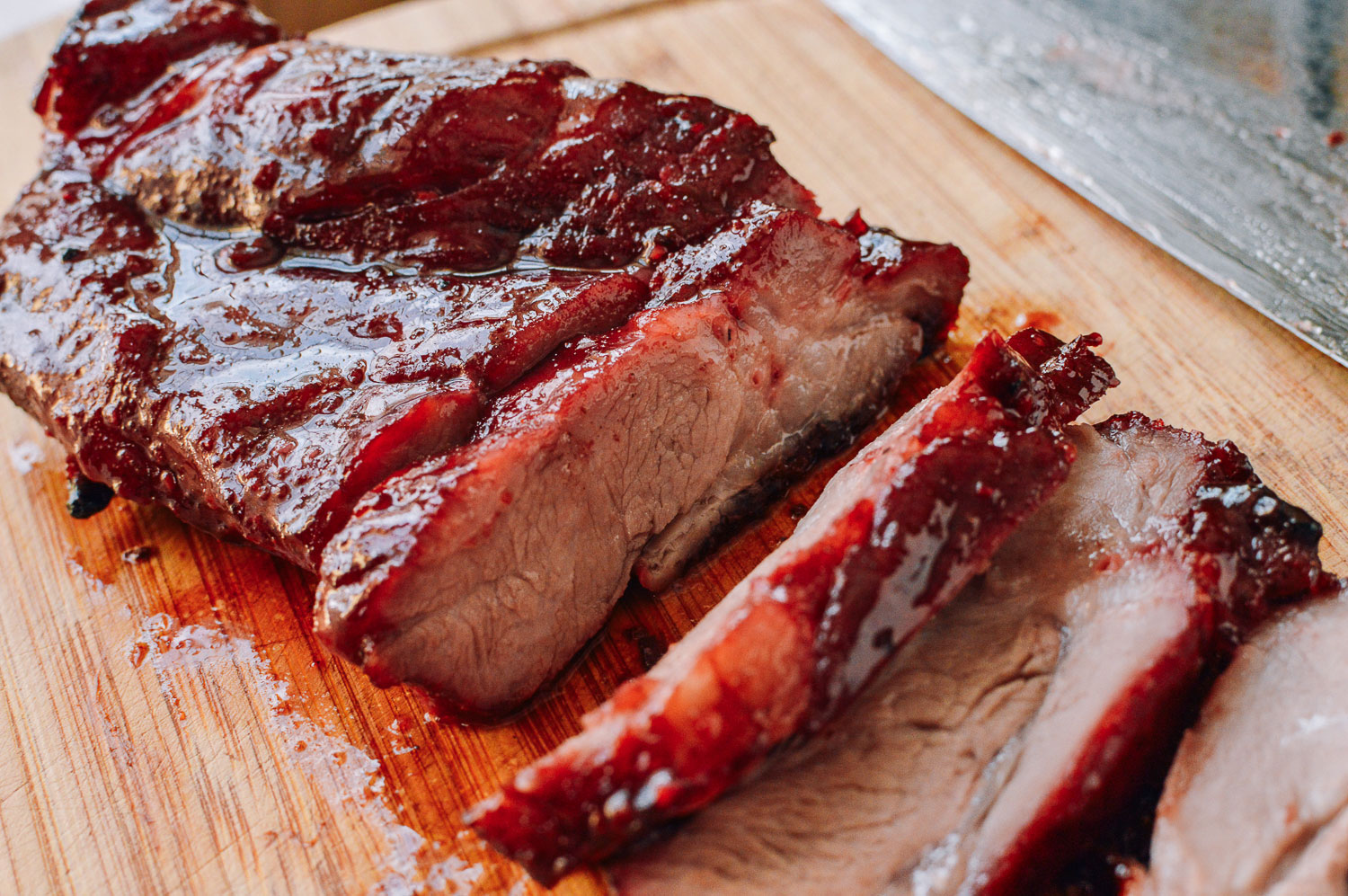
- Origin: Guangdong Province
- What It Is: Sweet and savory roasted pork with a glossy, caramelized exterior.
- Where to Try: Any Cantonese barbecue restaurant in Guangzhou or Hong Kong.
- Best Paired With: Steamed rice or in a bao (bun).
9. Zhajiangmian (炸酱面) – Beijing Noodles
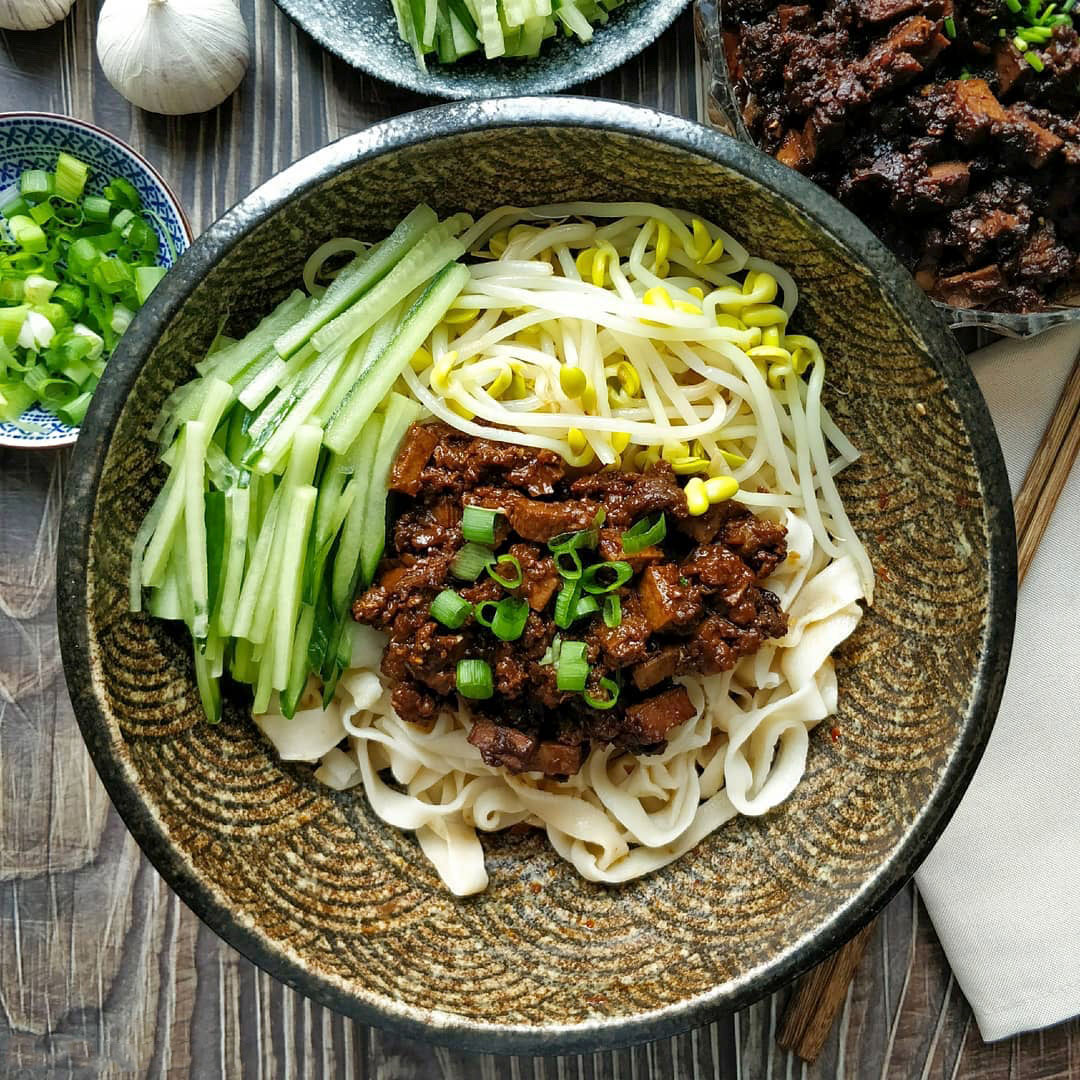
- Origin: Beijing
- What It Is: Hand-pulled noodles topped with a savory soybean paste and minced pork sauce.
- Where to Try: Local noodle shops in Beijing.
- Pro Tip: Mix the noodles well to coat them evenly with the sauce.
10. Mooncakes (月饼)
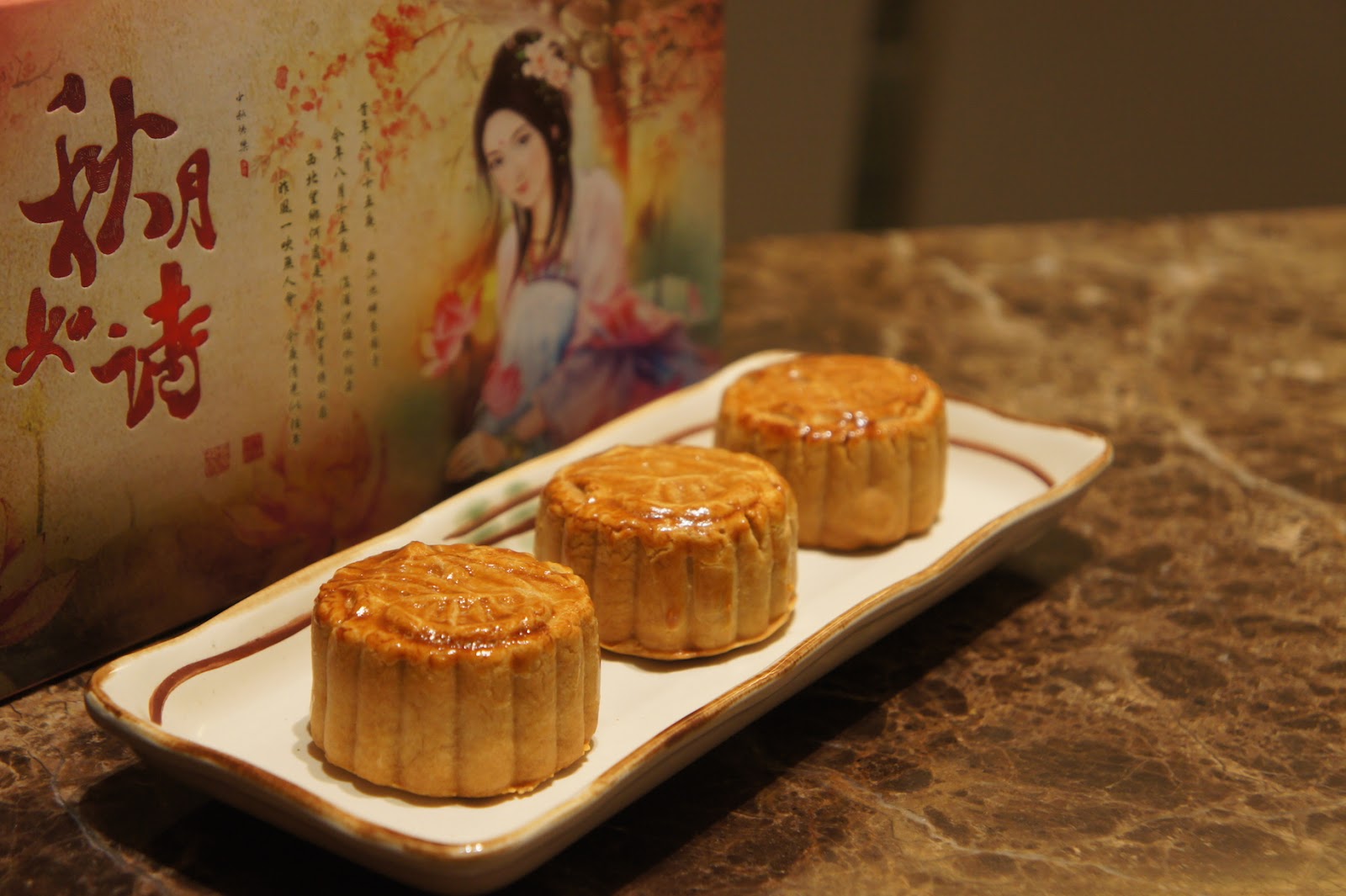
- Origin: Nationwide (especially during Mid-Autumn Festival)
- What It Is: Round pastries filled with sweet or savory fillings like lotus seed paste, red bean, or salted egg yolk.
- Where to Try: Bakeries and specialty shops during the Mid-Autumn Festival (usually in September or October).
- Fun Fact: Mooncakes symbolize reunion and are traditionally shared with family and friends.
Regional Cuisines to Explore
- Sichuan Cuisine: Known for its bold, spicy, and numbing flavors. Must-try dishes include Mapo Tofu and Kung Pao Chicken.
- Cantonese Cuisine: Famous for its dim sum, roasted meats, and light, fresh flavors.
- Shanghai Cuisine: Features sweet and savory dishes like Xiaolongbao and braised pork belly.
- Shandong Cuisine: Known for its seafood and hearty flavors. Try the sweet and sour carp.
- Hunan Cuisine: Similar to Sichuan but with a focus on fresh chili peppers and smoky flavors.
Tips for Enjoying Chinese Food
- Be Adventurous: Don’t be afraid to try new dishes and flavors.
- Share Dishes: Chinese meals are typically served family-style, so order a variety of dishes to share.
- Use Chopsticks: Practice using chopsticks before your trip—it’s the most common utensil in China.
- Ask for Recommendations: Locals are often happy to suggest their favorite dishes or restaurants.
- Watch for Spice Levels: Sichuan and Hunan dishes can be very spicy, so ask for mild versions if you’re sensitive to heat.
Conclusion
No trip to China is complete without indulging in its incredible cuisine. From the fiery flavors of Sichuan to the delicate dim sum of Guangdong, Chinese food is a journey in itself. As you explore the country during your 240-hour visa-free stay, make sure to savor these iconic dishes and discover the rich culinary heritage of China. Bon appétit, or as they say in China, 慢慢吃 (màn màn chī) – eat slowly and enjoy!


Beyond the food, I was amazed by China’s rich culture, stunning landmarks, and warm hospitality. From the Great Wall to the bustling streets of Shanghai, every moment was filled with wonder. If you’re considering a trip to China, the 240-hour visa-free transit makes it so easy to dive into this vibrant culture and create memories that will last a lifetime!
- Chinese food
- must-try Chinese dishes
- Peking Duck
- Xiaolongbao
- Hot Pot
- Kung Pao Chicken
- Dim Sum
- Mapo Tofu